
Welcome to Modern Agriculture!

 Depositphotos
Mosquitoes can ruin your outdoor enjoyment faster than almost anything else. These pesky insects not only leave itchy welts but can also transmit diseases. The good news is that nature provides plenty of allies in the fight against mosquitoes.
Many garden animals naturally feed on mosquitoes and their larvae, helping to keep populations under control without chemicals. Adding these helpful creatures to your garden creates a natural pest management system while enhancing your backyard ecosystem.
 Depositphotos
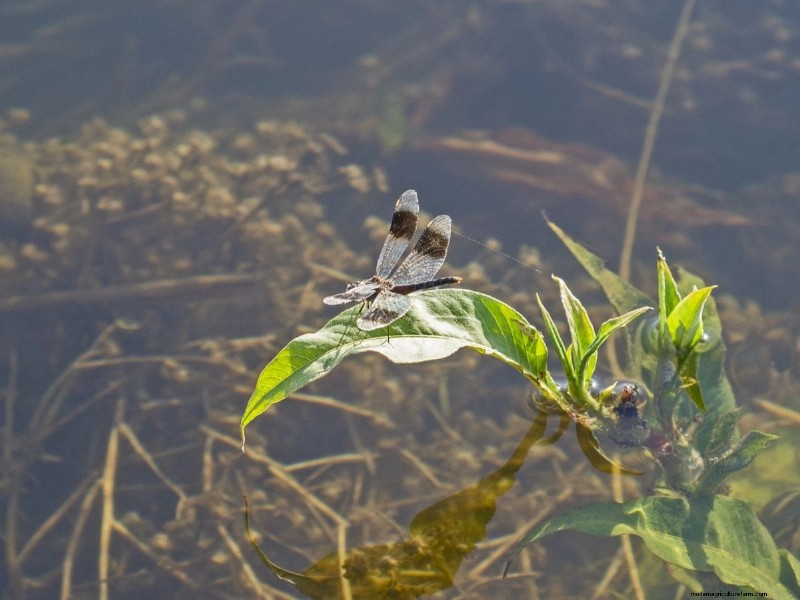
Dragonflies are often called “mosquito hawks” for good reason. Both adult dragonflies and their aquatic nymphs are voracious mosquito predators. A single dragonfly can consume hundreds of mosquitoes in a single day, making them one of the most effective natural mosquito controllers.
To attract dragonflies to your garden, consider adding a small pond or water feature. They need water to reproduce, and their nymphs develop underwater where they happily feast on mosquito larvae. Plants around the water’s edge provide perfect perching spots for adults as they hunt.
 Depositphotos
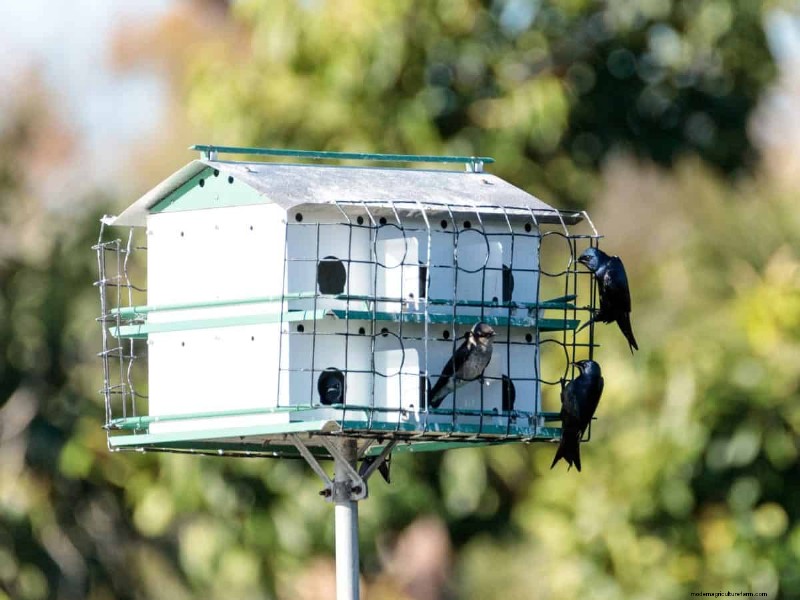
Purple martins are beautiful songbirds that love to snack on flying insects, including mosquitoes. These social birds live in colonies and can consume thousands of mosquitoes daily when feeding their young during breeding season.
Attract purple martins by installing specially designed martin houses in open areas of your yard. Place houses at least 15 feet high and away from tall trees. But be patient, establishing a colony can take time as these birds are selective about their housing.
We'll email it to you so you can read it later!
By saving, you agree to receive occasional emails. Unsubscribe anytime.
 Depositphotos
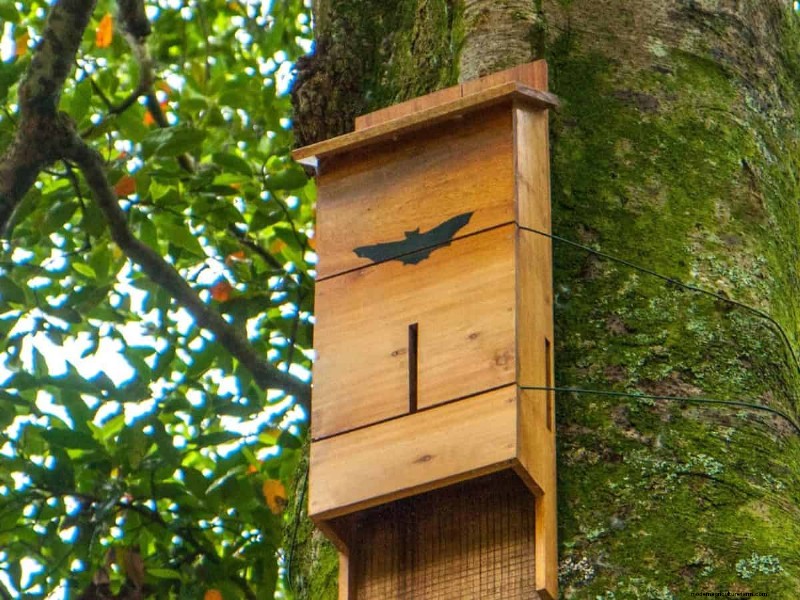
Bats get a bad rap, but they’re incredible mosquito-eating machines. A single bat can devour up to 1,000 mosquitoes in just one hour. With colonies often numbering in the hundreds, bats provide significant mosquito control while you sleep.
Install a bat house 12-20 feet high on a pole or building with southern exposure. Locate it near water sources but away from bright lights. The best placements receive 6-8 hours of direct sunlight daily and stand near natural water features that attract insects.
 Depositphotos
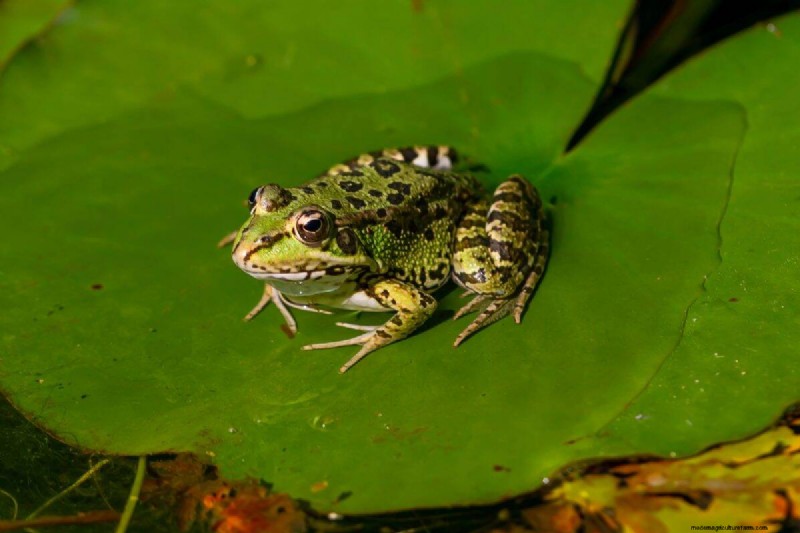
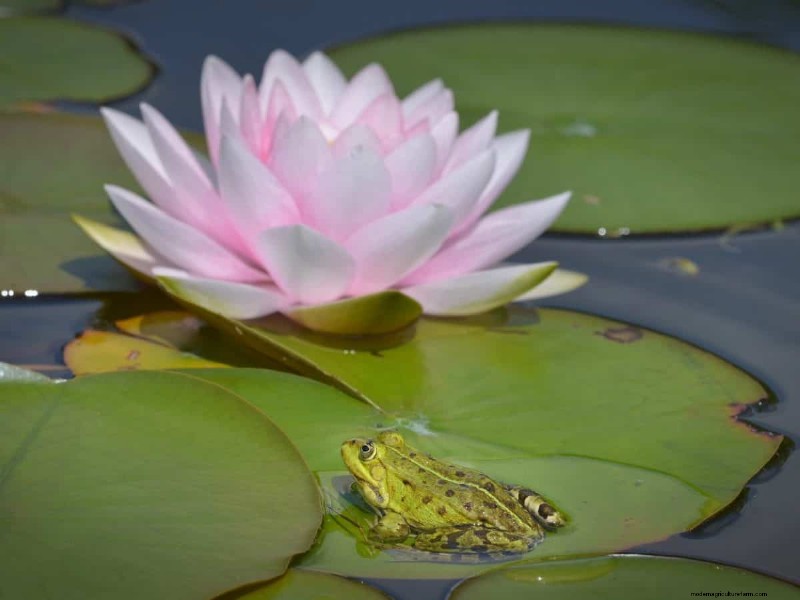
Frogs and toads are excellent additions to any garden mosquito defense system. These amphibians consume large quantities of adult mosquitoes and other insects. Tadpoles also help by feeding on algae and organic matter that mosquito larvae might otherwise eat.
Create frog-friendly habitats by adding a small pond with gently sloping sides and plenty of nearby vegetation for shelter. Avoid using pesticides in your garden, as amphibians have permeable skin that makes them particularly vulnerable to chemical exposure.
 Depositphotos
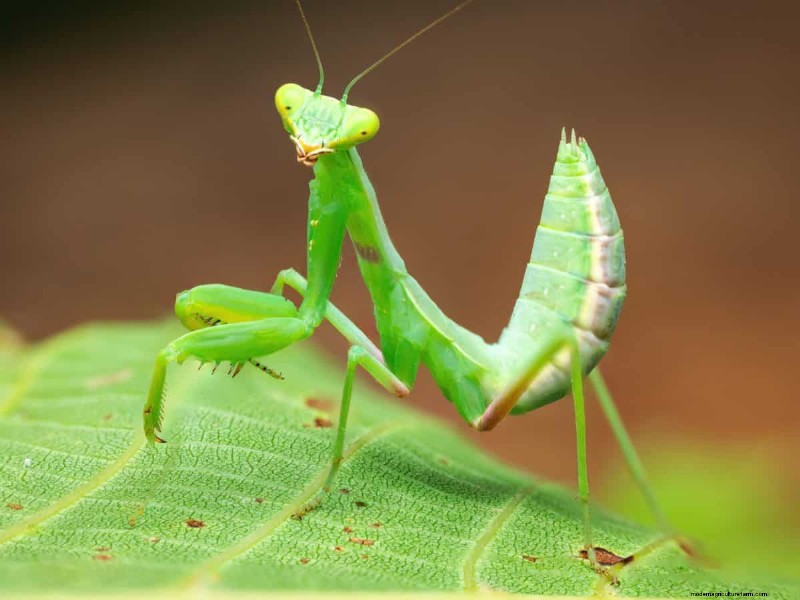
Praying mantises are skilled predators that catch mosquitoes and many other insects with their lightning-fast front legs. These beneficial insects can help control mosquito populations while adding fascinating wildlife watching opportunities to your garden.
Attract mantises by planting diverse flowering plants and avoiding pesticides. You can also purchase mantis egg cases in spring from garden centers. Once hatched, the young mantises will disperse throughout your garden and begin hunting immediately.
 Depositphotos
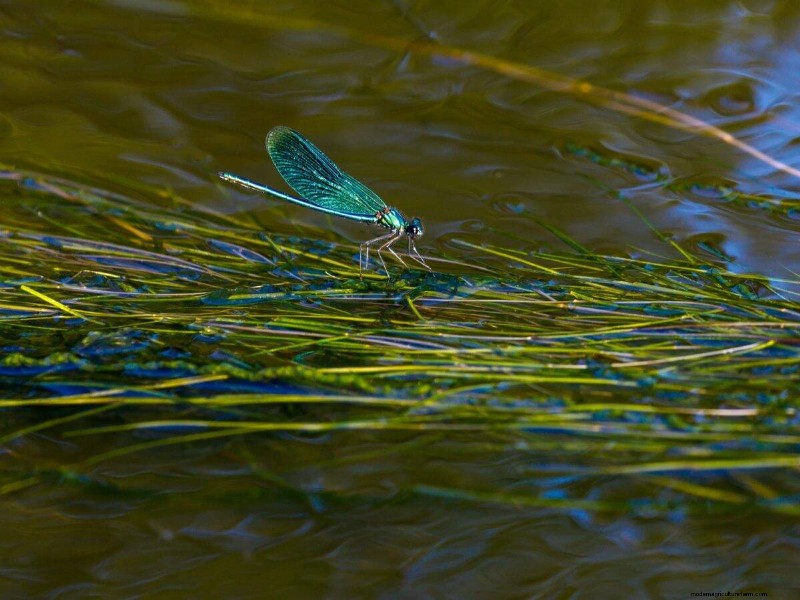
Closely related to dragonflies, damselflies are equally efficient mosquito predators. Their slender bodies and delicate appearance belie their predatory nature. Both adults and aquatic nymphs feed heavily on mosquitoes and their larvae.
Create damselfly habitat by maintaining clean water features with plenty of aquatic plants. Unlike dragonflies, damselflies prefer areas with more vegetation and calmer water. Adding floating plants like water lilies provides perfect perching spots for these beneficial insects.
 Depositphotos
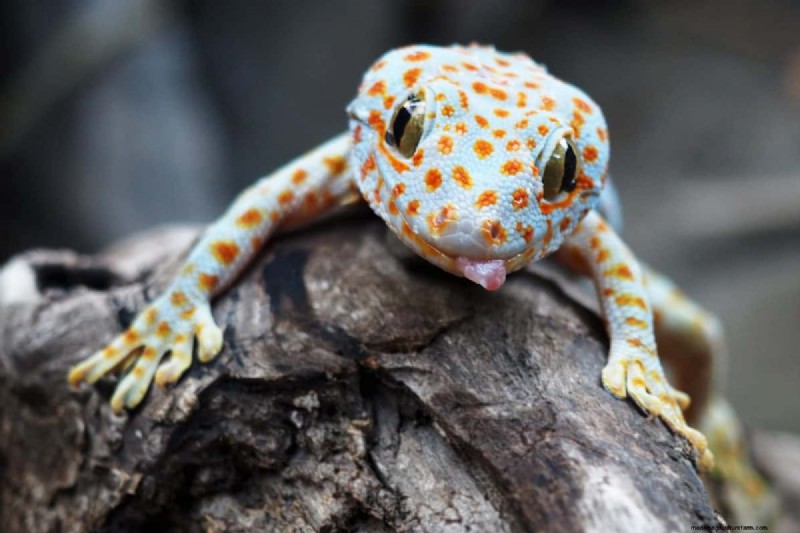
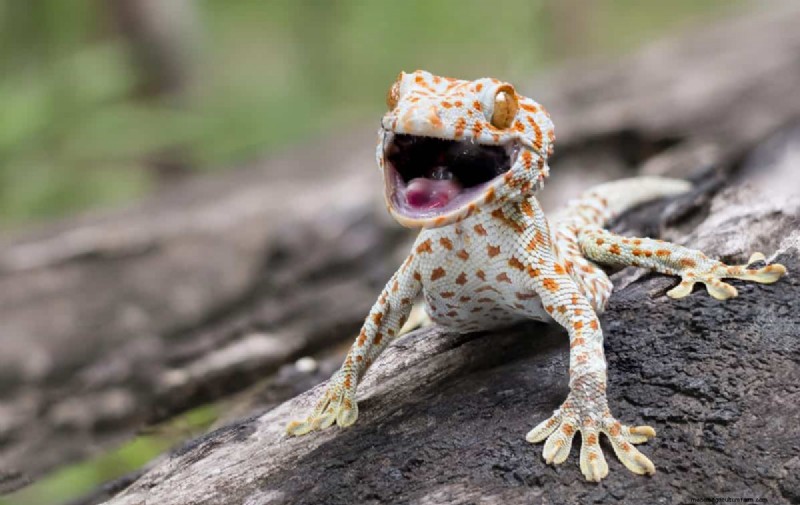
Geckos are natural pest controllers that happily feast on mosquitoes and other small insects. These small lizards are particularly active at night when many mosquito species are most active, making them excellent allies in mosquito management.
Attract geckos by providing rocky areas, wood piles, or specially designed gecko houses. Avoid using chemical pesticides that might harm these beneficial reptiles. In warmer climates, geckos will naturally colonize gardens with suitable habitat and food sources.
 Depositphotos
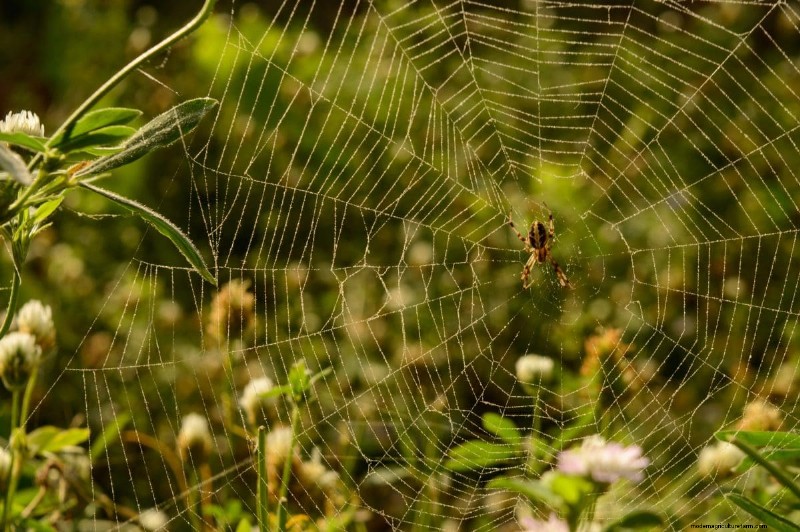
Spiders catch countless mosquitoes in their intricate webs. Garden spiders, jumping spiders, and wolf spiders are particularly effective at reducing mosquito populations. A single web can trap dozens of mosquitoes in just one evening.
Encourage spiders by avoiding unnecessary web removal and limiting pesticide use. Create habitat by maintaining areas of undisturbed vegetation and providing structures like trellises and arbors where spiders can build webs. The more spiders in your garden, the fewer mosquitoes you’ll have buzzing around.
 Depositphotos
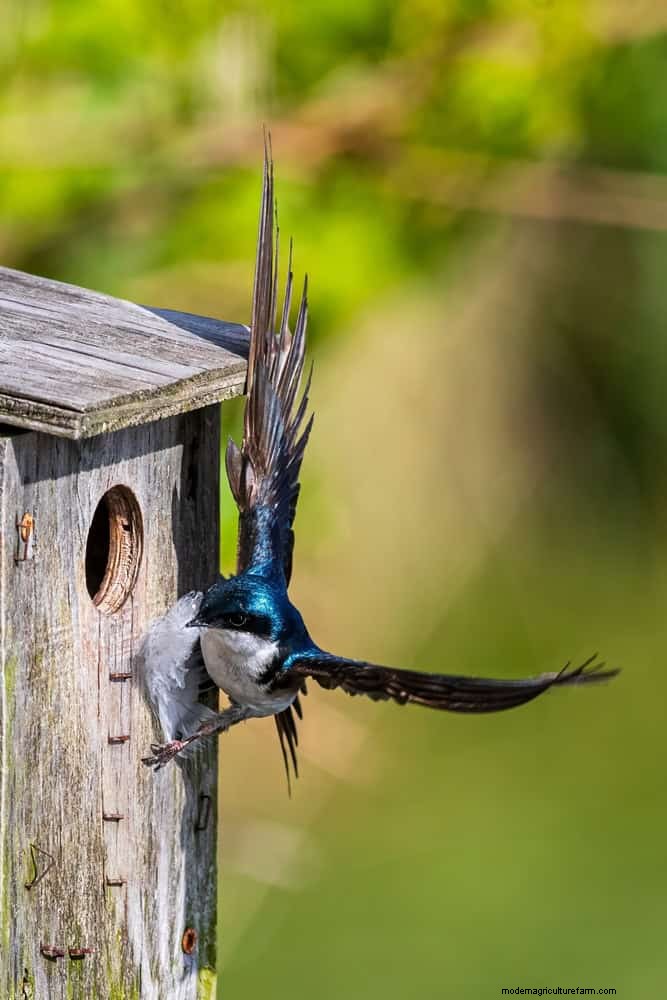
Swallows are aerial insect-catching experts that can consume hundreds of mosquitoes daily. These graceful birds swoop through the air with mouths open, catching mosquitoes and other flying insects on the wing.
Attract swallows by installing nest boxes designed specifically for their needs. Barn swallows and tree swallows are particularly helpful for mosquito control. Provide a mud puddle nearby, as some swallow species use mud to construct their nests.
 Depositphotos
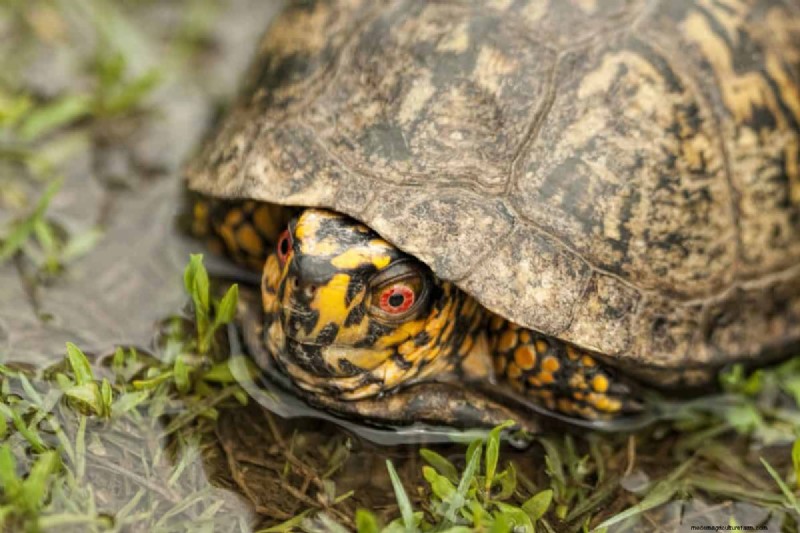
Aquatic turtles help control mosquito populations by feeding on larvae and pupae in water features. Box turtles in garden areas will also consume adult mosquitoes when they can catch them, along with many other garden pests.
Create turtle-friendly habitats by including shallow water areas with basking spots in ponds. For land turtles, provide areas of leaf litter and low vegetation where they can hunt and hide. Always source turtles responsibly, preferably adopting rescue animals rather than collecting from the wild.
 Depositphotos
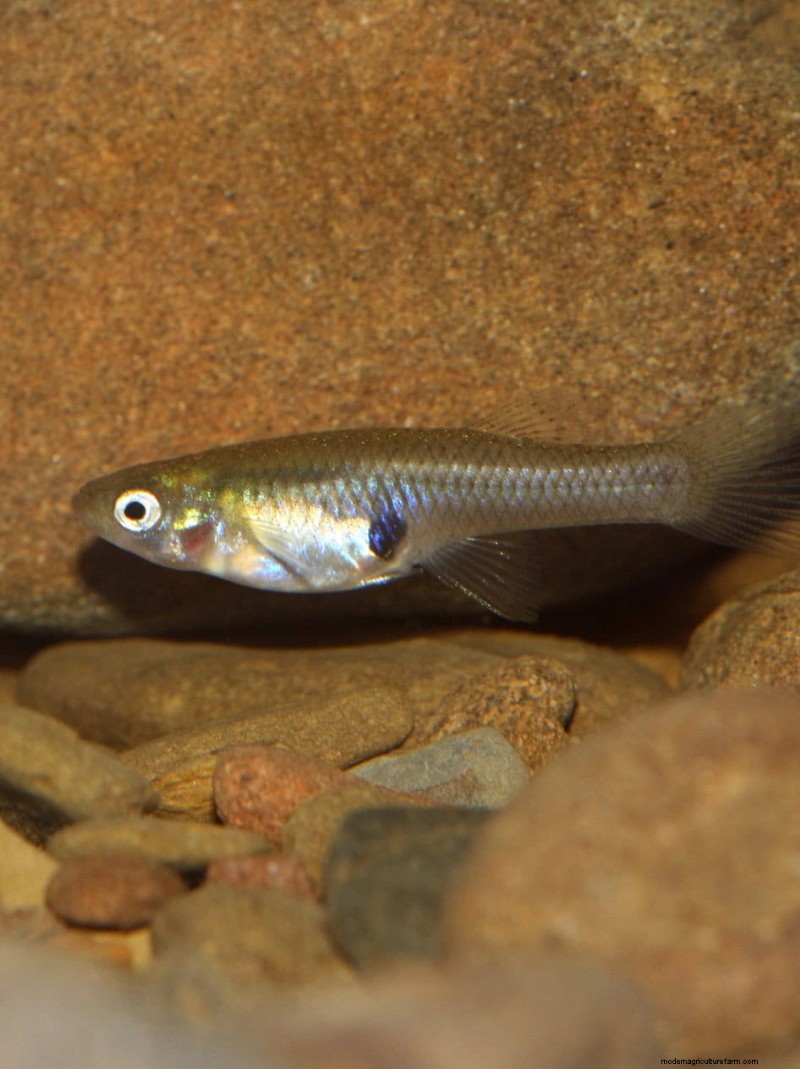
Several fish species excel at mosquito larvae control in water features. Mosquito fish, guppies, goldfish, and koi all consume mosquito larvae and can prevent mosquitoes from breeding in ponds, fountains, and water gardens.
Stock appropriate fish species based on your pond size and climate. Mosquito fish (Gambusia affinis) are particularly effective and can survive in smaller water features. But use caution with this species, as they can become invasive if released into natural waterways.
 Depositphotos
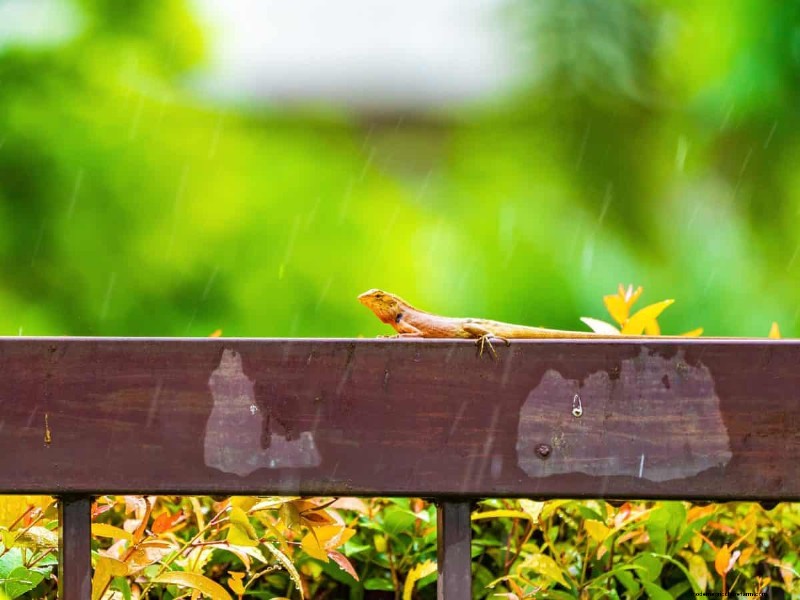
Many lizard species eagerly hunt mosquitoes and other small insects. Fence lizards, anoles, and skinks are all beneficial additions to garden ecosystems and help keep mosquito populations in check throughout the warm months.
Create lizard habitat by including rock piles, logs, and areas of mulch where these reptiles can bask and hunt. Plant dense, low-growing vegetation to provide cover from predators. Lizards thrive in gardens with minimal pesticide use and plenty of insect prey.
 Shutterstock
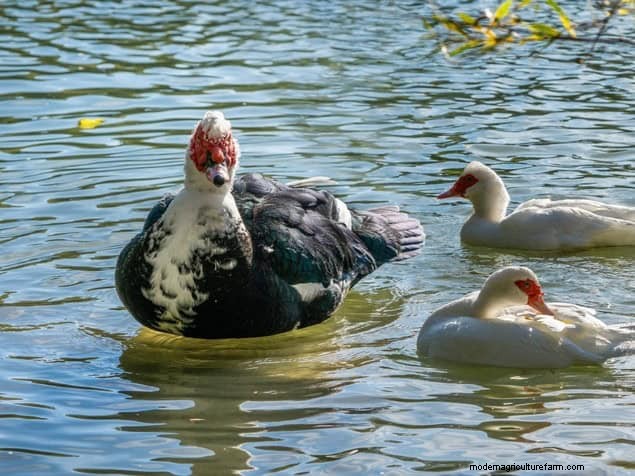
Ducks love to eat mosquitoes and their larvae. Some duck species like Muscovies are particularly adept at catching flying insects. They patrol water areas, consuming mosquito larvae and pupae before they can develop into biting adults.
If you have space for poultry, consider adding a few ducks to your mosquito management plan. They’ll need proper housing, protection from predators, and access to water. Their constant foraging not only reduces mosquitoes but also many other garden pests.
 Depositphotos
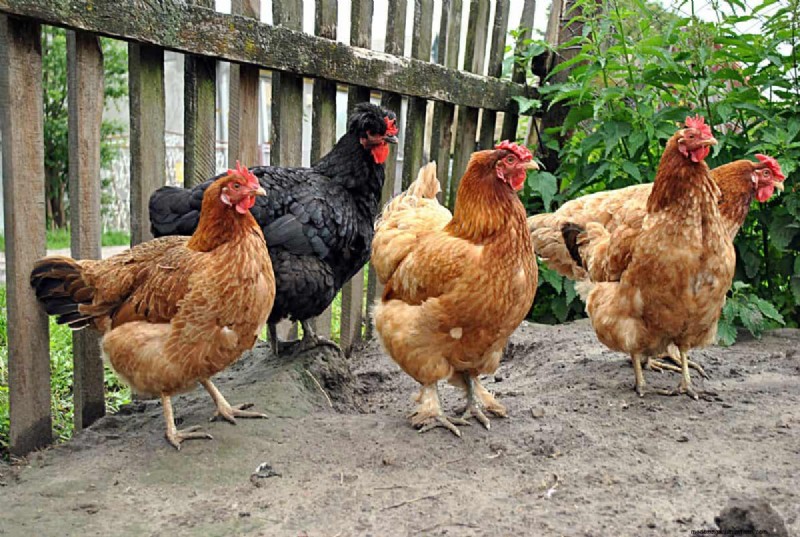
Chickens might not seem like mosquito predators, but they’ll happily catch and eat any mosquitoes they can reach. Free-ranging chickens scratch through mulch and vegetation, finding resting mosquitoes and many other insects throughout the day.
Keep a small flock of chickens in a movable coop to help control insects throughout your garden. Allow supervised free-ranging during the day when mosquitoes often rest in vegetation. The chickens will reduce mosquito populations while providing fresh eggs as a bonus.
 Depositphotos
The most effective mosquito control combines multiple predators working together. Start by eliminating standing water where mosquitoes breed, then add water features designed to support beneficial predators. Include plants that attract helpful insects and birds while creating habitat niches for reptiles and amphibians.
Remember that chemical pesticides can harm these beneficial creatures. Focus instead on enhancing habitat for natural mosquito predators. With patience and proper planning, you can create a balanced garden ecosystem where mosquitoes are kept in check naturally, allowing you to enjoy outdoor spaces with fewer bites and less buzzing.


