
Welcome to Modern Agriculture!

 Depositphotos
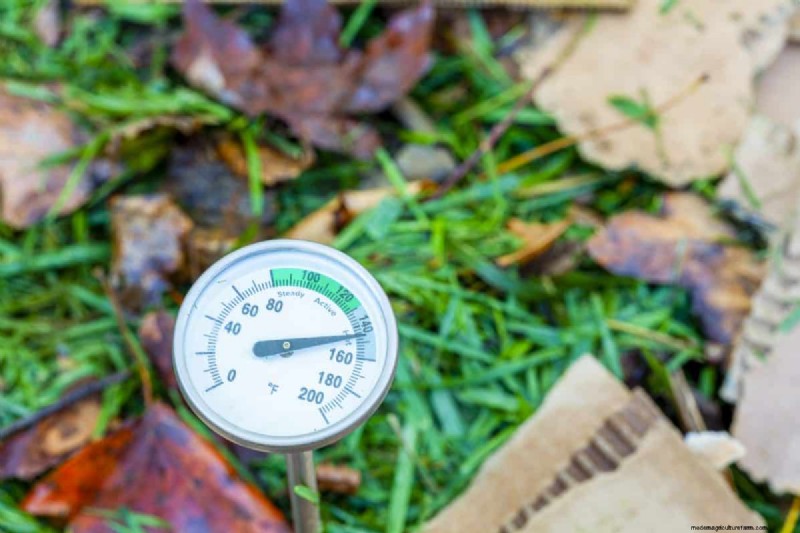
The summer heat can challenge even the most dedicated composters. When temperatures soar, decomposition processes change dramatically, sometimes speeding up too fast or grinding to a halt when moisture evaporates. But don’t worry; with a few adjustments to your composting routine, you can maintain a healthy, productive compost pile even during the hottest months.
Heat waves don’t have to mean compost failure. In fact, with the right techniques, summer can become your most productive composting season. The key lies in understanding how high temperatures affect the decomposition process and making small but crucial adjustments to your methods. Let’s explore practical strategies that will keep your compost thriving when the mercury rises.
 Depositphotos
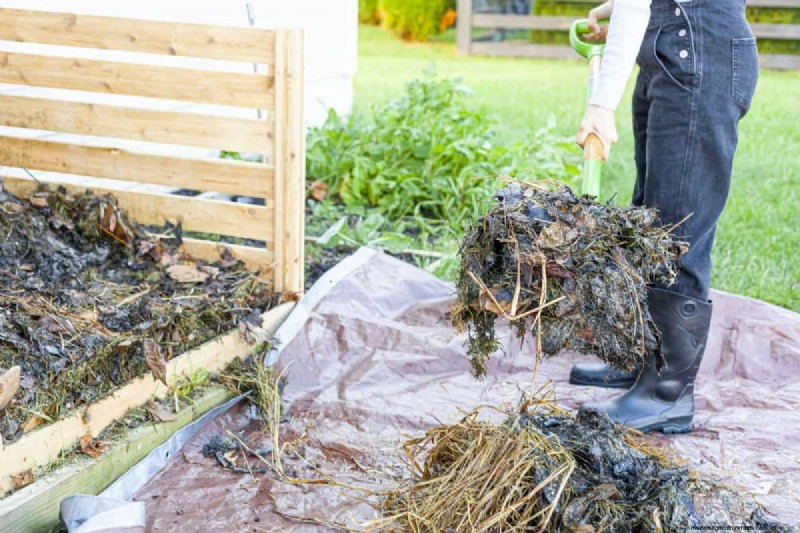
Early morning hours offer the perfect window for compost maintenance during hot weather. Temperatures are at their daily low, often 15-20 degrees cooler than afternoon highs, making outdoor work far more comfortable. The gentle morning light creates ideal conditions to spot issues like dry patches or pest problems that might be missed in harsh midday sun.
Take advantage of dawn’s cooler temperatures to turn your pile, add new materials, or harvest finished compost. Your body will thank you, and so will the beneficial microorganisms in your pile that prefer moderate temperatures. Morning dew can also provide a touch of natural moisture to your pile, helping maintain the optimal 40-60% moisture content without extra watering.
 Depositphotos
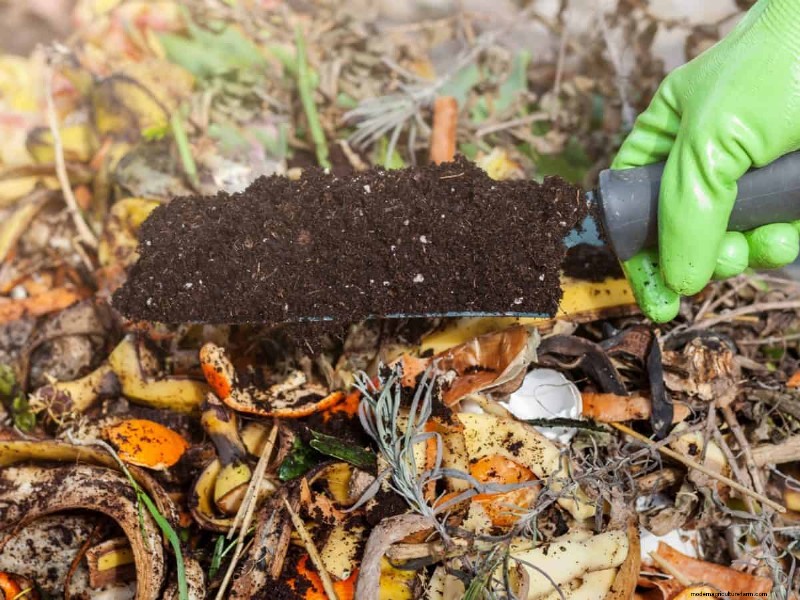
Summer’s heat accelerates decomposition of nitrogen-rich materials like food scraps and fresh grass clippings. These “greens” break down rapidly, potentially creating ammonia odors and attracting unwanted pests. To counter this, increase the proportion of carbon-rich “browns” like dried leaves, shredded paper, or cardboard during hot weather; aim for a 3:1 browns-to-greens ratio rather than the standard 2:1.
Carbon materials create crucial air pockets within your pile and absorb excess moisture that might otherwise create anaerobic conditions. They act as a buffer against extreme heat by insulating the pile’s core where decomposition happens most actively. A handful of soil sprinkled between layers adds beneficial microbes that might otherwise be killed off by excessive heat.
We'll email it to you so you can read it later!
By saving, you agree to receive occasional emails. Unsubscribe anytime.
 Shutterstock
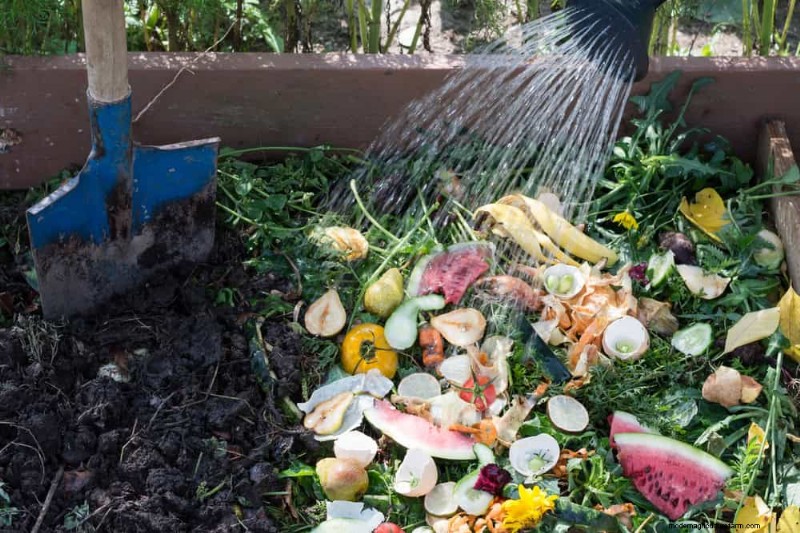
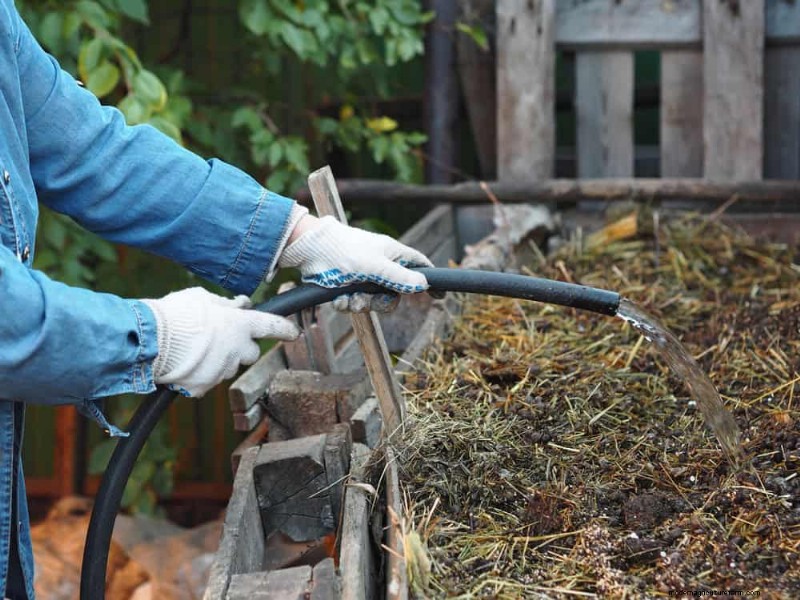
Hot weather can transform a perfectly moist compost pile into a bone-dry heap in just days. When temperatures climb above 90°F, check moisture levels every 2-3 days by squeezing a handful of compost; it should feel like a wrung-out sponge, releasing just a few drops when squeezed. If it feels dry and crumbly, it’s time to add water gradually with a gentle sprinkle rather than a forceful stream.
Consider setting up a simple drip irrigation system using a hose with pinprick holes laid across your pile. This provides slow, consistent moisture that penetrates deeply rather than running off the surface. Early morning or evening watering minimizes evaporation, ensuring the precious moisture reaches the microscopic decomposers doing the real work in your pile.
 Depositphotos
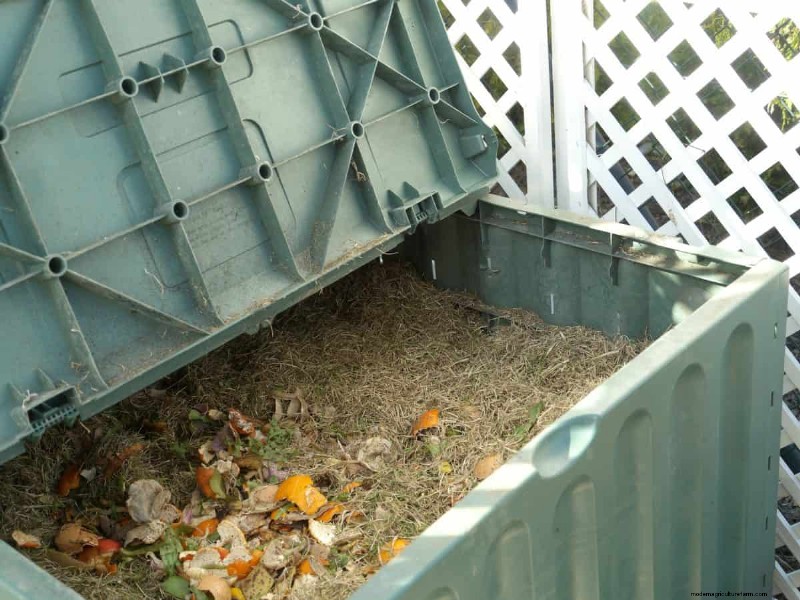
Direct summer sunlight can rapidly dehydrate your compost pile and kill beneficial microorganisms. Creating shade doesn’t require elaborate structures; simply positioning your bin on the north or east side of a fence, shed, or tall plants can provide natural protection during the hottest part of the day. The cooling effect of shade can reduce surface temperatures by up to 25 degrees, preserving critical moisture and microbial activity.
For portable protection, consider stretching shade cloth or an old bed sheet over a simple frame of PVC pipes. Garden centers offer shade cloth in various densities, with 30-40% shade being ideal for compost piles. The material allows airflow while blocking harsh rays, creating the perfect balance between protection and ventilation that compost needs during scorching summer days.
 Depositphotos
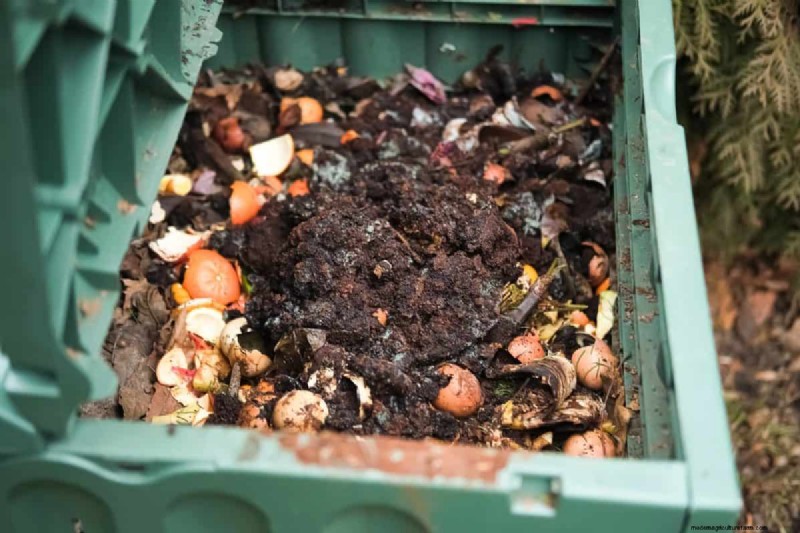
Summer heat activates specialized heat-loving microorganisms called thermophilic bacteria. These powerhouse decomposers thrive in temperatures between 110-150°F, breaking down tough materials like stalks and woody prunings that might languish in cooler conditions. Their accelerated activity can transform fresh materials into usable compost in as little as 3-4 weeks during hot weather; half the time needed in cooler seasons.
To maximize thermophilic activity, build your pile to a minimum size of 3’x3’x3′, which helps retain the heat these bacteria need. Adding a sprinkle of finished compost or garden soil introduces these specialized microbes to fresh material. The distinct earthy smell and slight steam rising from your pile on cool mornings are signs these beneficial heat-lovers are hard at work, speeding decomposition even as outside temperatures climb.
 Depositphotos
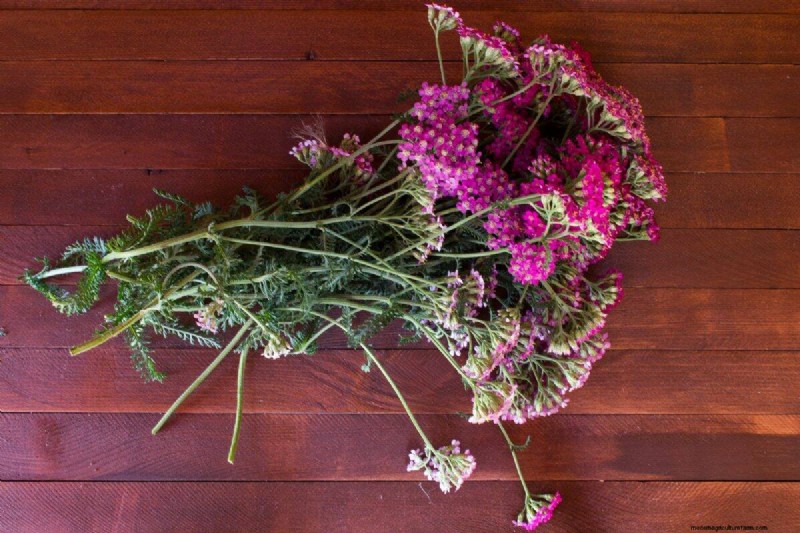
Yarrow (Achillea millefolium) trimmings make excellent additions to summer compost piles. This drought-resistant perennial with feathery, aromatic foliage contains natural antibacterial compounds that actually enhance decomposition. The plant’s hollow stems create valuable air pockets in your pile, improving oxygen flow to microorganisms even as materials compress in the heat.
Beyond yarrow, consider adding other drought-tolerant perennials like lavender (Lavandula spp.) and Russian sage (Perovskia atriplicifolia) trimmings. These plants contain natural oils that slowly break down, releasing nutrients gradually while deterring problematic insects. Their pleasant fragrances can help mask any potential odors from kitchen scraps; a particular concern during hot weather when decomposition odors intensify.
 Depositphotos
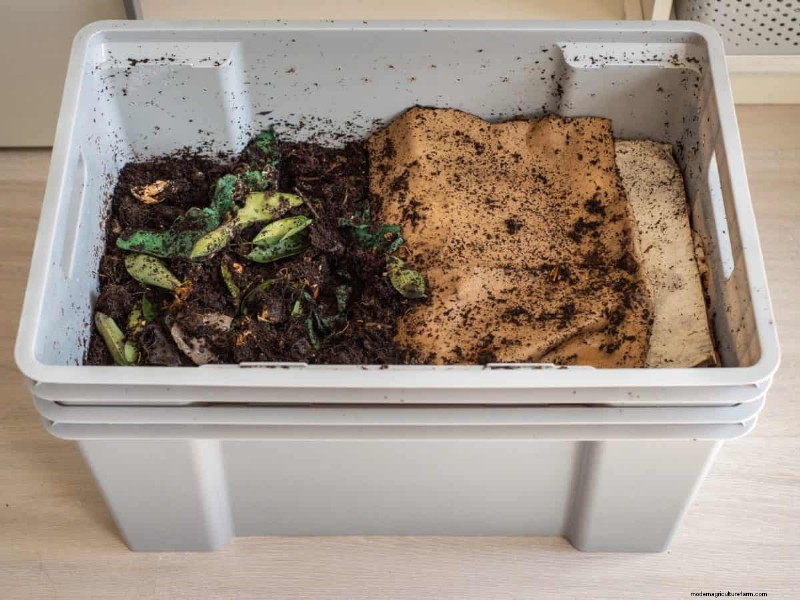
Strategic layering with moisture-retaining materials creates natural reservoirs within your compost pile. Cardboard egg cartons, torn into pieces, can hold up to seven times their weight in water. Similarly, coconut coir, the fibrous material from coconut husks, absorbs and slowly releases moisture while adding valuable carbon to balance nitrogen-rich summer additions like tomato plants and melon rinds.
Aged wood chips (those that have weathered for at least six months) create a protective mulch-like layer that slows evaporation from your pile’s surface. Their spongy texture holds moisture while gradually decomposing, providing long-term food for fungi that break down woody materials. For smaller compost systems, burying a perforated plastic bottle filled with water in the center creates a slow-release moisture reservoir that can sustain beneficial microbes through the hottest days.
 Depositphotos
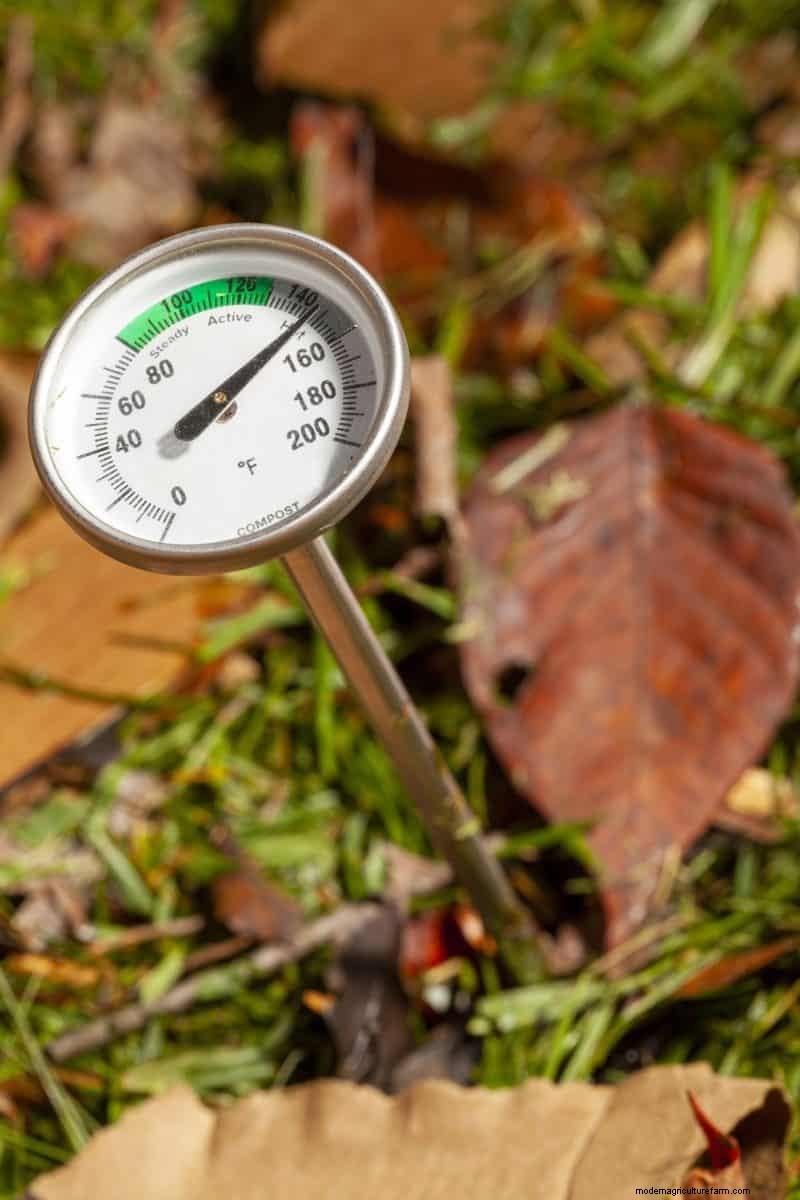
A compost thermometer becomes essential equipment during summer heat waves. These specialized tools, typically 18-24 inches long with a dial or digital display, allow you to track your pile’s internal temperature without disrupting the decomposition process. The ideal hot-weather range is 130-140°F; hot enough for rapid decomposition but not so hot that beneficial organisms die off, which can happen above 160°F.
Check temperatures at different depths and locations within your pile to identify hot spots or cool zones. If readings consistently exceed 150°F, turn the pile to release excess heat and introduce oxygen. If temperatures drop below 120°F despite hot weather, your pile likely needs more nitrogen-rich materials or moisture. The gentle metallic click of withdrawing the thermometer becomes a satisfying ritual, connecting you to the invisible but vital decomposition process happening within your pile.
 Depositphotos
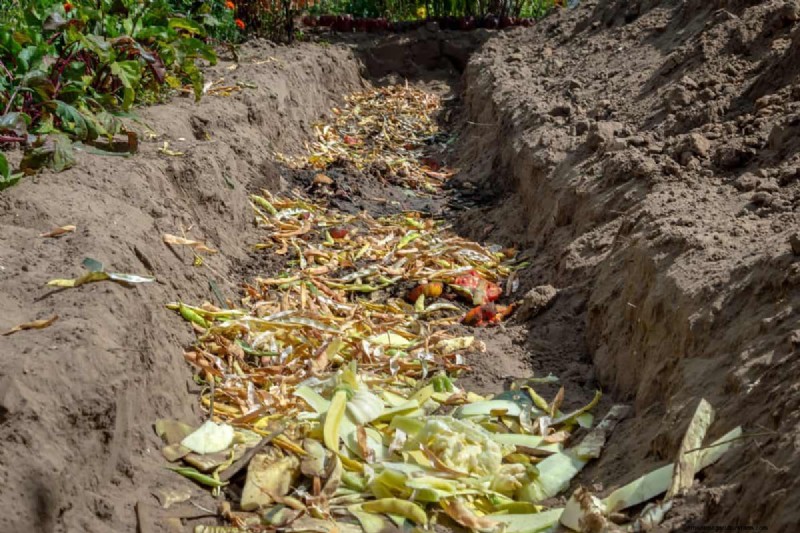
Trench composting offers a heat-resistant alternative to traditional piles by using the earth’s natural insulation. Dig a trench 12-18 inches deep between garden rows or in fallow areas, gradually filling it with kitchen scraps and garden waste. The surrounding soil shields materials from extreme temperatures and preserves moisture, while earthworms and soil microbes quietly transform waste into nutrients without the maintenance traditional composting requires.
This below-ground method eliminates the sun exposure that rapidly dries out above-ground piles. The soil feels cool to the touch even on the hottest days, creating a comfortable environment for decomposers. An added bonus: plants grown in this location the following season send roots directly into this nutrient-rich zone, producing notably vigorous growth. For urban gardens, even a small 1’x1′ trench in a container garden can process summer kitchen scraps while staying safely below the temperature danger zone.
 Depositphotos
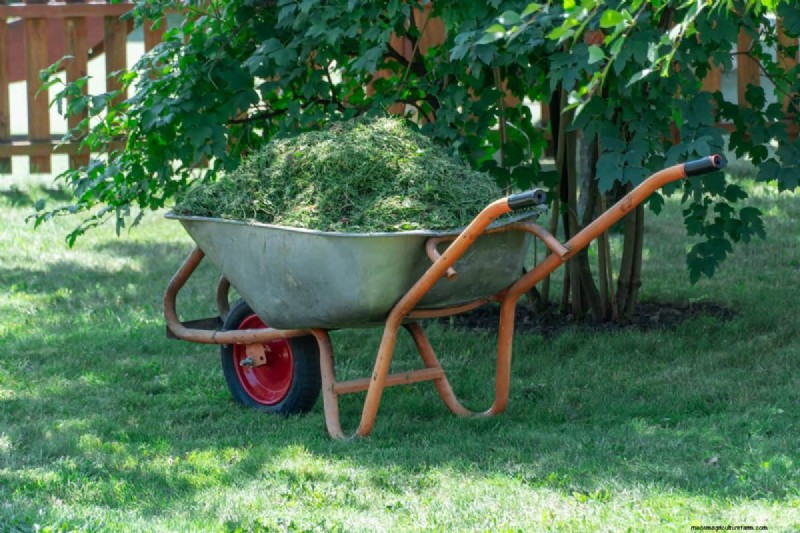
White clover (Trifolium repens) clippings offer an ideal summer nitrogen source for your compost. This common lawn plant forms a symbiotic relationship with bacteria that fix atmospheric nitrogen into a form plants can use. Unlike grass clippings that can mat and create smelly anaerobic pockets in summer heat, clover’s delicate leaf structure breaks down quickly without clumping, introducing valuable nitrogen without the usual pitfalls.
The sweet, honey-like fragrance of fresh clover adds a pleasant note to your compost pile. Beyond nitrogen, clover contains calcium, phosphorus, and potassium; creating a naturally balanced fertilizer input. If you don’t have clover growing in your yard, consider planting patches specifically for compost production; it thrives in partial shade, making it perfect for areas where other nitrogen-producers like vegetables might struggle during intense summer heat.
 Depositphotos
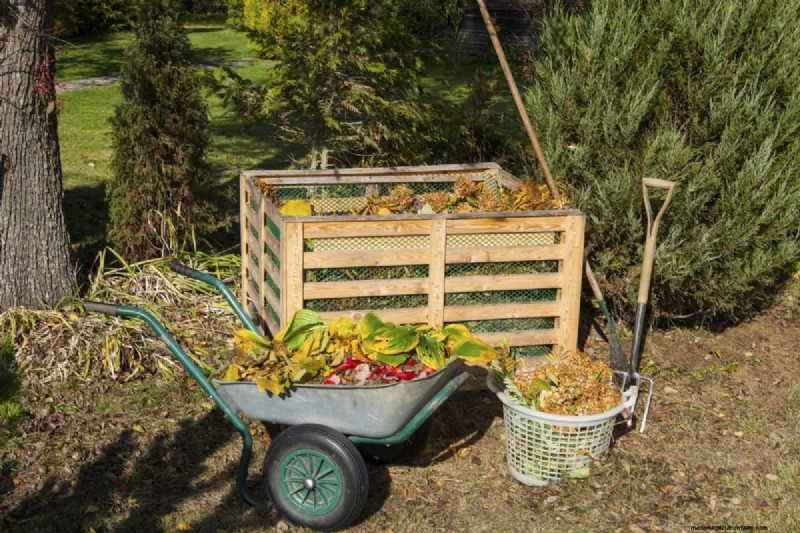
The conventional wisdom of turning compost weekly needs modification during extreme heat. When temperatures soar above 95°F, excessive turning can release too much moisture and disrupt the insulating layers that protect microorganisms. Instead, shift to a responsive turning schedule; only turn when your compost thermometer shows temperatures exceeding 150°F or dropping below 120°F.
When you do turn your pile in hot weather, do so in the early morning when humidity is highest. Use a gentle lifting-and-fluffing motion rather than aggressive mixing to preserve moisture. The compost should make a satisfying soft rustling sound as you turn it, not a dry crackling noise that indicates excessive dryness. Each turn should move materials from the hot core to the cooler exterior, creating even decomposition throughout your pile despite the challenging weather.
 Depositphotos
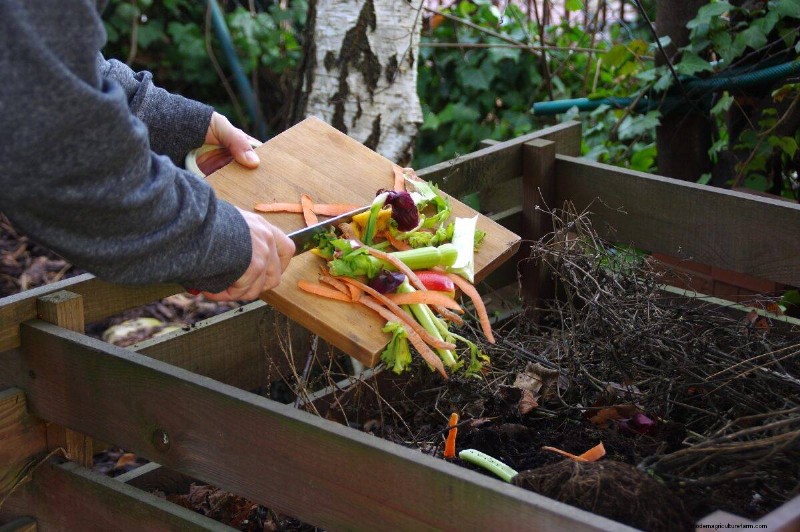
Hot weather calls for a specialized compost recipe that balances quick-decomposing kitchen scraps with materials that resist compaction. Start with a foundation layer of twiggy material like pruned raspberry canes (Rubus idaeus) or thin tree branches; these create crucial air channels that survive even as the pile settles in the heat. The woody aroma of these materials provides a pleasant counterpoint to the sometimes-strong smells of summer decomposition.
Layer in summer-specific nitrogen sources like melon rinds, corn husks, and spent cucumber vines (Cucumis sativus), which contain high water content that helps maintain moisture. Balance these with extra carbon materials like toilet paper tubes, junk mail (shredded), and dried ornamental grasses. This specialized summer blend creates a texture you can feel when turning; light and airy rather than dense and heavy; allowing oxygen to reach microbes even during periods of high heat and rapid decomposition.
 Depositphotos
Bokashi, a fermentation-based composting method originating in Japan, offers an ideal solution for processing summer kitchen waste without odor or pest issues. The process uses beneficial microorganisms to pickle food waste in an airtight container, creating a pre-compost material that breaks down rapidly when buried. The fermented material has a distinctive tangy smell similar to pickles; much preferable to the potential ammonia odors of traditional composting in summer heat.
Unlike conventional composting, bokashi accepts all food waste including meat, dairy, and oils; items that normally attract pests in hot weather. The sealed bucket system prevents flies from accessing materials, while the acidic fermentation environment discourages maggots and other unwanted visitors. After two weeks of fermentation, the resulting material can be buried in garden soil or added to a traditional compost pile where it decomposes with remarkable speed, thanks to the pre-digestion that’s already occurred.
 Shutterstock
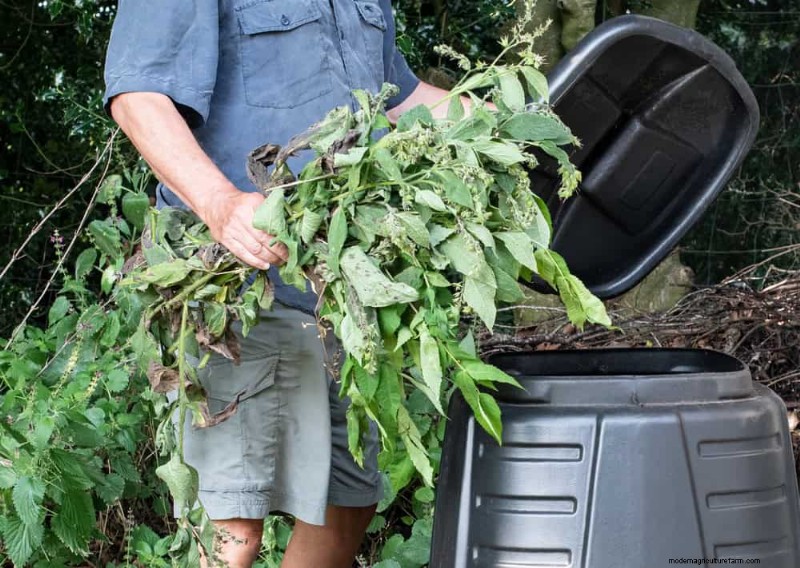
Natural compost activators can jumpstart decomposition when summer heat has dried out your pile. Comfrey (Symphytum officinale) leaves make an exceptional hot-weather activator; their deep roots mine subsoil minerals, while their leaves contain high levels of nitrogen and potassium. The large, fuzzy leaves break down rapidly, releasing a mild sweet-herbal scent as they decompose and creating a surge of microbial activity that can revitalize a stalled pile.
For an even more powerful boost, brew compost tea by soaking finished compost in water for 24-48 hours, then use this microbe-rich liquid to moisten your pile. The bubbling activity visible on the tea’s surface indicates beneficial microorganisms multiplying; these same creatures will colonize your compost pile when applied. Unlike chemical activators, these natural options work in harmony with the existing biology of your pile, accelerating the natural process rather than forcing artificial decomposition.
 Depositphotos
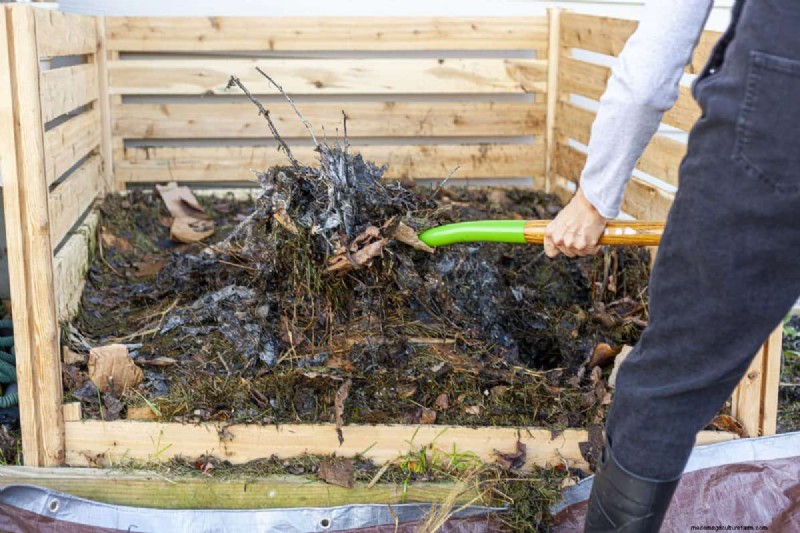
Summer heat can transform raw materials into usable compost in half the time of cooler seasons. Watch for visual cues that your compost is ready for early harvest: materials should be unrecognizable from their original form, with a rich dark brown color and crumbly texture similar to chocolate cake. The earthy aroma, reminiscent of forest soil after rain, signals completion, replacing the sometimes sharper smells of active decomposition.
Even if some larger woody pieces remain, you can harvest the fine material through a simple screening process. The incompletely decomposed chunks can return to your new pile as valuable inoculants full of established decomposer organisms. This partial harvesting strategy keeps your composting system productive through the hottest months. Summer-finished compost often has a lighter, fluffier texture than fall or spring batches, making it perfect for potting mixes or top-dressing heat-stressed plants that need gentle nutrient support.
 Shutterstock
Successful hot-weather composting requires attentiveness rather than more work. By making these seasonal adjustments; composting in the cooler morning hours, adjusting your materials mix, monitoring moisture carefully, and creating appropriate shade; you’ll maintain the living ecosystem within your pile even through the most challenging heat waves. The reward is accelerated decomposition that can actually produce more finished compost during summer than any other season.
Remember that your compost pile is ultimately a habitat for billions of microscopic helpers. When you protect them from extreme heat, they’ll reward you with faster decomposition and nutrient-rich finished compost. These summer-specific techniques don’t just salvage your composting efforts during hot weather; they optimize the process to take advantage of the season’s natural energy. With these approaches, you’ll transform summer’s garden abundance into black gold that nourishes your garden through the seasons ahead.


