Welcome to Modern Agriculture!

 Depositphotos
Gardening in Florida can be a dream with the sunshine and warm climate. But not all plants belong in your garden paradise. Some plants can take over your space, harm local ecosystems, or even cause health problems.
Knowing which plants to avoid will save you time, money, and frustration. Florida’s unique environment makes it especially vulnerable to invasive species that can quickly get out of control. Let’s look at the plants you should keep out of your Florida garden.
 Depositphotos
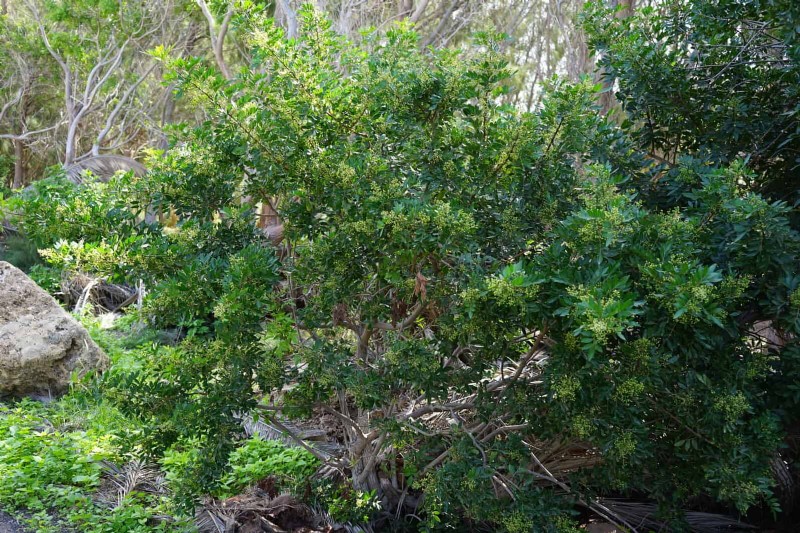
The Brazilian Pepper Tree might look pretty with its bright red berries, but it’s one of Florida’s most aggressive invasive plants. It forms dense thickets that push out native vegetation and take over entire land areas in just a few years.
This tree also causes allergic reactions in many people, similar to poison ivy. The sap and oils can cause skin rashes, and the pollen triggers respiratory problems. Because it’s so destructive, it’s illegal to sell or plant it in Florida.
 Depositphotos
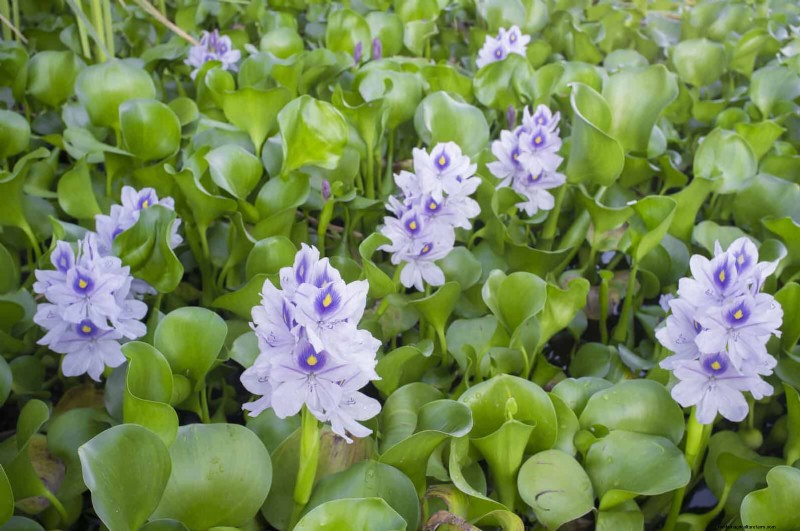
Water hyacinth might have lovely purple flowers, but it’s a nightmare for Florida’s waterways. This floating plant can double its population in just two weeks, quickly covering entire ponds, lakes, and canals with thick mats that block sunlight and oxygen.
Besides choking waterways, water hyacinth traps debris, slows water flow, and creates perfect breeding grounds for mosquitoes. Even a small amount in your garden pond can spread to natural waterways through flooding or improper disposal.
We'll email it to you so you can read it later!
By saving, you agree to receive occasional emails. Unsubscribe anytime.
 Depositphotos
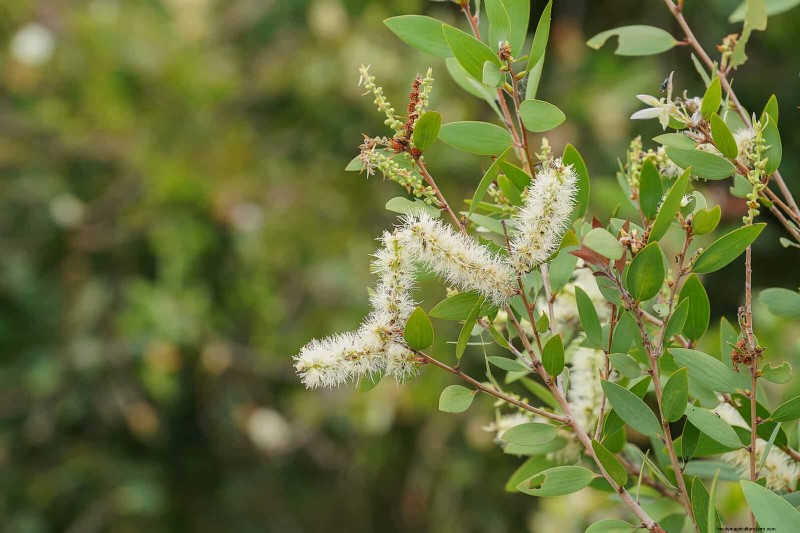
Originally brought to Florida to help drain the Everglades, the Melaleuca has become an ecological disaster. One tree can produce millions of seeds per year, creating dense stands that crowd out all native plants and alter natural habitats.
Melaleuca is also highly flammable and changes the natural fire patterns in Florida ecosystems. The oils in its papery bark and leaves contain allergens that can cause respiratory problems and skin irritation for many people.
 Depositphotos
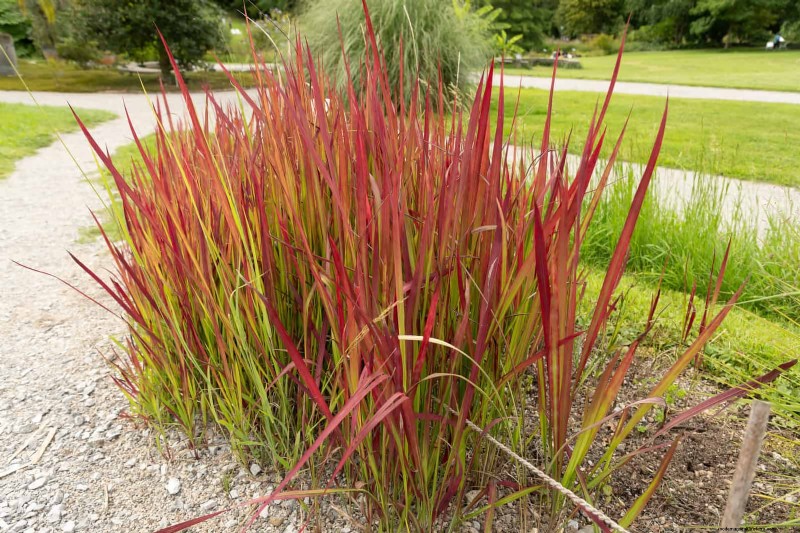
Cogongrass looks like an ordinary tall grass, but it’s anything but ordinary in its destructive capabilities. Its sharp-edged leaves and underground rhizomes form thick mats that prevent other plants from growing and can even damage tree roots.
This grass is also highly flammable, burning hotter and faster than native grasses. It regrows quickly after fires, while native plants struggle to recover. Once established, cogongrass is nearly impossible to remove and requires professional treatment.
 Depositphotos
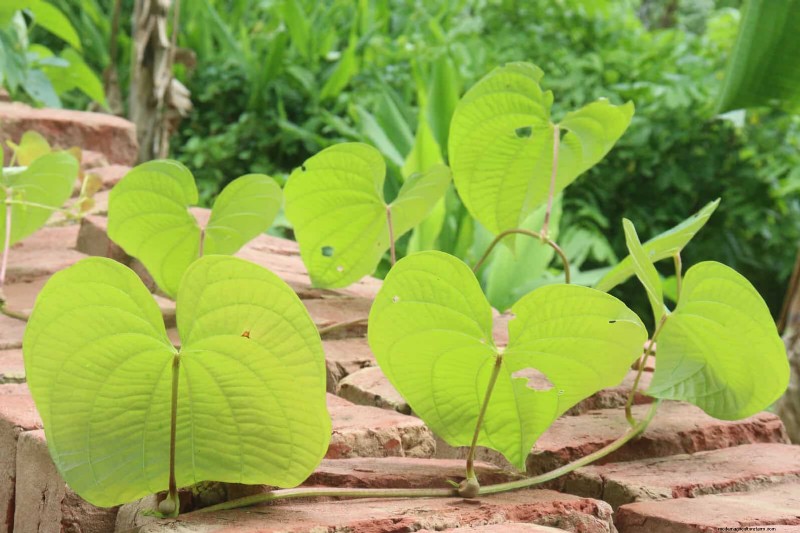
The air potato vine grows incredibly fast, up to 8 inches per day. It climbs over trees and shrubs, blocking their sunlight and eventually killing them with its weight and shade. This aggressive vine produces potato-like tubers that drop to the ground and sprout new plants.
Each vine can produce hundreds of these “air potatoes” annually, making it extremely difficult to control. The plant contains compounds that are toxic if ingested, posing risks to people and pets who might mistake the tubers for edible potatoes.
 Depositphotos
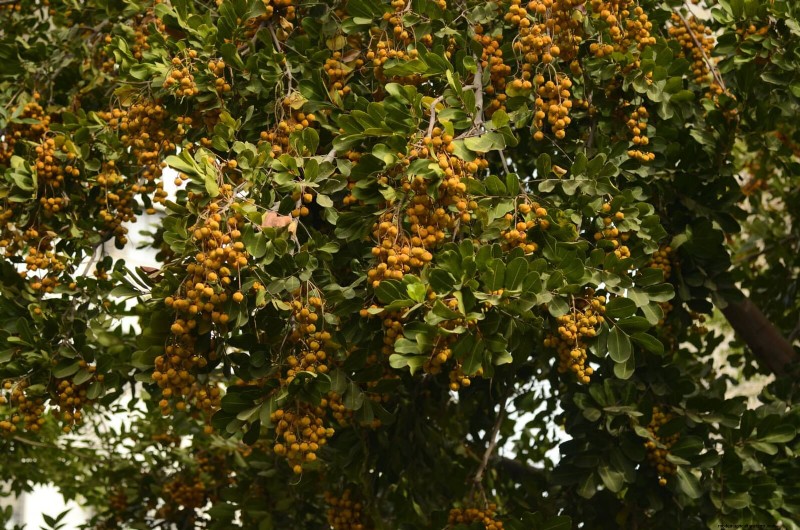
Carrotwood was once a popular landscape tree in Florida because of its dense shade and orange-colored wood. Now it’s recognized as invasive because birds spread its seeds into natural areas where it outcompetes native vegetation.
This Australian native is particularly problematic in coastal areas, where it displaces important mangrove ecosystems. Its dense canopy prevents sunlight from reaching smaller native plants, and its roots alter soil chemistry, making it harder for native species to grow.
 Depositphotos
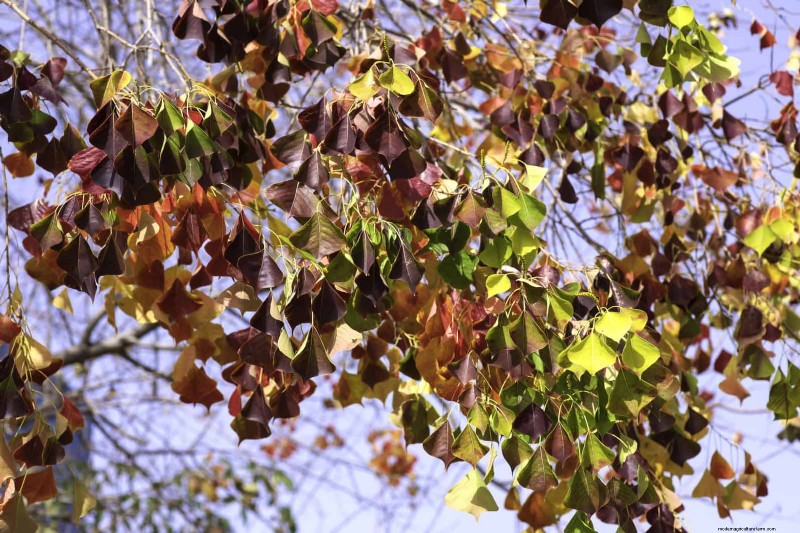
Chinese tallow, also called the popcorn tree, has attractive fall colors and unique seed pods that look like popcorn. Despite its visual appeal, this tree produces thousands of seeds that birds spread widely, creating new infestations miles away from parent trees.
The sap is toxic to humans and animals, and the tree’s leaves release chemicals that prevent other plants from growing nearby. One tree can produce 100,000 seeds annually, each capable of remaining viable in the soil for years.
 Depositphotos
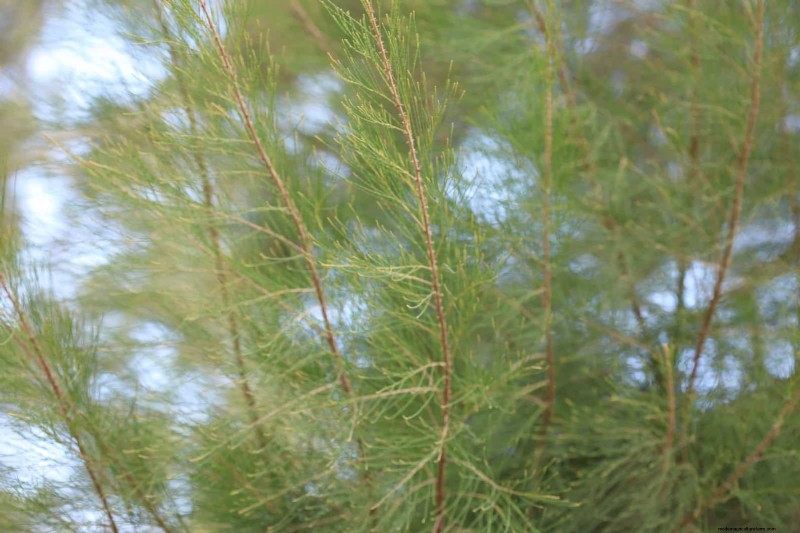
Australian pine isn’t actually a pine tree but gets its name from its pine-like appearance. It grows quickly in poor soils and coastal areas, making it seem like a good choice for Florida landscapes. But it produces dense shade and thick needle-like debris that prevents other plants from growing.
This tree has shallow roots and is prone to toppling during hurricanes and storms. It also disrupts sea turtle nesting on beaches and alters soil chemistry with compounds that inhibit native plant growth.
 Shutterstock
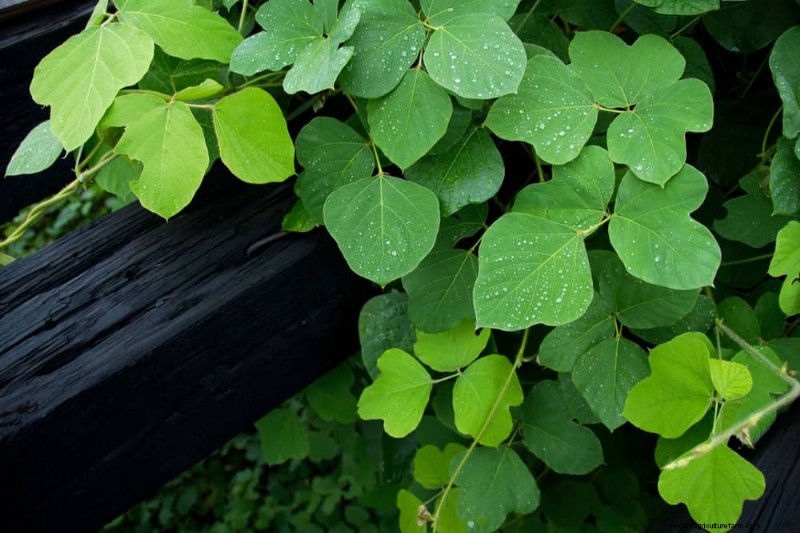
Kudzu earned the nickname “the vine that ate the South” for good reason. This aggressive climber can grow up to a foot per day, completely covering trees, buildings, and anything else in its path. Its weight can break tree limbs and even pull down utility poles.
Once established, kudzu develops massive root systems that can weigh hundreds of pounds, making removal extremely difficult. A single patch can spread to cover acres within a few growing seasons, completely transforming landscapes and destroying native habitats.
 Depositphotos
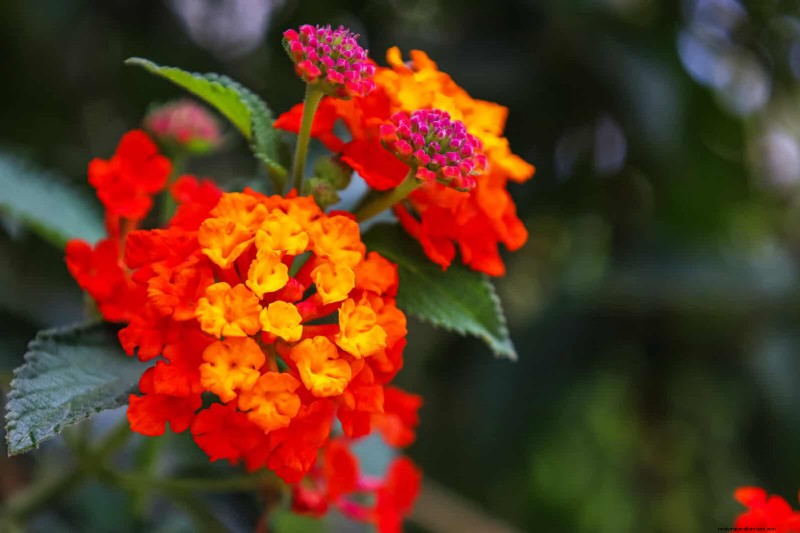
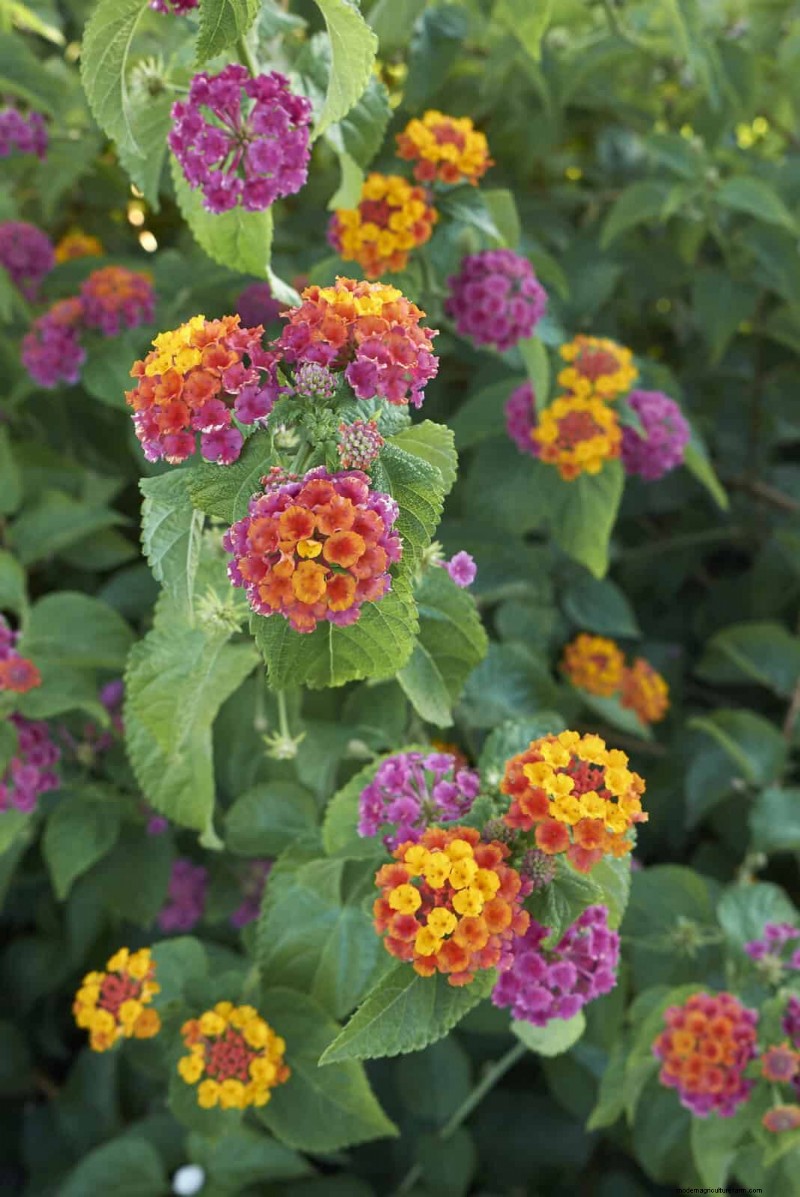
Lantana’s colorful flowers attract butterflies and seem like a perfect garden plant. However, the invasive varieties escape cultivation and form dense thickets in natural areas. The wild type produces berries that birds spread widely, creating new infestations far from the original plants.
All parts of lantana contain toxins that can cause liver failure if ingested by people or pets. The leaves also cause skin irritation in many people. Look for sterile, non-invasive lantana varieties if you want this plant in your garden.
 Depositphotos
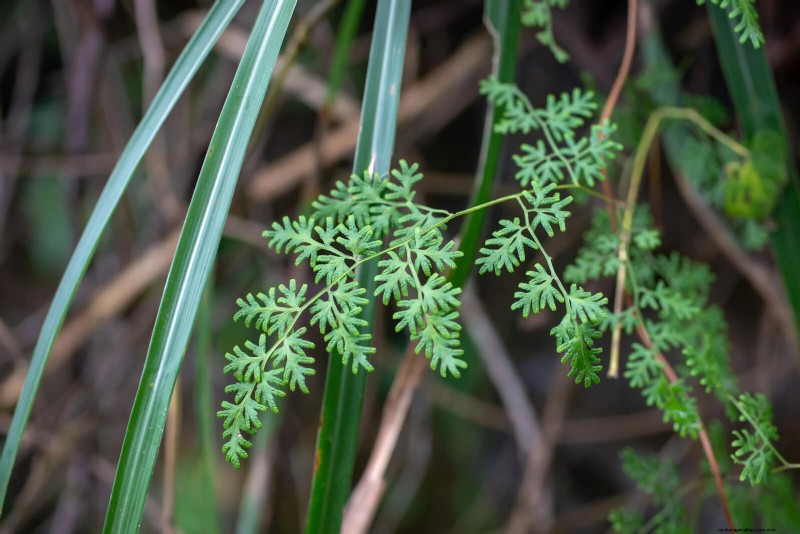
Japanese climbing fern looks delicate with its lacy fronds, but it’s a tough invader that can climb 90 feet high. It forms dense mats that smother trees and shrubs underneath. The fine spores spread easily by wind, making it difficult to control their spread.
This fern creates “fire ladders” in forests by growing tree trunks, allowing ground fires to reach the tree canopy. It regrows quickly after fires from underground rhizomes, giving it an advantage over native plants that recover more slowly.
 Homer Edward Price, CC BY 2.0, via Wikimedia Commons
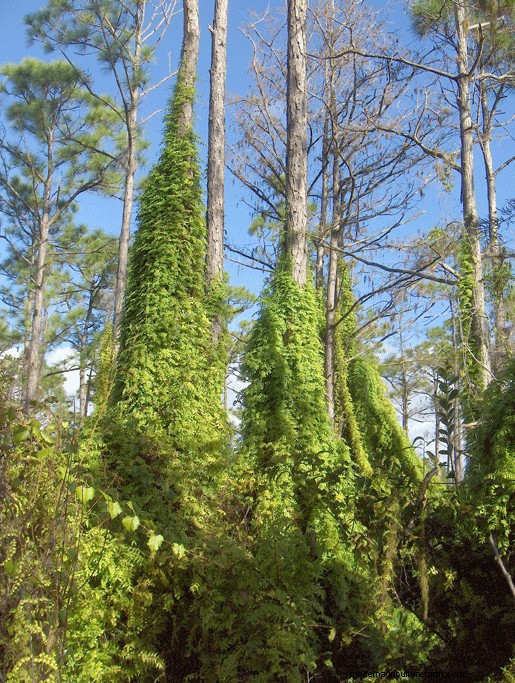
Like its Japanese cousin, Old World climbing fern blankets entire areas of vegetation. It’s particularly problematic in the Everglades, where it grows over cypress trees and other wetland plants. One plant can produce billions of spores, traveling miles on wind currents.
This fern grows so densely that it can completely alter habitats, blocking light and changing water flow patterns in wetlands. Once established, it’s nearly impossible to remove manually because any tiny piece left behind can regrow into a new plant.
 Depositphotos
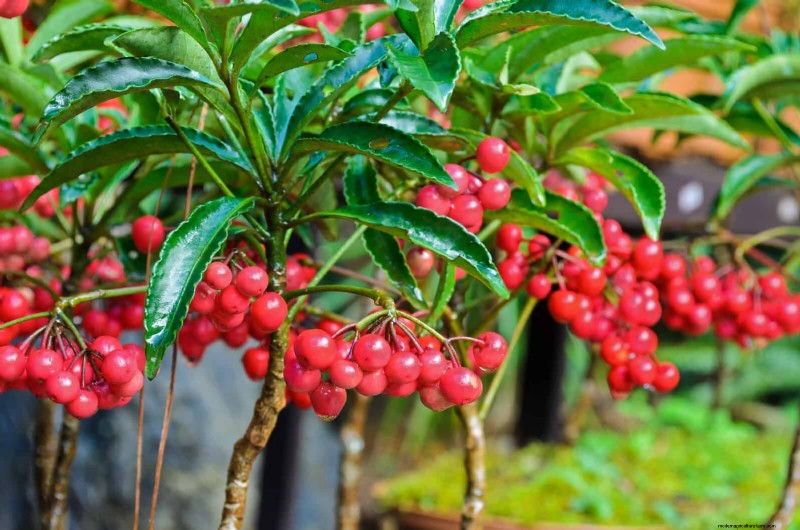
Coral ardisia was introduced as an ornamental shrub because of its glossy leaves and bright red berries. Those attractive berries are part of the problem, as birds eat them and spread the seeds into natural areas. The plant forms dense stands in forest understories where little else can grow.
This shrub stays green year-round and tolerates deep shade, giving it advantages over native plants in forested areas. A single plant can produce thousands of seeds annually, and seedlings can thrive even in undisturbed forests.
 Depositphotos
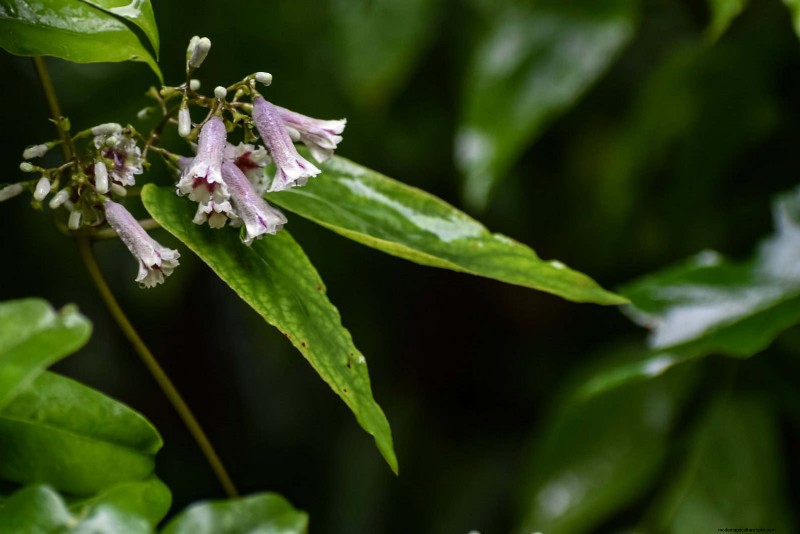
Skunk vine earned its name from the unpleasant odor it releases when the leaves or stems are crushed. This fast-growing vine can cover large areas quickly, climbing high into tree canopies and forming dense mats that smother other vegetation.
Once established, skunk vine is difficult to control because it reproduces by seed and rooting at nodes along the stems. Even small fragments left after removal efforts can regrow into new plants, making complete eradication challenging.
 Depositphotos
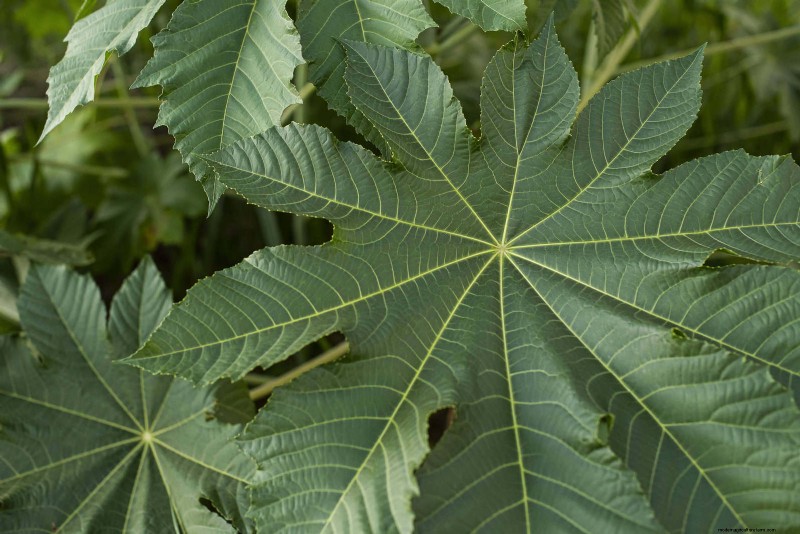
The castor bean plant has dramatic, tropical-looking foliage that tempts gardeners. But this plant contains ricin, one of the most toxic natural substances known. Just one or two seeds can be fatal if chewed and swallowed by children or pets.
Beyond its toxicity, castor bean plants spread easily and can form thickets in disturbed areas. The seeds can remain viable in soil for years, making it difficult to eliminate once established in an area.
 Depositphotos
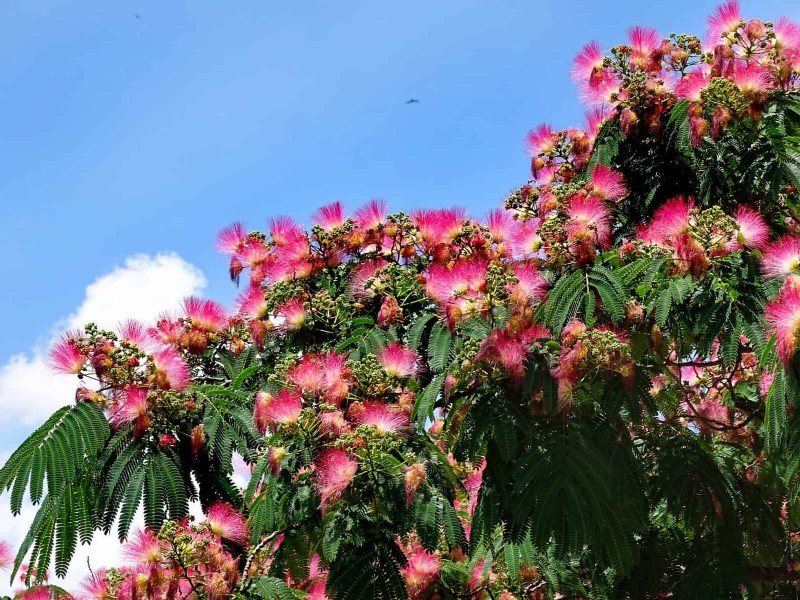
The mimosa tree, with its fluffy pink flowers and feathery foliage, seems like a lovely addition to any landscape. But this tree produces abundant seeds that germinate readily, allowing it to spread into natural areas where it displaces native trees and shrubs.
Mimosa is short-lived but produces thousands of seeds that remain viable in the soil for many years. It’s also susceptible to mimosa wilt, a fungal disease that kills the trees but doesn’t eliminate the seedbank in the soil, resulting in sickly trees that continue to spread.
 Depositphotos
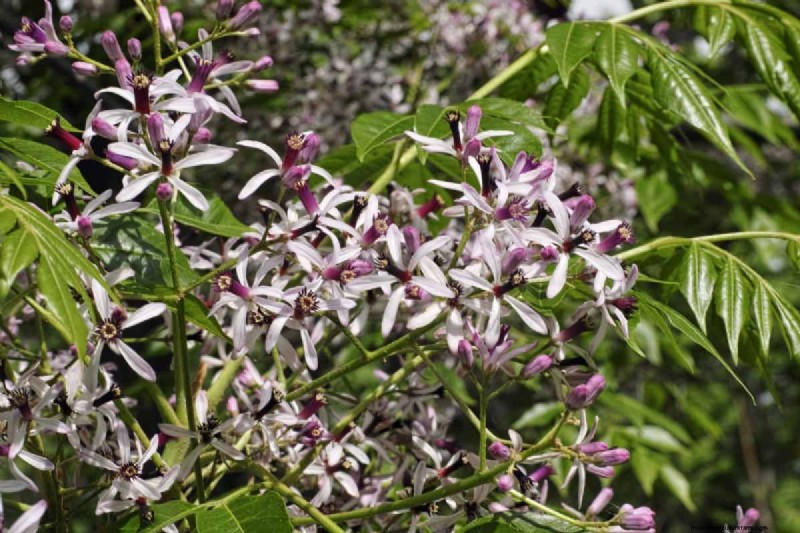
Chinaberry trees produce fragrant lilac flowers and yellowish berries that birds love to eat. Unfortunately, those berries are toxic to humans and many animals. Birds spread the seeds widely, creating new infestations in natural areas.
This tree grows quickly and creates dense shade that prevents native plants from growing underneath. It also produces chemicals that inhibit the growth of other plants nearby, giving it a competitive advantage in any area it invades.
 Depositphotos
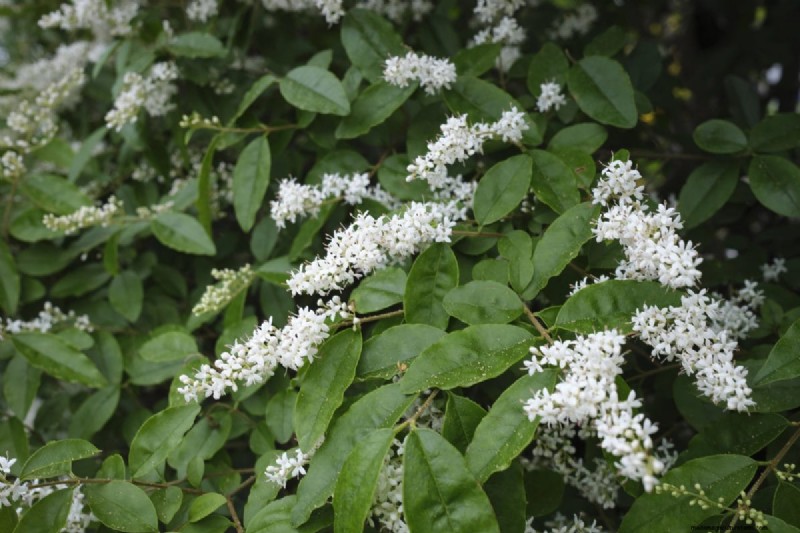
Chinese privet was widely planted as a hedge but escaped cultivation to become a serious forest invader. It forms dense thickets in forest understories, preventing the growth and regeneration of native trees and shrubs.
Birds spread the small blue-black fruits into natural areas. Once established, privet is difficult to control because it vigorously sprouts from the roots when cut. Its pollen is also highly allergenic, contributing to seasonal allergies for many people.
 MrPanyGoff, CC BY-SA 3.0, via Wikimedia Commons
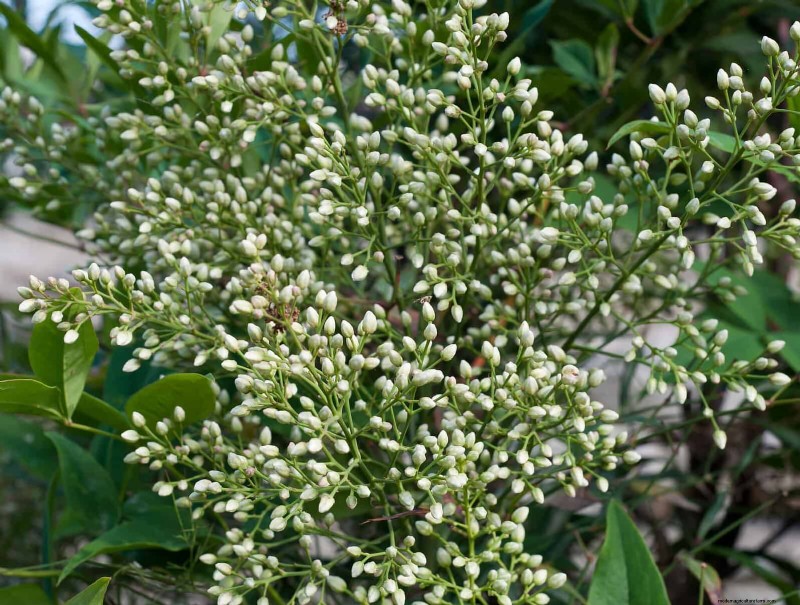
Nandina, or heavenly bamboo, seems like the perfect low-maintenance shrub with year-round interest from its foliage and bright red berries. But those berries contain cyanide compounds that are toxic to birds, and birds spread the seeds into natural areas.
This plant is particularly problematic because it can grow in full sun or deep shade and adapts to almost any soil condition. It forms dense colonies that exclude native vegetation and is difficult to remove once established due to its persistent root system.
 Depositphotos
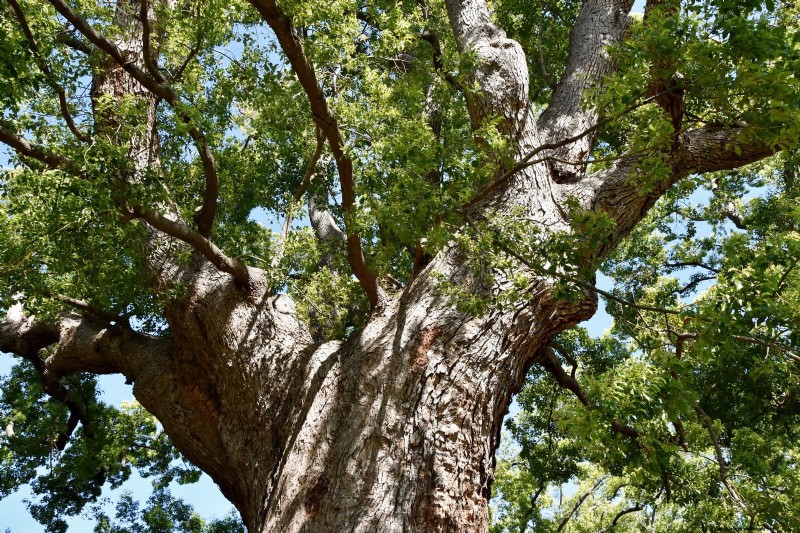
Camphor trees were originally brought to Florida for camphor production and as shade trees. They grow into massive specimens with extensive root systems that damage sidewalks, foundations, and underground utilities.
These trees produce thousands of seeds that birds disperse widely. All parts of the plant contain camphor oil, which can cause respiratory irritation and is toxic if ingested in quantity. The leaf litter changes soil chemistry and prevents many native plants from growing nearby.
 Depositphotos
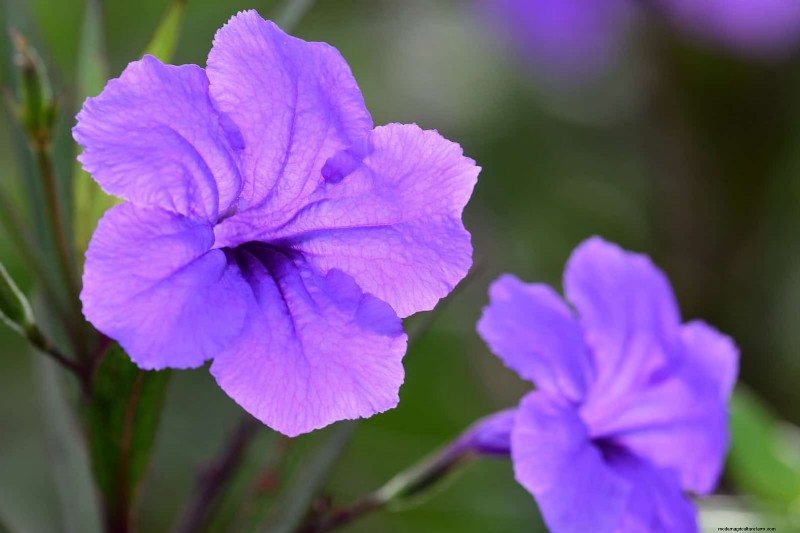
Mexican petunia produces beautiful purple flowers almost year-round in Florida, making it seem like an ideal garden plant. However, it spreads aggressively, both through seeds that explode from the pods and underground rhizomes that extend far from the parent plant.
Once established, Mexican petunia forms dense stands that exclude native vegetation. Each plant can produce thousands of seeds annually, and the seeds remain viable in the soil for years. Look for sterile cultivars if you want this plant’s beauty without the invasive tendencies.
 Depositphotos
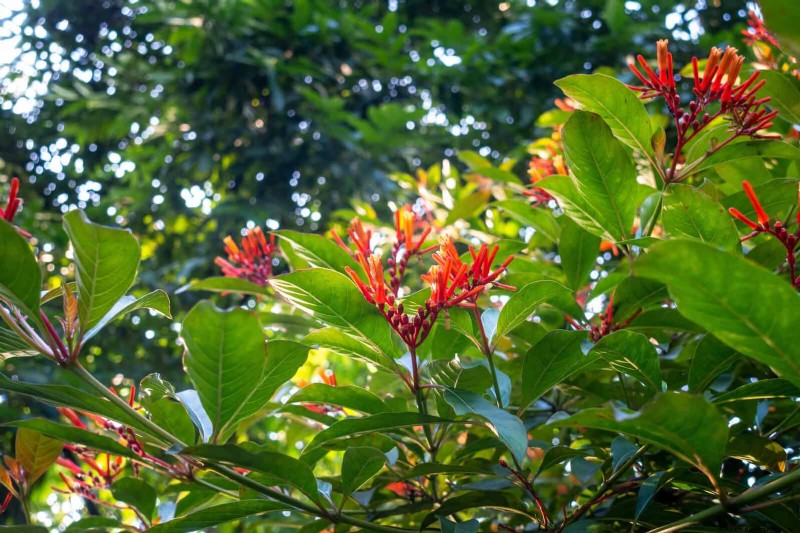
Instead of these problematic plants, consider native Florida species that provide the same benefits without the drawbacks. Native plants like firebush, Fakahatchee grass, and beautyberry offer color, texture, and wildlife benefits while supporting Florida’s natural ecosystems.
By avoiding these 21 troublemakers, you’ll create a garden that’s not only beautiful but also environmentally responsible. Your local extension office can suggest native alternatives that will thrive in your specific Florida region with minimal care and maximum benefits.
Go native for a beautiful, eco-friendly yard using 25 Native Plants That Boost Wildlife and Cut Maintenance.


