
Welcome to Modern Agriculture!

 Depositphotos
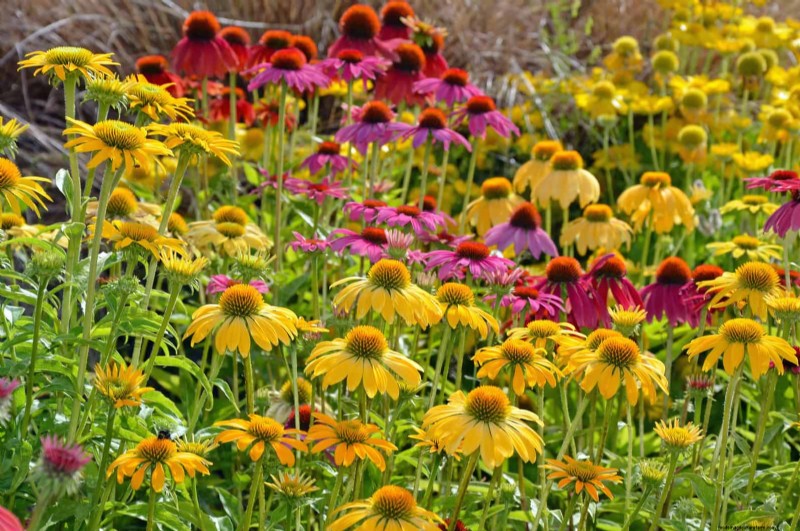
When summer temperatures soar and rainfall becomes scarce, many garden plants wilt under pressure. But there’s good news for heat-challenged gardeners everywhere.
Certain perennials not only survive but actually thrive when the mercury rises, bringing reliable color and texture to gardens year after year without needing replanting.
These heat-tolerant champions have evolved special adaptations, such as silvery foliage, waxy coatings, or deep root systems, that help them conserve moisture and stay vibrant even during scorching weather.
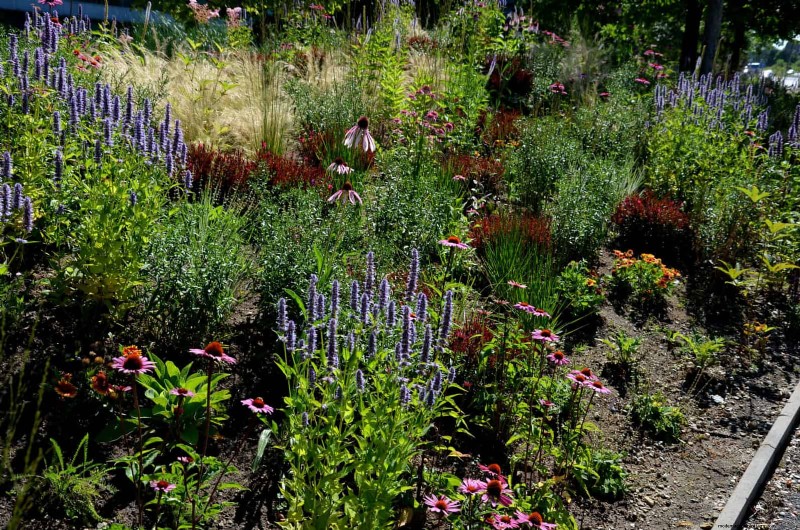
From drought-resistant Mediterranean herbs to prairie natives with impressive heat tolerance, these perennials offer beautiful, low-maintenance options for sunny spots in your landscape.
 Depositphotos
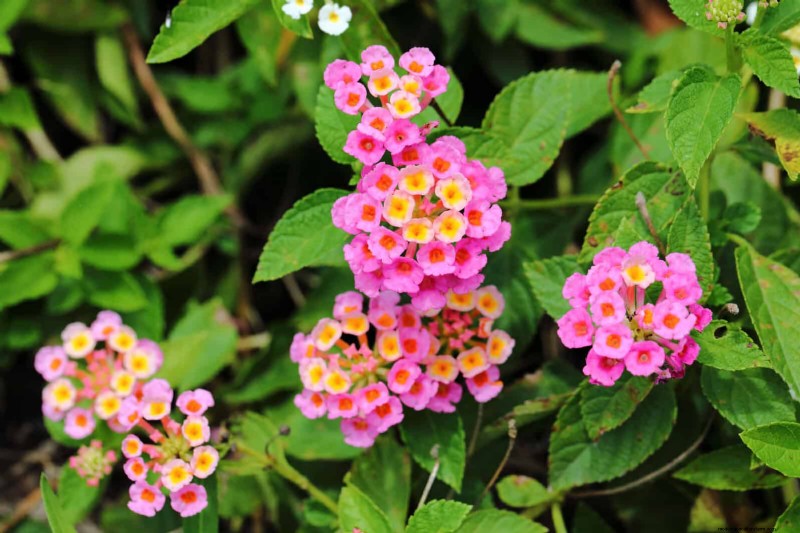
Lantana bursts with clusters of tiny, jewel-toned flowers that transform color as they age, creating a mesmerizing multicolored effect in the garden. The textured, aromatic foliage emits a distinct citrusy scent when brushed against, while the flowers exude a sweet honey fragrance that draws butterflies and hummingbirds from across the neighborhood.
In full sun, lantana blooms continuously from spring until frost without deadheading. This heat-loving perennial thrives in USDA zones 8 to 11 as a woody shrub, while gardeners in cooler regions often grow it annually.
Once established, lantana requires minimal water and tolerates poor soil conditions. Popular varieties include ‘Miss Huff’ for exceptional cold hardiness, the compact ‘Bandana’ series for containers, and the trailing ‘Weeping Lavender’ for hanging baskets or ground cover.
 Depositphotos
The nectar-rich flowers of lantana act as natural feeding stations for pollinators, turning your garden into a wildlife haven during hot summer months.
The plant’s heat resistance actually improves as temperatures climb, making it one of the few perennials that looks better in July and August than in milder months. Even in triple-digit heat, lantana continues producing vibrant flower clusters without missing a beat.
Beyond its ornamental value, lantana is a host plant for certain butterfly species. The berries that form after flowering attract birds, though they’re toxic to humans and pets.
Plant lantana along hot, sunny borders, in xeriscape gardens (landscapes designed to reduce water use), or anywhere that receives reflected heat from pavement or walls.
We'll email it to you so you can read it later!
By saving, you agree to receive occasional emails. Unsubscribe anytime.
Edwardx, CC BY-SA 4.0, via Wikimedia Commons
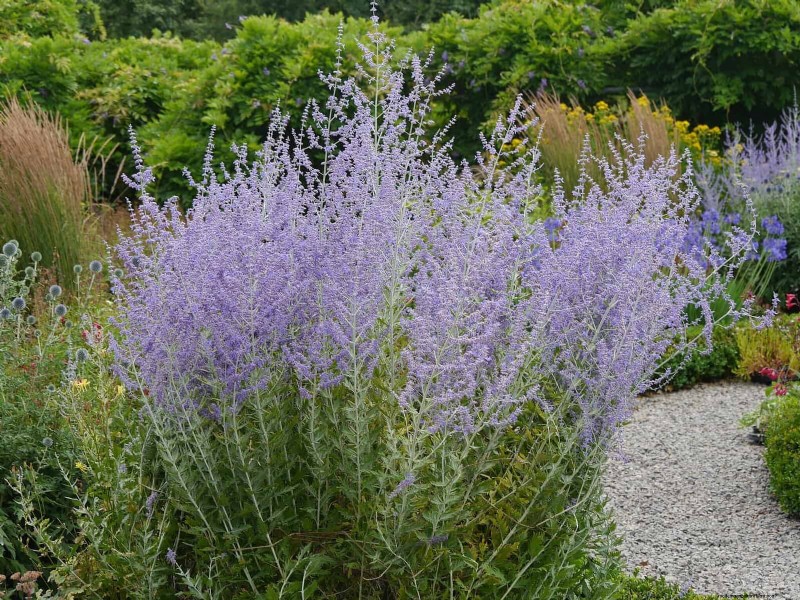
Russian sage creates clouds of lavender-blue flowers held aloft on silver-gray stems, forming an ethereal haze in the garden from midsummer through fall. The finely-cut, aromatic foliage releases a sage-like scent with hints of camphor when touched, perfuming the air during hot afternoons.
This woody perennial sways gracefully in summer breezes, adding both movement and a cooling visual effect to the landscape. In zones 4 to 9, Russian sage reaches 3 to 4 feet tall with an equal spread, though newer compact varieties like ‘Little Spire’ stay under 2 feet.
It thrives in poor, dry soils where many other perennials struggle, developing woody stems that provide winter interest long after flowering ends. Plant it where its airy texture can contrast with bolder perennials or ornamental grasses.
 Depositphotos
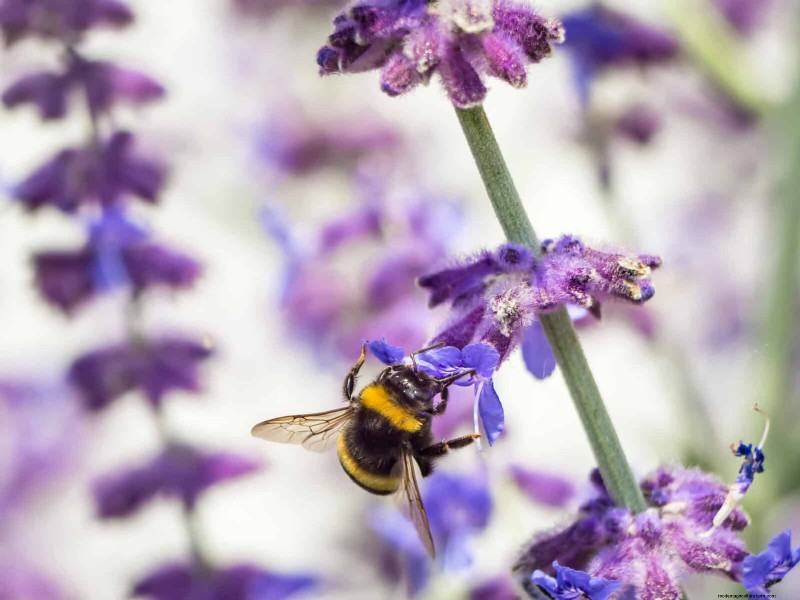
The silvery appearance of Russian sage serves a practical purpose. It reflects sunlight to keep the plant cooler in intense heat. Its deep root system taps into soil moisture far below the surface, allowing it to sail through drought conditions that would devastate less-adapted plants.
The tiny flowers attract bees and butterflies but resist damage from deer and rabbits thanks to their aromatic qualities. For best performance, plant Russian sage in full sun and well-drained soil.
Too much moisture, especially in winter, can cause root rot. In early spring, cut back stems to about 12 inches before new growth emerges. This rejuvenation pruning keeps plants compact and prevents the sprawling, open habit that can develop in older specimens.
 Depositphotos
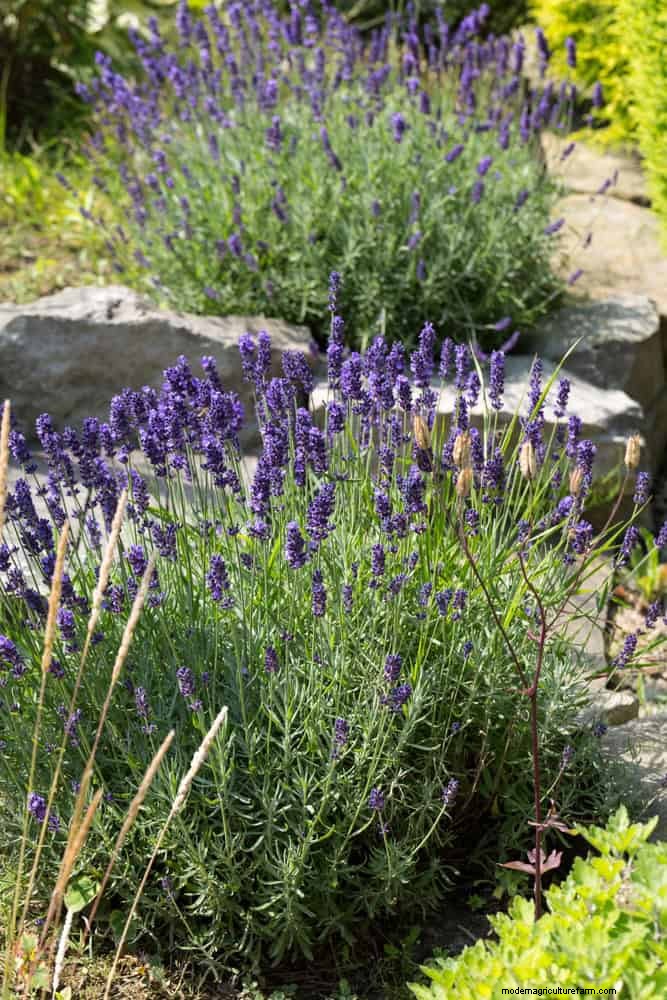
Lavender embodies Mediterranean charm with its wands of purple-blue flowers rising above compact mounds of silver-gray foliage. Its distinctive perfume, sweet, herbal, and slightly woody, intensifies in hot weather, creating a sensory experience that transports you to the sun-baked hillsides of Provence.
Brushing against the plants releases oils that linger on skin and clothing, turning garden maintenance into aromatherapy. English lavender (Lavandula angustifolia) offers the best cold hardiness, surviving in zones 5 to 9, while French lavender (L. stoechas) and Spanish lavender (L. dentata) prefer warmer zones 7 to 9.
All types demand excellent drainage and full sun. Popular varieties include ‘Hidcote’ for compact form, ‘Munstead’ for earlier blooming, and ‘Phenomenal’ for superior heat and humidity tolerance across various climates.
 Depositphotos
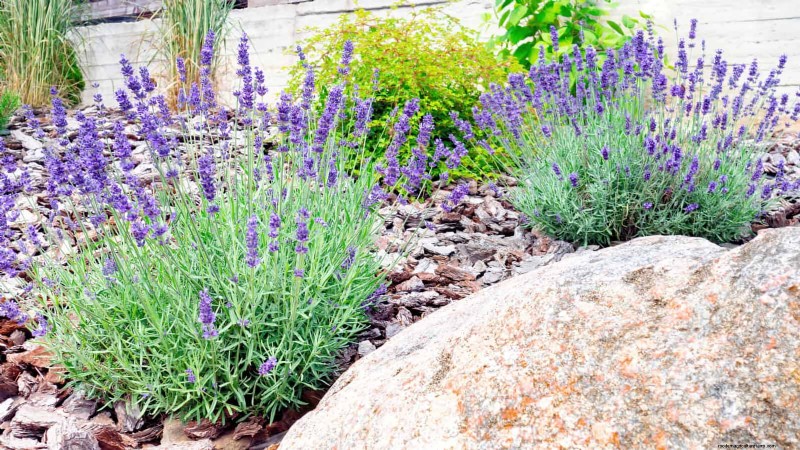
Lavender’s resilience in heat comes from its Mediterranean origins, where plants endure months of drought and intense sun. The tiny hairs covering leaves and stems trap moisture close to the plant, reducing evaporation and creating the silvery appearance that characterizes many drought-adapted species.
These adaptations make lavender perfect for hot, exposed sites, challenging other perennials in regions with high humidity. Plant lavender with extra space between plants to improve air circulation.
Adding limestone gravel to the soil improves drainage and reflects heat back onto the plants, intensifying fragrance production. Harvest flower stems just as they begin to open for the strongest scent in dried arrangements, sachets, or culinary uses.
 Marc Ryckaert (MJJR), CC BY 3.0, via Wikimedia Commons
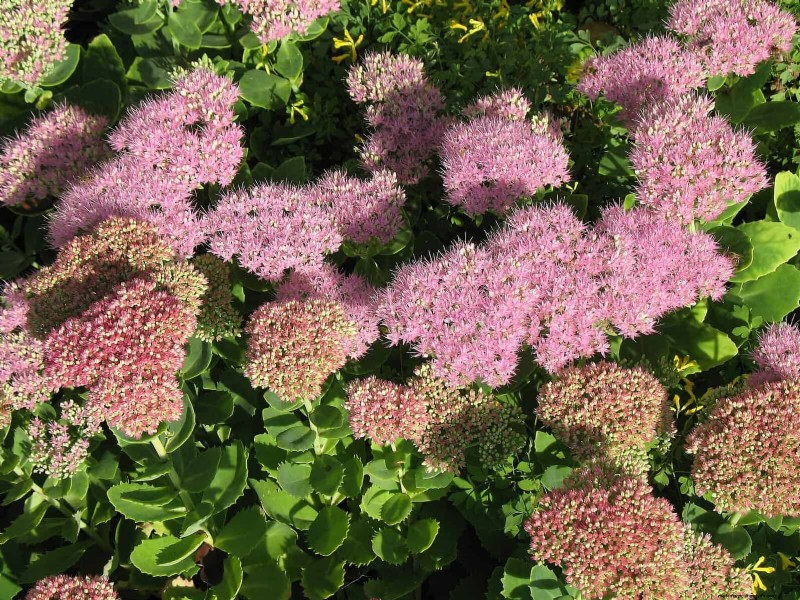
Sedum captivates with plump, water-storing leaves arranged in symmetrical rosettes that catch morning dew and rainfall. The succulent foliage feels cool and fleshy to the touch, contrasting with most garden perennials.
By late summer, flat-topped flower clusters emerge in shades of pink, red, or white, attracting numerous butterflies and bees that create a gentle buzzing soundtrack in the autumn garden.
Often called stonecrop, sedums are incredibly versatile, with varieties ranging from groundcovers just inches tall to upright types reaching 2 feet. Most thrive in zones 3 to 9, making them accessible to nearly all continental U.S. gardeners.
Popular upright varieties include ‘Autumn Joy’ with russet flowers, ‘Brilliant’ with bright pink blooms, and ‘Matrona’ with purple-tinged foliage and stems.
 Depositphotos
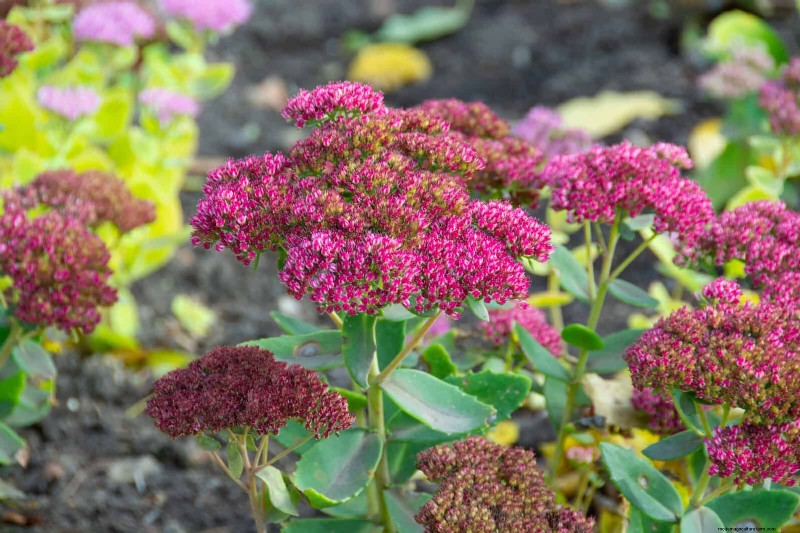
The secret to sedum’s heat tolerance lies in its modified metabolism, known as CAM photosynthesis. Unlike most plants, sedums open their pores at night to collect carbon dioxide, then close them during hot days to prevent water loss.
This clever adaptation, combined with water-storing leaves, allows them to thrive in locations where other perennials crisp and brown. Plant sedums in average to poor soil with good drainage. Rich soil and excess water cause floppy growth and reduced flowering.
The fleshy stems and leaves hold interest well into winter, especially when frost highlights their structure. Leave seedheads standing through winter to provide bird food and visual interest in the dormant garden.
 Depositphotos
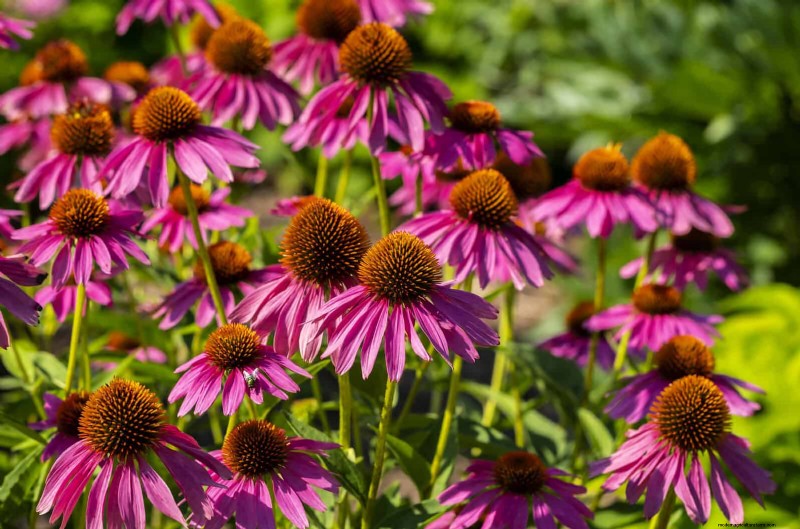
Coneflowers stand tall and proud in summer gardens. Their daisy-like petals sweep backward from a prominent central cone. The texture contrast between smooth petals and the spiky, copper-colored cone creates visual interest that lasts for months.
Native to American prairies, coneflowers have a wildflower charm that blends beautifully in both formal and casual garden settings. Hardy in zones 3 to 9, they reach 2 to 4 feet tall, depending on the variety.
While purple remains the classic color, modern breeding has expanded the palette to include white, yellow, orange, red, and even green flowering forms. Standout varieties include ‘Magnus’ with horizontal petals, ‘White Swan’ with creamy blooms, and the compact ‘PowWow Wild Berry’ with vibrant pink-purple flowers that don’t fade in heat.
 Depositphotos
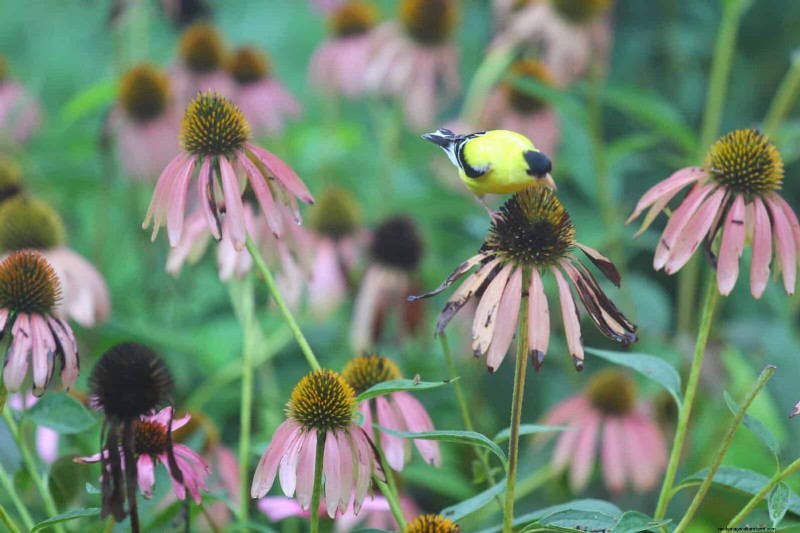
The prairie heritage of coneflowers explains their exceptional heat tolerance and drought resistance. Their taproot can extend several feet deep, accessing soil moisture unavailable to shallow-rooted plants.
This adaptation allows established plants to sail through summer heat waves without supplemental watering, while the stiff stems resist flopping even during summer thunderstorms.
Beyond their ornamental value, coneflowers have been utilized for centuries for their medicinal properties. The roots contain compounds that support immune function, while the seed heads provide essential winter food for goldfinches and other birds.
For continuous blooming, remove spent flowers regularly, though leaving some to form seeds benefits wildlife and allows for natural reseeding.
 Depositphotos
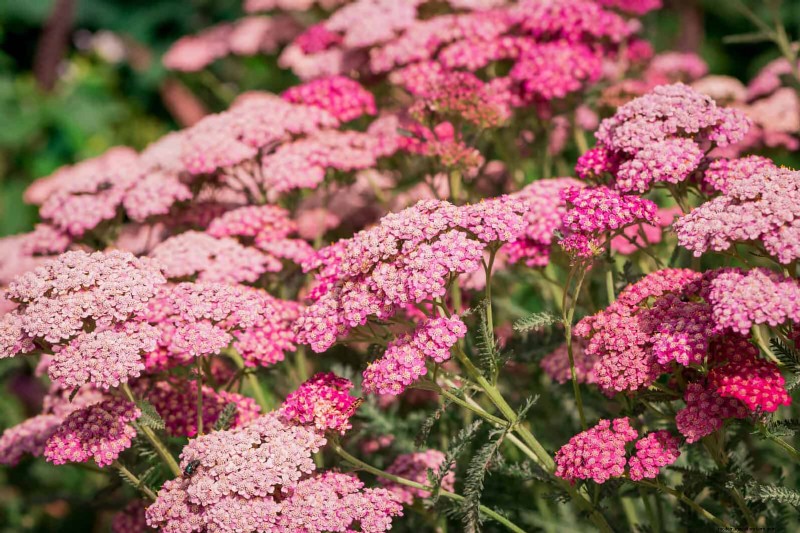
Yarrow creates flat-topped flower clusters that seem to float above finely cut, feathery foliage resembling fern leaves. The lacy texture adds a delicate quality to the garden, belying the plant’s incredible toughness.
When crushed, the aromatic leaves release a spicy, medicinal scent that has been valued for centuries in herbal traditions. At the same time, the flowers themselves carry a subtle honey fragrance that attracts beneficial insects.
This adaptable perennial thrives in zones 3 to 9 across diverse growing conditions. While wild yarrow typically produces white flowers, modern cultivars offer a spectrum from soft pastels to vibrant reds and yellows.
Notable varieties include ‘Coronation Gold’, which has long-lasting golden flowers, ‘Terracotta’, which has unique copper-orange blooms, and ‘New Vintage Red’, which has a compact habit perfect for smaller gardens.
 Depositphotos
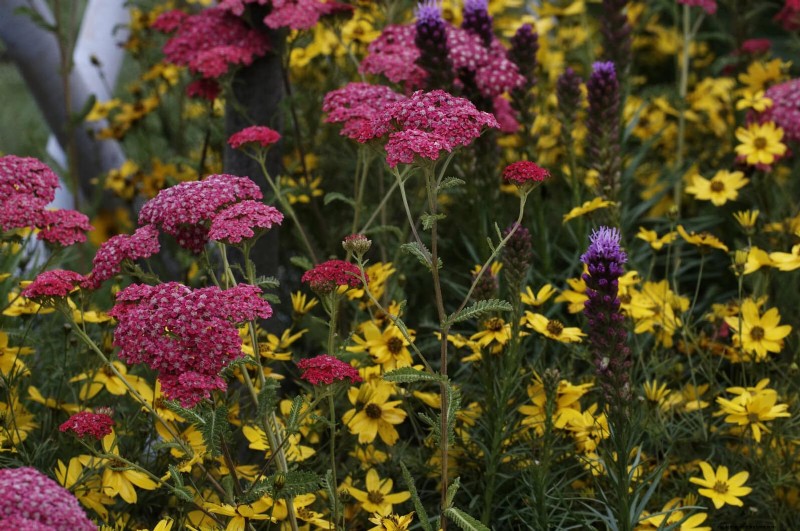
Yarrow’s exceptional heat tolerance comes from several adaptations, including deep roots that access subsurface moisture and fine hairs on the leaves that reduce water loss. The finely divided foliage increases surface area for cooling while minimizing exposure to intense sunlight.
These features allow yarrow to remain lush and attractive even during prolonged drought periods when many garden plants struggle. In the garden, yarrow combines beautifully with ornamental grasses and other prairie-inspired perennials.
The long-lasting flowers make excellent cut or dried arrangements, retaining their color for months. Divide plants every 2 to 3 years to maintain vigor and prevent the center from dying out. Cut flower stems back after the first flush fades for more compact growth and repeat blooming.
 Depositphotos
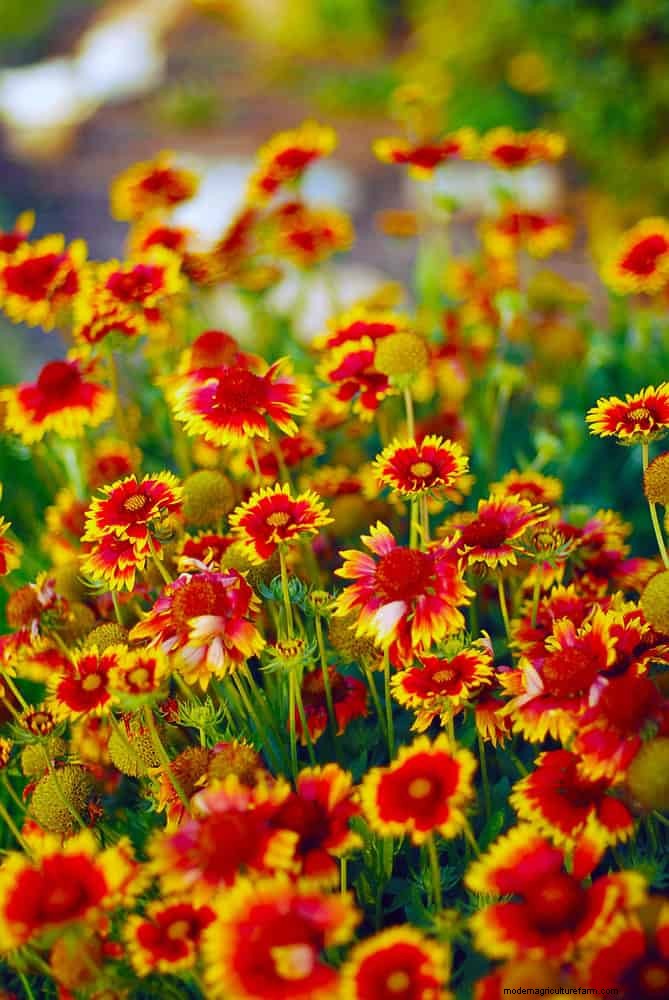
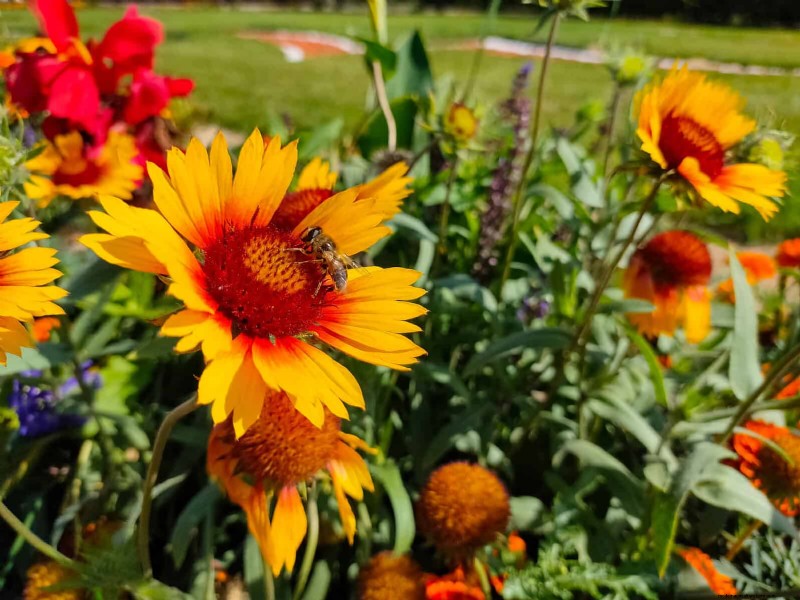
Blanket flower dazzles with daisy-like blooms in warm sunset hues of red, orange, and yellow, often with distinctive banded patterns that resemble Native American blankets.
The flowers dance above mounds of gray-green foliage, creating movement with the slightest breeze. Each bloom features a raised central disk surrounded by flat or tubular ray petals with toothed tips, adding textural interest to borders and wildflower plantings.
Hardy in zones 3 to 9, blanket flowers typically reach 1 to 2 feet tall and wide. If deadheaded regularly, they bloom in early summer and continue relentlessly until frost.
Popular varieties include ‘Arizona Sun’, with red petals edged in yellow, ‘Goblin’, with compact growth ideal for containers, and ‘Mesa Yellow’, which offers exceptional longevity and disease resistance.
 Depositphotos
The blanket flower’s native heritage explains its remarkable heat tolerance and ability to thrive in poor, sandy soils where many perennials falter. Its deep taproot efficiently extracts moisture and nutrients from well below the soil surface, while slightly hairy foliage reduces water loss during hot, dry periods.
The plant actually flowers more prolifically during hot weather than in cool conditions. For best performance, plant blanket flower in full sun and well-drained soil. Excess moisture, particularly in winter, can cause root rot and shorten the plant’s lifespan.
Most varieties behave as short-lived perennials but self-seed readily to maintain their presence in the garden. Shearing plants back by one-third after the first heavy flush of bloom rejuvenates the foliage and encourages another round of flowering.
 Depositphotos
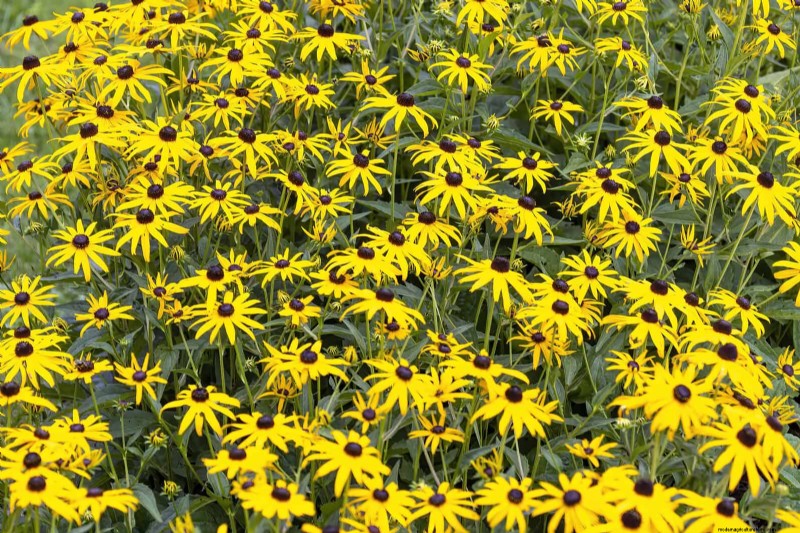
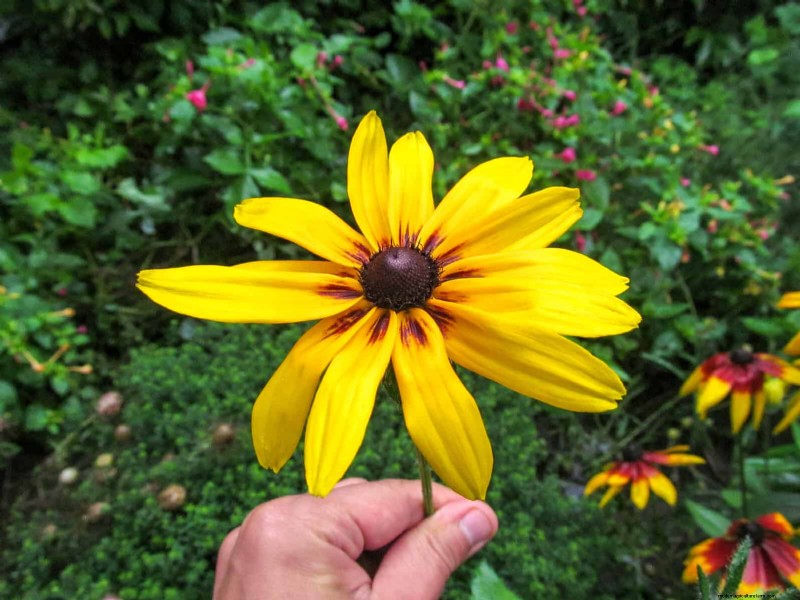
Black-eyed Susan illuminates the summer garden with cheerful golden-yellow petals radiating around distinctive dark brown or black central cones. The bright flowers seem to capture sunlight itself, glowing even on overcast days and creating pools of warmth in the landscape.
Slightly hairy stems and foliage give the plants a rustic texture that complements their wildflower appearance. This North American native adapts to various conditions in zones 3 to 9. While the species typically grows as a biennial or short-lived perennial, newer cultivars offer improved longevity.
Standout varieties include ‘Goldsturm’ with exceptional perennial performance, ‘Prairie Sun’ featuring green centers with gold-tipped petals, and ‘Cherokee Sunset’ offering double and semi-double flowers in rich autumn tones.
 Depositphotos
The prairie origin of black-eyed Susan explains its remarkable heat tolerance and resilience during drought. The plants develop extensive fibrous root systems that efficiently capture available moisture, while the slightly fuzzy leaves reduce water loss through evaporation.
Even during the most challenging summer conditions, established plants continue flowering without supplemental irrigation. In the garden, black-eyed Susan combines beautifully with ornamental grasses, coneflowers, and other native prairie plants.
The long-lasting blooms make excellent cut flowers, while the seed heads provide winter interest and food for goldfinches and other birds. For continuous flowering, deadhead regularly, though allowing some seed heads to remain benefits wildlife and enables natural reseeding.
 Depositphotos
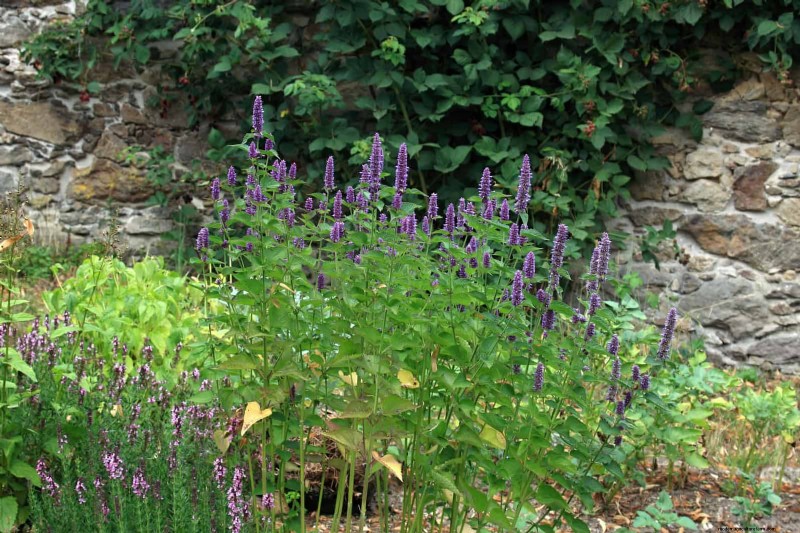
Agastache creates vertical accents in the garden with spikes of tubular flowers in shades of blue, purple, pink, or orange, depending on the variety. The blooms emerge from dense whorls along square stems, revealing their relationship to other members of the mint family.
When brushed against, the foliage releases an intoxicating anise or licorice scent that perfumes the summer air and adds a sensory dimension to garden paths. Commonly known as hyssop or hummingbird mint, different species offer varying hardiness, depending on selection, from zones 4 to 10.
Heights range from compact 18-inch varieties to statuesque 4-foot specimens. Notable cultivars include blue-flowered ‘Blue Fortune’ for reliable perennial performance, ‘Coronado Red’ with coppery-red blooms, and ‘Black Adder’ featuring violet-blue flowers on dark stems.
 Depositphotos
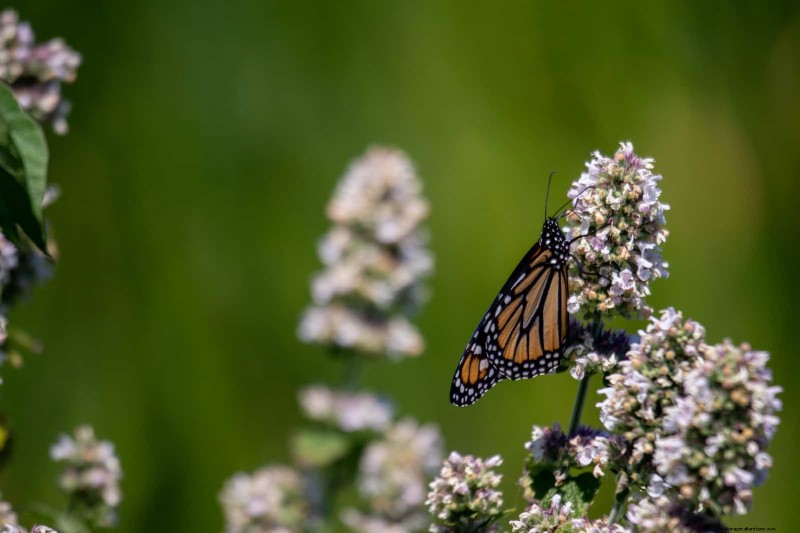
Agastache’s remarkable heat tolerance stems from its southwestern heritage, where many species evolved to thrive in hot, dry conditions. The aromatic oils that give the foliage its distinctive scent also reduce water loss and deter deer and rabbit browsing.
Deep roots access subsurface moisture, allowing established plants to flourish through extended dry periods with minimal supplemental watering. In the garden, agastache attracts an astonishing variety of pollinators, earning its “hummingbird mint” nickname honestly.
The nectar-rich flowers draw hummingbirds, butterflies, and beneficial insects from across the neighborhood. For best performance, plant in full sun and well-drained soil. Most species benefit from leaving stems standing through winter for added protection, then cutting back in spring as new growth emerges.
 Depositphotos
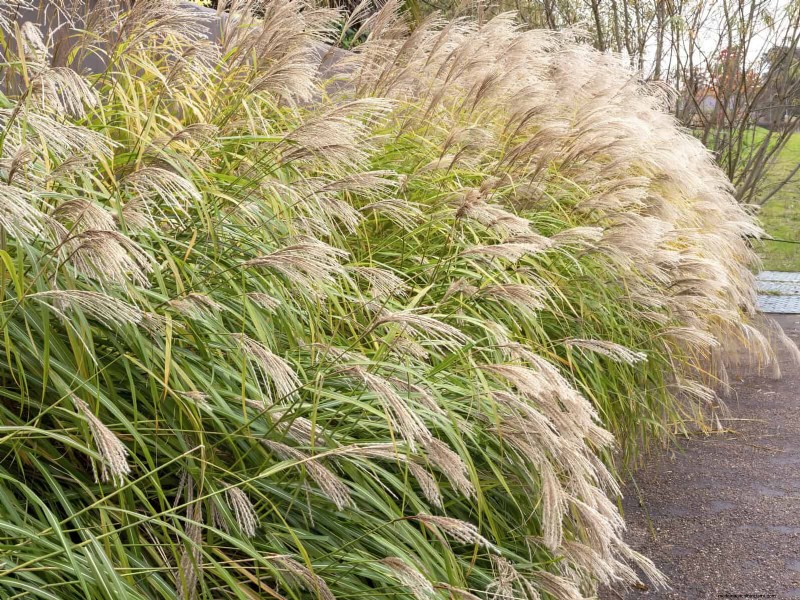
Ornamental grasses bring dynamic movement to the garden with slender blades that rustle and sway with every breeze, creating a soothing soundtrack on summer days.
Miscanthus, one of the most popular types, forms elegant arching clumps that transform through the seasons, culminating in feathery plumes that catch morning light and evening sunsets. The tactile quality invites touch, with some varieties featuring silky tassels that shimmer like fiber optics.
Miscanthus thrives in zones 5 to 9, reaching heights from 3 to 12 feet depending on variety. Popular cultivars include ‘Morning Light’ with narrow white-edged leaves, ‘Graziella’ for earlier flowering in northern regions, and ‘Purpurascens’ (flame grass) for outstanding autumn color.
For smaller spaces, consider compact Pennisetum alopecuroides (fountain grass) or native Schizachyrium scoparium (little bluestem) for similar dramatic effects at a reduced scale.
 Depositphotos
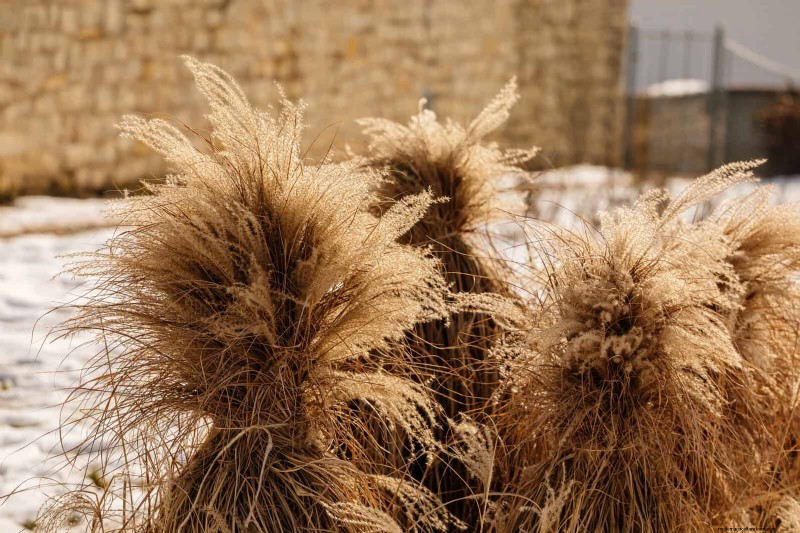
The exceptional heat tolerance of ornamental grasses comes from their efficient photosynthetic pathway, which allows them to continue growing during hot weather when many perennials go dormant.
Their extensive root systems access deep soil moisture, while narrow leaf blades minimize water loss. Many varieties actually reach their peak beauty during late summer when heat and drought stress other garden plants.
Beyond summer performance, ornamental grasses offer multi-season interest. Many develop striking autumn coloration, followed by winter structure as dried plumes and foliage remain standing through snow and frost.
Leave grasses intact through winter, then cut back to a few inches above ground in late winter or early spring before new growth emerges. Divide clumps every 3 to 4 years in spring to maintain vigor and prevent centers from dying out.
 Depositphotos
Incorporating these heat-tolerant champions into your garden creates resilience against summer’s challenges while reducing maintenance and water requirements. Group plants with similar needs together in “hydrozones” to maximize irrigation efficiency.
Consider how they’ll interact through the seasons, pairing early bloomers with late-season performers for continuous interest. Remember that even heat-loving perennials need regular watering during their first year to establish deep, resilient root systems.
Once established, these tough plants will reward you with years of carefree beauty, transforming summer’s harshest months from a season of garden disappointment into a celebration of nature’s remarkable adaptability. Your garden can thrive, not just survive, when temperatures soar.


