Welcome to Modern Agriculture!

 Depositphotos.com
July has arrived and your garden dreams haven’t fully materialized yet? Don’t worry! The good news is that your vegetable growing season isn’t over by a long shot. Many gardeners think the planting window closes with the early summer heat, but that’s simply not true.
There are plenty of vegetables that not only tolerate but actually thrive when planted in the warm soil of July. With the right choices and techniques, you can enjoy fresh harvests well into fall and even early winter in some regions. Let’s explore your midsummer planting options!
 Depositphotos.com
July offers different opportunities depending on where you live. In northern zones (3-5), July marks the beginning of your second growing season. The warm soil helps seeds germinate quickly, and you still have 60-90 days before first frost.
In middle zones (6-8), July planting means you have roughly 90-120 frost-free days remaining. Southern gardeners in zones 9-11 are truly blessed. You’re looking at 120+ growing days, sometimes allowing for multiple succession plantings before cool weather arrives.
 Depositphotos.com
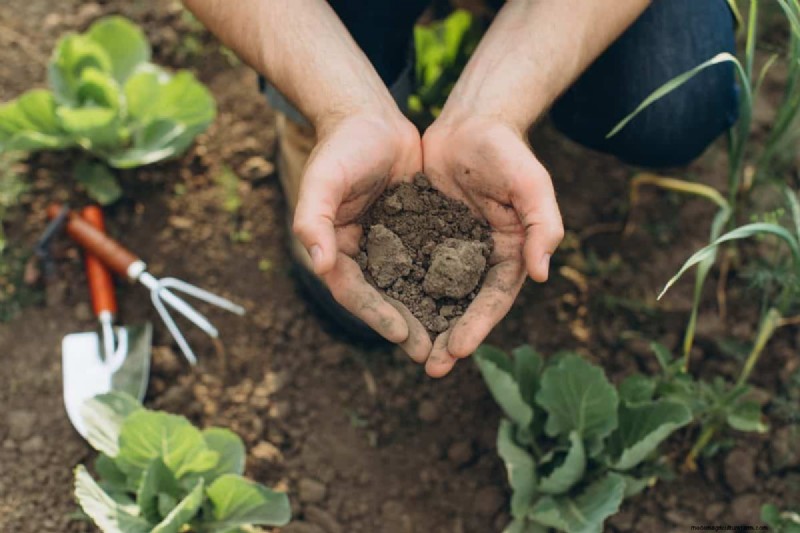
July soil is warm and alive with microbial activity, giving seeds a perfect environment to sprout quickly. Many vegetables actually prefer the cooling trend that follows rather than spring’s warming pattern.
Plus, many pest cycles have peaked by midsummer, giving your new plantings a fighting chance against common garden invaders. The decreasing daylight hours after summer solstice also triggers many plants to focus on fruit production rather than leafy growth.
We'll email it to you so you can read it later!
By saving, you agree to receive occasional emails. Unsubscribe anytime.
 Depositphotos.com
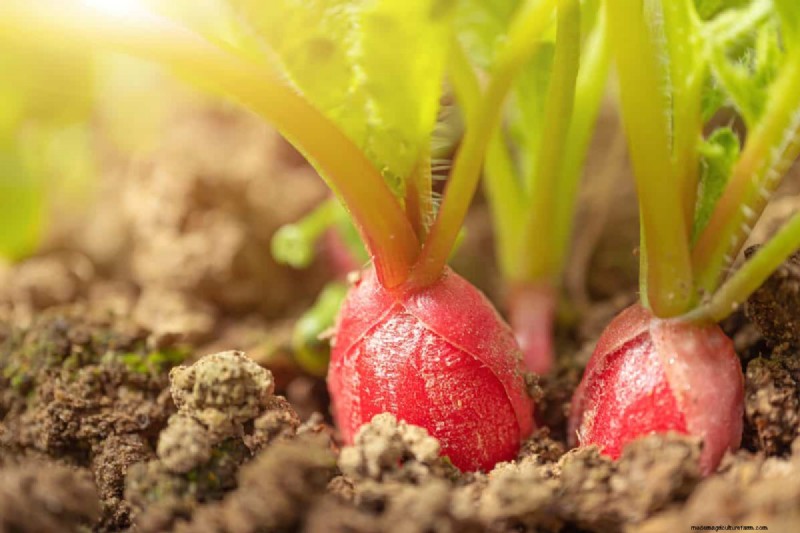
Radishes are champions of quick returns, ready to harvest in just 21-30 days. Plant them now for a peppery crunch by August.
Bush beans deserve a spot in your July garden too. Most varieties mature in 45-60 days, giving you tender green beans by late summer. Leaf lettuce, baby carrots, and spinach all offer harvests within 30-45 days when planted now.
 Depositphotos.com
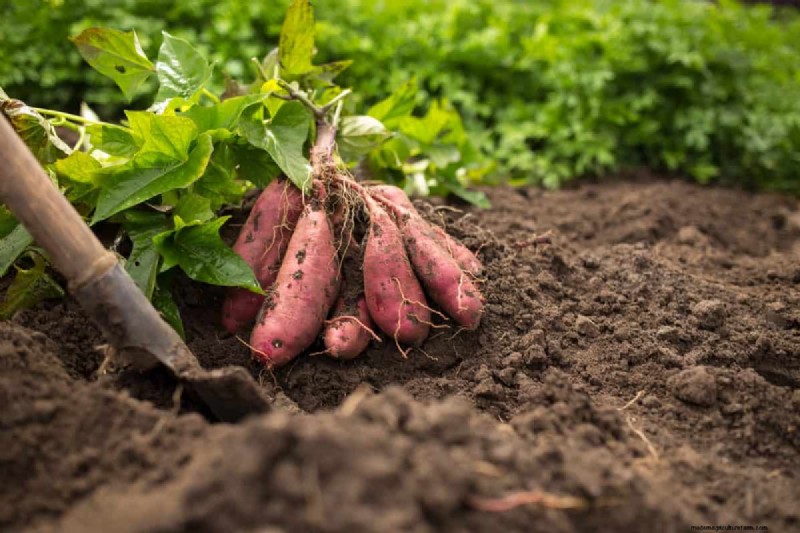
Sweet potatoes love the hot weather and will grow vigorously when planted in July. They’ll develop their nutritious tubers as temperatures cool later in the season.
Okra practically begs for July planting, producing more the hotter it gets. Southern peas, eggplant, and peppers all continue to thrive when started in midsummer heat. These heat-lovers will reward your July efforts with abundant harvests.
 Depositphotos.com
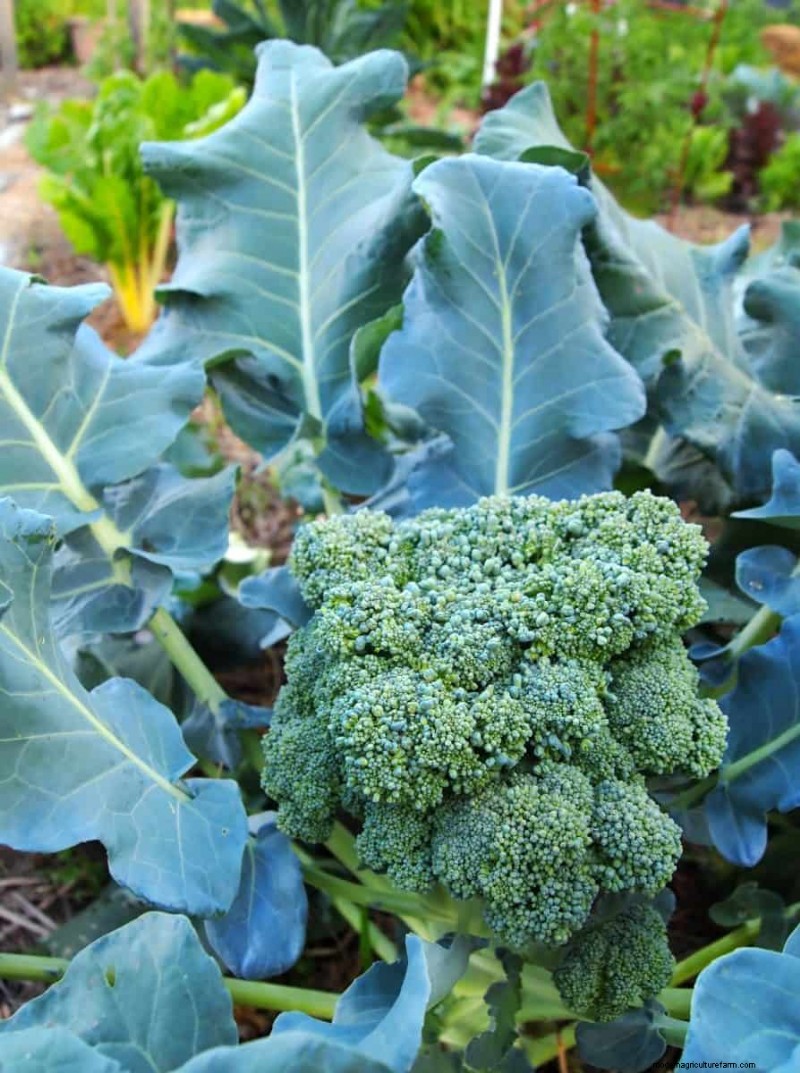
Broccoli and cauliflower seeds started in July will mature during cooler fall temperatures, resulting in sweeter, more tender heads. Kale and collards planted now will provide nutritious greens well into winter in many regions.
Brussels sprouts require a long growing season but taste best after light frosts sweeten them. July is perfect for getting them established so they can mature in the cool fall weather.
 Depositphotos.com
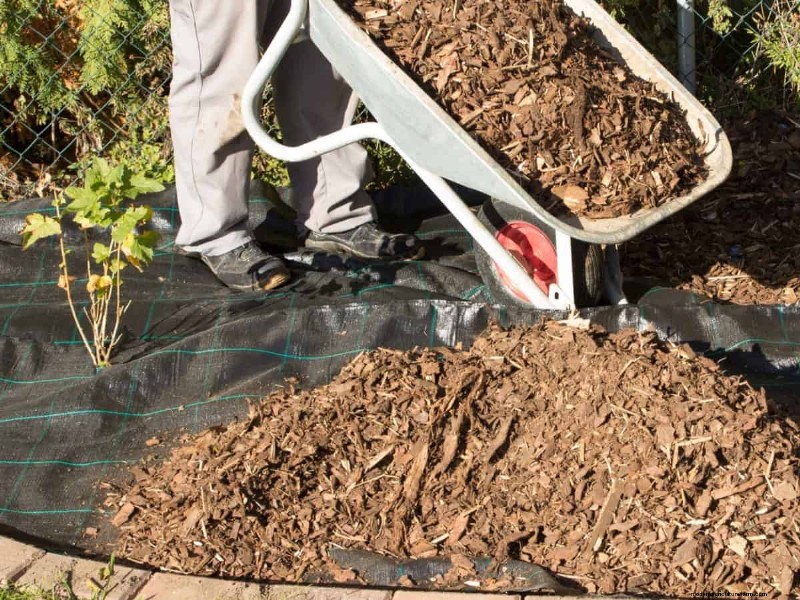
Southwestern gardeners should focus on heat-tolerant varieties and provide afternoon shade for tender seedlings. Extra mulch helps conserve precious moisture in these hot, dry areas.
Southeastern gardeners can plant almost anything in July except the most cold-loving crops. Your challenge is managing humidity and associated fungal issues. Pacific Northwest gardeners should take full advantage of July warmth to plant crops that need higher soil temperatures to thrive.
 Depositphotos.com
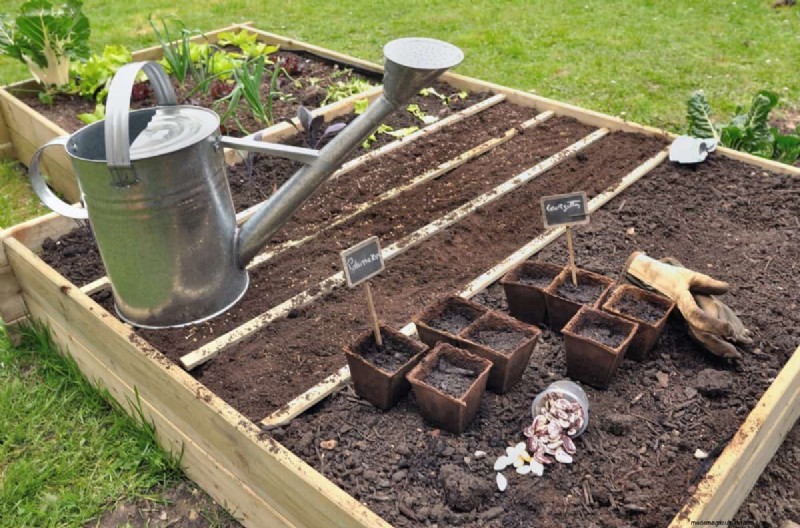
Refresh garden beds by adding compost before July planting. The organic matter improves water retention while feeding beneficial soil microorganisms that help your plants thrive.
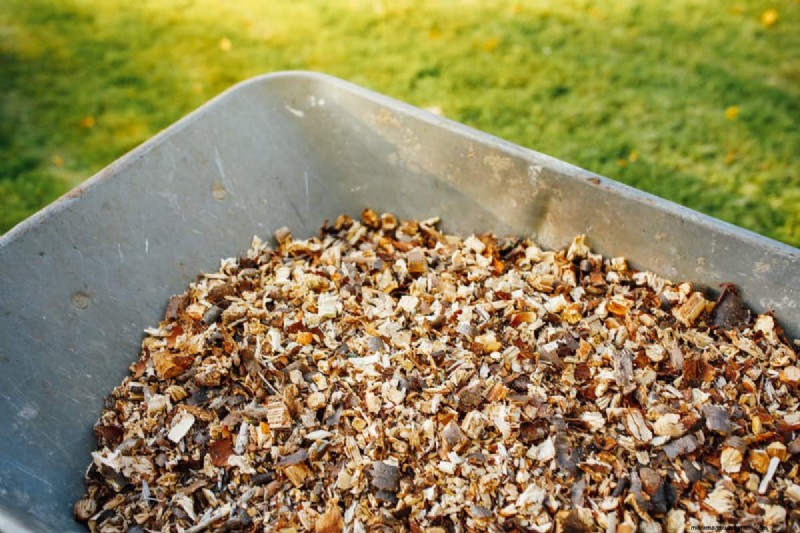
Consider using a light-colored mulch in July plantings. Unlike spring when dark mulch helps warm soil, summer calls for reflective mulch that keeps roots cooler. Loosen compacted soil deeply before planting to allow new roots to penetrate easily in the summer heat.
 Depositphotos.com
Look for seed packets labeled “heat tolerant” or “bolt resistant” when choosing July varieties. Many seed companies specifically recommend certain varieties for midsummer planting.
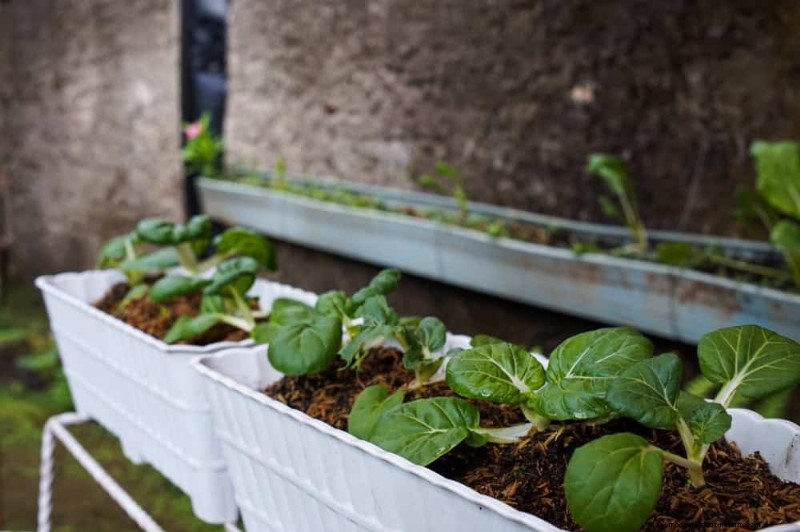
Focus on varieties with the shortest “days to maturity” numbers on the seed packet. This ensures your crops will be ready before the first frost date in your region. Many Asian greens like tatsoi and mizuna offer excellent heat tolerance and quick maturity perfect for July planting.
 Depositphotos.com
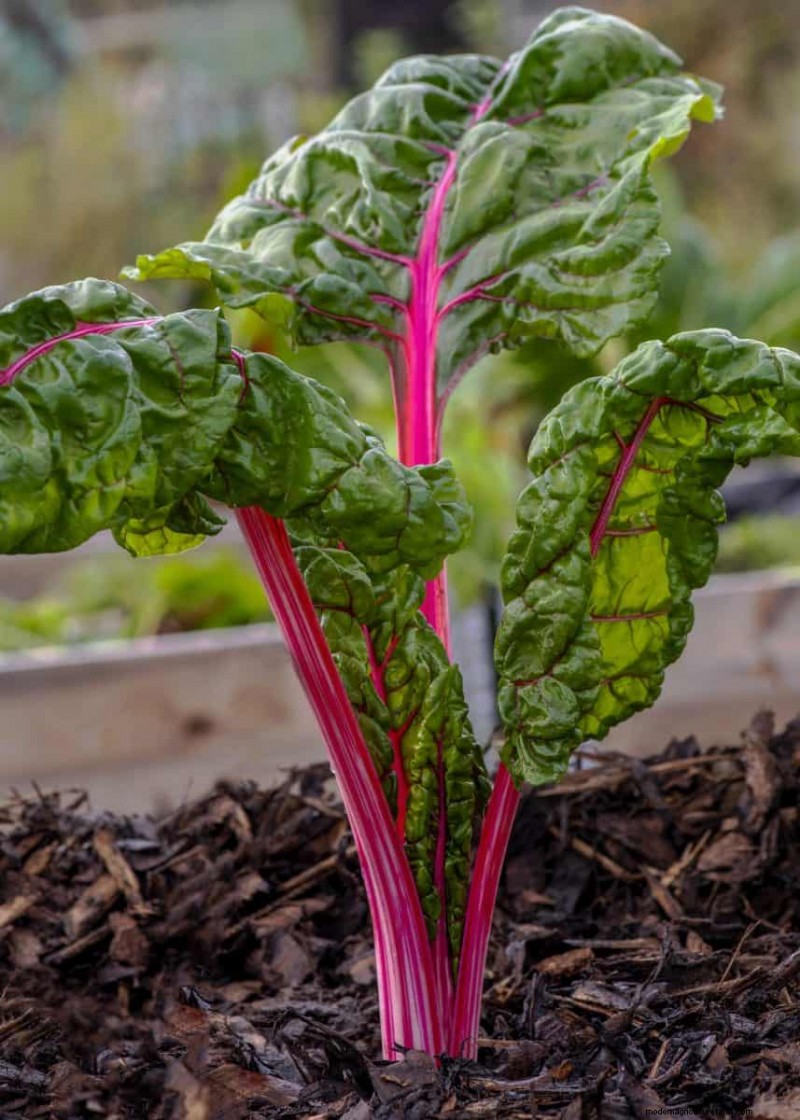
Arugula planted in July will be less bitter than spring-planted crops as it matures in cooler fall temperatures. Swiss chard tolerates both summer heat and light frosts, making it perfect for July planting in most regions.
Baby salad greens can be harvested just 21 days after July planting. Try mustard greens for a peppery kick in your fall salads. They grow quickly even as daylight hours decrease.
 Depositphotos.com
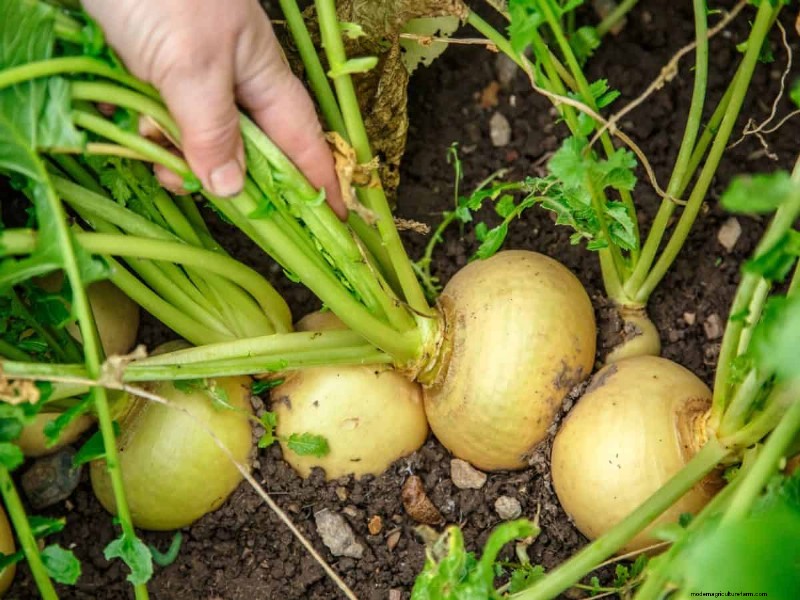
Turnips and rutabagas convert July sun into sweet, nutritious roots for fall harvest. Beets planted now will produce both nutritious greens and sweet roots within 50-60 days.
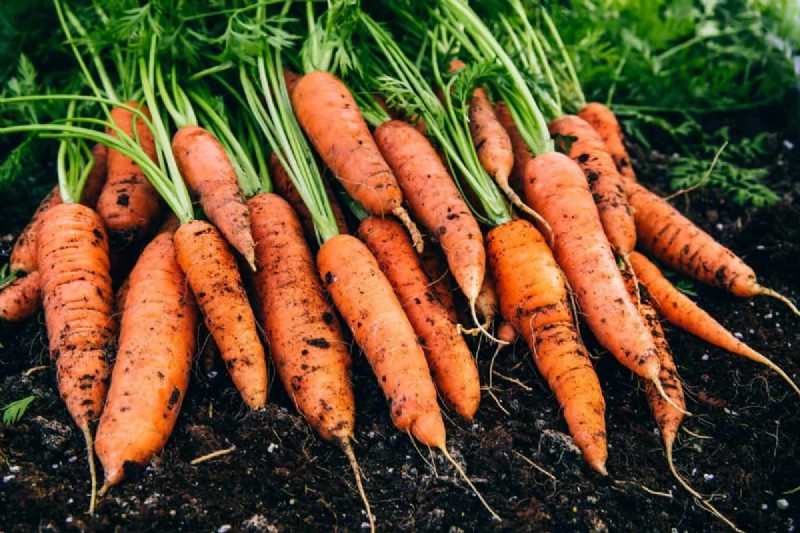
Carrots sown in July often taste sweeter than spring plantings. The cooling fall temperatures convert their starches to sugars. Try fast-maturing varieties like ‘Paris Market’ or ‘Romeo’ for best results from July planting.
 Depositphotos.com
Basil thrives in July’s heat and will continue producing until frost if harvested regularly. Cilantro typically bolts in summer heat, but certain slow-bolt varieties planted in July will thrive as temperatures cool.
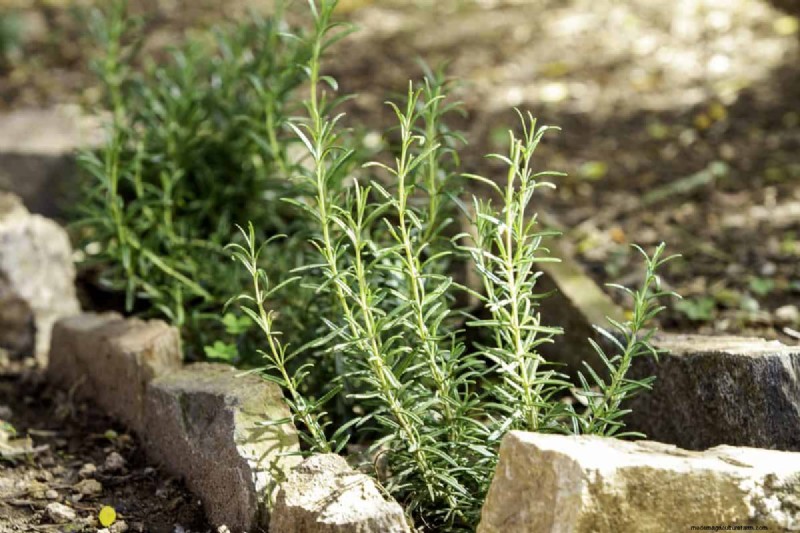
Dill sown every few weeks starting in July provides fresh herbs through fall. Perennial herbs like rosemary, thyme and sage establish strong root systems when planted in warm July soil, preparing them for years of harvests.
 Depositphotos.com
Containers offer perfect environments for July vegetable planting. They allow you to control soil quality and moisture more precisely during hot weather.
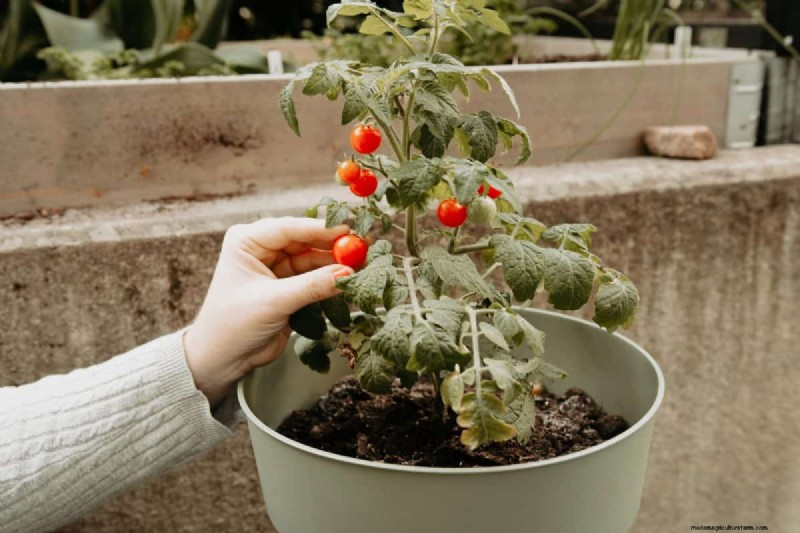
Bush varieties of cucumbers and zucchini work beautifully in large containers started in July. Choose self-watering containers for best results in summer heat. Compact cherry tomato varieties can still produce abundant harvests when planted in July in larger containers.
 Depositphotos.com
July plantings naturally extend your harvest season into fall. But adding simple row covers as temperatures drop can push that harvest window even further.
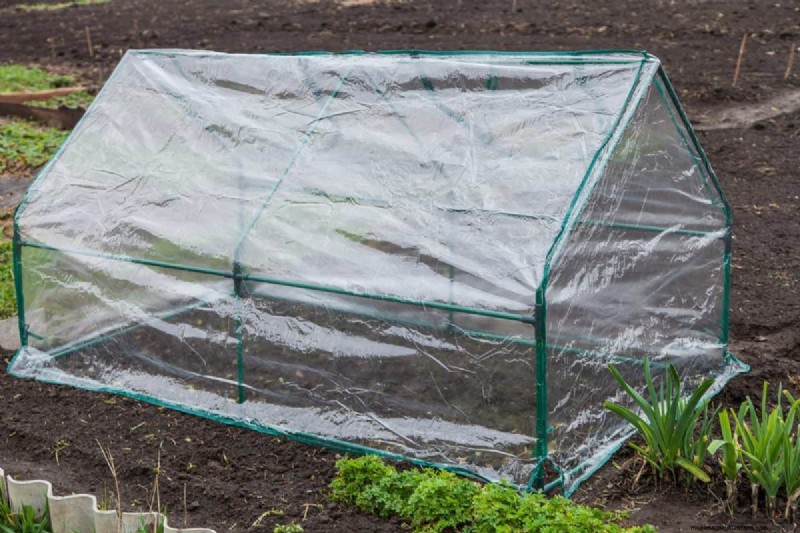
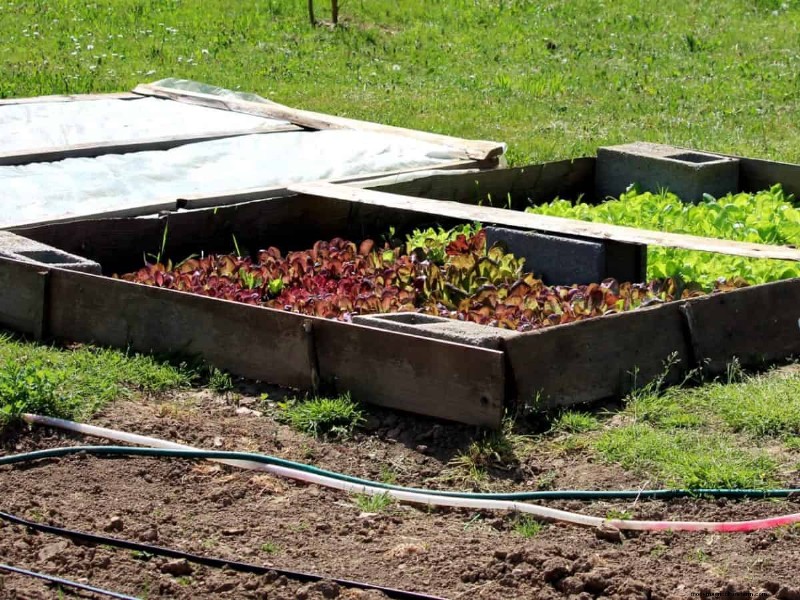
Cold frames built now will be ready to protect your July plantings when autumn frosts threaten. Planning for season extension from the start makes July planting even more rewarding. Simple plastic tunnels can add weeks or even months to your growing season.
 Depositphotos.com
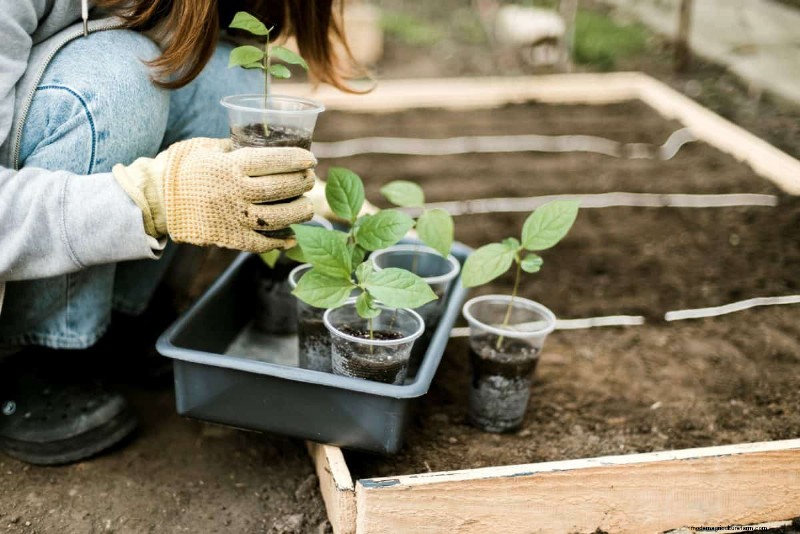
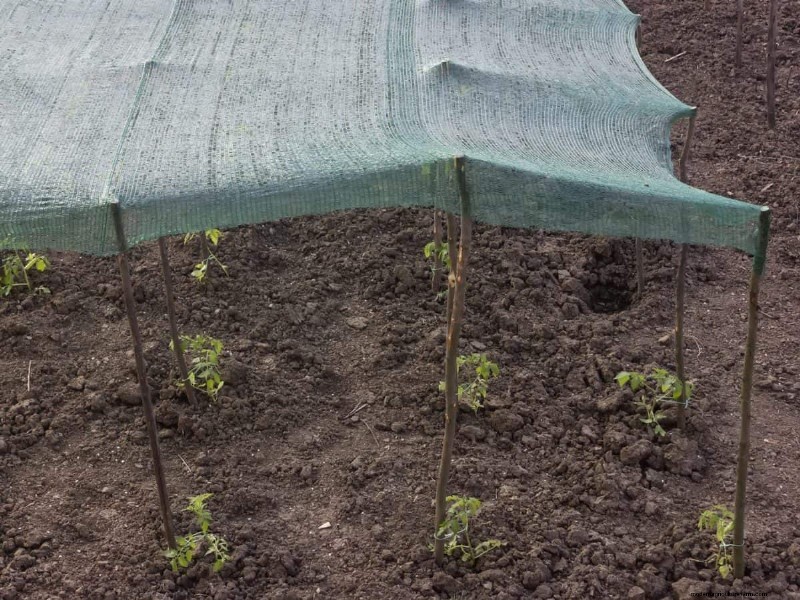
Temporary shade cloth over new July plantings reduces transplant shock and improves germination rates. Morning planting gives seedlings a full day to adjust before facing their first night.
Avoid fertilizing new July plantings until they’re established. The salts in fertilizer can stress roots in hot weather. Water thoroughly before and after planting to ensure soil moisture extends deep below root level.
 Depositphotos.com
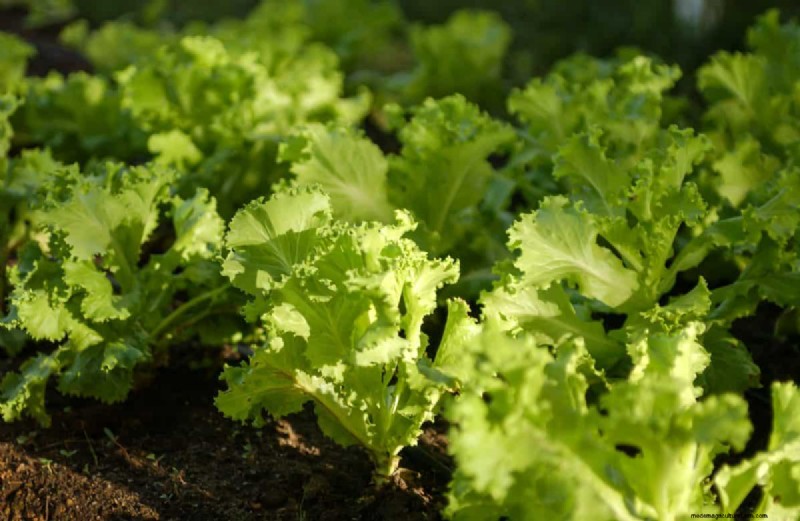
July begins prime succession planting season. Sow quick crops like radishes and lettuce every 7-10 days for continuous harvests into fall.
As spring crops finish, immediately prepare those spaces for new July plantings. This maximizes your garden’s productivity. Plan your July succession planting calendar around your area’s first frost date, counting backward using “days to maturity” for each crop.
 Depositphotos.com
Soil can form hard crusts in July heat, making seed germination difficult. Combat this by covering newly seeded areas with a thin layer of compost or vermiculite.
Keeping seeds moist during germination is harder in July. Try pre-soaking seeds overnight and covering seed beds with burlap until sprouts emerge. Insect pressure peaks in July, so be vigilant about checking new plantings for pest damage early each morning.
 Depositphotos.com
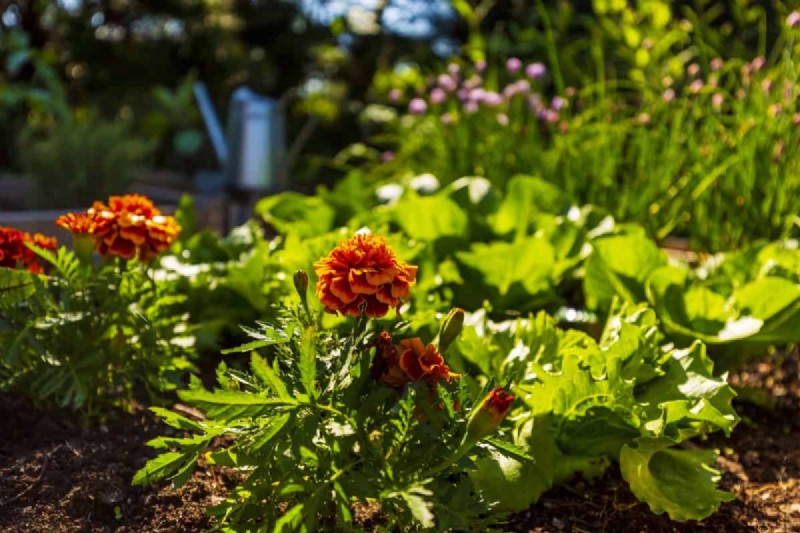
Companion planting works wonderfully for July gardens. Try marigolds alongside your new vegetables to repel many common pests.
Beneficial insects are highly active in July. Attract them with small flowering plants near your vegetable beds. Neem oil applications in the early morning provide effective pest control without harming pollinators or cooking your plants in the summer sun.
 Depositphotos.com
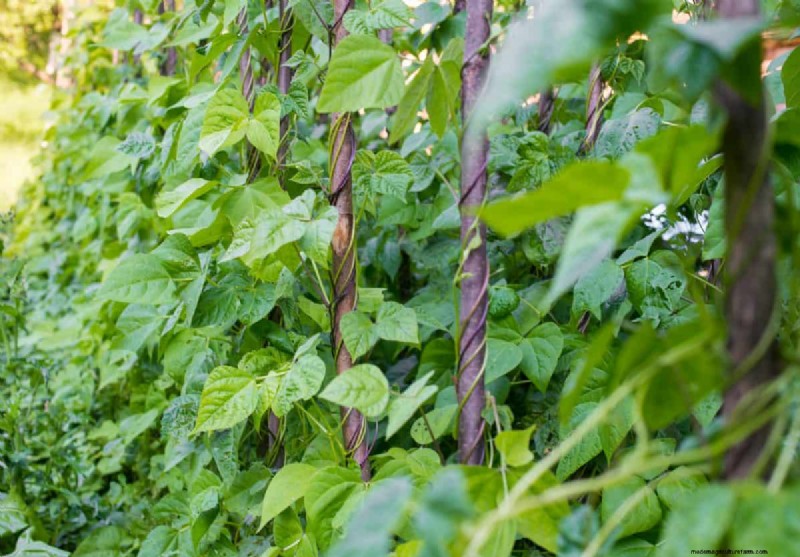
Vertical growing makes July planting possible even in tiny spaces. Trellises for beans and cucumbers open up ground space for root crops.
Interplanting fast-growing July crops between slower existing plants maximizes every square inch. Radishes can grow between tomato plants, while lettuce thrives in the partial shade created by taller summer crops.
 Depositphotos.com
July planting offers redemption for spring gardening mistakes or neglect. Those empty spaces or failed spring crops can become fall garden superstars.
Many vegetables actually taste better when grown in the decreasing light and temperatures of late summer into fall. Sweeter carrots, more tender greens, and crisper radishes await the July planter.
 Depositphotos.com
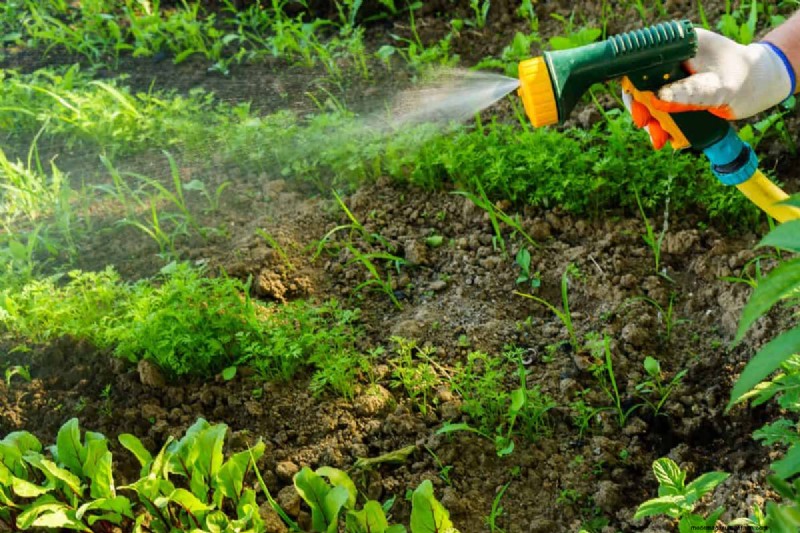
New July plantings need consistent moisture to establish strong roots. Water deeply every morning rather than providing frequent shallow sprinkles.
Consider temporary shade structures for the first week after planting seeds or transplants. This protection reduces water loss while tender plants establish themselves. Moisture-retaining products like water-absorbing polymers can be lifesavers for July plantings in hot regions.
 Depositphotos.com
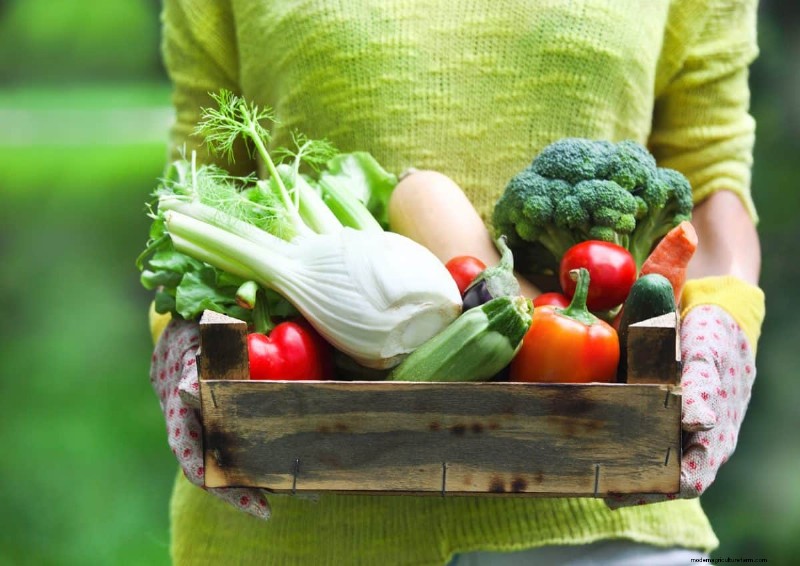
July planting transforms the traditional gardening calendar from a sprint into a marathon of continuous harvests. The warm soil, increasing likelihood of rain in many regions, and gradually cooling temperatures create ideal conditions for many crops.
So grab those leftover seed packets, prepare your soil, and get planting. Your July garden efforts will reward you with fresh vegetables long after your neighbors’ gardens have shut down for the season. The second growing season might just become your favorite gardening time of year!