
Welcome to Modern Agriculture!

 Shutterstock
Gardening can get expensive fast. Between buying plants, soil, fertilizers, and tools, your green thumb might drain your wallet. But it doesn’t have to be that way. Smart gardeners know that some of the best garden solutions don’t cost much at all.
These money-saving hacks help you create a thriving garden without the hefty price tag. From recycling kitchen waste to clever DIY solutions, you’ll discover how to stretch your gardening budget while still enjoying beautiful, productive results. Your garden and your bank account will thank you.
 Shutterstock
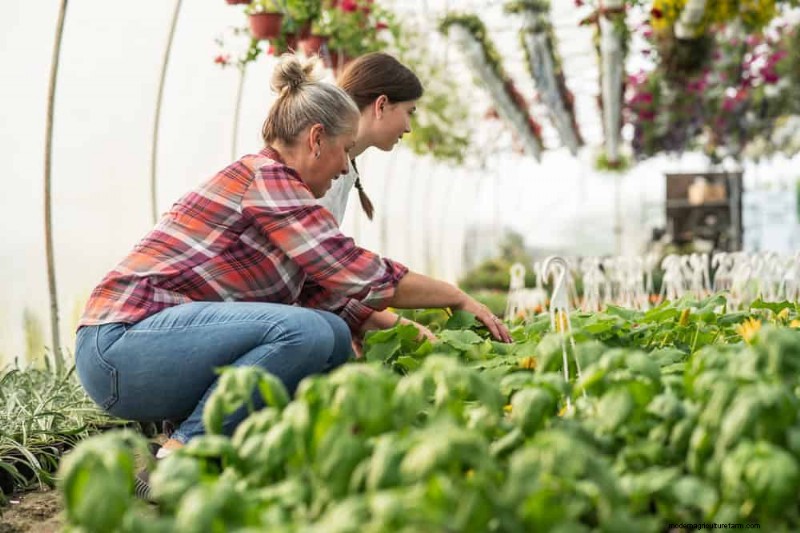
Create a community seed exchange where you and your neighbors can share seeds from successful plants. This collaborative approach cuts costs dramatically since a single packet of seeds often contains far more than one gardener needs. The sweet fragrance of shared Sweet Alyssum (Lobularia maritima) or the satisfying crunch of neighbor-grown lettuce makes the experience even more rewarding.
Start small with just a few neighbors and simple storage containers labeled by plant type and growing season. As your library grows, consider organizing seasonal seed-swap events where participants can exchange not just seeds but also growing tips. This builds both community bonds and gardening knowledge while slashing everyone’s planting costs to nearly zero.
 Depositphotos
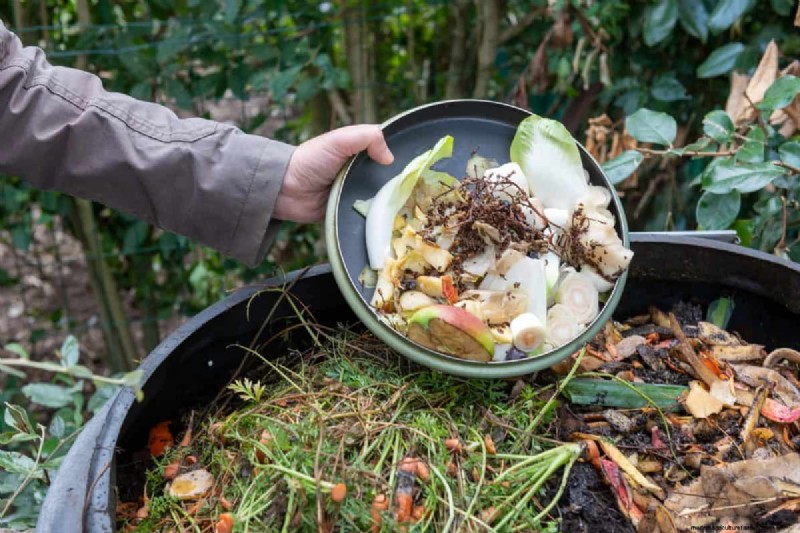
Transform your everyday food waste into black gold for your garden. Coffee grounds, vegetable peels, eggshells, and fruit cores decompose into rich humus that improves soil structure and feeds plants naturally. The earthy aroma of finished compost signals its readiness; a sweet, forest-floor scent that means nutrients are available for your plants.
Layer green materials (vegetable scraps) with brown materials (dried leaves, newspaper) in roughly equal amounts. Turn the pile every few weeks to accelerate decomposition. In 3-6 months, depending on your climate, you’ll have nutrient-rich compost that would cost $5-10 per bag at garden centers. A single compost bin can produce over 100 pounds of compost annually; enough to enrich a modest garden without spending a dime on fertilizer.
We'll email it to you so you can read it later!
By saving, you agree to receive occasional emails. Unsubscribe anytime.
 Shutterstock
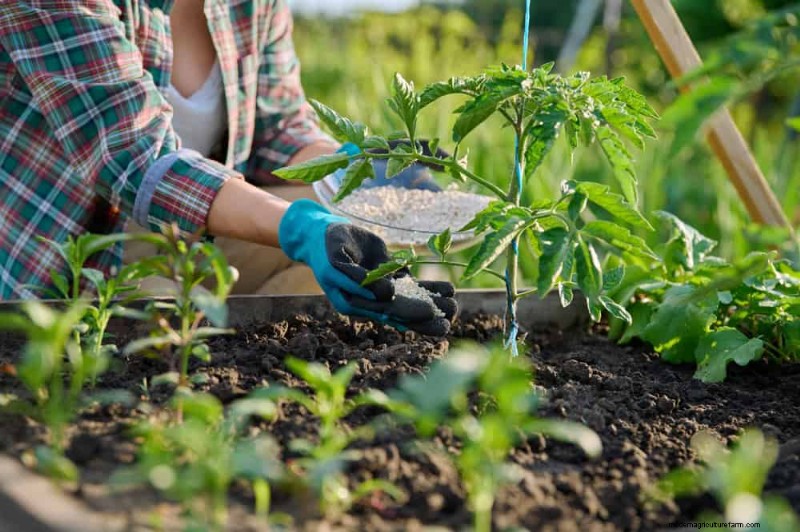
Crushed eggshells serve double duty in the garden as both pest deterrent and soil amendment. Their sharp edges discourage soft-bodied pests like slugs and snails from crossing your garden borders. Simply scatter coarsely crushed shells around vulnerable plants like hostas and lettuce. The crunching sound underfoot as you walk your garden paths confirms they’re still working.
For calcium-hungry plants like tomatoes (Solanum lycopersicum) and peppers (Capsicum annuum), finely ground eggshells prevent blossom end rot. Rinse shells thoroughly, dry them completely, then pulverize them into powder using a coffee grinder. Work this calcium-rich powder into the soil when planting. One dozen eggshells provides enough calcium for two tomato plants; a free solution to a common garden problem.
 Depositphotos
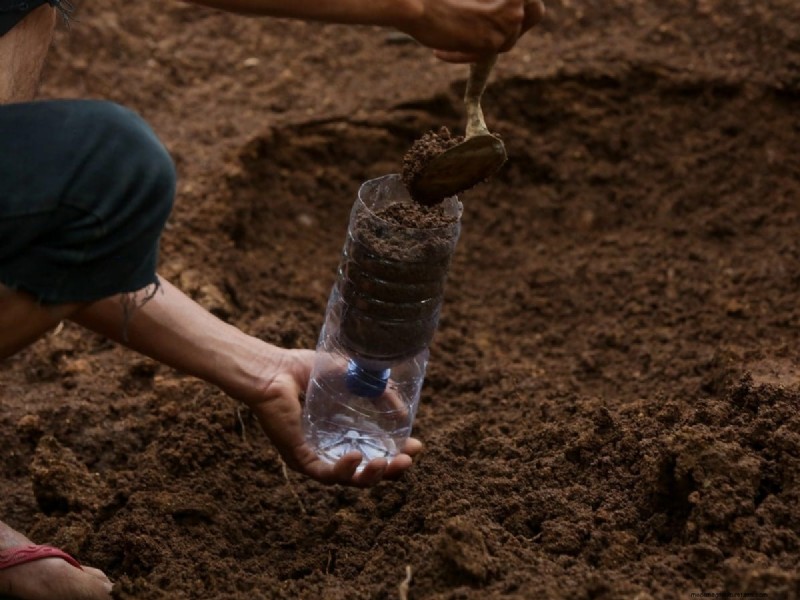
Turn plastic bottles into clever self-watering systems that deliver moisture directly to plant roots. Cut the bottom third from a 2-liter bottle, punch holes in the cap, then invert it into the bottom section. Fill the upper portion with soil and plants, and the lower reservoir with water. The gentle gurgling sound as water moves up into dry soil tells you the system is working perfectly.
These DIY planters work especially well for thirsty herbs like basil (Ocimum basilicum) and moisture-loving vegetables. The consistent water supply reduces plant stress and decreases watering frequency; particularly helpful for container gardens in hot climates from USDA zones 7-10. Each self-watering planter costs nothing to make but saves gallons of water through more efficient delivery and reduced evaporation.
 Depositphotos
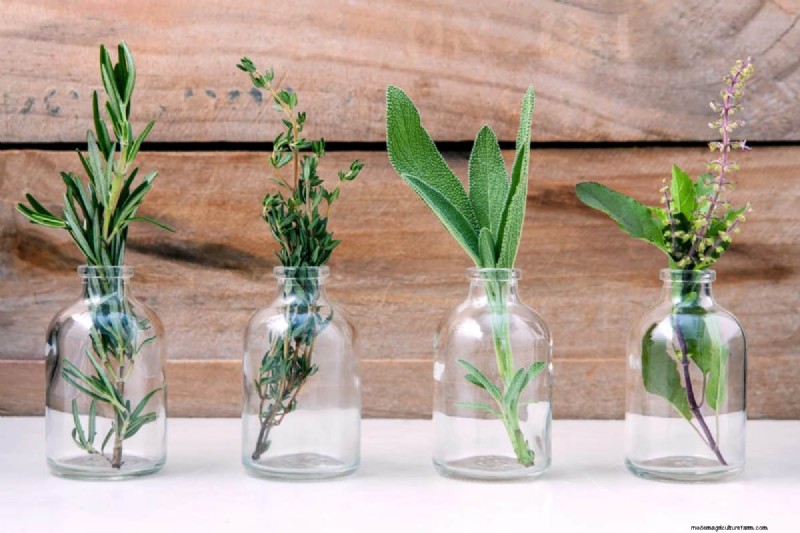
Those fresh herb packages from the supermarket can become the start of your permanent herb garden. Basil, mint (Mentha spp.), rosemary (Rosmarinus officinalis), and many other store-bought herbs readily root in water. Snip 4-inch sections just below a leaf node, remove lower leaves, and place stems in water. The satisfying sight of tiny white roots emerging within days signals your success.
Once roots reach about an inch long, transplant your cuttings to soil. These propagated herbs quickly establish themselves, providing aromatic harvests within weeks. A $3 supermarket herb package can potentially yield dozens of new plants. This technique works year-round in any climate since the initial rooting happens indoors, though tender herbs like basil should only be moved outdoors after frost danger passes.
 Depositphotos
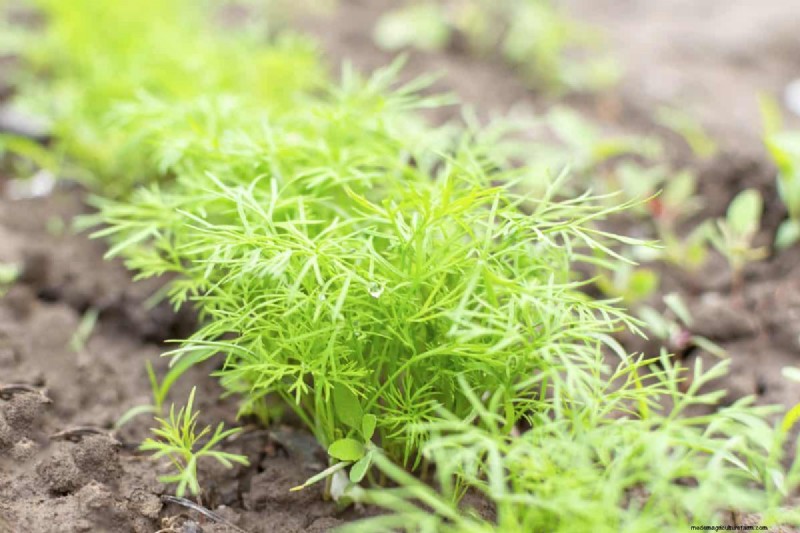
Strategic plant partnerships bring free pest control to your garden. Aromatic herbs like dill (Anethum graveolens) and fennel (Foeniculum vulgare) attract predatory wasps and ladybugs that feast on aphids and caterpillars. The delicate hum of beneficial insects working through your garden becomes a welcome soundtrack on summer afternoons.
Marigolds (Tagetes spp.) repel nematodes and their spicy scent confuses many vegetable pests. Plant them around the perimeter of vegetable gardens for protection. These companion plantings work in all growing zones and eliminate the need for expensive pesticides. A single $3 packet of beneficial-attracting flower seeds can protect hundreds of dollars worth of vegetables throughout the growing season.
 Depositphotos
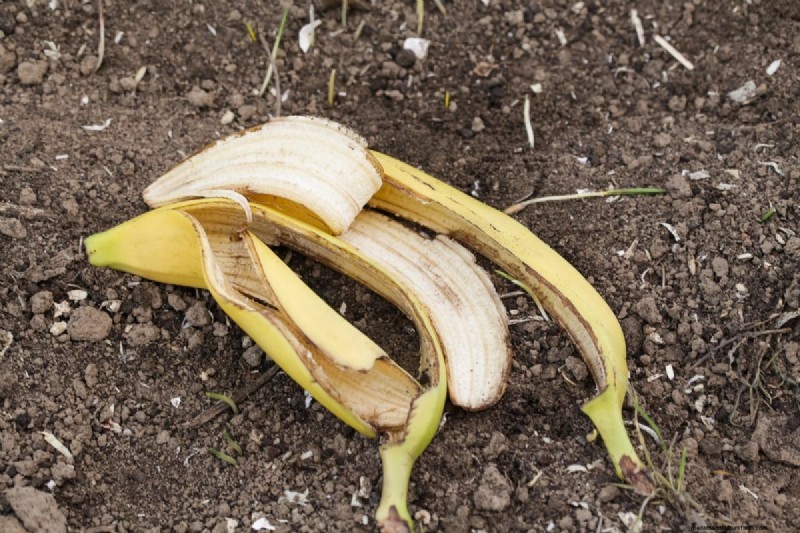
Banana peels deliver potassium and phosphorus, essential nutrients for flowering and fruiting plants. Their sweet, slightly fermented aroma as they break down signals they’re releasing nutrients into your soil. Roses (Rosa spp.) particularly thrive with this free amendment, producing more vibrant blooms and stronger stems.
Simply bury chopped peels 1-2 inches deep near plant roots, or soak peels in water for a week to create a nutrient-rich “banana tea” for watering. For container plants, dry and grind peels into powder for slow-release feeding. This technique works in all climate zones and seasons. A typical household discarding four banana peels weekly could save approximately $20 monthly on commercial fertilizers while reducing waste.
 Shutterstock
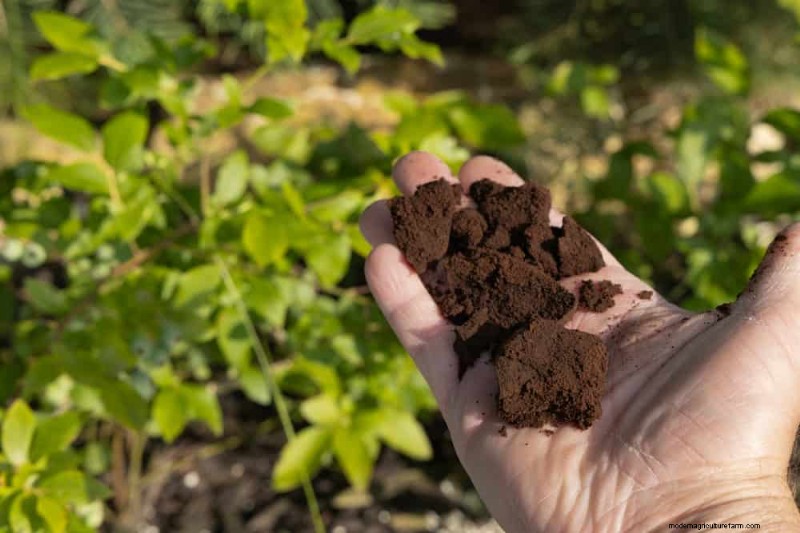
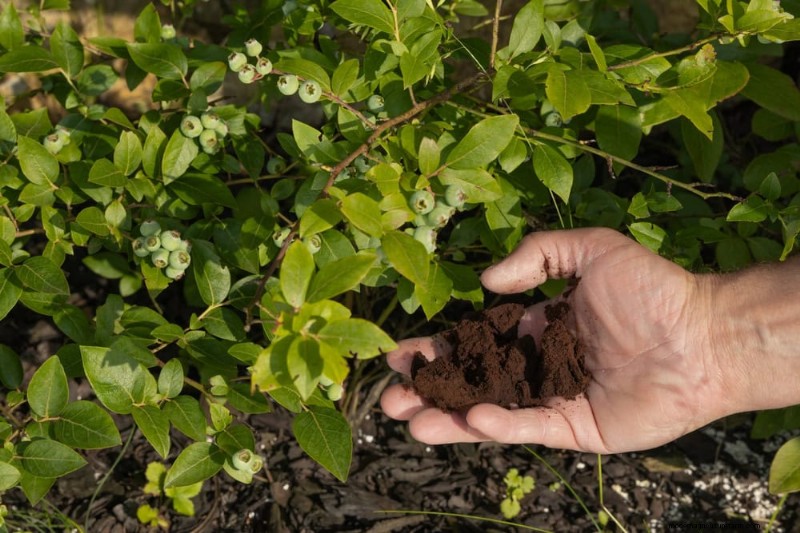
Used coffee grounds provide nitrogen and slightly acidify soil; perfect for acid-loving plants like blueberries (Vaccinium spp.), azaleas (Rhododendron spp.), and hydrangeas (Hydrangea macrophylla). Their rich, earthy scent mingles with garden soil, creating that distinctive morning-after-rain fragrance that signals a healthy growing environment.
Sprinkle spent grounds directly around plants or add them to your compost pile for slower release. In northern gardens (zones 3-6), coffee grounds also help deter slugs with their abrasive texture. Ask local coffee shops for their discarded grounds; many happily give them away. A weekly five-pound bag of grounds provides free fertilizer equivalent to a $15 monthly commercial product while improving soil structure and supporting beneficial soil microbes.
 Depositphotos
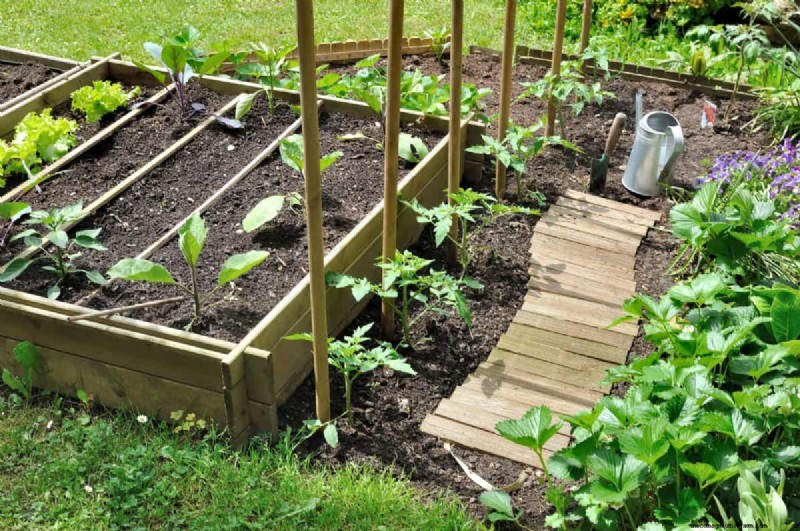
Salvaged lumber transforms into productive growing space at a fraction of retail cost. Wooden pallets, old fence boards, and discarded construction lumber make perfect materials for raised beds. The satisfying thunk of soil filling these upcycled frames represents significant savings; commercial raised bed kits often cost $100 or more.
For food gardens, avoid pressure-treated lumber which may contain chemicals. Cedar (Thuja spp.) and redwood (Sequoia sempervirens) naturally resist rot, making them ideal choices if available. In cold regions (zones 3-5), raised beds warm up earlier in spring, extending your growing season by weeks. A typical 4’×8′ raised bed built from reclaimed materials costs under $10 compared to $150+ for new materials, while growing up to $200 worth of produce annually.
 Depositphotos
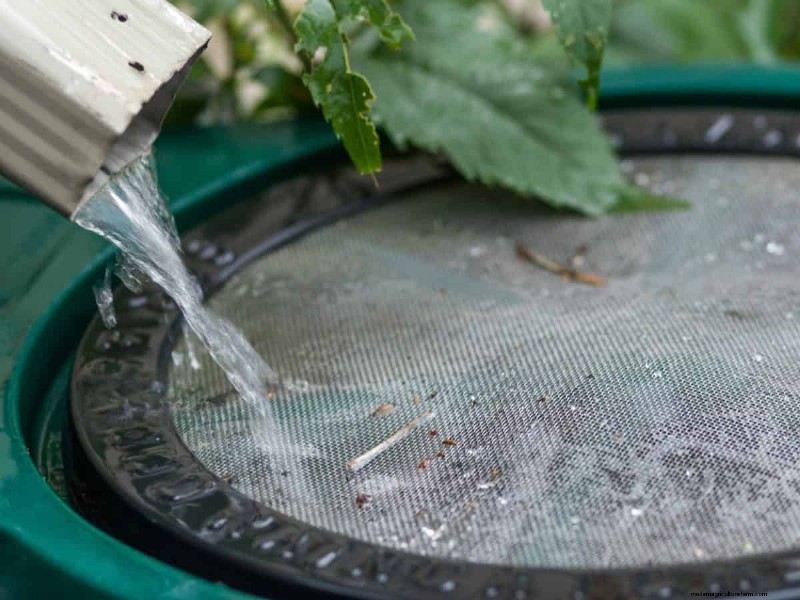
Harvest free water from the sky using recycled containers positioned under downspouts. The rhythmic patter of rain filling your collection system brings satisfaction knowing you’re capturing this essential resource without spending a penny. Plants respond particularly well to rainwater’s natural softness and lack of chlorine.
Large food-grade plastic drums make excellent collectors, but even clean trash cans work effectively with minor modifications. Add mosquito-preventing screens to openings and elevate containers for gravity-fed watering. This approach is especially valuable in drought-prone regions (zones 7-10) where summer water restrictions are common. A modest 55-gallon rain barrel saves approximately 1,300 gallons of municipal water annually, roughly $50 in water costs depending on your location.
 Depositphotos
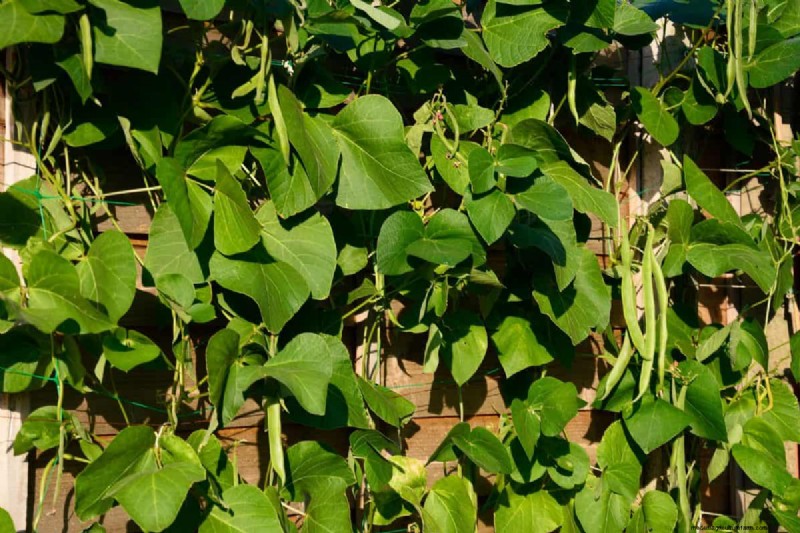
Focus on crops that deliver maximum harvest from minimal space. Vertical growers like pole beans (Phaseolus vulgaris) produce three times more than bush varieties in the same footprint. Their gentle rustling in summer breezes accompanies weeks of abundant harvests. Cut-and-come-again vegetables like leaf lettuce (Lactuca sativa) and Swiss chard (Beta vulgaris subsp. vulgaris) provide multiple harvests from a single planting.
Dwarf varieties bred for containers offer full-sized harvests in tiny spaces. ‘Patio Baby’ eggplant and ‘Tiny Tim’ tomatoes produce remarkably well in pots as small as 12 inches. These space-efficient approaches work in all climate zones and are particularly valuable for urban gardeners. A well-planned 4’×4′ intensive garden can produce over $200 worth of vegetables throughout the growing season from less than $20 in seeds.
 Depositphotos
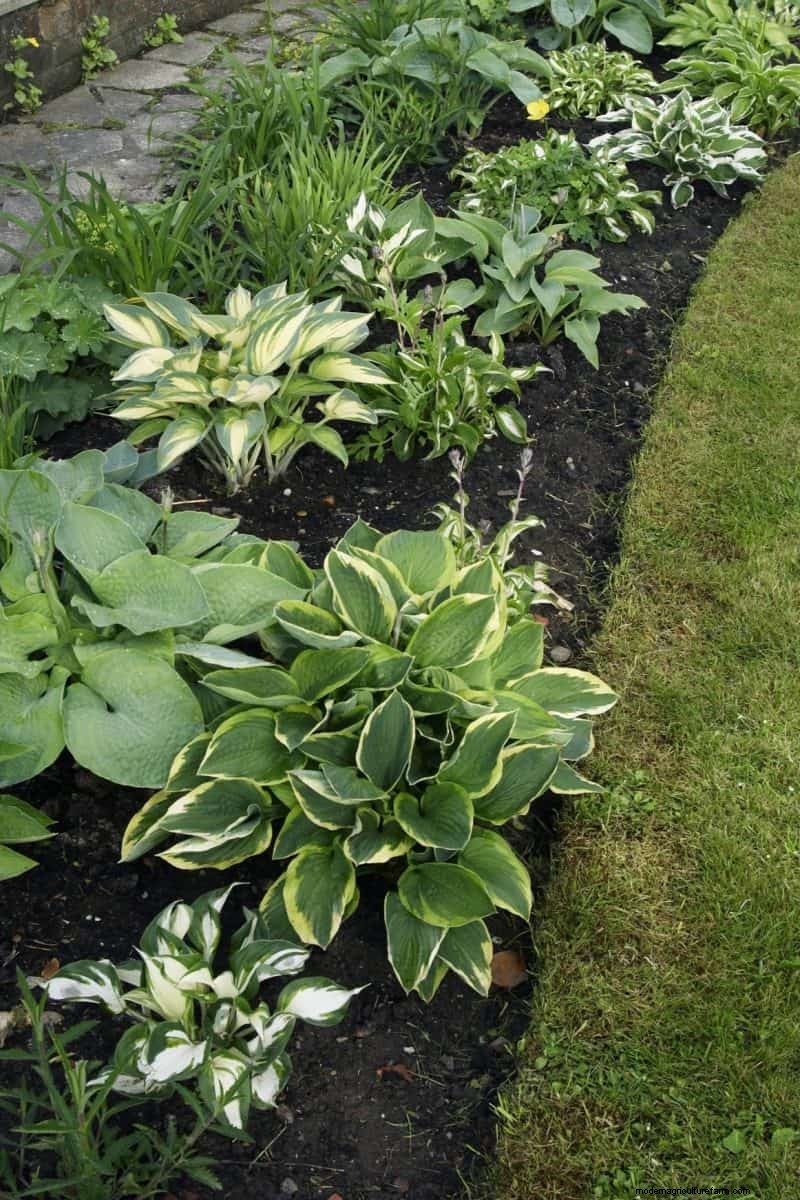
Many established perennials benefit from regular division, creating free new plants in the process. Hostas (Hosta spp.), daylilies (Hemerocallis spp.), and ornamental grasses naturally expand into dividable clumps every few years. The satisfying snap as you separate root sections promises new garden additions without spending a dime.
Spring and fall offer ideal division windows in most regions, though specific timing varies by plant type. Divided sections quickly establish themselves, often blooming in their first season. This technique works in all growing zones and creates genetically identical plants that thrive in your specific garden conditions. A single mature perennial can often be divided into 3-5 new plants, saving $45-75 compared to nursery prices while reinvigorating the parent plant.
 Depositphotos
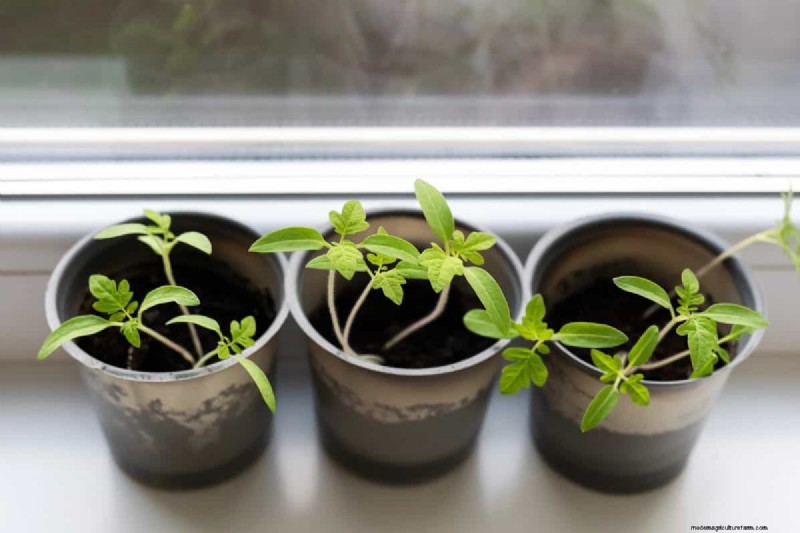
Your kitchen and recycling bin hold numerous garden tool alternatives. Plastic milk jugs transform into perfect scoops for potting soil and fertilizer. The swooshing sound as you move materials reminds you of the money saved over store-bought equivalents. Plastic forks become seedling markers, and yogurt containers with punctured bottoms make ideal starter pots.
Old silverware bends easily into custom garden tools; forks become cultivators, knives transform into row markers, and spoons work as mini trowels. This creative reuse approach works anywhere, regardless of climate or garden size. A collection of repurposed tools saves $30-50 compared to basic commercial garden tools while reducing waste and encouraging resourcefulness.
 Depositphotos
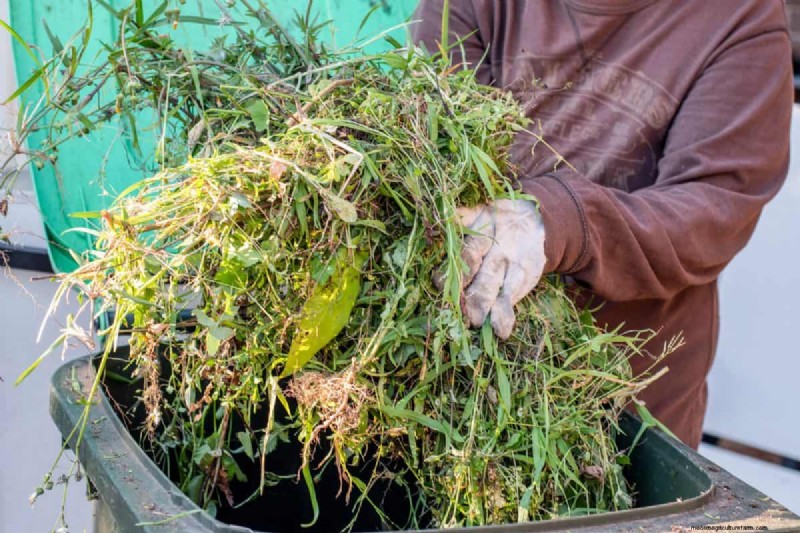
Nature provides perfect mulch materials each time you mow or rake. Grass clippings laid in thin layers quickly dry into effective weed barriers that slowly release nitrogen. Their sweet, sun-dried scent signals they’re ready to apply around garden plants. Shredded fallen leaves create insulating winter mulch that gradually decomposes to enrich soil.
For vegetable gardens, this free mulch conserves moisture and suppresses weeds while slowly feeding plants. In northern zones (3-6), leaf mulch provides crucial winter root protection. In hot southern regions (zones 8-10), mulch reduces water requirements by up to 50%. A typical suburban yard produces enough natural mulch to cover 500 square feet of garden beds, saving approximately $75 compared to purchased mulch while reducing yard waste.
 Shutterstock
Organize or participate in plant exchange events where gardeners share divisions, seeds, and cuttings. The excited chatter of gardeners trading knowledge alongside plants creates community while expanding your garden for free. Easy-to-root plants like coleus (Plectranthus scutellarioides), pothos (Epipremnum aureum), and succulents become valuable trade currency.
Community college horticulture departments, garden clubs, and local libraries often host these events seasonally. Even informal neighborhood exchanges yield impressive variety. This approach works year-round, though spring and fall typically feature more perennial divisions. A dedicated plant trader can potentially acquire hundreds of dollars worth of new plants annually through thoughtful exchanges.
 Depositphotos
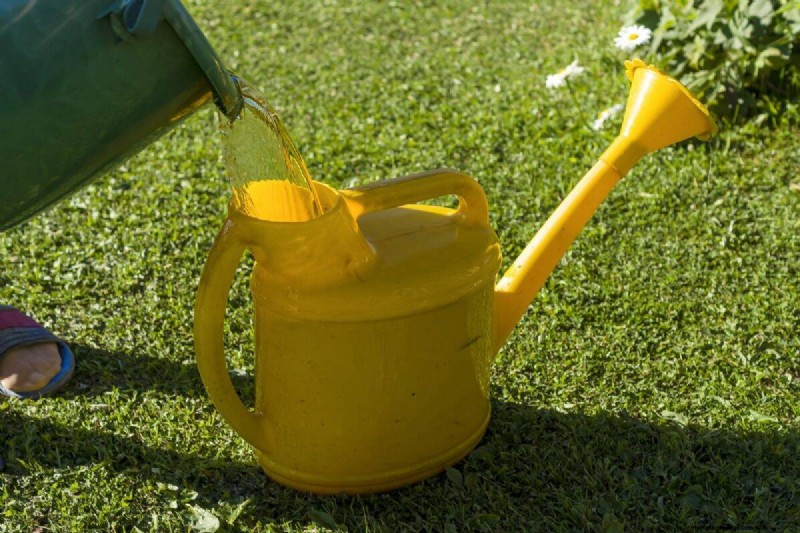
Capture and redirect water from sinks, showers, and laundry to nourish thirsty garden plants. The satisfying splosh as this reclaimed water reaches soil represents both conservation and savings. Simpler approaches include keeping buckets in showers to catch warm-up water or using rinse water from vegetable preparation.
For laundry water, use only loads washed with biodegradable, phosphate-free detergents. Direct gray water to ornamental plants and trees rather than edible crops with ground-level parts. This approach is particularly valuable in drought-prone western states (zones 7-10) but offers benefits everywhere. A household redirecting shower and vegetable-rinsing water can save 1,000+ gallons annually; approximately $40 in water costs while reducing strain on local water systems.
 Depositphotos
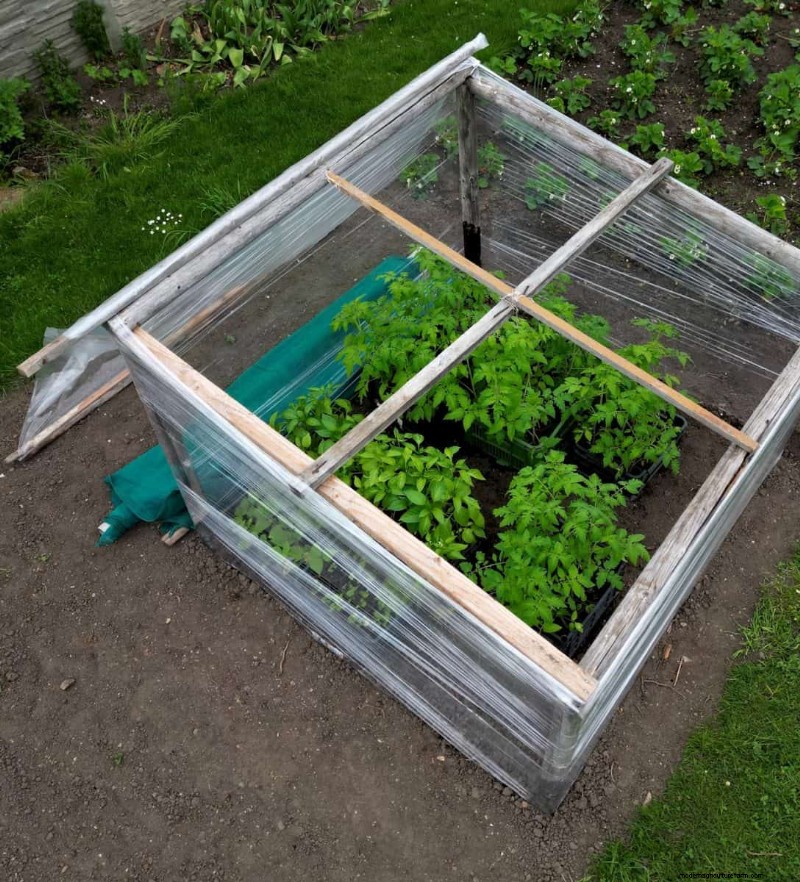
Extend your growing season by weeks or months using DIY cold frames built from reclaimed materials. Old windows or clear plastic sheeting attached to wooden frames create protective microclimates for plants. The pleasant earthy aroma released when you lift the lid on a sunny winter day signals successful season extension.
Position cold frames in south-facing locations to maximize solar gain. In northern zones (3-6), these structures allow for harvests weeks after first frost and enable earlier spring planting. Even modest 3’×3′ cold frames can produce $75+ worth of cool-season vegetables during traditional off-seasons. Building with salvaged materials reduces costs to $10-15 compared to $100+ for commercial versions.
 Depositphotos
These money-saving garden hacks prove that beautiful, productive gardens don’t require big budgets. By working with natural cycles, repurposing materials, and sharing with other gardeners, you can create an abundant outdoor space that nourishes both body and soul without emptying your wallet.
Start with just a few of these approaches that match your garden style and regional conditions. Each small change builds toward a more sustainable, economical garden system. Your plants won’t know the difference between expensive store-bought solutions and these clever alternatives, but your bank account certainly will.