Welcome to Modern Agriculture!

 Depositphotos
July brings the full heat of summer to gardens across the country. The vibrant colors of daylilies, coneflowers, and summer vegetables create a tapestry of life, but this abundance comes with responsibilities.
Soaring temperatures, opportunistic pests, and thirsty plants demand your attention during this critical growing month. Maintaining your garden in July ensures continuous harvests and prolonged blooming throughout the remainder of the growing season.
With strategic care now, you’ll enjoy garden bounty well into fall and set the stage for future success. Let’s explore the essential tasks to keep your garden thriving through summer’s peak.
 Depositphotos
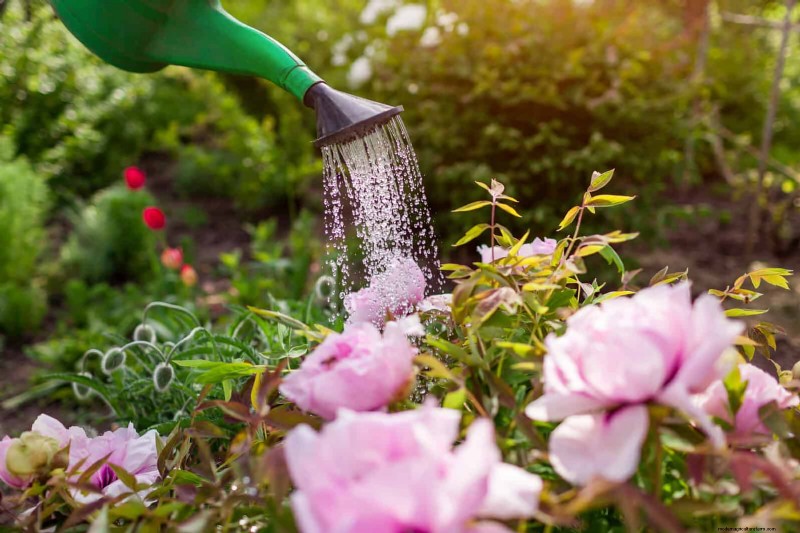
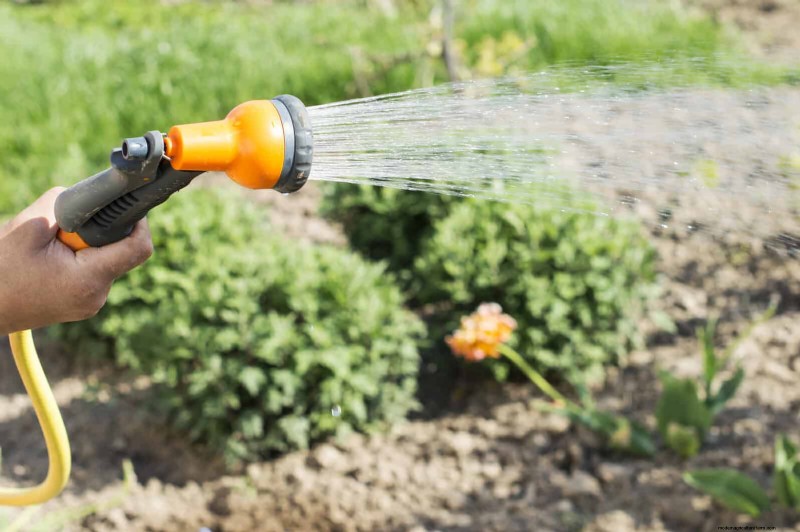
July’s intense heat means water evaporates quickly from soil surfaces. Instead of frequent shallow watering, focus on deep, thorough soaking 2 to 3 times weekly.
This encourages roots to grow downward, accessing moisture reserves deeper in the soil and water at the soil level rather than overhead to prevent fungal diseases that thrive in humid conditions.
Early morning watering (between 5 and 9 a.m.) allows plants to absorb moisture before the day’s heat intensifies. This timing also reduces evaporation loss and gives foliage time to dry, minimizing disease risk.
For container gardens, check moisture levels daily. Pots dry out much faster than in-ground plantings, sometimes requiring twice-daily hydration during heat waves.
 Depositphotos
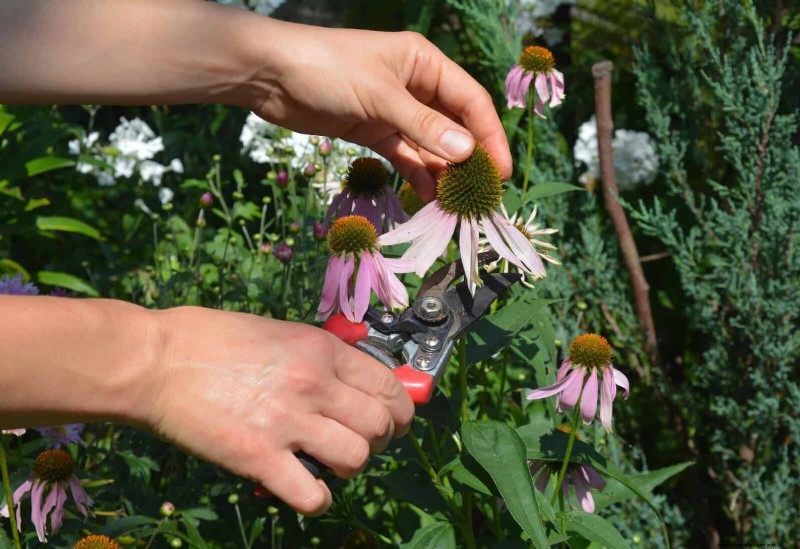
To encourage continued flowering, remove spent blooms from perennials like coneflowers (Echinacea purpurea), black-eyed Susans (Rudbeckia fulgida), and daylilies (Hemerocallis spp.).
Snip faded flowers just below the bloom, cutting back to the next set of healthy leaves or buds. The satisfying snap of stems as you remove withered blooms will soon be rewarded with fresh flushes of color.
For plants like lavender (Lavandula angustifolia) and catmint (Nepeta spp.), shearing the entire plant by about one-third after their first flush of blooms often triggers a second flowering period. As you work, breathe in the aromatic oils released from these herbs – an added sensory bonus to this essential maintenance task.
We'll email it to you so you can read it later!
By saving, you agree to receive occasional emails. Unsubscribe anytime.
 Depositphotos
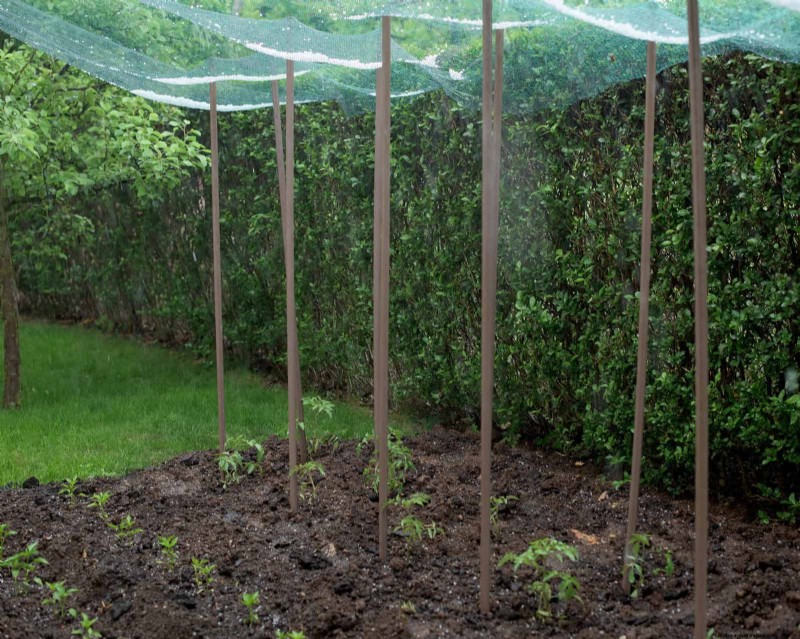
When temperatures climb above 90°F, even sun-loving plants can struggle. Create temporary shade using shade cloth, old bed sheets, or umbrellas positioned to block the afternoon sun (the most intense).
Pay special attention to leafy greens like lettuce (Lactuca sativa) and spinach (Spinacia oleracea), which may bolt (produce flowers and seeds) prematurely in extreme heat. Heat-stressed plants display telltale signs: wilting despite adequate soil moisture, leaf scorching (brown, crispy edges), and stunted growth.
Light misting in the evening helps vulnerable plants recover, allowing leaves to absorb moisture overnight. For particularly sensitive plants like hydrangeas (Hydrangea macrophylla), consider relocating containers to morning-sun-only positions until temperatures moderate.
 Depositphotos
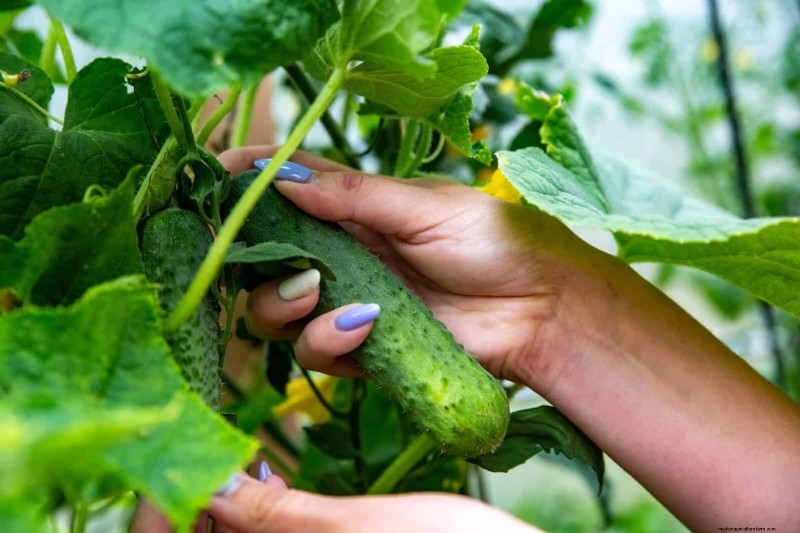
July’s warmth accelerates vegetable production, making daily garden checks essential. Zucchini (Cucurbita pepo) and cucumbers (Cucumis sativus) can grow from tiny to oversized within days.
The gentle tug of a perfectly ripe tomato (Solanum lycopersicum) separating from its stem signals peak flavor. Harvest in the early morning when vegetables are crispest and most flavorful.
Regular harvesting stimulates plants to produce more fruit. Green beans (Phaseolus vulgaris) will continue setting pods for weeks if picked every 2 to 3 days.
Sweet corn (Zea mays) reaches perfect ripeness when the silks turn brown and the kernels release a milky juice when punctured with a fingernail. Listen for the distinctive snap of fresh beans and the rustling of corn husks, which signal garden abundance.
 Depositphotos
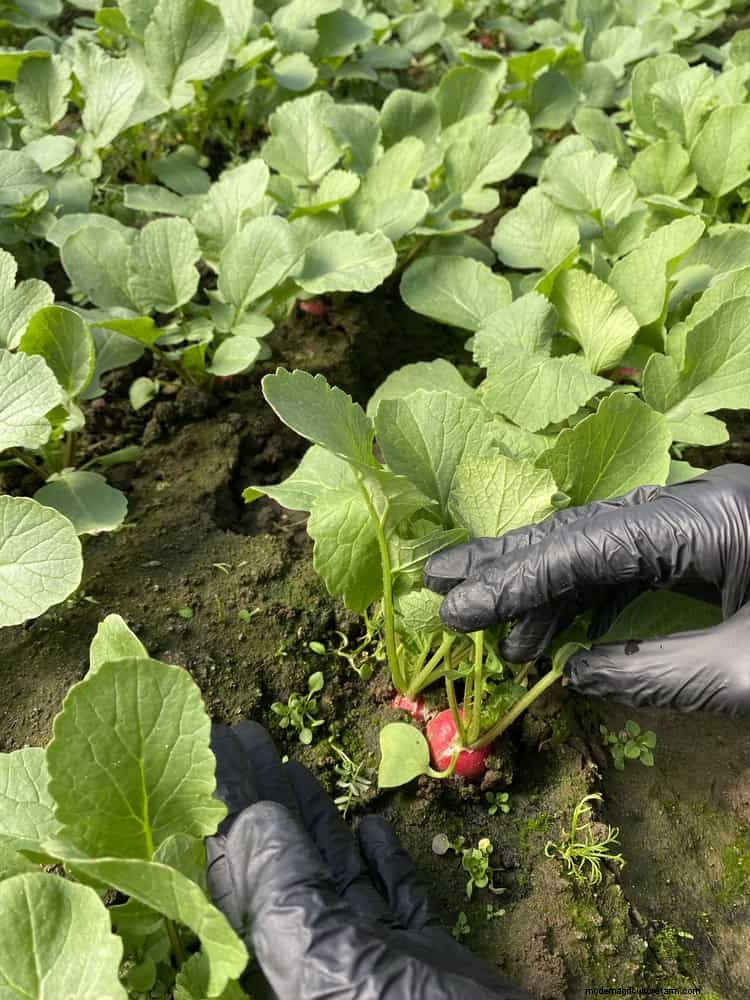
July’s warmth brings peak insect activity. Inspect the undersides of leaves daily for aphid colonies, spider mites, and caterpillars. Japanese beetles (Popillia japonica) emerge in many regions, attracted to roses (Rosa spp.) and raspberry foliage (Rubus spp.).
Hand-pick these metallic green pests in the early morning when they’re sluggish, dropping them into soapy water. Introduce beneficial insects like ladybugs and lacewings to handle aphid outbreaks naturally.
For stubborn infestations, try neem oil or insecticidal soap, applying in the evening hours to avoid harming pollinators. Remember that seeing some insect damage indicates a healthy ecosystem; perfect produce exists only in grocery stores, not thriving gardens where nature maintains its balance.
 Depositphotos
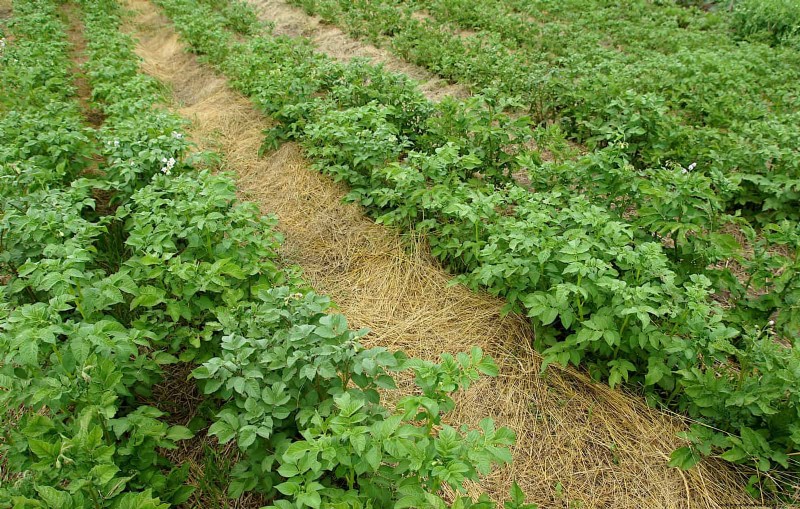
Refreshing mulch around plants creates a protective barrier that keeps soil cool and moist during July’s heat. Apply a 2 to 3-inch layer of organic material like shredded leaves, straw, or bark chips, keeping it slightly away from plant stems to prevent rot.
The earthy aroma of fresh mulch signals renewed soil protection, while its rich textures add visual interest to garden beds. Different mulches suit different areas; pine needles work beautifully around acid-loving plants like blueberries (Vaccinium spp.), while cocoa hull mulch releases a chocolate scent in ornamental beds.
Straw provides excellent coverage for vegetable gardens without harboring pests. In arid Western regions, consider inorganic mulches like gravel for drought-tolerant landscapes, which reflect heat away from plants.
 Depositphotos
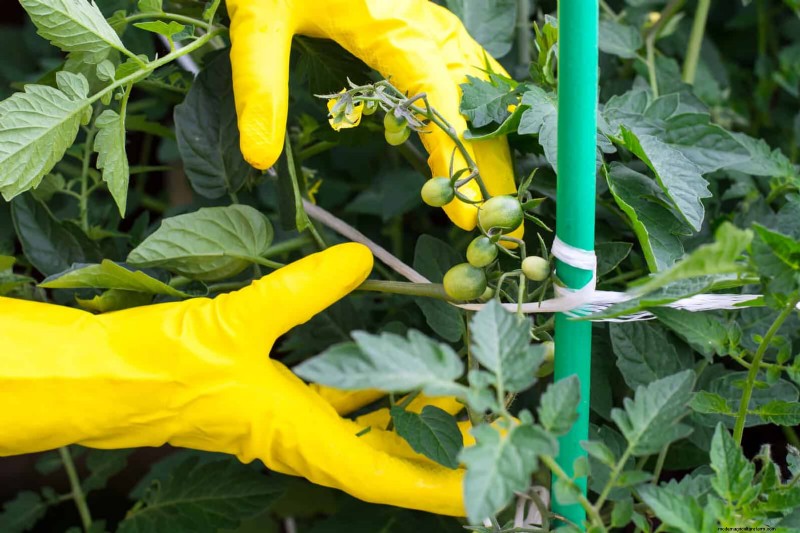
Summer storms can topple top-heavy bloomers like dahlias (Dahlia spp.), gladiolus (Gladiolus spp.), and tomatoes. Install sturdy supports before plants reach full height, using materials that blend with the garden aesthetic: bamboo poles, decorative metal stakes, or natural branch cuttings.
The gentle swaying of properly supported plants during summer breezes creates dynamic movement without damage. For tomatoes and climbing vegetables, implement the Florida weave system using stakes and twine, which provides flexible support as plants grow.
Delphinium (Elatum) and hollyhocks (Alcea rosea) benefit from individual stakes placed discreetly behind the plant. Secure stems with soft materials like twine or fabric strips that won’t cut into growing tissue as plants sway in summer winds.
 Depositphotos
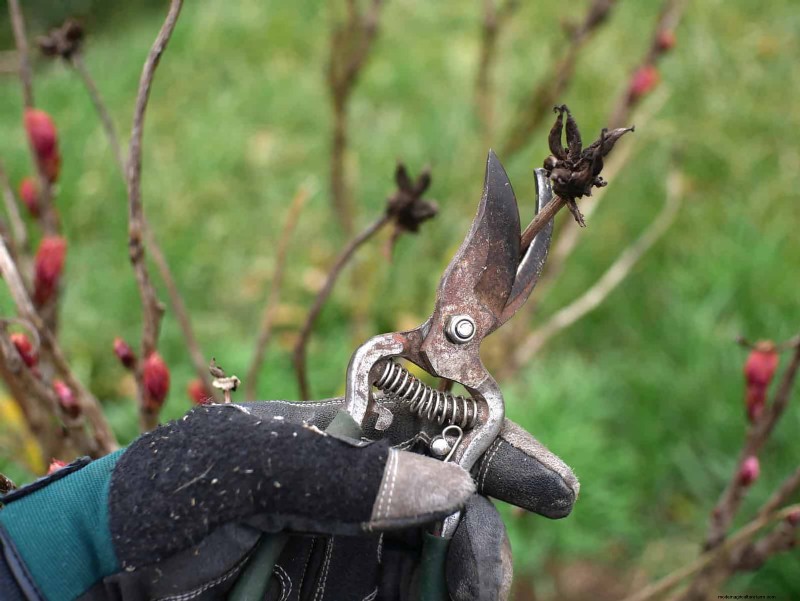
July provides the perfect window to prune spring bloomers like lilacs (Syringa vulgaris), forsythia (Forsythia spp.), and rhododendrons (Rhododendron spp.) without sacrificing next year’s flowers. These shrubs set their buds on the current season’s growth, so pruning now gives them time to develop flower buds for spring.
Make clean cuts just above outward-facing buds to encourage balanced growth. While pruning, reshape overgrown specimens by removing up to one-third of older stems at the base.
This rejuvenation technique improves air circulation and light penetration through the shrub. The resulting new growth emerges with vibrant bark colors and increased vigor, transforming mature specimens from woody tangles into showcases of natural form.
 Depositphotos
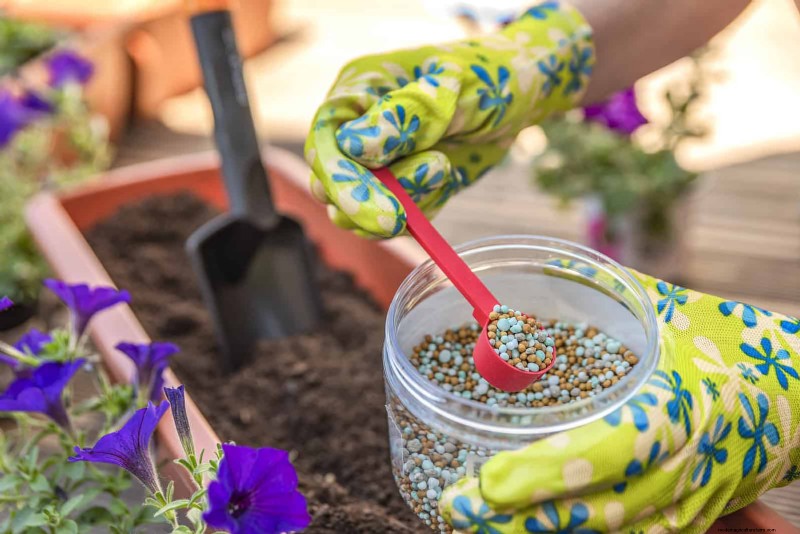
Flowering annuals like petunias (Petunia × atkinsiana) and vegetables like tomatoes deplete soil nutrients quickly during peak growth. To sustain production, apply a balanced organic fertilizer or compost tea halfway through the growing season.
For flowering plants, choose formulations higher in phosphorus (the middle number in fertilizer ratios) to encourage blooms rather than leaf growth. Observe plant signals that indicate nutrient deficiencies; yellowing lower leaves often suggest nitrogen shortage, while purple leaf undersides may indicate phosphorus deficiency.
Rose enthusiasts should apply their final feeding of the season in early July to allow plants time to harden off before fall. In southern zones, where growing seasons extend longer, continue feeding programs through August.
 Depositphotos
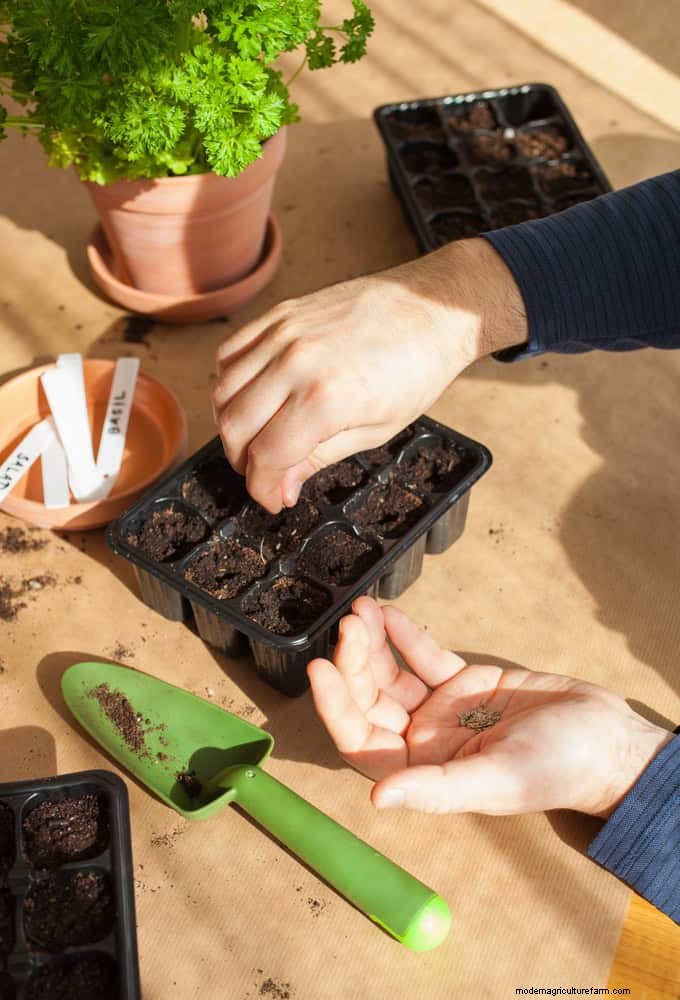
While summer crops flourish, July marks the perfect time to start seeds for fall harvests. Direct-sow quick-growing crops like radishes (Raphanus sativus), lettuce, and spinach in partially shaded areas to protect seedlings from intense sun.
Fall-grown greens’ superb, crisp taste offers distinctive flavors that summer-grown counterparts can’t match. In cooler northern regions (zones 3 to 5), start brassicas like kale (Brassica oleracea var. sabellica) and Brussels sprouts (Brassica oleracea var. gemmifera) indoors for transplanting in August.
Southern gardeners (zones 7 to 9) can direct-seed these crops in September. The earthy scent of freshly watered soil and emerging seedlings signals the garden’s second wind as summer gradually transitions toward fall.
 Depositphotos
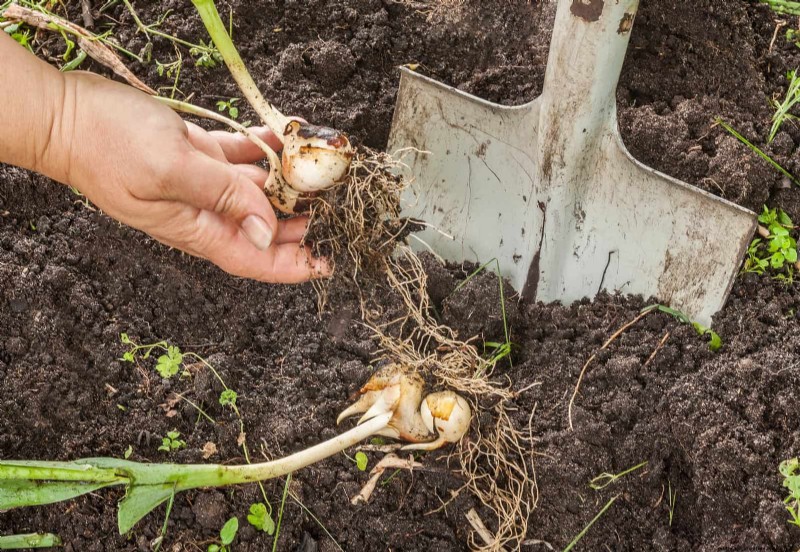
Once the foliage has completely yellowed, dig and divide overcrowded spring-flowering bulbs like daffodils (Narcissus spp.) and tulips (Tulipa spp.). Gently separate bulb clusters, discarding any that feel soft or show signs of disease.
The distinctive papery texture of healthy bulbs indicates their readiness for replanting in refreshed soil, where they’ll gather strength for next spring’s display. After dividing, store bulbs in mesh bags in a superb, dry location until fall planting time.
This process improves flowering and allows you to expand your display by replanting divisions in new garden areas. Early-blooming snowdrops (Galanthus nivalis) and crocuses (Crocus spp.) benefit most from July division, as they begin forming new roots earlier than later spring bloomers.
 Depositphotos
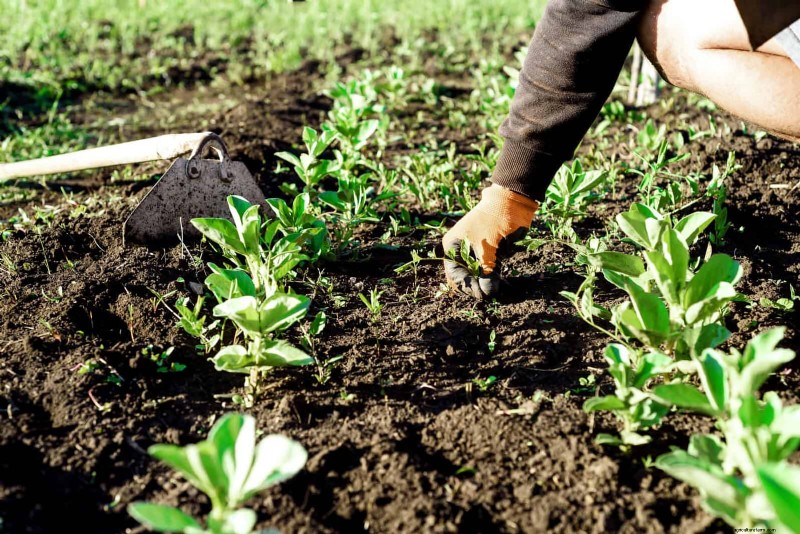
July’s heat accelerates weed growth and seed production. Target weeds like crabgrass (Digitaria spp.) and purslane (Portulaca oleracea) before they flower and set seeds that can remain viable in the soil for years.
When the soil is slightly damp, morning weeding makes removal easier and brings with it the distinctive earthy aroma of freshly worked ground. For persistent weeds with deep taproots, like dandelions (Taraxacum officinale), use a weeding tool that removes the entire root.
In mulched beds, pull young weeds while they’re small enough that their removal won’t disturb established mulch layers. Remember the gardener’s adage: “One year of seeds, seven years of weeds”; motivation to prevent even a single weed from going to seed.
 Depositphotos
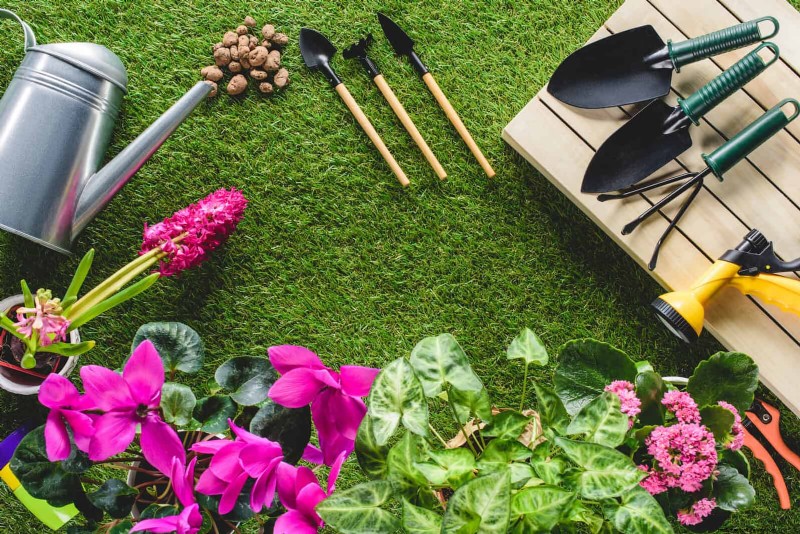
Mid-season tool maintenance prevents the spreading of plant diseases and ensures tools remain effective. After each use, remove soil from digging tools, sharpen dulled edges on pruners, and disinfect cutting tools with a 10% bleach solution or rubbing alcohol.
Properly sharpened pruners’ distinctive metallic ping makes gardening tasks more efficient and less stressful on plants. Oil wooden handles with linseed oil to prevent splitting in summer heat and humidity.
Check irrigation systems for clogged emitters or leaking connections, adjusting watering schedules as plants mature and weather patterns change. Taking time for these maintenance tasks now prevents frustrations during the growing season’s most demanding period.
 Depositphotos
July’s abundant insect populations attract natural predators that help maintain garden balance. Install shallow water sources for birds and beneficial insects, refreshing them daily to prevent mosquito breeding.
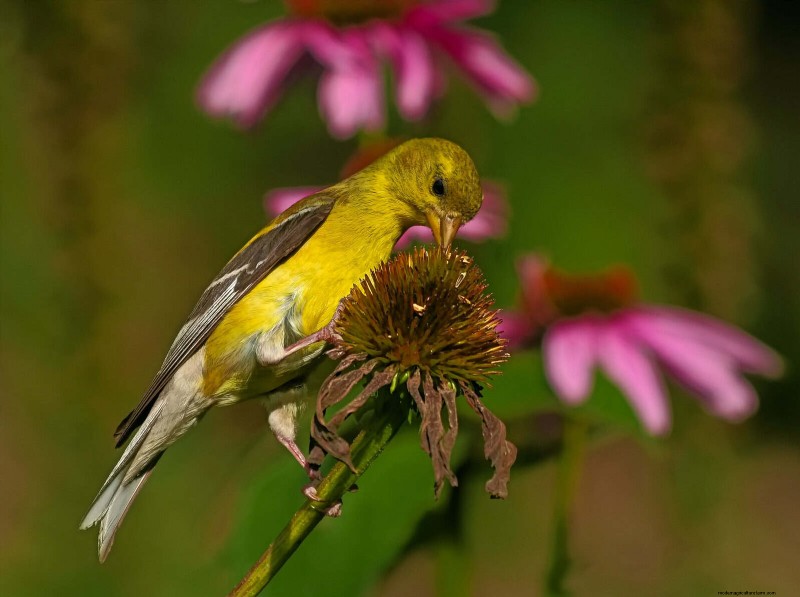
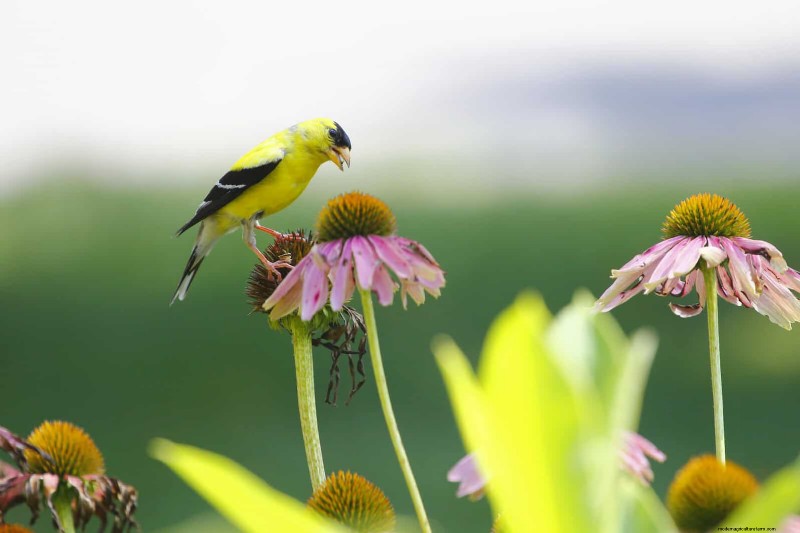
The gentle buzzing of pollinators and melodic bird songs create the soundtrack of a healthy summer garden ecosystem working in harmony. Leave patches of native flowers like purple coneflower (Echinacea purpurea) and black-eyed Susan to go to seed, providing food for goldfinches and other seed-eating birds.
Consider adding a small brush pile in a garden corner to shelter beneficial creatures like toads and snakes that consume slugs and other pests. These wildlife partnerships reduce the need for intervention while enhancing the sensory experience of your summer garden.
 Depositphotos
July gardening balances maintaining spring’s achievements and preparing for autumn’s transition. The time invested now in thoughtful care ensures continuous beauty and harvest through summer’s peak and beyond.
Each strategic watering, timely pruning, and preventative measure builds garden resilience. As you work through this maintenance checklist, take moments to engage with your garden’s sensory gifts: the sun-warmed fragrance of tomato foliage, the satisfying snap of a perfectly ripe bean, and the gentle rustle of ornamental grasses catching summer breezes.
These small pleasures remind us that gardens are never merely tasks to complete but living relationships that enrich our lives through every season.