
Welcome to Modern Agriculture!

 Depositphotos
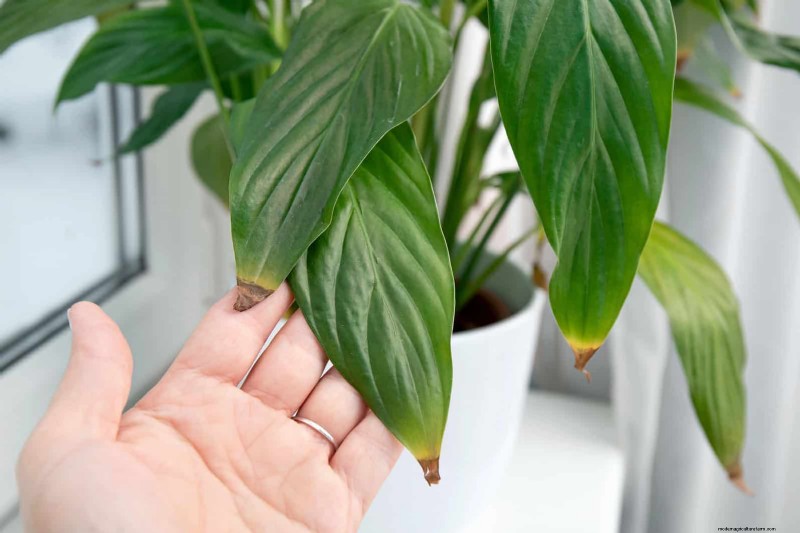
You’ve been doing everything right; regular watering, proper light, maybe even some encouraging plant talk, yet your green companions still look unhappy. When plants struggle despite your best efforts, the cause often lies beyond the basic care guidelines.
Many gardeners face mysterious plant problems that stem from sources they’d never suspect. These hidden factors could sabotage their indoor or outdoor gardens without their knowledge.
By understanding these unusual culprits, you can finally solve those persistent plant issues and help your garden thrive again. Let’s explore some surprising reasons behind your plants’ decline that most care guides never mention.
 Depositphotos
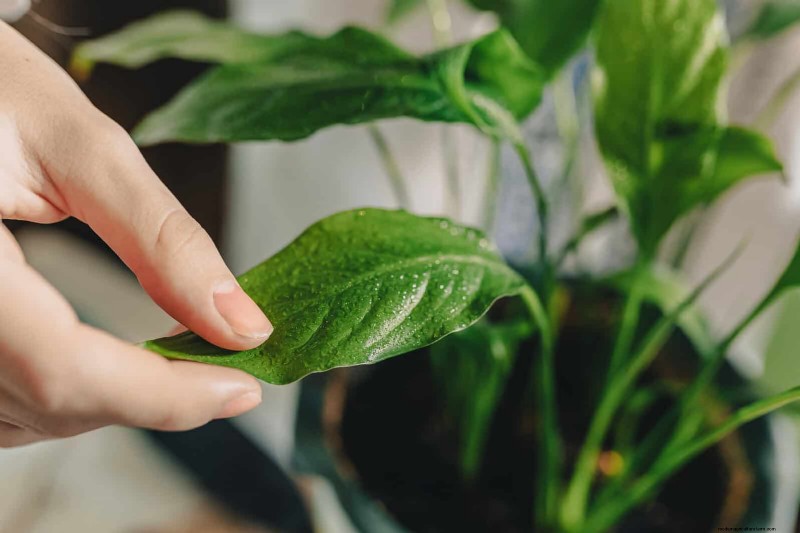
Your electronics might be secretly stressing your plants. Wi-Fi routers, televisions, and other electronic devices emit electromagnetic fields that some research suggests may interfere with plant growth patterns.
Plants near these devices sometimes exhibit unusual growth habits, like leaning away from the source or developing asymmetrical foliage. This is particularly noticeable in sensitive species like peace lilies and ferns.
Consider creating an “electronics-free zone” for your most treasured plants. Moving them just a few feet away from major sources of electromagnetic fields can significantly improve their health.
Some gardeners report that their struggling plants recovered quickly after being relocated away from high-tech areas of their homes.
 Depositphotos
You can easily check if electromagnetic fields are affecting your plants. Try rotating your plants regularly or temporarily moving them to a different area of your home for two weeks. Keep a simple journal noting any improvements in growth, leaf color, or overall plant vigor after the change.
Many indoor gardeners are surprised to discover their plants perk up within just a week or two after being moved away from electronic devices. Pay special attention to plants placed near wireless routers, television sets, and microwave ovens.
These common household items produce stronger electromagnetic fields than many other electronics. Thin-leaved varieties often show signs of stress before thicker-leaved plants do. Consider this factor, especially if your plants develop unusual growth patterns without any other clear cause.
We'll email it to you so you can read it later!
By saving, you agree to receive occasional emails. Unsubscribe anytime.
 Depositphotos
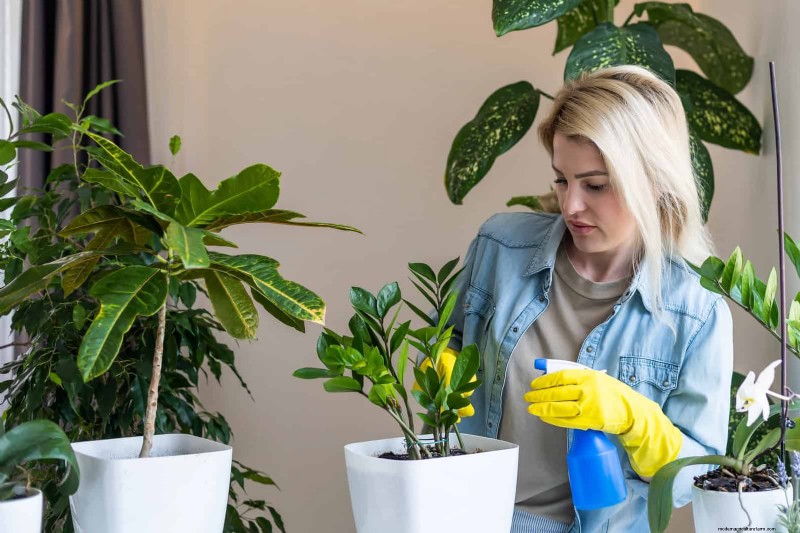
The clothes you wear while caring for your plants might be causing harm. Synthetic fabrics shed tiny microplastic fibers that can settle on your plants and soil.
These microscopic particles can clog the stomata (breathing pores) on plant leaves, interfering with their ability to exchange gases and photosynthesize properly. Plants affected by microfiber buildup often develop a dull appearance and may show signs of poor respiration.
Natural fiber clothing like cotton, linen, or hemp releases far fewer problematic particles. Consider changing into natural fabrics before your plant care sessions, especially for indoor plants in enclosed spaces.
Regular gentle leaf cleaning can also help remove accumulated fibers that may be suffocating your plant’s respiratory system.
 Depositphotos
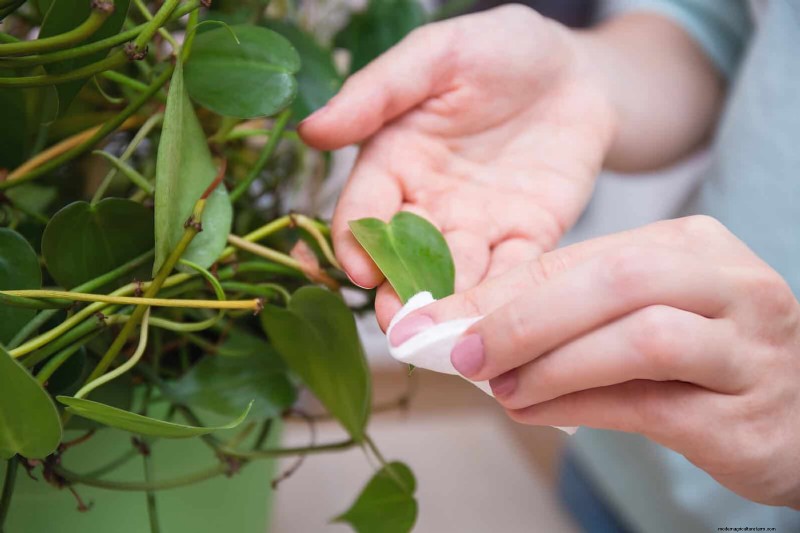
Implementing a regular leaf-cleaning routine can significantly reduce microfiber buildup on your plants. Use lukewarm water and a soft cloth to wipe down broad-leaved plants gently once a month.
For plants with fuzzy or delicate foliage, a soft brush or even a blow dryer on the coolest setting can help remove accumulated fibers without damaging sensitive leaf structures.
Create a dedicated plant-care outfit made from natural materials. This doesn’t need to be fancy; a simple cotton shirt and pants reserved for gardening can significantly reduce the amount of synthetic fibers settling on your plants.
Some serious indoor gardeners even install air purifiers near their plant collections to capture airborne microplastics before they land on plant surfaces, creating a cleaner environment for both you and your plants.
 Depositphotos
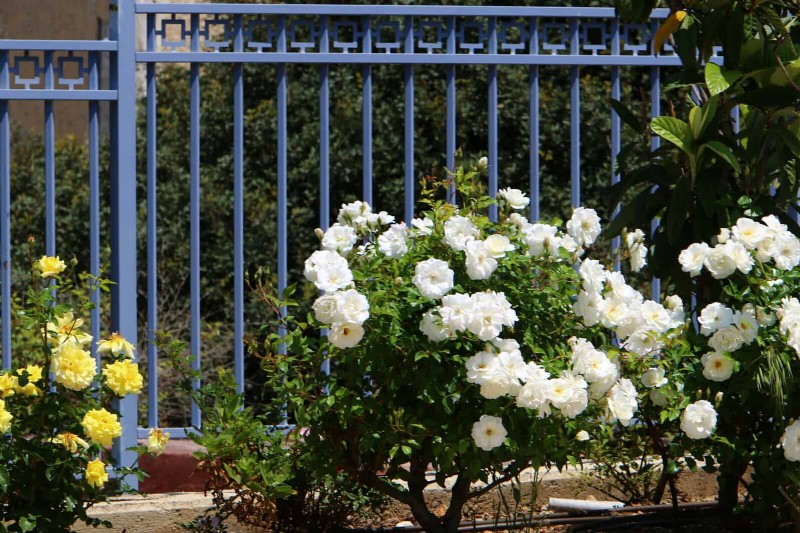
Your struggling garden might be suffering from your neighbor’s lawn care routine. Herbicides, pesticides, and fertilizers can drift surprisingly far, especially on windy days.
These chemicals might not kill your plants outright, but they can cause mysterious symptoms like twisted new growth, unusual spotting, or unexplained decline. Plants closest to property lines often show effects first, with symptoms appearing shortly after nearby chemical applications.
Opening a friendly dialogue with neighbors about coordinating chemical applications can help protect your plants. Creating a buffer zone of resistant plants along property lines provides additional protection.
Some gardeners use temporary barriers, such as garden fabric, during nearby spray days to minimize drift exposure to their most sensitive plants.
 Depositphotos
Physical windbreaks can significantly reduce chemical drift into your garden. Consider installing decorative trellises with climbing plants or a row of shrubs along property lines where chemicals might drift over.
These living barriers capture many airborne particles before they reach your sensitive plants. Dense plantings of evergreens can provide year-round protection and serve as an attractive boundary. Water your plants thoroughly before applying chemicals nearby.
Well-hydrated plants have stronger natural defenses against chemical stress. Covering particularly sensitive specimens with garden fabric or plastic sheeting for 24 to 48 hours during and after nearby spraying can also help protect them.
Just remember to remove these coverings promptly to prevent heat build-up that could cause additional stress to your plants.
 Depositphotos
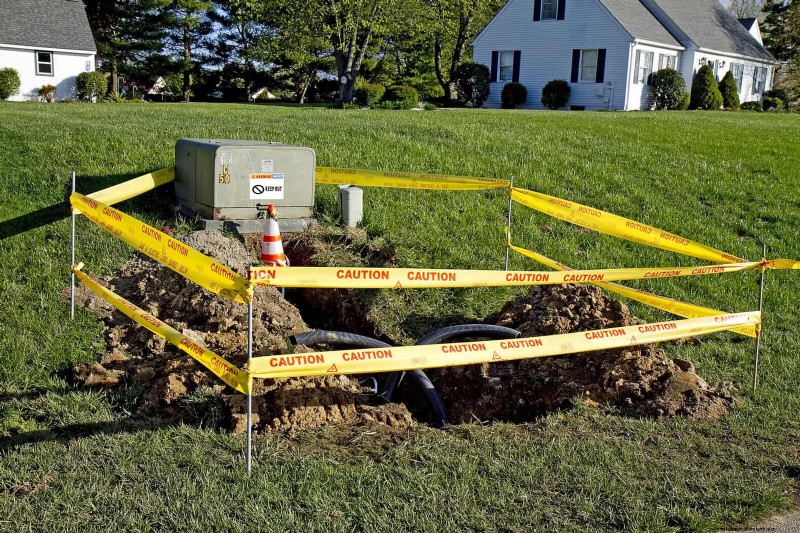
Invisible infrastructure beneath your garden might be sabotaging your plants. Underground utility lines can create localized heat zones, alter soil moisture patterns, or even leak small amounts of gas that affect root development.
Plants growing directly above these lines sometimes display stunted growth on one side, unusual yellowing patterns, or fail to thrive despite identical care to plants just a few feet away.
Before planting in questionable areas, contact your local utility marking service. Most regions offer free line marking to help you identify potentially problematic zones for sensitive plants.
For existing gardens with suspected utility interference, consider raised beds or containers to create a protective soil buffer between your plants and the underground disturbance.
 Depositphotos
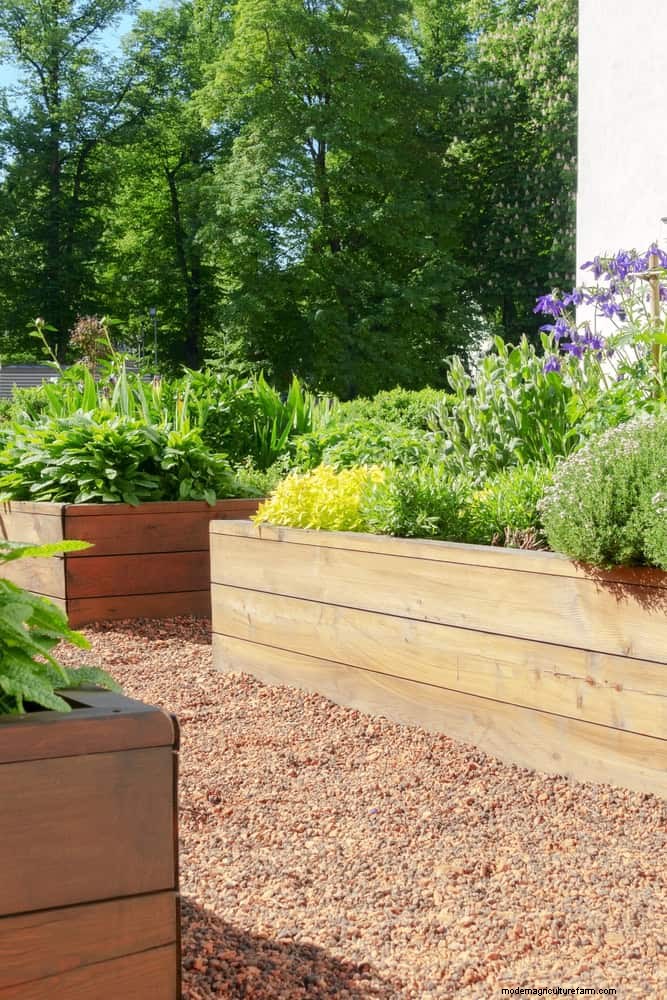
Raised bed gardening offers an excellent solution for areas with utility line issues. Creating beds with at least 12 inches of quality soil provides enough distance between plant roots and underground disturbances to minimize negative effects.
Use materials like untreated wood, stone, or commercially available raised bed kits to create these growing spaces above problem areas. Container gardening allows complete flexibility to position plants away from problem areas.
Large containers with proper drainage can accommodate surprisingly large plants, even small trees and shrubs. This approach gives you complete control over soil quality and placement, eliminating the influence of underground utility lines on your plants’ health and growth patterns. You can easily move containers seasonally to optimize growing conditions.
 Depositphotos
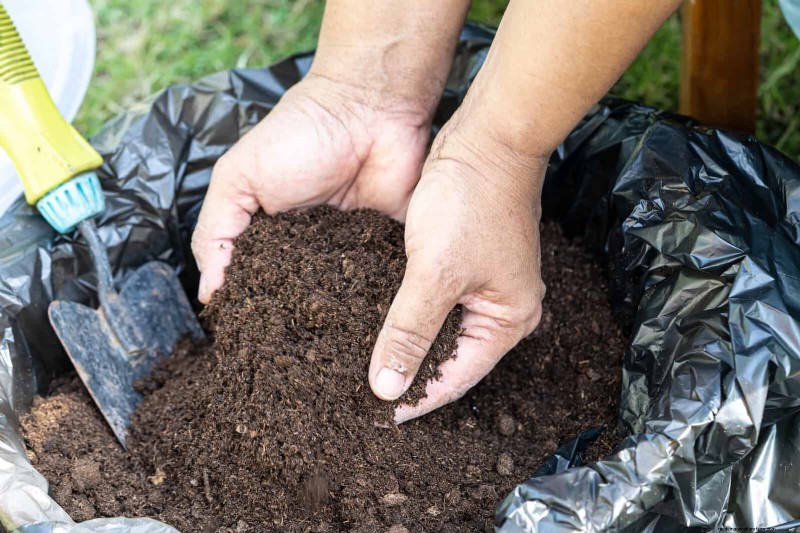
Your well-intentioned compost application might contain hidden plant killers. Some herbicides used on lawns, hay fields, and crop areas remain active even after passing through animal digestive systems or commercial composting processes.
These persistent chemicals can stunt growth, cause bizarre leaf curling, or kill sensitive plants outright. Vegetables in the tomato family and legumes are particularly vulnerable to herbicide residue damage.
Always know the source of your compost materials. Commercial mushroom compost, municipal compost, and manure from animals fed on treated hay can all contain these persistent herbicides.
Consider conducting a simple bioassay by growing bean seeds in a sample of your compost before applying it broadly to your garden to ensure it’s safe for your plants.
 Depositphotos
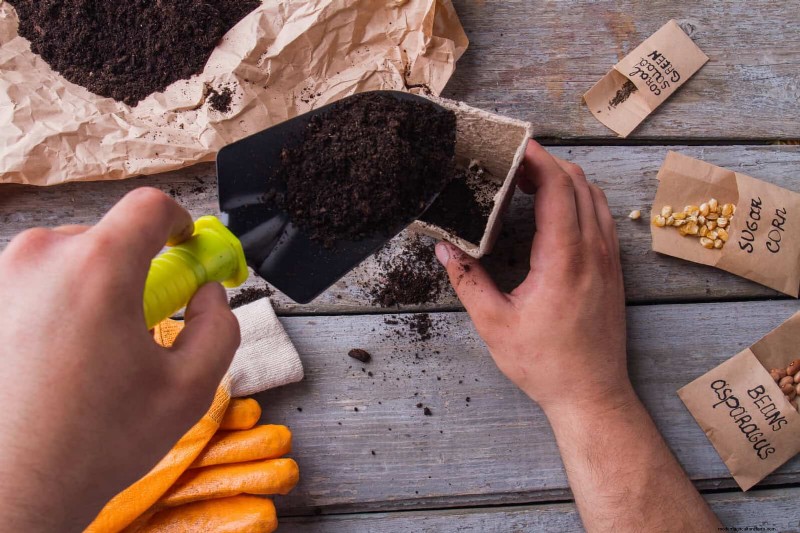
The bean seedling test offers a reliable way to check compost safety. Fill several small pots with a mixture of your suspect compost and clean potting soil. Plant bean seeds and observe their growth for 2 to 3 weeks.
Herbicide-contaminated compost typically causes distinctive symptoms like twisted stems, cupped leaves, or failure to thrive compared to control plants grown in known clean soil.
Making your own compost from kitchen scraps and yard waste gives you complete control over what goes into your soil. Avoid including grass clippings from lawns treated with herbicides or plants that have been sprayed with persistent pesticides.
Keep careful records of compost ingredients and results in your garden. Some gardeners maintain separate compost systems, one for known safe materials used on edible plants and another for potentially contaminated materials used only on ornamental areas.
 Depositphotos
Constant noise and vibrations might be stressing your plants in surprising ways. Research suggests that plants respond to sound vibrations, with some frequencies potentially disrupting growth patterns or triggering stress responses.
Gardens near busy roads, construction sites, or even household appliances might experience these effects. Plants exposed to harmful vibrations sometimes develop thicker but shorter stems and reduced flowering.
Consider sound-dampening strategies for plants in noisy environments. Mulch layers can absorb ground vibrations, while strategically placing hardscape elements like walls or fences can reduce airborne sound waves.
Some gardeners report success playing gentle music near their plants, though the scientific evidence remains preliminary on whether this counteracts negative vibration effects.
 Depositphotos
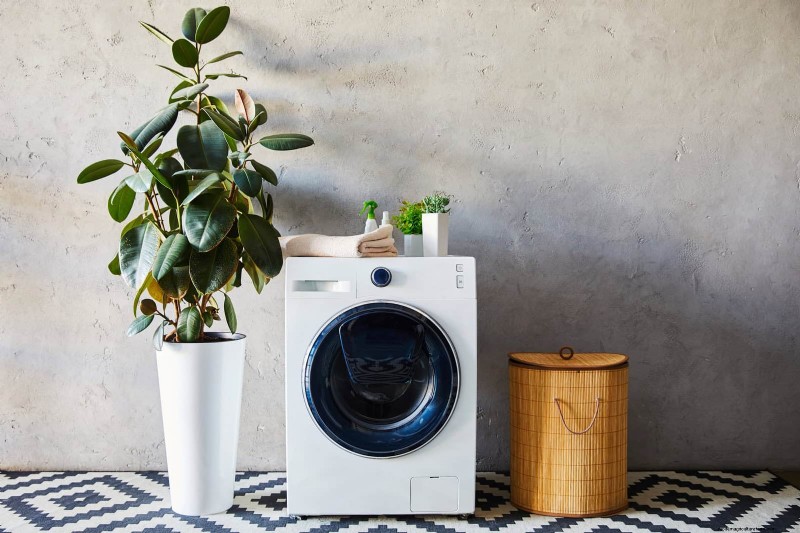
Strategic plant positioning can minimize vibration damage in your garden. Place more sensitive species away from known vibration sources like air conditioner compressors, washing machines, or busy streets.
Grouping plants together creates a natural buffer system where outer plants help protect inner specimens from the full impact of disruptive vibrations. Water features provide a dual benefit in vibration-prone gardens.
The sound of moving water helps mask disruptive noise, while the physical presence of water absorbs and disperses vibration energy. Even small features like tabletop fountains can create beneficial microenvironments for nearby houseplants.
Some gardeners use rubber mats under indoor plant containers to isolate them from structural vibrations transmitted through the flooring.
 Depositphotos
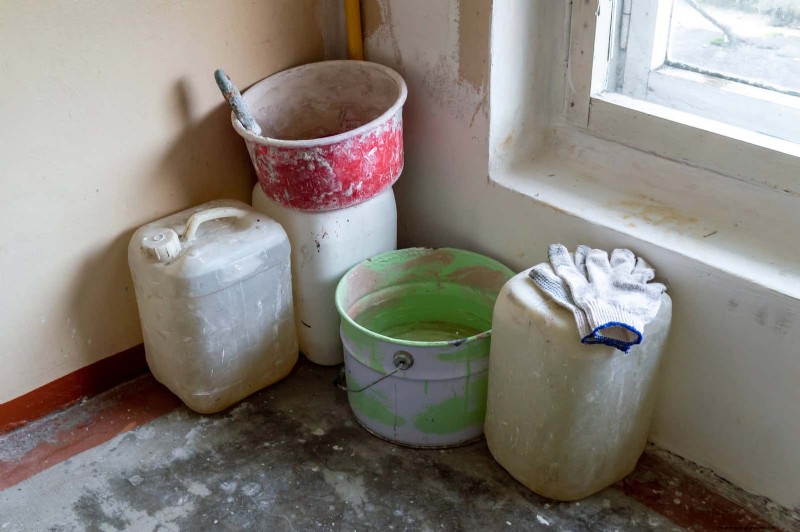
Your new home’s previous owners might have left an invisible chemical legacy in your soil. Spilled automotive fluids, improper disposal of household chemicals, or years of aggressive chemical gardening can create toxic soil patches where plants mysteriously fail.
These problem areas often appear as distinct zones where plants struggle compared to identical specimens planted just feet away. Soil testing can identify many chemical contaminants and guide remediation efforts.
For small areas with suspected contamination, soil replacement may be the quickest solution. In larger spaces, phytoremediation using plants specifically chosen to extract or break down pollutants can gradually restore soil health over several growing seasons.
 Depositphotos
Bioremediation offers a natural approach to cleaning contaminated soil. Adding beneficial microorganisms through quality compost can accelerate the breakdown of many organic pollutants.
Products containing mycorrhizal fungi and specialized soil bacteria are increasingly available to home gardeners. These biological treatments work slowly but effectively to restore soil health without harsh chemicals.
Creating raised beds with clean imported soil provides an immediate solution while the underlying soil recovers. Landscape fabric beneath the beds prevents roots from reaching the contaminated soil below.
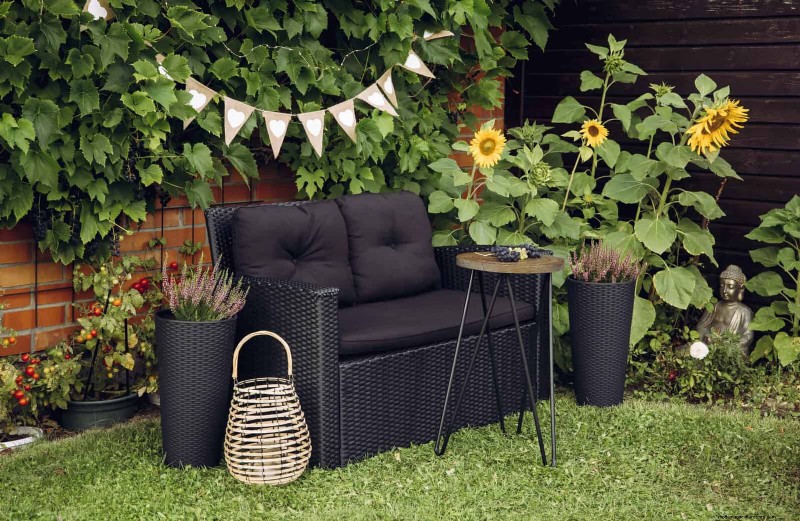
For areas with serious contamination, consider non-food gardens of ornamental plants that won’t transfer toxins to your dinner table. Some flowering plants, like sunflowers, help clean soil by extracting and concentrating certain pollutants in their tissues.
 Depositphotos
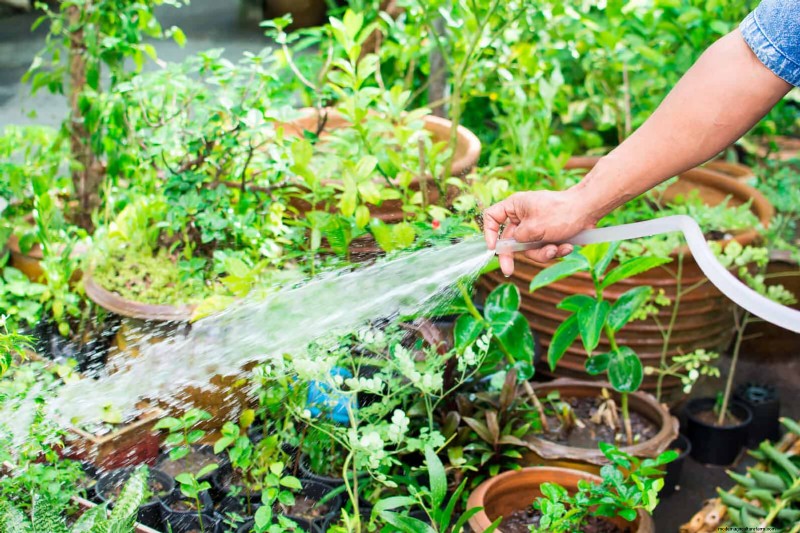
Municipal water might contain more than just chlorine, which affects your plants. Fluoride, dissolved minerals, pharmaceutical residues, and water treatment additives can accumulate in soil over time, creating growing conditions that certain plants cannot tolerate.
Sensitive species like spider plants, peace lilies, and many tropical varieties first show the effects, with symptoms including leaf tip browning and mysterious yellowing patterns.
Water quality issues often develop gradually as problematic compounds build up in the soil. Collecting rainwater provides a chemical-free alternative for sensitive specimens.
For container plants, periodic soil flushing with distilled water can help remove accumulated contaminants. Some gardeners add activated charcoal to potting mixes to absorb water impurities before they reach plant roots.
 Depositphotos
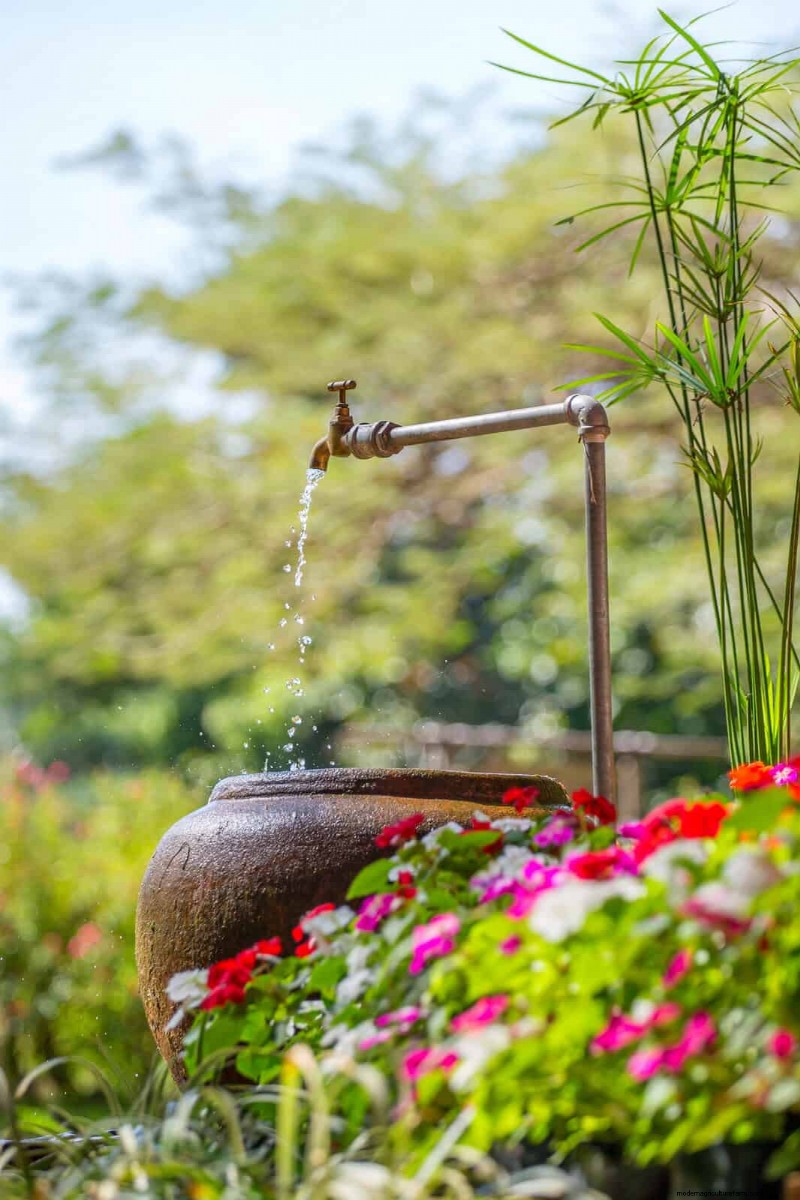
Home water filtration systems can transform problematic municipal water into plant-friendly irrigation. While basic carbon filters remove chlorine, more advanced systems address other contaminants.
Reverse osmosis systems produce extremely pure water, though some gardeners find it necessary to add back minimal amounts of minerals since completely pure water can actually leach nutrients from the soil over time.
Letting tap water sit for 24 hours before using it on plants allows chlorine to dissipate naturally. For added protection, store this water in food-grade plastic containers rather than metal, which might introduce additional elements.
During summer months, some gardeners create simple solar water purification systems using clear containers placed in sunlight, which helps break down certain chemical compounds while warming the water to a plant-friendly temperature.
 Depositphotos
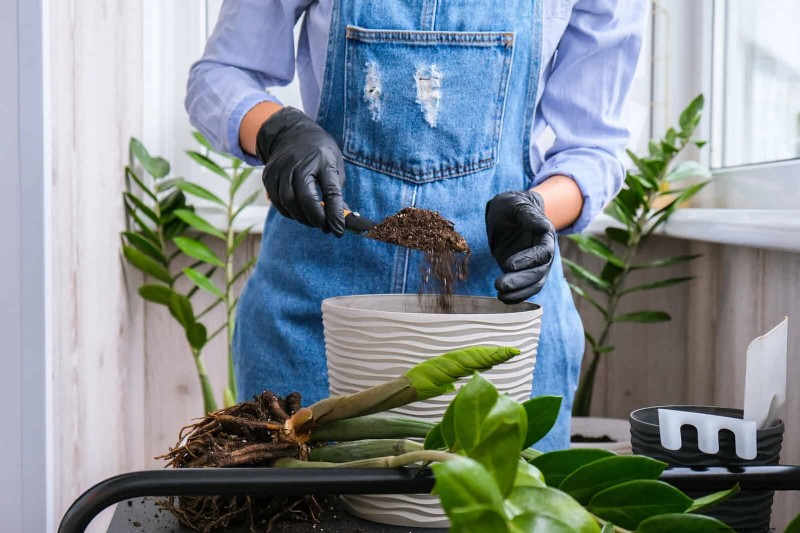
The container you’ve chosen might be secretly harming your plants. Some decorative pots leach chemicals into the soil, while others create unsuitable moisture conditions. Unglazed terracotta pulls moisture from the soil rapidly, while non-porous plastic or glazed ceramics can trap excess water.
Metal containers can heat up dramatically, cooking delicate roots during hot weather. Plants in inappropriate containers often show signs of stress despite proper watering routines.
Match container materials to both your plants’ needs and your care habits. Forgetful waterers should choose moisture-retentive materials, while those who tend to overwater benefit from more porous options. Always ensure proper drainage regardless of pot material.
Some gardeners use plastic nursery pots inside decorative containers, combining aesthetic appeal with proper growing conditions.
 Depositphotos
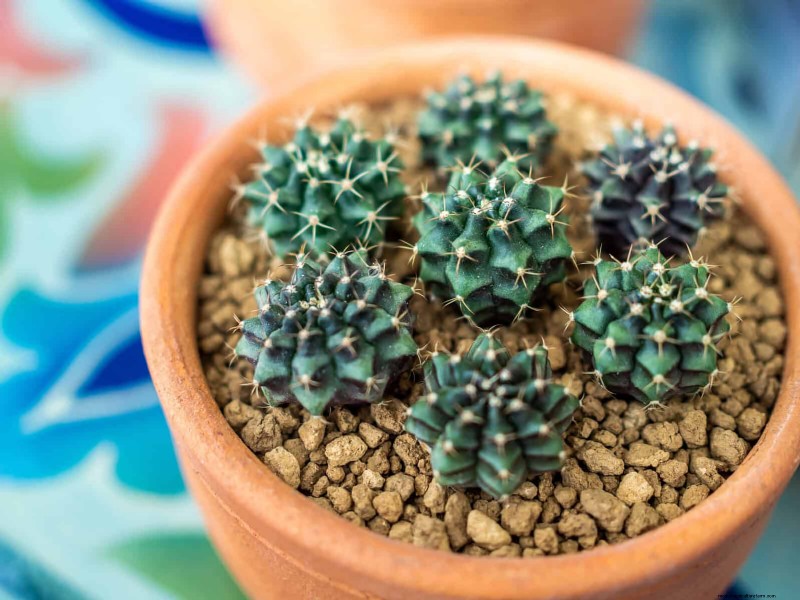
Understanding the relationship between pot material and watering needs can revolutionize your container gardening success. Terracotta pots dry quickly and work well for drought-tolerant plants like succulents and Mediterranean herbs.
Their porous nature also provides excellent root aeration but requires more frequent watering in hot conditions. The natural earth tones complement many decorating styles while promoting healthier root systems.
Glazed ceramic containers offer a compromise between moisture retention and breathability. The glazed interior slows evaporation while allowing air exchange through the drainage hole.
These pots come in endless decorative options and work well for a wide range of plants with moderate water needs. Look for containers with certification indicating they’re free from harmful lead and other toxins that might leach into soil, which is particularly important for edible plants.
 Depositphotos
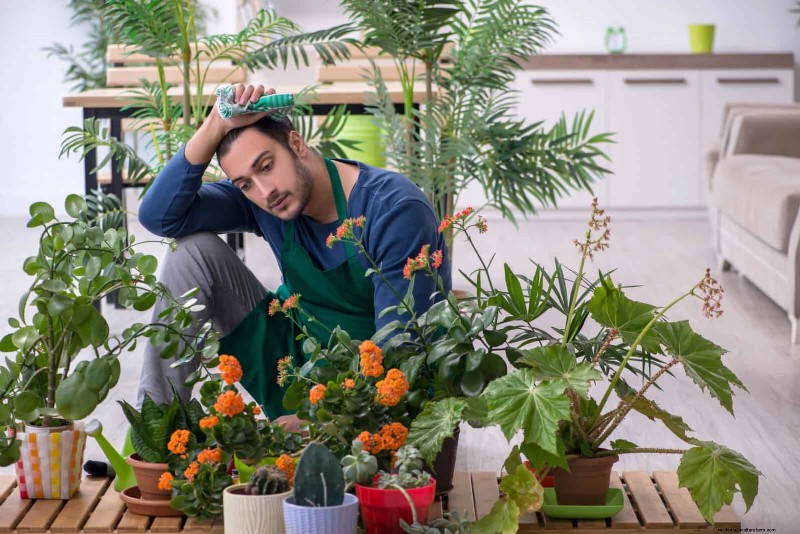
Plants might be responding to your emotional state more than you realize. Research suggests that plants can detect and react to human stress hormones released through touch and possibly even proximity.
Regular care from someone experiencing high anxiety or stress might unintentionally transmit these stress signals to sensitive plants. This phenomenon could explain why some plants thrive under one person’s care but decline when tended by someone else following identical care routines.
Practice mindful plant care by taking a few calming breaths before handling your green friends. Consider gardening as a form of meditation rather than another task on your to-do list.
Some studies indicate that positive verbal interactions with plants might counteract stress signals, so the old advice about talking to your plants may have scientific merit.
 Depositphotos
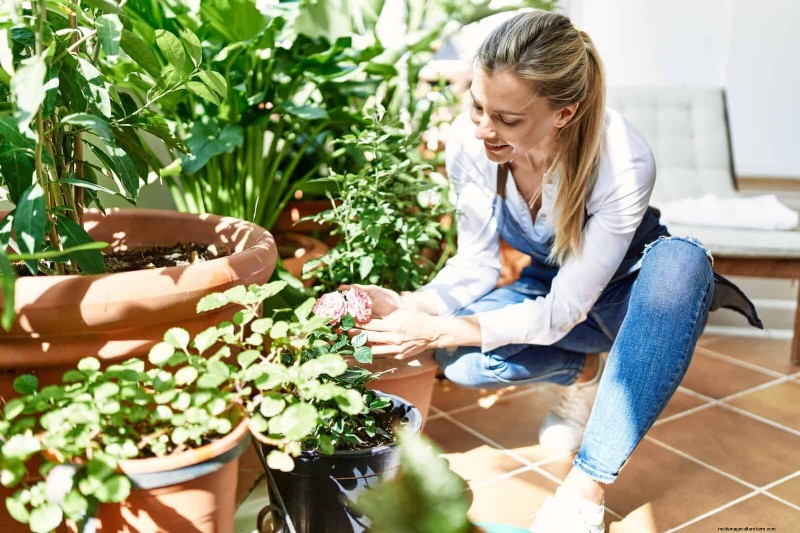
Developing a regular care routine can benefit both you and your plants. Set aside specific times for plant care when you’re likely to be relaxed, such as weekend mornings or after a wind-down period in the evening.
This consistency helps reduce your stress and provides reliable care for your plants. Many gardeners report that this scheduled approach transforms plant maintenance from a chore into a therapeutic practice.
Consider the emotional environment surrounding your plants. Homes with frequent tension, arguments, or high-stress activities might create challenging conditions for sensitive species. Place your most finicky plants in calmer areas of your home.
Some plant enthusiasts create dedicated plant care spaces where they can focus entirely on their green companions without distractions or stress triggers. This results in healthier plants and improved emotional well-being for the caregiver.
 Depositphotos
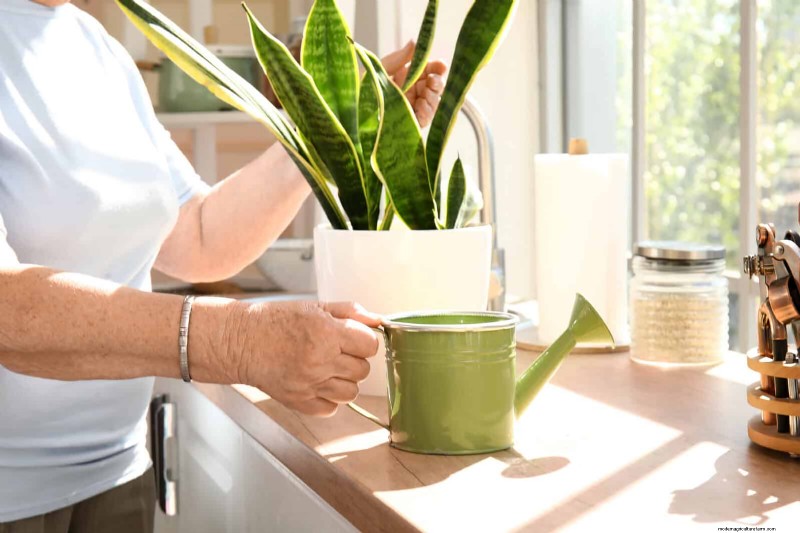
Successful plant care often requires looking beyond the obvious causes of plant problems. The unexpected factors we’ve explored might explain why your plants have struggled despite your best efforts.
Remember that plants respond to their total environment, not just water and light. Taking a holistic approach to plant care can reveal solutions to persistent problems you might never have considered.
Start by addressing the most likely culprits for your specific situation. Small changes like repositioning plants away from electronics, switching to natural fiber clothing for plant care, or investigating your water quality can make remarkable differences.
If wilting is one of the issues, understanding the reasons your indoor plants keep wilting can offer helpful insight. Understanding your plants’ needs more deeply will reward you with healthier plants and deepen your connection to the natural world under your care. Every plant problem solved makes you a more skilled and intuitive gardener.


