
Welcome to Modern Agriculture!

 Depositphotos.com
Gardening in the Midwest comes with unique challenges, from extreme temperature swings to specific soil conditions. Choosing the right plants can make or break your garden success. Many popular plants that look beautiful in catalogs can become nightmares in your backyard.
Understanding which plants to avoid can save you years of frustration, money, and backbreaking removal work. This guide highlights 25 problematic plants that Midwest gardeners should think twice about before adding to their landscapes.
 Depositphotos.com
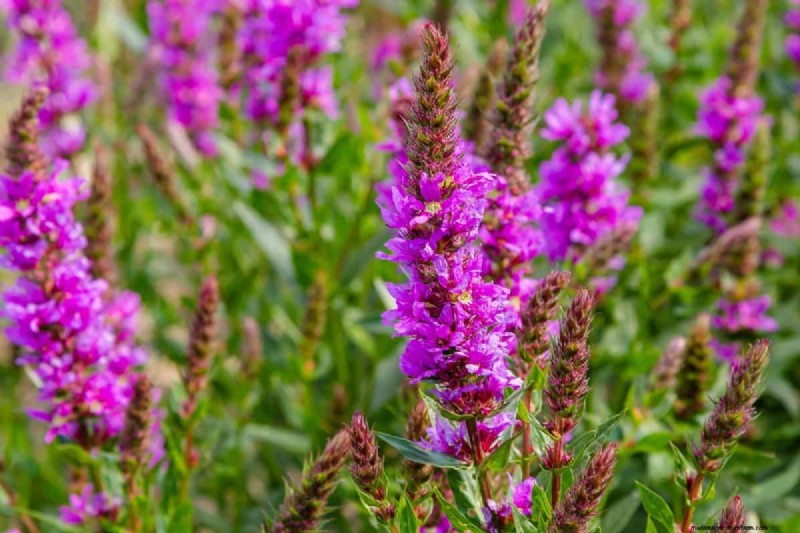
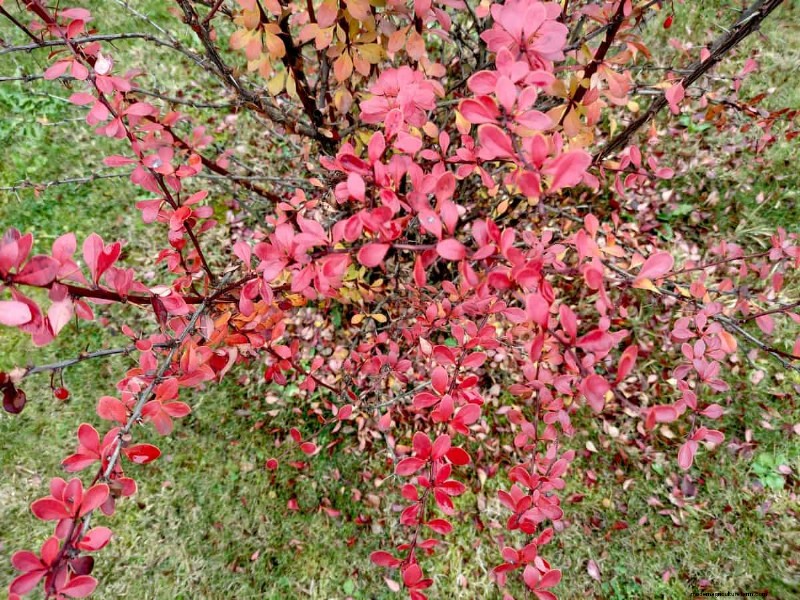
This thorny shrub might look attractive with its red foliage, but it creates perfect hiding spots for ticks. Research shows gardens with Japanese Barberry have significantly higher tick populations, increasing the risk of Lyme disease for you and your family.
The dense branches with sharp thorns make pruning a painful experience, often requiring heavy gloves and protective clothing. Birds spread the abundant berries far and wide, allowing this invasive plant to escape into natural areas and outcompete native vegetation.
 Depositphotos.com
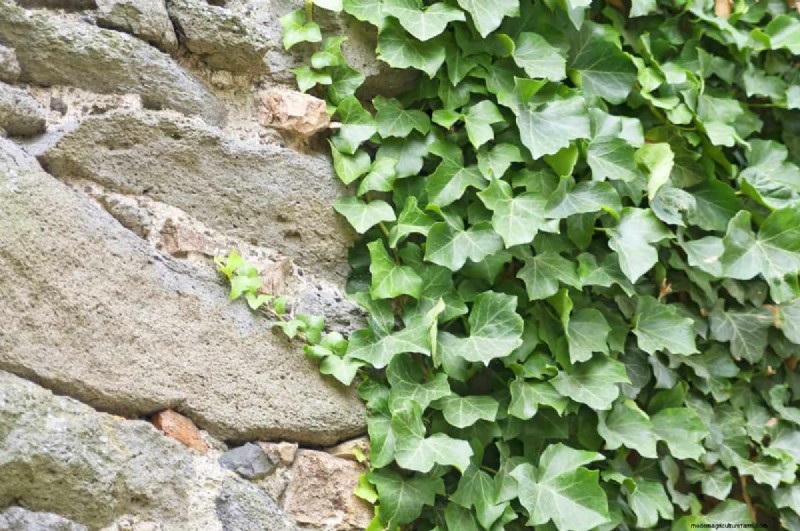
English ivy starts as a seemingly innocent ground cover but quickly transforms into an aggressive climbing vine. It attaches to trees, brick, and siding with tiny root-like structures that can damage mortar and wood over time.
In Midwest gardens, this evergreen creates thick mats that smother native plants and prevent natural forest regeneration. Once established, it requires constant vigilance and aggressive cutting to keep under control, making it more trouble than it’s worth.
We'll email it to you so you can read it later!
By saving, you agree to receive occasional emails. Unsubscribe anytime.
 Depositphotos.com
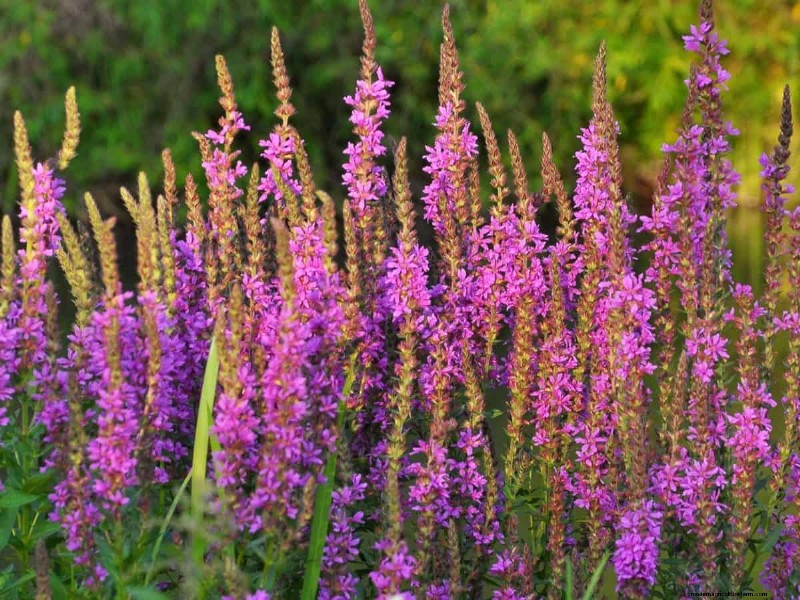
The vibrant purple flower spikes of this perennial are truly stunning, which makes its invasive nature all the more deceptive. A single plant can produce over two million seeds annually, quickly overtaking wetland areas throughout the Midwest.
When purple loosestrife invades, it creates dense monocultures that destroy habitat for native wildlife and birds. Its aggressive growth pushes out the diverse plant communities that make Midwest wetlands so special and valuable to our ecosystem.
 Depositphotos.com
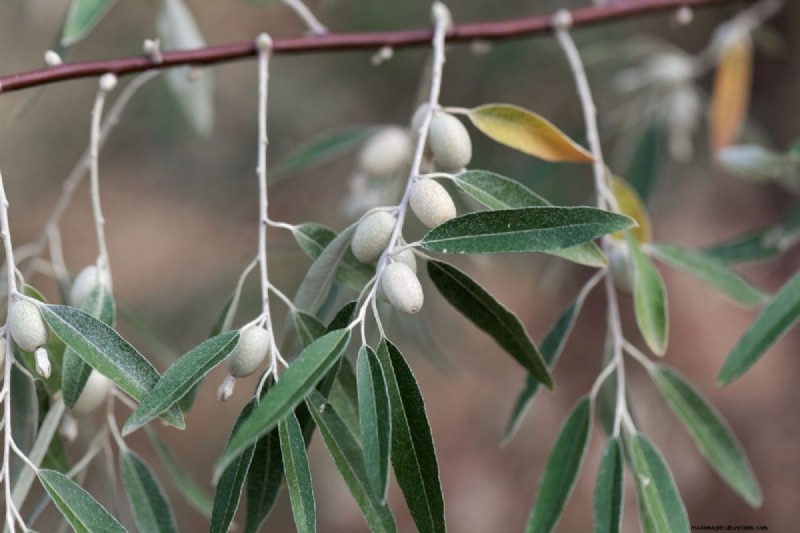
Russian olive trees might look attractive with their silvery foliage, but they’re aggressive competitors in the Midwest landscape. They thrive in poor soil conditions where other plants struggle, quickly taking over open areas and outcompeting native species.
The thorny branches make maintenance a painful chore, while birds spread the abundant olive-like fruits throughout the region. Many Midwest states now classify Russian olive as a noxious weed, making it illegal to plant in some areas.
 Depositphotos.com
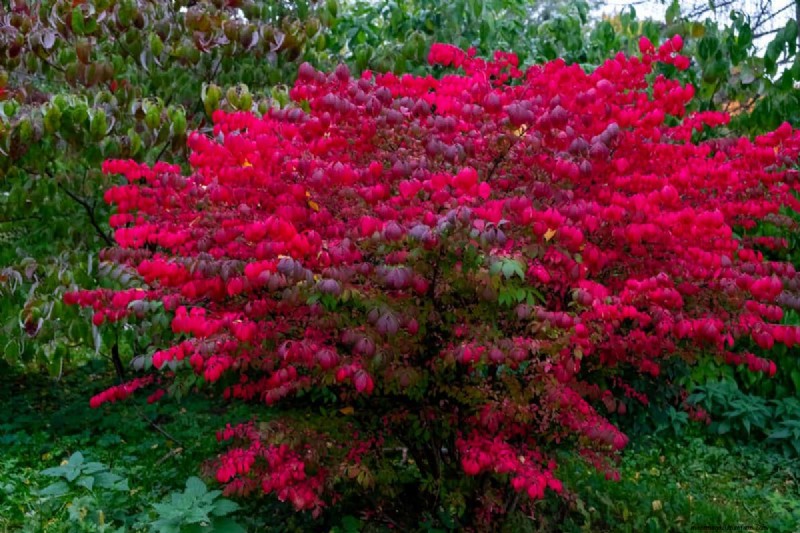
The brilliant red fall color of burning bush has made it a popular landscape choice, but this beauty comes at a high ecological cost. Its dense shade prevents native wildflowers and tree seedlings from growing underneath, creating barren areas in woodland understories.
Birds eagerly eat and spread the small red berries, allowing burning bush to establish in natural areas far from gardens. Several Midwest states now restrict the sale of this invasive shrub due to its negative impacts on forest ecosystems.
 Depositphotos.com
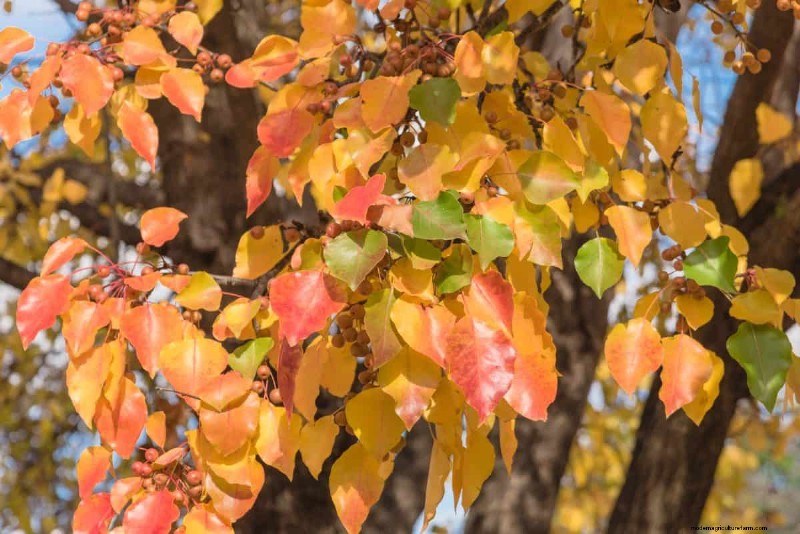
Once a staple of suburban landscapes, Bradford pears have fallen from grace for good reason. These trees produce offspring that revert to thorny, aggressive forms that spread rapidly across the Midwest, creating impenetrable thickets in open fields and forest edges.
Beyond their invasive tendencies, Bradford pears have notoriously weak branch structure that breaks easily in Midwest storms. The early spring flowers, while abundant, emit an unpleasant fishy odor that can make your outdoor space unusable during blooming season.
 Depositphotos.com
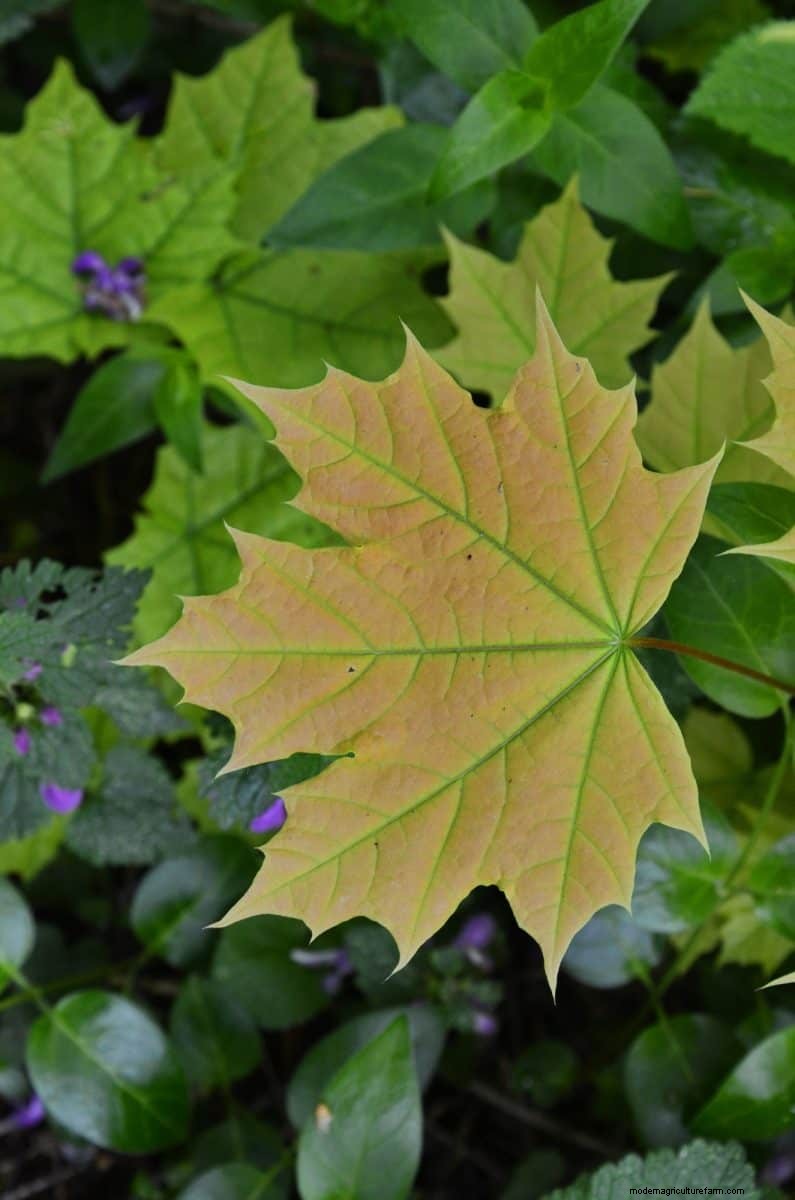
Norway maples grow quickly and provide dense shade, which might seem like positive attributes. Unfortunately, their thick canopy creates such deep shade that little can grow underneath, creating bare soil areas vulnerable to erosion in Midwest gardens.
The shallow, extensive root system competes aggressively with other plants for water and nutrients. The abundant helicopter seeds produce thousands of seedlings that displace native maples and other forest trees, reducing biodiversity across the Midwest landscape.
 Depositphotos.com
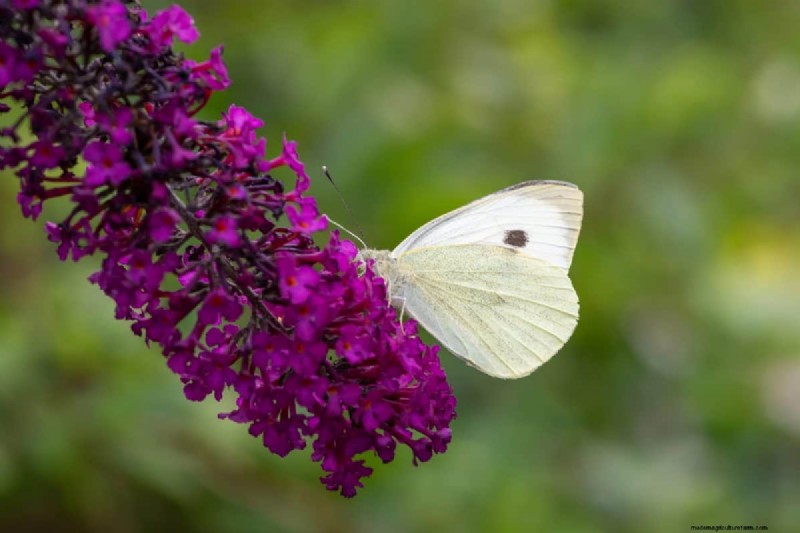
Despite its name and ability to attract adult butterflies, this shrub provides little ecological value to the complete butterfly lifecycle. Native caterpillars cannot use butterfly bush as a food source, making it essentially useless for butterfly reproduction.
In Midwest gardens, butterfly bush creates what ecologists call a “false ecological trap” by drawing pollinators away from native plants that better support wildlife. Better alternatives include native buttonbush, New Jersey tea, or joe-pye weed that support the entire butterfly lifecycle.
 Depositphotos.com
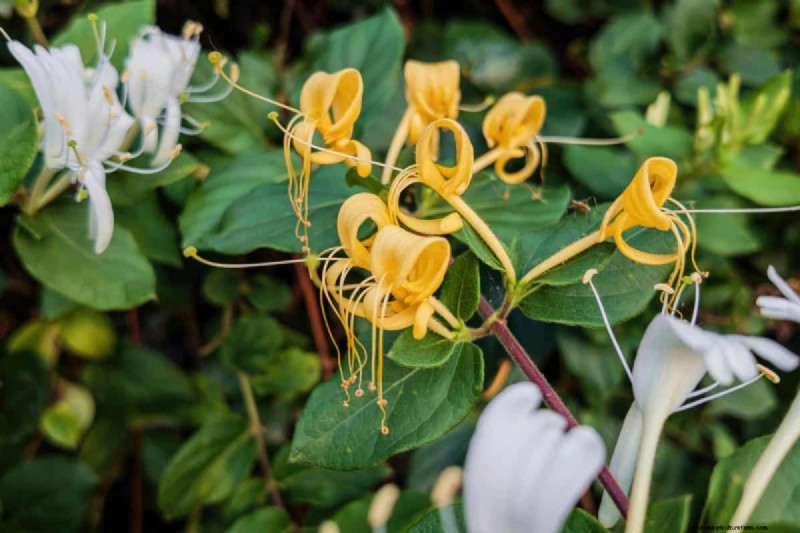
The sweet fragrance of Japanese honeysuckle might trigger childhood memories, but this aggressive vine quickly becomes a garden nightmare. Its twining stems wrap around trees and shrubs, eventually strangling and toppling even mature trees.
The semi-evergreen nature of this vine in many parts of the Midwest gives it a competitive advantage over native plants. It leafs out earlier in spring and holds leaves later in fall, allowing it to photosynthesize when other plants are dormant and vulnerable.
 Depositphotos.com
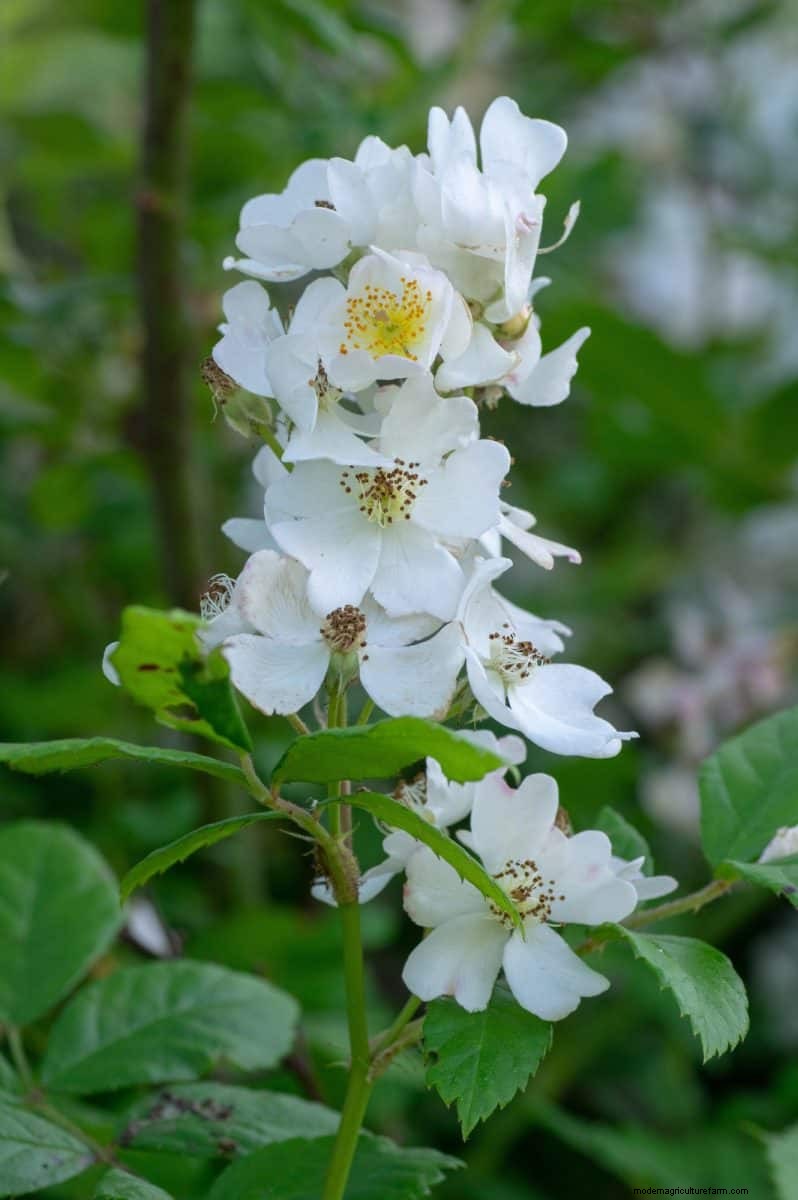
This thorny shrub was once promoted for erosion control and wildlife habitat, but it quickly escaped cultivation to become one of the Midwest’s most hated invasive plants. The curved, sharp thorns make removal extremely difficult and painful, requiring heavy gloves and protective clothing.
A single multiflora rose can produce up to a million seeds annually that remain viable in soil for years. Birds spread the bright red rose hips far and wide, allowing new plants to establish in pastures, woodland edges, and natural areas throughout the Midwest.
 Depositphotos.com
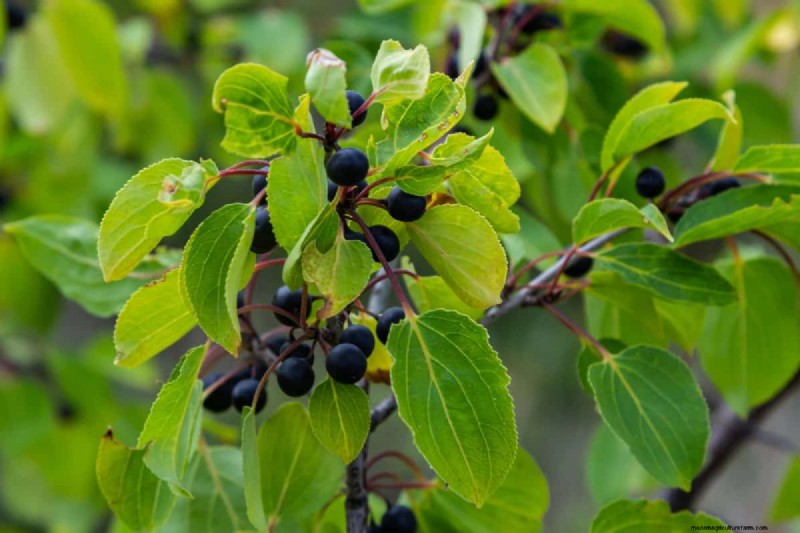
Common buckthorn produces chemicals that inhibit the growth of neighboring plants, giving it an unfair advantage in Midwest gardens. Its dense growth creates thickets that prevent forest regeneration, while its early leaf-out shades spring wildflowers before they can complete their lifecycle.
The abundant black berries cause digestive distress in birds that eat them, but that doesn’t stop birds from spreading the seeds across the landscape. The plant’s thorny branches make removal challenging, often requiring special tools and persistent effort to eliminate.
 Depositphotos.com
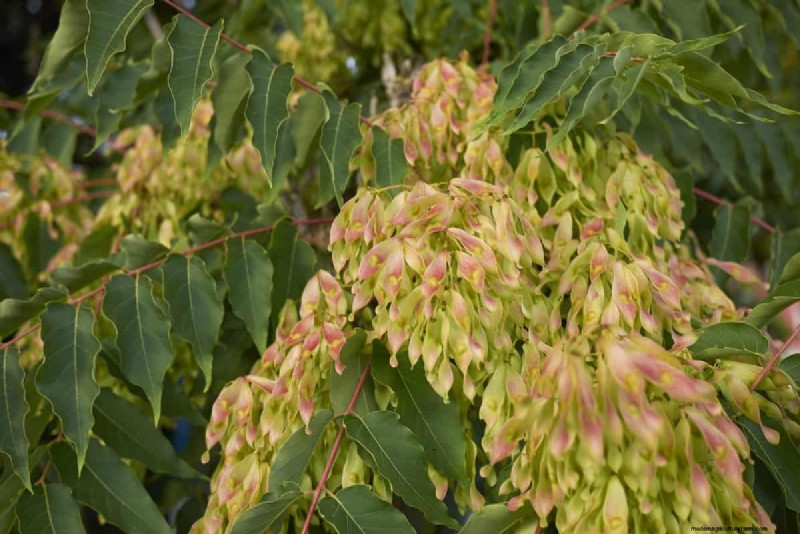
Despite its heavenly name, this tree creates hellish conditions in Midwest gardens. It produces toxins that prevent other plants from growing nearby, essentially creating a plant desert around itself. The unpleasant smell, often compared to rancid peanut butter, emanates from all parts of the tree when damaged.
The extensive root system can damage foundations, pavement, and sewer lines, creating costly repairs for homeowners. Tree of Heaven also serves as the primary host for the destructive spotted lanternfly, an invasive insect threatening Midwest agriculture and forests.
 Depositphotos.com
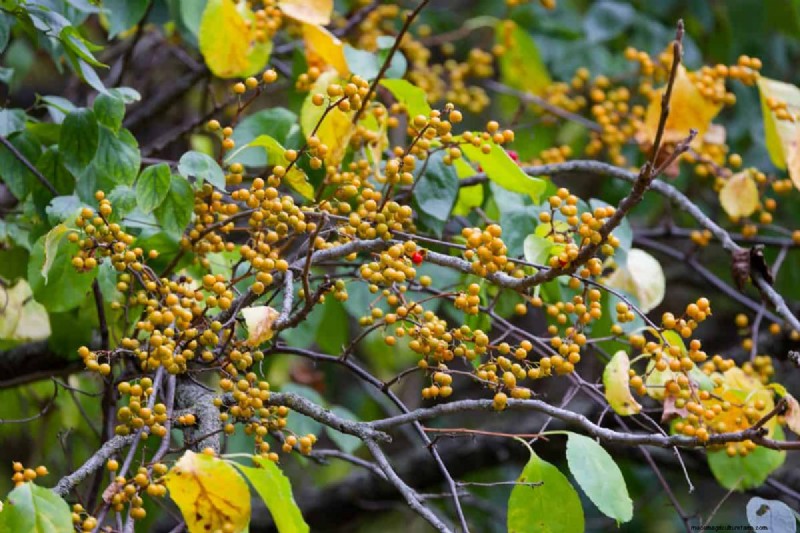
This aggressive woody vine might produce attractive fall berries, but its growth habit spells doom for trees in your Midwest landscape. It grows rapidly, wrapping around trees and eventually strangling them as the vine expands in diameter.
The bright orange and red berries are frequently used in fall decorations, inadvertently spreading seeds to new locations. Once established, Oriental bittersweet forms dense mats that block sunlight from reaching native plants and can eventually topple mature trees with its weight.
 Depositphotos.com
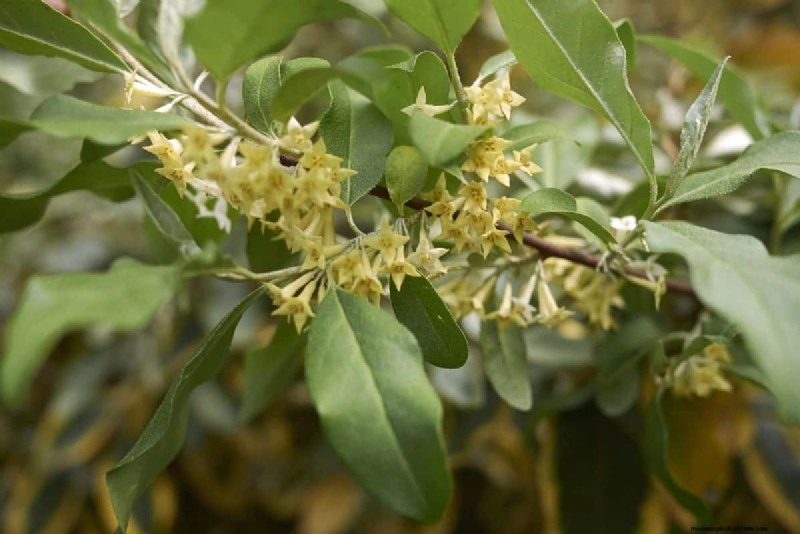
Autumn olive disrupts natural nitrogen cycles in Midwest soils by fixing atmospheric nitrogen. While this might sound beneficial, it actually alters growing conditions and gives autumn olive a competitive edge over native plants adapted to local soil conditions.
Birds eagerly consume the abundant silvery-red berries, spreading seeds across fields, roadsides, and forest edges. The plant’s rapid growth rate and ability to thrive in poor soils allow it to quickly transform diverse ecosystems into monocultures with little wildlife value.
 Depositphotos.com
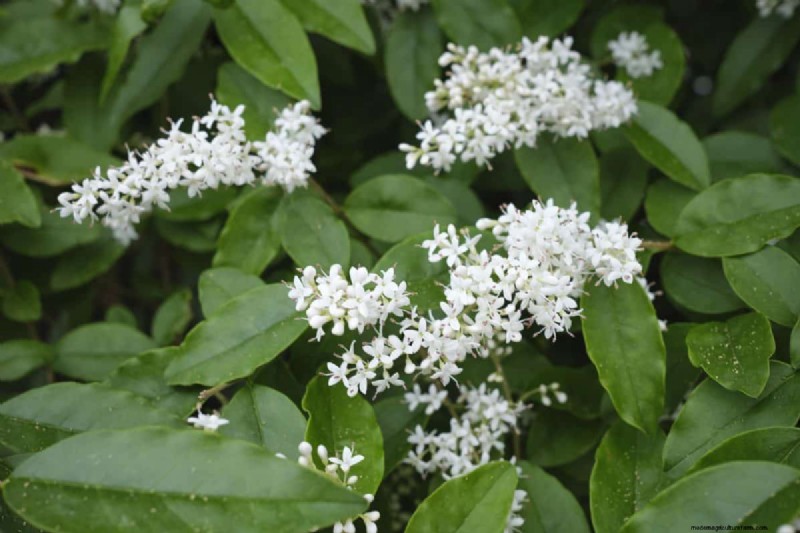
This evergreen shrub forms dense thickets that shade out native understory plants in Midwest woodlands. Its adaptability to various soil and light conditions makes it highly competitive in many environments, from urban gardens to rural forests.
The abundant white flowers contribute to seasonal allergies for many people, adding respiratory distress to its list of problems. While birds eat the blue-black berries, they provide limited nutritional value compared to native alternatives, reducing the quality of wildlife habitat.
 Depositphotos.com
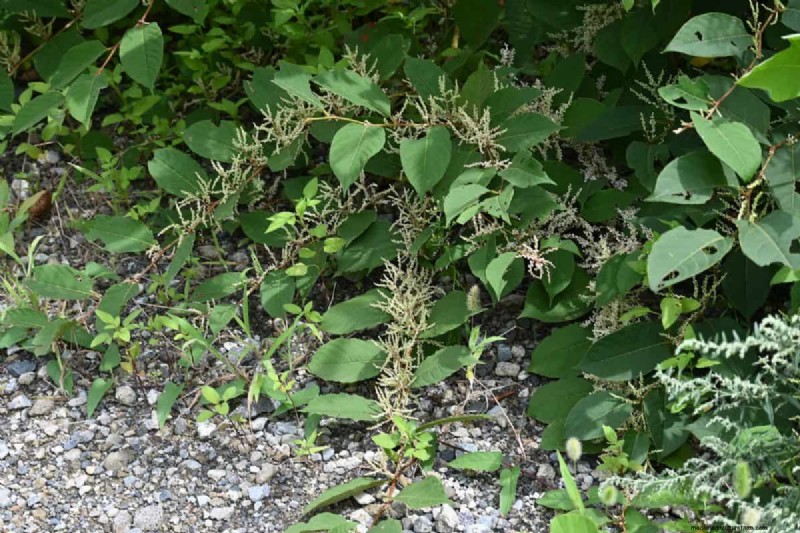
This bamboo-like plant has earned the nickname “Godzilla weed” for good reason. Its vigorous growth can break through concrete, asphalt, and other barriers, damaging Midwest home foundations, driveways, and infrastructure.
The extensive underground rhizome system makes complete removal nearly impossible without professional help. Even tiny root fragments can regenerate into new plants, requiring years of persistent management once established in your Midwest garden.
 Depositphotos.com
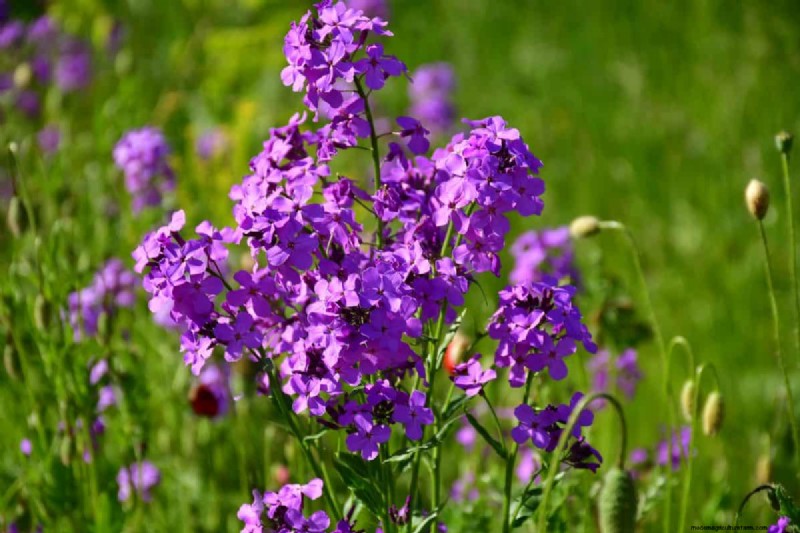
Often mistaken for native phlox, Dame’s rocket reveals its identity through its four-petaled flowers (phlox has five petals). This fragrant biennial with purple or white flowers seems harmless but spreads aggressively through Midwest woodlands and garden edges.
Each plant produces thousands of seeds that remain viable in soil for many years, creating persistent management challenges. Many unsuspecting gardeners spread it unknowingly through “wildflower” seed mixes, where it quickly outcompetes more desirable native species.
 Depositphotos.com
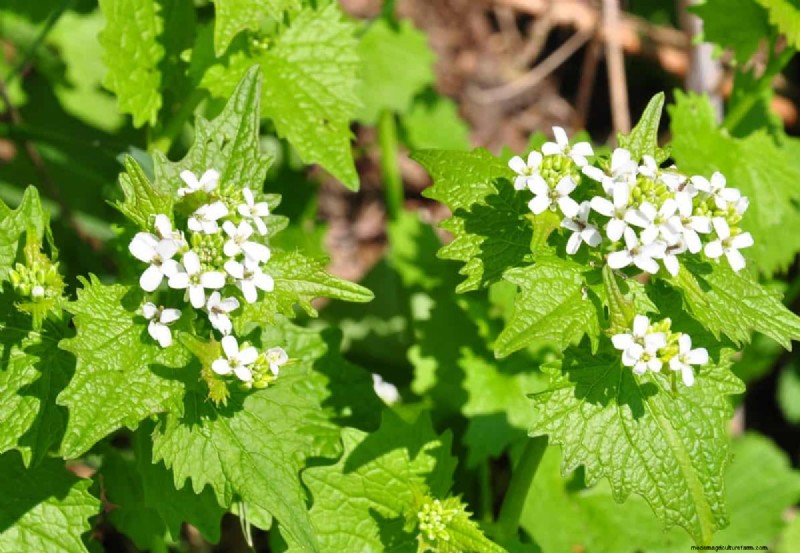
This seemingly innocent biennial herb releases chemicals that harm beneficial soil fungi essential for native plant growth in Midwest woodlands. Its early spring emergence gives it a competitive advantage over native wildflowers, while deer and other browsers avoid it due to its bitter taste.
A single garlic mustard plant can produce thousands of seeds that remain viable for up to seven years in the soil. This creates a persistent seed bank that makes eradication extremely difficult once it establishes in your Midwest garden or nearby natural areas.
 Depositphotos.com
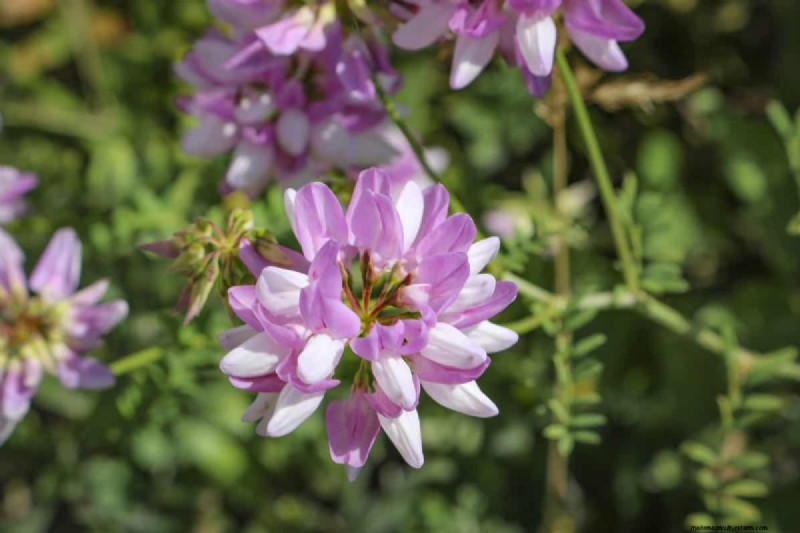
Originally planted for erosion control along highways, crown vetch quickly escaped into natural areas across the Midwest. Its pink flowers might look pretty, but this aggressive ground cover spreads rapidly through both seeds and underground rhizomes.
The deep, extensive root system makes removal incredibly difficult, while its climbing nature allows it to overtop and smother native vegetation. Native alternatives like wild strawberry or pussy toes provide similar erosion control benefits without the invasive tendencies.
 Depositphotos.com
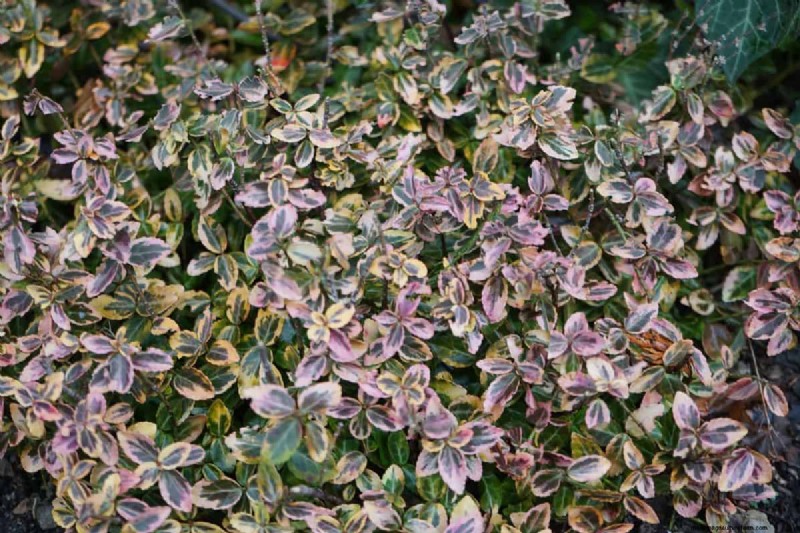
This evergreen ground cover seems like a perfect solution for shady areas but quickly becomes a garden bully. It forms dense mats that prevent native plant establishment and can climb vertical surfaces with ease, including tree trunks, fences, and buildings.
When winter creeper ascends trees, it eventually weakens and can kill them by blocking light and adding significant weight to branches. Its evergreen nature allows it to photosynthesize year-round in many parts of the Midwest, giving it a competitive advantage over deciduous native plants.
 Depositphotos.com
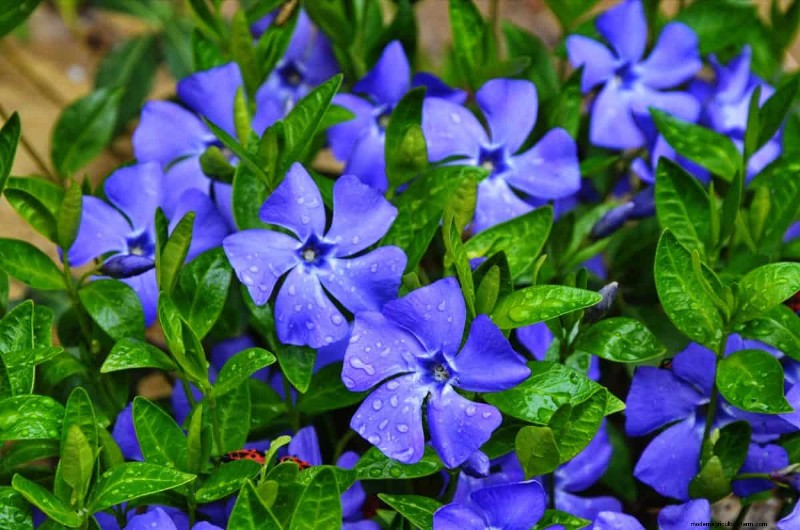
The pretty blue flowers of periwinkle belie its aggressive nature in Midwest gardens. This seemingly innocent ground cover forms impenetrable mats across the forest floor, choking out native spring wildflowers and preventing tree seedlings from establishing.
Its evergreen growth habit allows it to photosynthesize during winter thaws when native plants are dormant, giving it an unfair competitive advantage. Once established, periwinkle proves extremely difficult to remove completely, requiring persistent effort over multiple seasons.
 Depositphotos.com
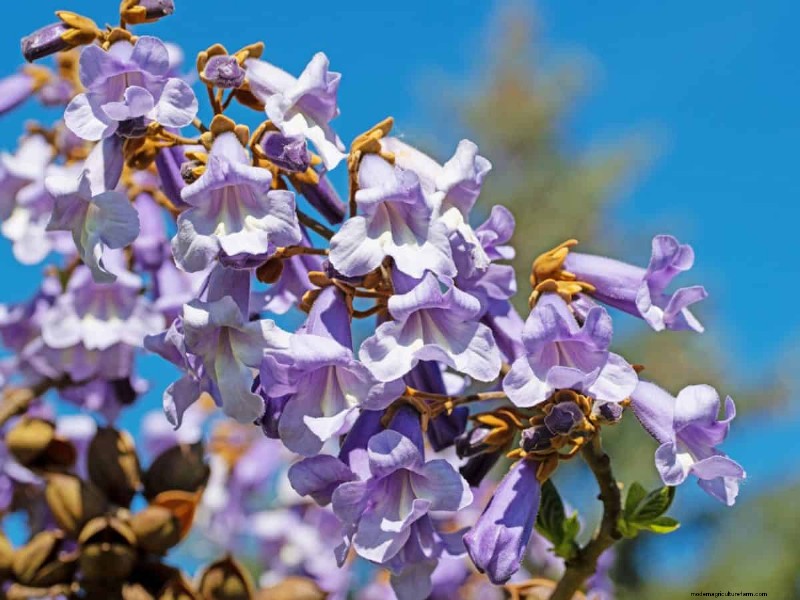
The rapid growth and purple flowers of the empress tree might seem appealing, but this tree quickly becomes problematic in Midwest landscapes. It produces millions of winged seeds that can travel miles on the wind, establishing in disturbed areas and outcompeting native vegetation.
The fast growth creates weak wood that’s susceptible to damage in Midwest storms and heavy snow. Its extensive root system can damage foundations, sidewalks, and underground utilities, creating costly repairs for homeowners who make the mistake of planting it.
 Depositphotos.com
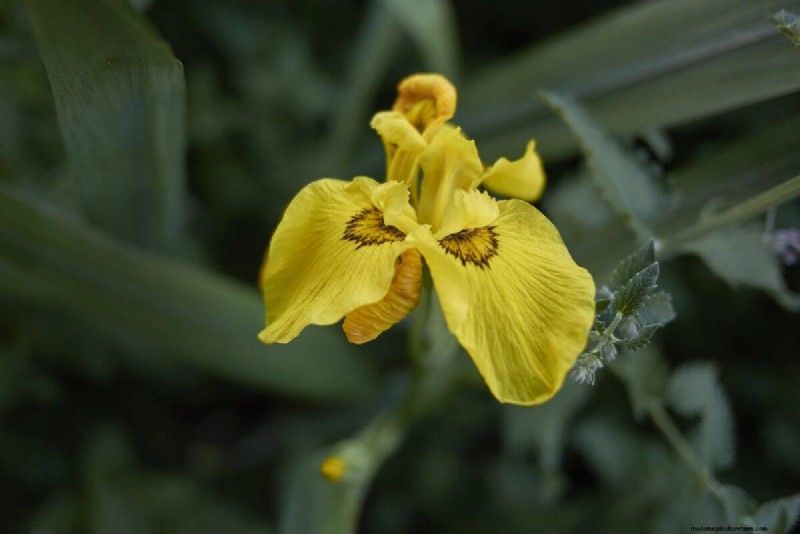
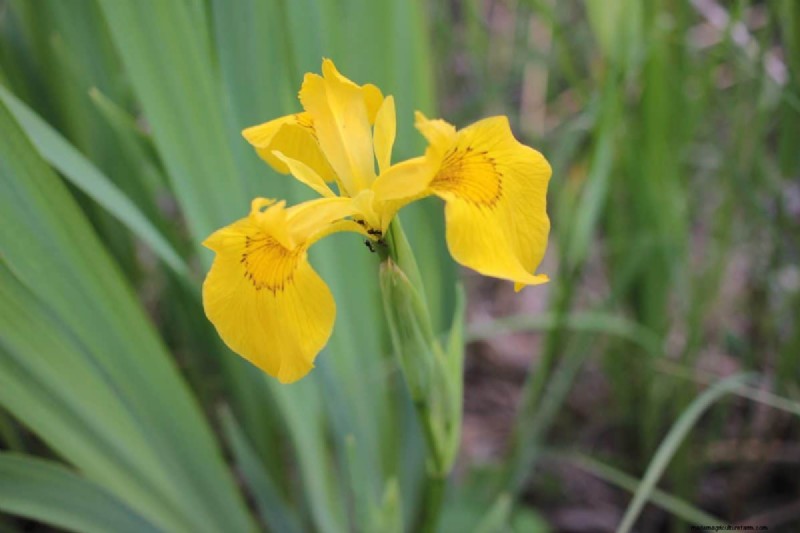
The bright yellow flowers of this water-loving perennial might catch your eye, but yellow flag iris quickly crowds out native wetland plants throughout the Midwest. It forms dense colonies through both rhizome spread and abundant seed production.
Once established in water features or rain gardens, this iris alters hydrology and reduces habitat value for native wildlife. All parts of the plant contain irritating compounds that can cause skin reactions in sensitive individuals, adding human health concerns to its list of problems.
 Depositphotos.com
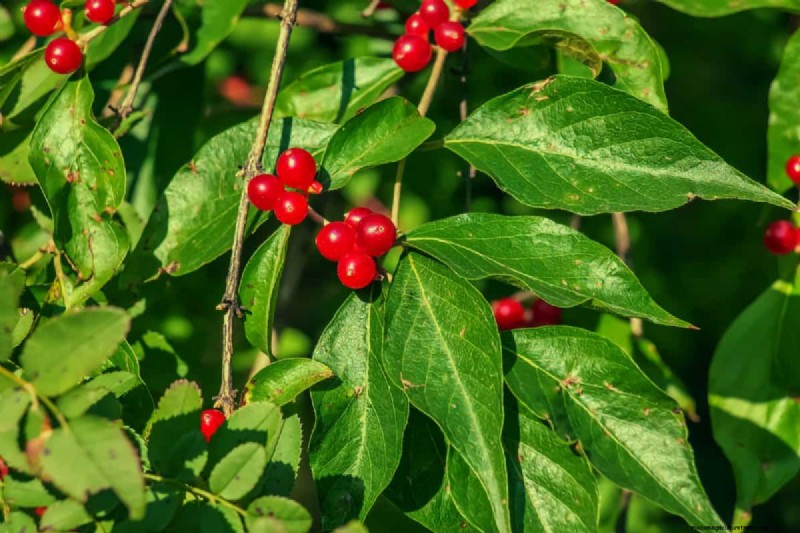
This large shrub leafs out earlier in spring and holds its leaves later in fall than native plants, giving it a competitive advantage in Midwest woodlands. The extended growing season allows it to shade out spring wildflowers before they can complete their lifecycle.
While birds eat the red berries, research shows they lack the fat content birds need for successful migration. This creates an ecological trap where birds consume less nutritious food while simultaneously spreading the seeds across the landscape, further harming the ecosystems they depend on.
 Depositphotos.com
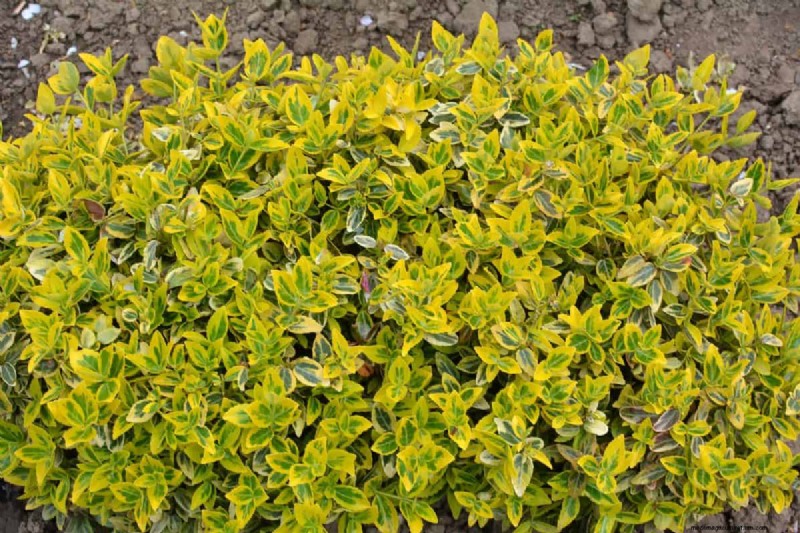
This versatile vine establishes first as a ground cover before climbing trees and structures in Midwest gardens. Its thick evergreen foliage creates dense shade that prevents sunlight from reaching native plants growing underneath.
Birds spread the colorful berries, allowing wintercreeper to invade undisturbed natural areas far from gardens. Its climbing ability enables it to reach the canopy of mature trees, where it can flower and produce even more seeds, accelerating its spread throughout the landscape.
 Depositphotos.com
Instead of these problematic plants, consider beautiful native alternatives that support local wildlife. Virginia sweetspire offers similar fall color to burning bush, while native honeysuckles provide the same vertical interest without invasive tendencies. Fragrant sumac, ninebark, and chokeberry provide beautiful berries and foliage without escaping into natural areas.
By choosing native plants adapted to Midwest growing conditions, you’ll create a garden that requires less maintenance, supports pollinators and birds, and contributes positively to the local ecosystem. Your garden will become not just a beautiful space, but a valuable habitat that connects to the broader landscape in beneficial ways.


