Welcome to Modern Agriculture!

 Depositphotos.com
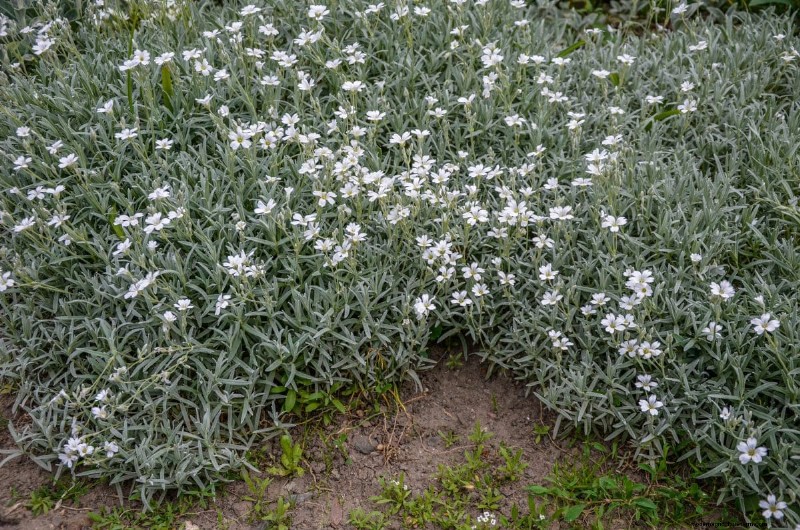
A spring garden full of healthy soil, thriving plants, and helpful insects often starts with what lies beneath, a layer of living mulch. Unlike plastic or bark, living mulch is made of low-growing plants that stay active in the soil. These covers do more than just look nice; they boost moisture, feed microbes, and fight weeds. Gardeners who skip this step may miss out on a powerful tool supporting long-term plant health. Before your next planting season, look at what living mulch can do for your spring garden.
 Depositphotos.com
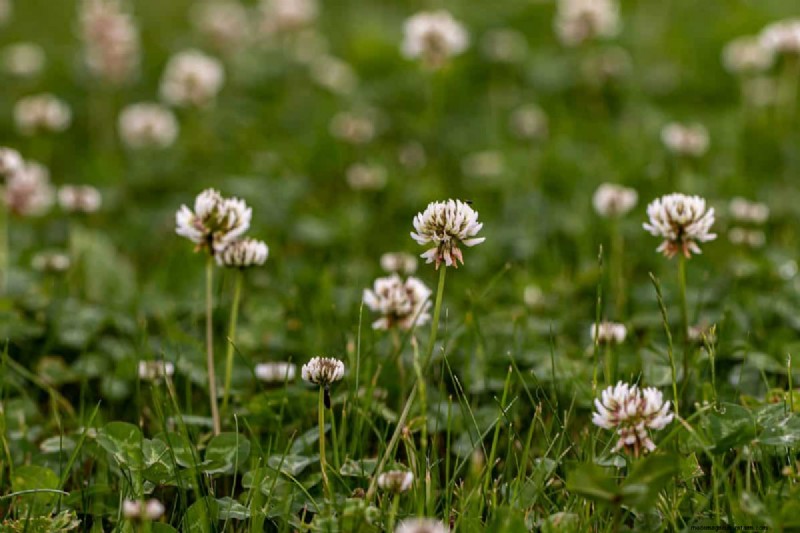
Living mulch helps block sunlight from reaching the soil surface, making it harder for weed seeds to sprout and grow. With fewer weeds popping up, gardeners spend less time pulling them out by hand. Unlike bare soil or synthetic mulch, living mulch keeps growing and shading the ground. This active cover creates a natural weed barrier, reducing the need for chemicals or constant weeding. That means less work and a cleaner-looking garden.
 Depositphotos.com
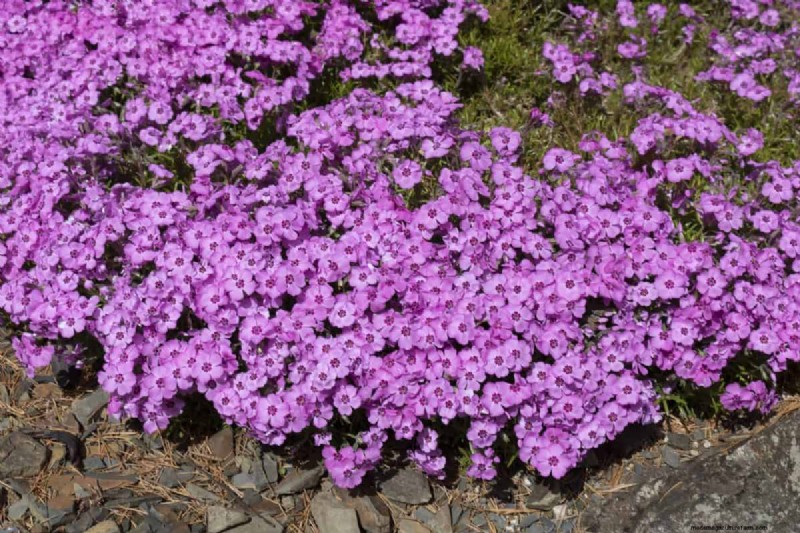
Roots from living mulch grow through the soil and break up compacted layers. This helps air and water move more easily underground. Over time, the soil becomes looser and healthier. Continuous root activity also helps soil organisms thrive. Worms and microbes work better in well-structured soil. That improves plant growth and makes the garden easier to maintain.
We'll email it to you so you can read it later!
By saving, you agree to receive occasional emails. Unsubscribe anytime.
 Depositphotos.com
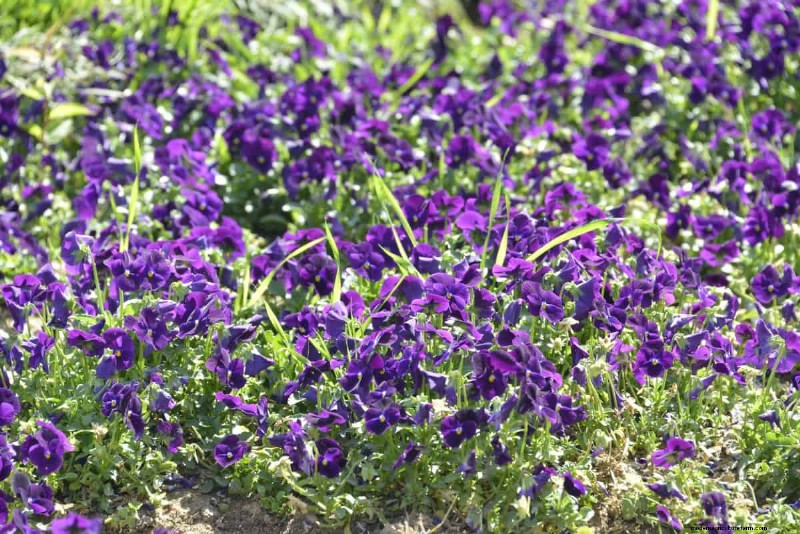
Living mulch acts like a natural sponge for your soil. It shades the ground and slows down evaporation, which helps keep moisture in the soil longer. During dry spring days, this can make a big difference for thirsty plants. Less watering is needed, which saves time and effort. Moist soil also helps roots grow stronger and deeper. That leads to better overall plant health.
 Depositphotos.com
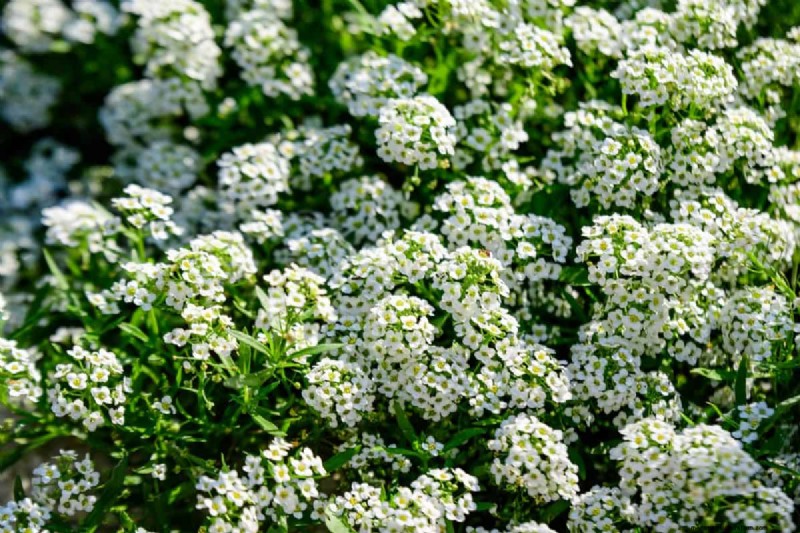
As living mulch grows, some roots and leaves die off naturally. These dead parts break down and become part of the soil. That adds organic matter, which helps feed soil life and improve texture. This process keeps your soil rich and active. You get the benefits of compost without having to add as much from outside. It is a simple way to boost your garden’s health.
 Depositphotos.com
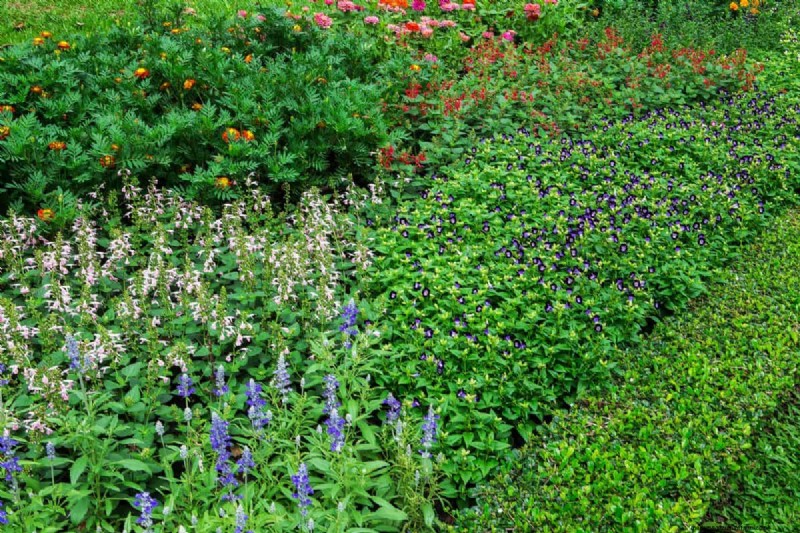
Living mulch started in spring can keep growing through summer. It helps protect the soil all year long. As the seasons change, it can be cut back or mixed with other mulching layers. This gives your garden a smooth transition without gaps. Year-round coverage keeps the soil in top shape from one season to the next.
 Depositphotos.com
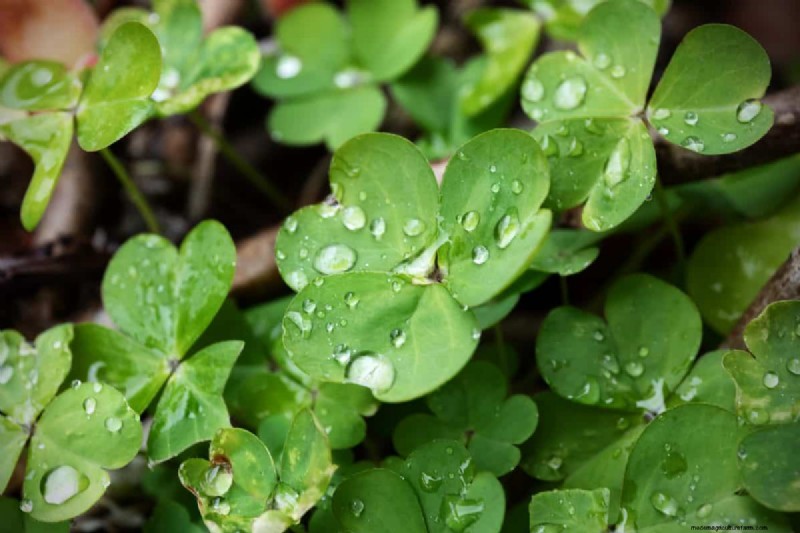
Heavy spring rains can wash away topsoil if the ground is bare. Living mulch helps prevent this by holding soil in place with its roots. The leafy cover also softens the impact of falling raindrops. This helps keep your garden beds neat and full of nutrients. Erosion control is especially important on slopes or raised beds. With living mulch, your soil stays where it belongs.
 Depositphotos.com
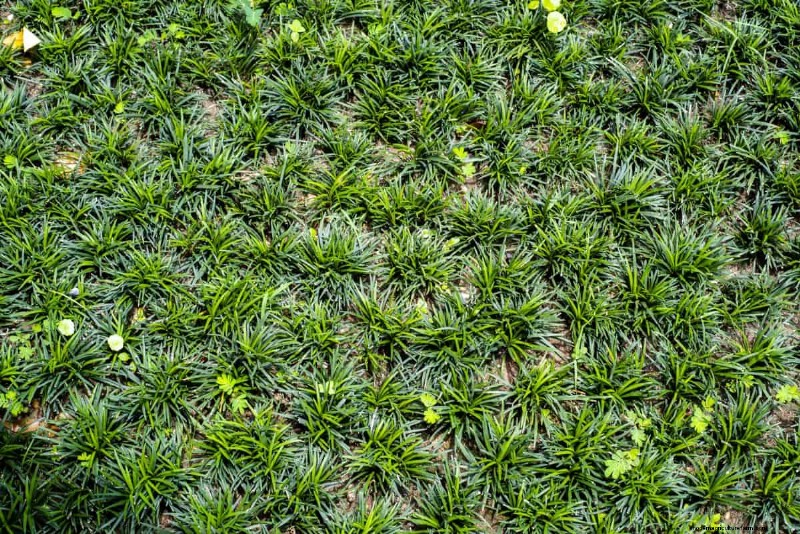
Soil temperatures can swing quickly in the spring, which stresses plants. Living mulch provides a buffer by shading the ground. This keeps the soil from heating up or cooling down too fast. Stable soil temperatures help seeds sprout and roots grow evenly. Your plants get a more consistent environment to thrive in. That leads to better early-season growth.
 Depositphotos.com
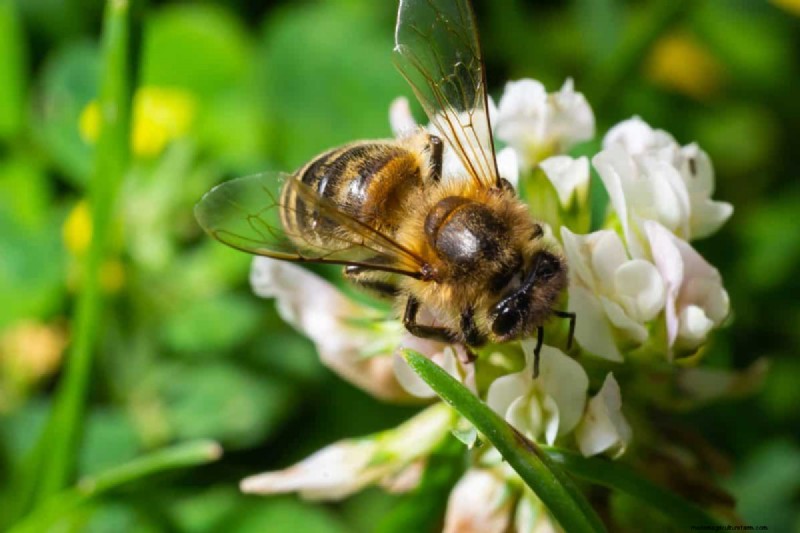
Many living mulch plants bloom early and offer nectar and pollen. This helps feed bees, hoverflies, and other pollinators at a critical time. It also attracts insects that eat pests, like ladybugs and lacewings. By giving these helpers food early in the season, they are more likely to stay in your garden. That builds a strong support system for your crops.
 Depositphotos.com
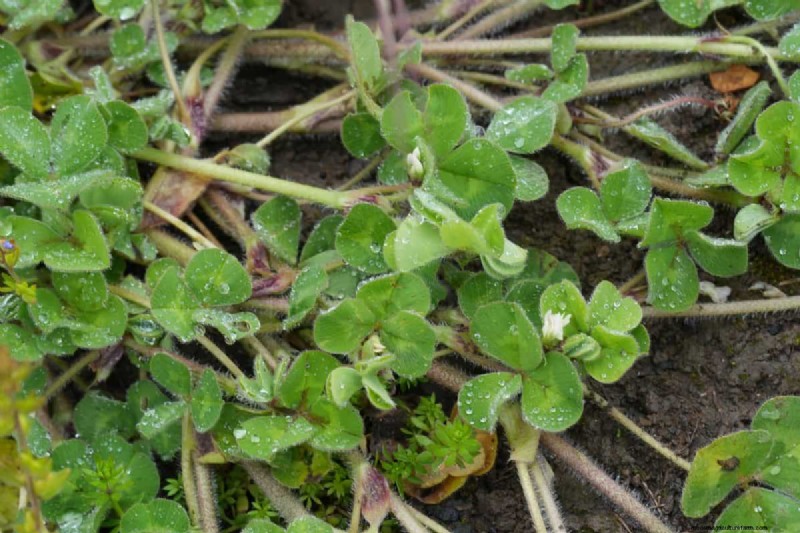
Some living mulches, like clover and vetch, are legumes. These plants work with soil bacteria to turn nitrogen from the air into a form plants can use. This natural process adds nutrients to the soil without fertilizer. Other plants nearby can benefit from this boost. Using legumes as mulch helps your garden stay fertile the natural way.
 Depositphotos.com
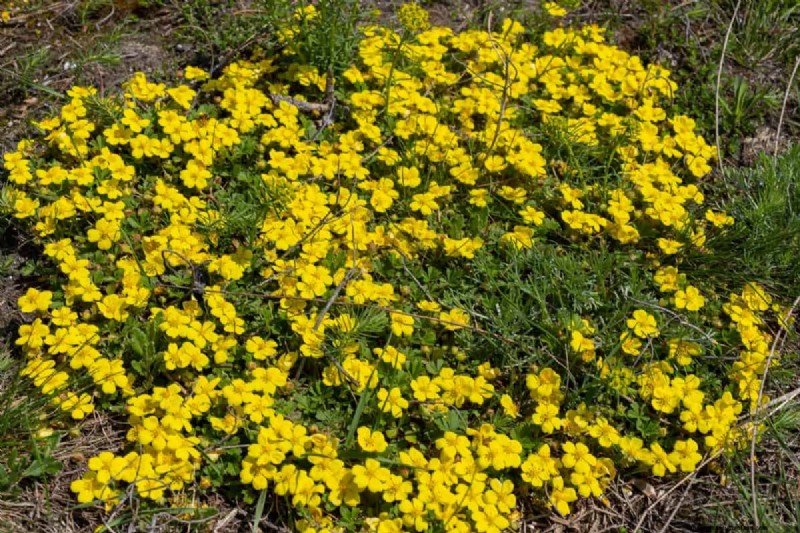
Living mulch keeps the soil alive by feeding microbes through its roots. These microbes help break down nutrients and improve soil structure. When soil stays active, it supports plant health and growth. A healthy microbiome also helps fight off diseases. Bare soil or plastic mulch can slow this natural activity. Living mulch keeps the soil ecosystem strong.
 Depositphotos.com
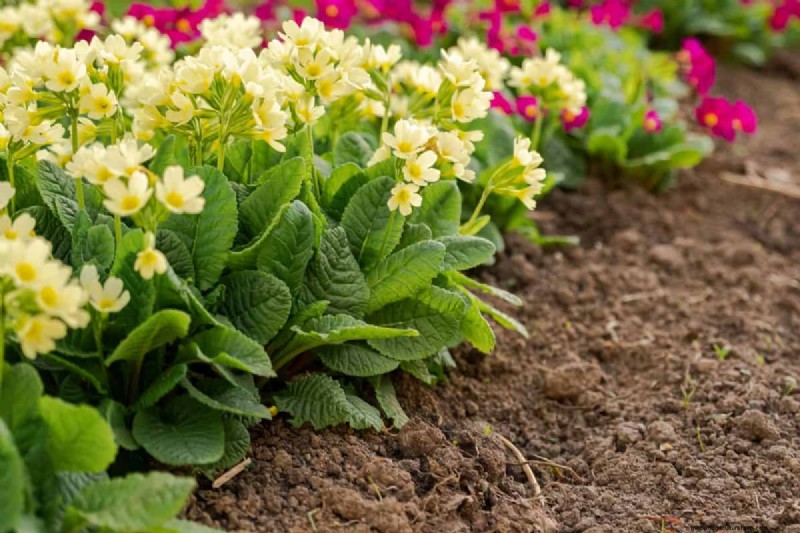
Open spaces in your garden can grow weeds or dry out fast. Living mulch fills those gaps with useful plants. This makes your garden more productive and easier to manage. You get the most out of your soil while protecting it at the same time. It is a smart way to use every inch of space.
 Depositphotos.com
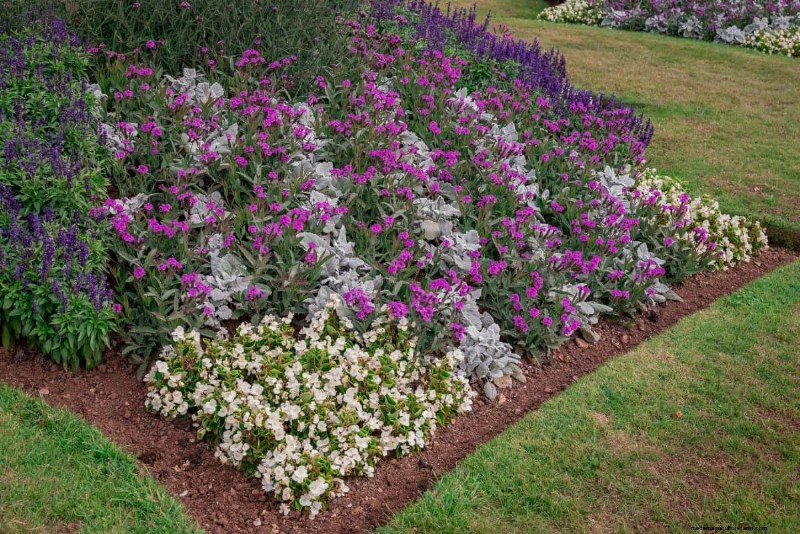
A layer of living mulch adds a soft, green look to your garden. It makes your space feel full and alive even before crops mature. Many ground covers grow low and even, giving neat edges to beds and paths. Some even flower, adding extra color. This boosts your garden’s beauty while serving a purpose.
 Depositphotos.com
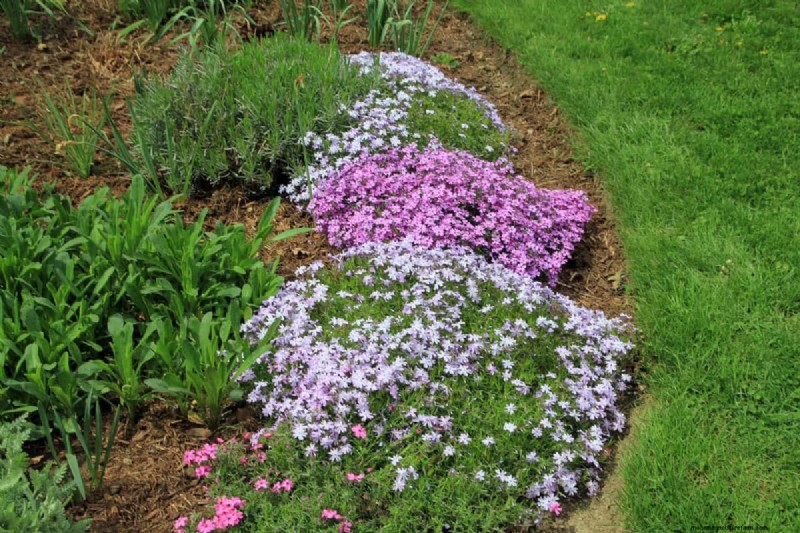
Rainfall can pack down bare soil, making it hard for roots to grow. Living mulch protects the soil surface by spreading leaves over it. This cover slows down raindrops and softens their impact. As a result, the soil stays loose and easier to work. Your plants will root better, and you will not have to dig as hard.
 Depositphotos.com
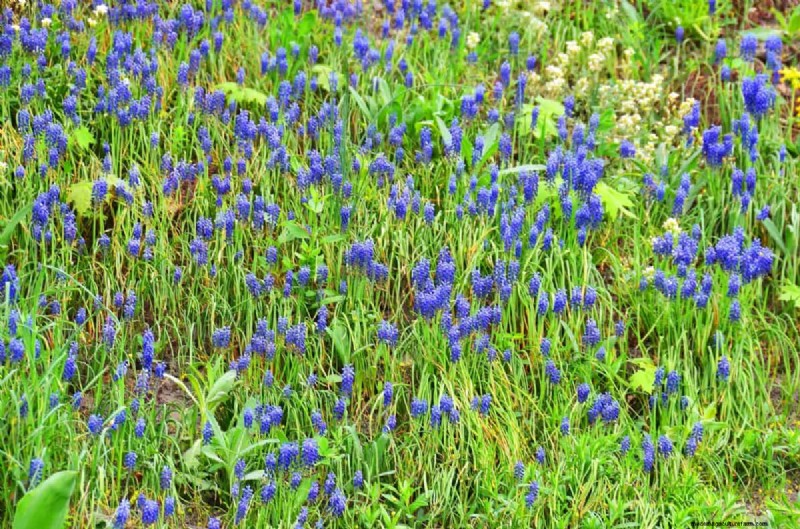
New seedlings can struggle with wind, sun, or pests. Living mulch offers gentle protection by shading and sheltering young plants. This helps them get established more easily. Some cover crops also release helpful nutrients into the soil. By pairing them with vegetables, you give your starts a better chance to thrive.
 Depositphotos.com
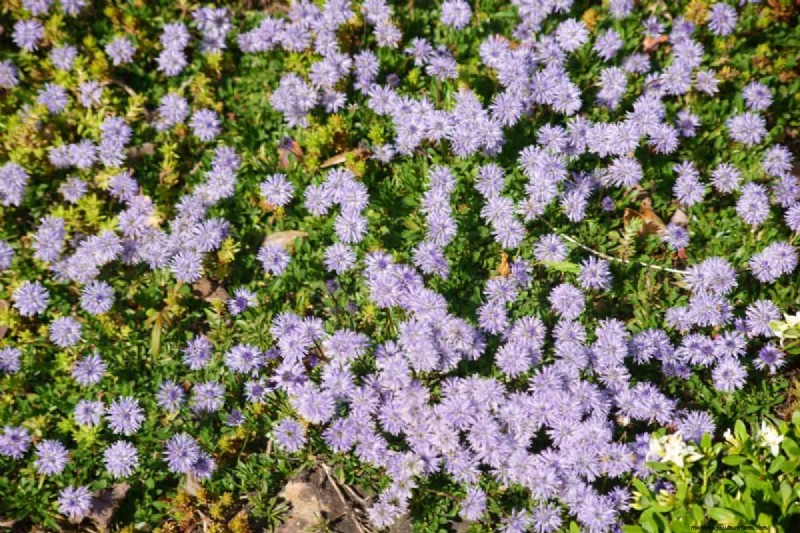
Many gardeners use plastic or fabric to cover soil and stop weeds. But these materials can be costly and harm soil health over time. Living mulch does the same job in a more natural way. It reduces your need for manufactured materials and cuts down on waste. That is better for the garden and the planet.
 Depositphotos.com
In spring, it takes time for vegetables and flowers to grow big enough to shade the soil. Living mulch covers the ground early and protects it right away. This prevents weeds and erosion during the early weeks of growth. It also keeps the soil warm and moist. Your garden gets a head start while the main crops catch up.
 Depositphotos.com
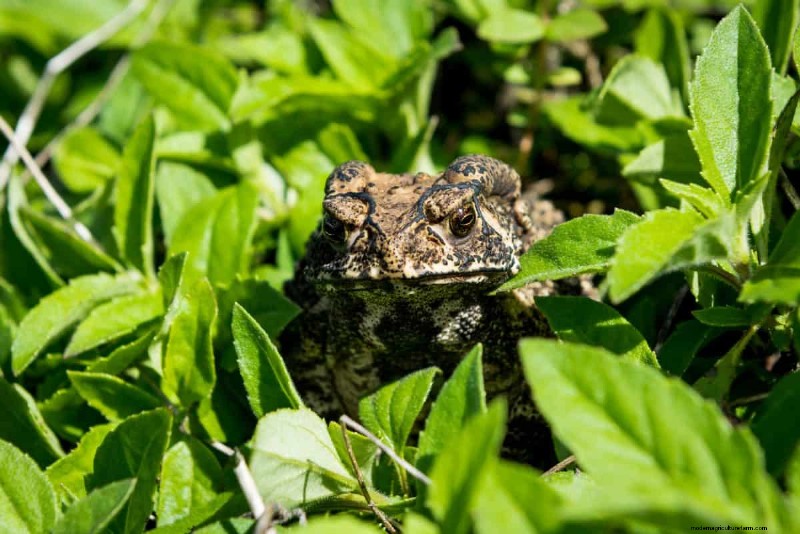
Frogs, spiders, and some beetles help control pests by eating them. Living mulch gives these helpers a cool, safe place to hide and hunt. Moisture and shade from the mulch keep them close to your crops. With fewer harmful bugs and more friendly ones, your garden stays in balance. It is a simple way to invite nature to do the work.
 Depositphotos.com
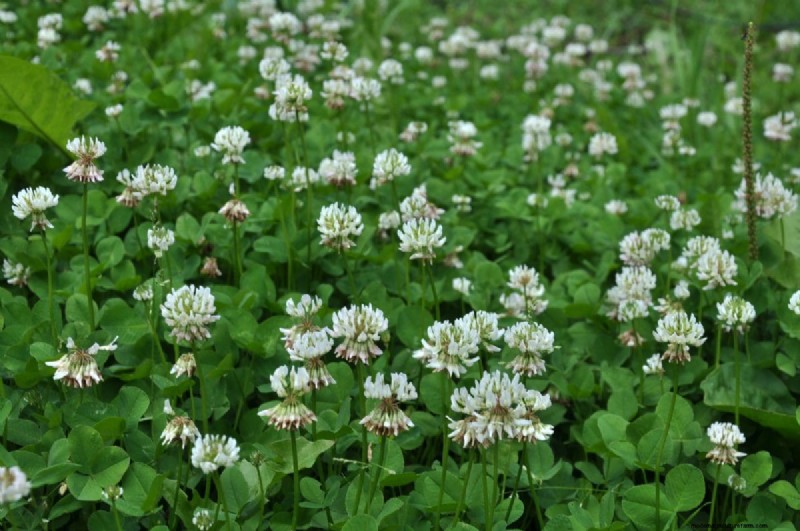
Certain living mulch plants pull up nutrients from deep in the soil. These dynamic accumulators store minerals in their leaves. When they die back, those nutrients return to the surface layer. This helps improve soil fertility over time. You get more balanced nutrition for your crops without extra fertilizer.
 Depositphotos.com
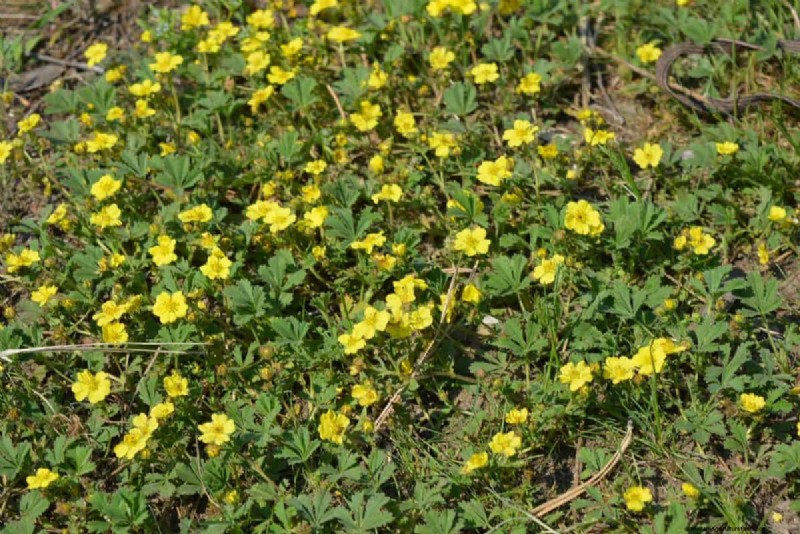
Rain can wash nutrients away from bare soil. Living mulch plants form root systems that hold soil together. These roots create a net that keeps water and soil in place. This protects your garden from losing its most valuable top layer. Strong root systems also support the health of nearby plants.
 Depositphotos.com
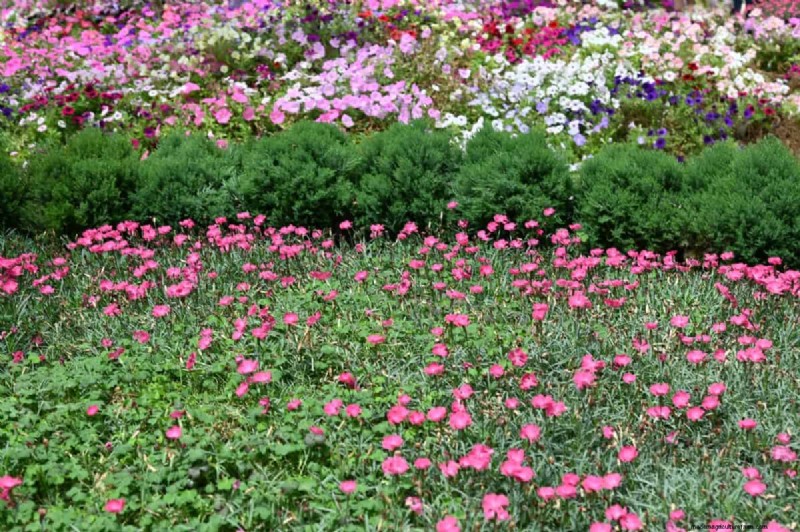
Some living mulches grow quickly and finish their cycle early. These can be replaced with vegetables or flowers later in the season. This gives gardeners more flexibility in planning. You can grow two crops in one spot while still protecting the soil. It makes your spring garden more efficient.
 Depositphotos.com
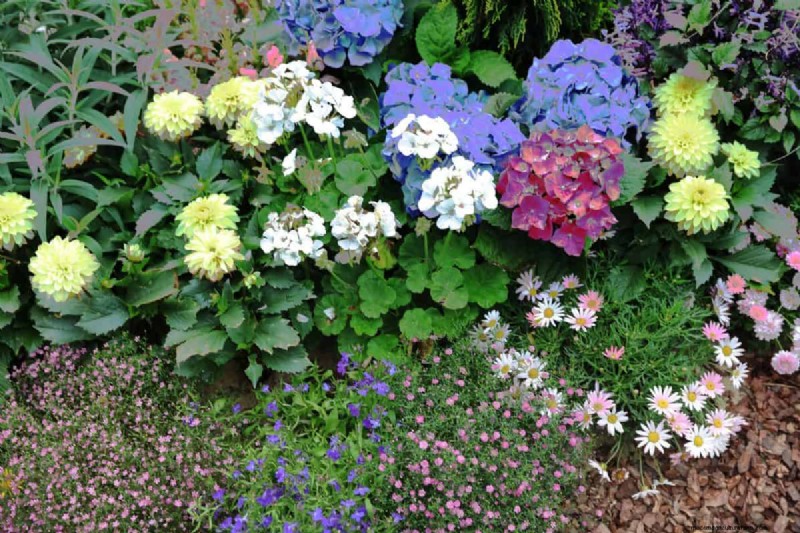
Living mulch adds more plant types to your garden. This makes the ecosystem stronger and more stable. A mix of species helps control pests and diseases naturally. It also attracts different kinds of insects and animals. A diverse garden is a healthy garden, and living mulch supports that balance.
 Depositphotos.com
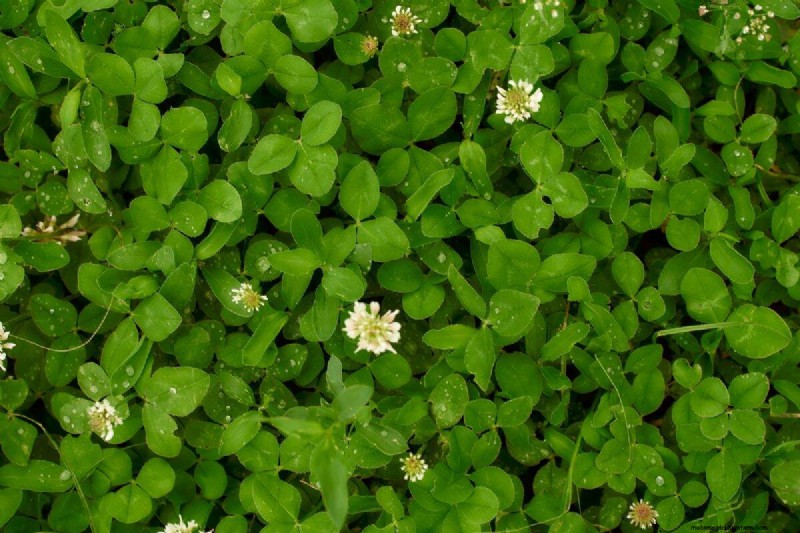
Roots from living mulch plants push through the soil as they grow. This creates small air pockets underground. These spaces help water drain and give oxygen to plant roots. You get better soil health without using tools to loosen it. The roots do the work for you.
 Depositphotos.com
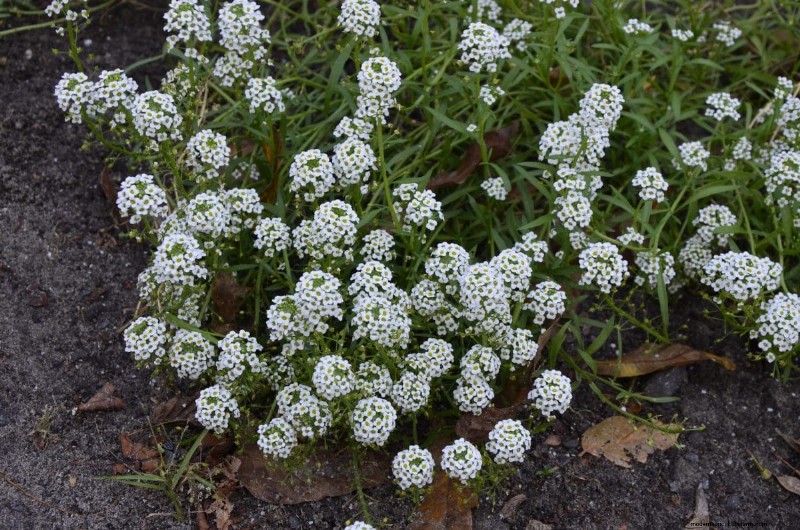
Some living mulch plants drop seeds that sprout on their own. This means you do not have to replant each year. It saves time and money while keeping the soil protected. Self-reseeding covers are especially helpful in large or hard-to-reach areas. They give long-lasting coverage with little effort.
 Depositphotos.com
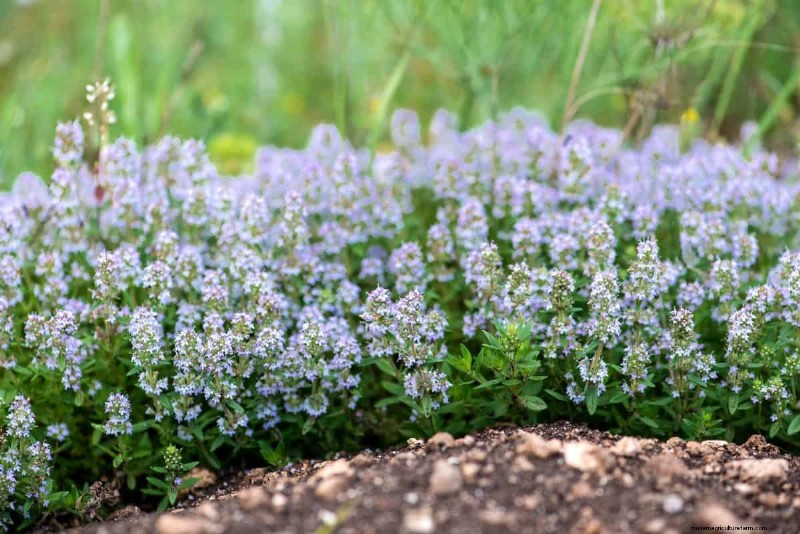
Some ground covers are not just useful—they are also edible. Plants like thyme, purslane, or nasturtium offer both soil benefits and tasty leaves or flowers. You can enjoy fresh herbs or snacks right from the ground. It is a smart way to make your garden more productive without extra space.
 Depositphotos.com
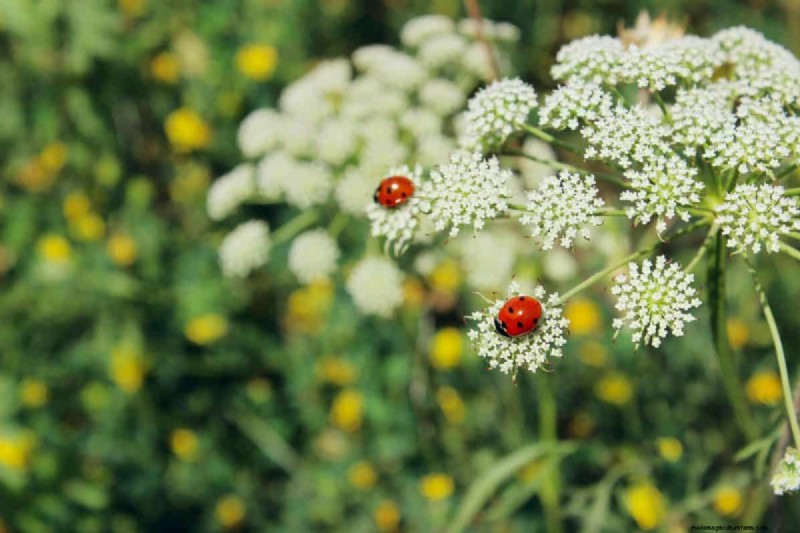
Living mulch gives helpful insects a place to live and hunt. Ground beetles, for example, eat pests like slugs and caterpillars. The moist, shady space under the mulch keeps them safe and active. Without living mulch, these insects may leave or get eaten. By keeping them around, your garden has natural pest control. That means healthier plants with less spraying.
 Depositphotos.com
Living mulch is more than a ground cover. It works hard to support plant health, protect soil, and attract helpful insects. From moisture control to natural pest defense, its benefits stack up fast. Adding it to your spring garden can lower your workload while boosting results. With so many ways to use living mulch, every gardener can find a plant that fits their space. Even a small patch can make a big difference when it is covered with living mulch.