
Welcome to Modern Agriculture!

 Depositphotos
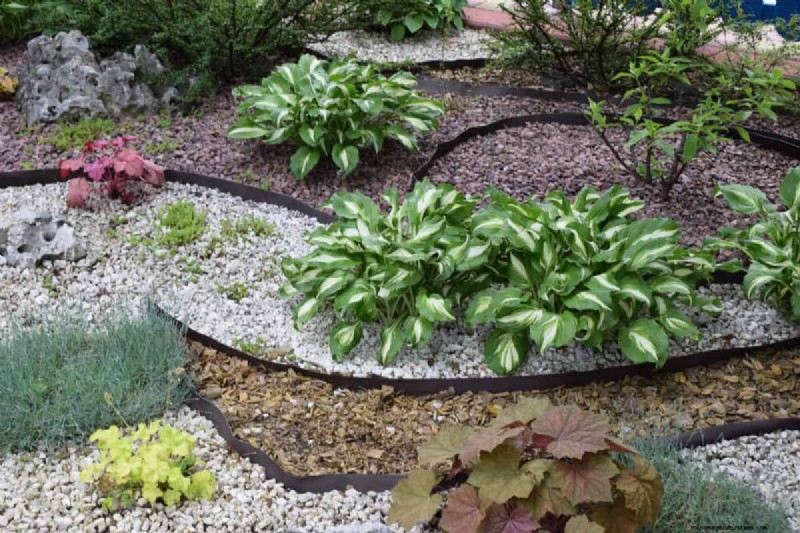
No matter how pretty your garden looks, some plants don’t get along. They might fight for sunlight, hog nutrients, or even harm their neighbors with sneaky chemicals. But don’t worry, you don’t need to memorize every bad combo. Instead, you can follow simple tips to help your garden stay balanced and productive. From planning your layout to knowing what grows well together, these tricks will help your plants live harmoniously.
 Depositphotos
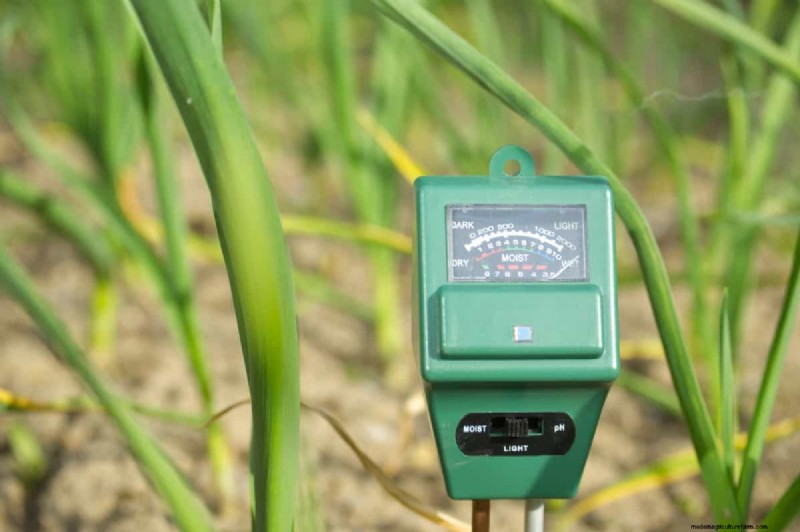
Before you plant anything, find out what your soil is like. Testing tells you if it’s too acidic, low on nutrients, or missing important minerals. Once you know what your soil needs, you can fix it before problems start. Healthy soil makes everything grow better and helps avoid plant fights over nutrients.
 Depositphotos
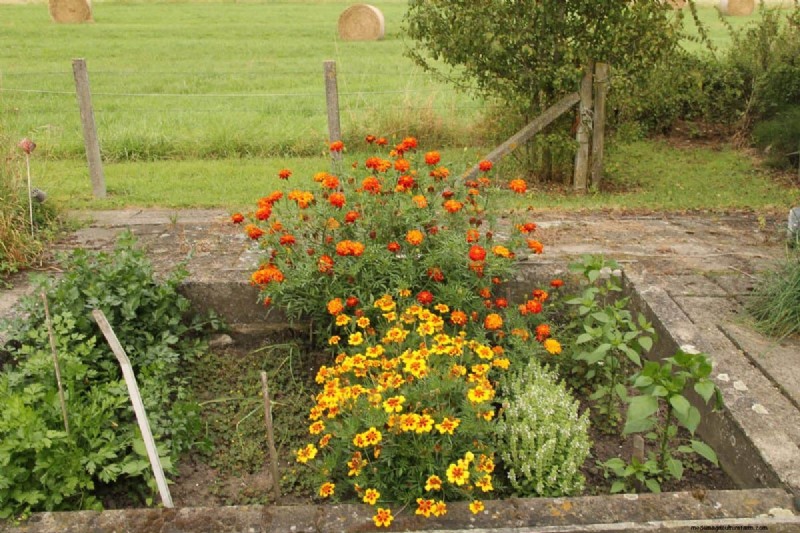
Some plants are better off when grown next to friends. Companion planting means putting together plants that help each other grow. For example, certain flowers attract good bugs that protect vegetables. Some herbs can keep pests away, too. It’s all about balance. Use combinations like marigolds with parsley or basil with peppers. These matches help your garden grow better with less trouble.
We'll email it to you so you can read it later!
By saving, you agree to receive occasional emails. Unsubscribe anytime.
 Depositphotos
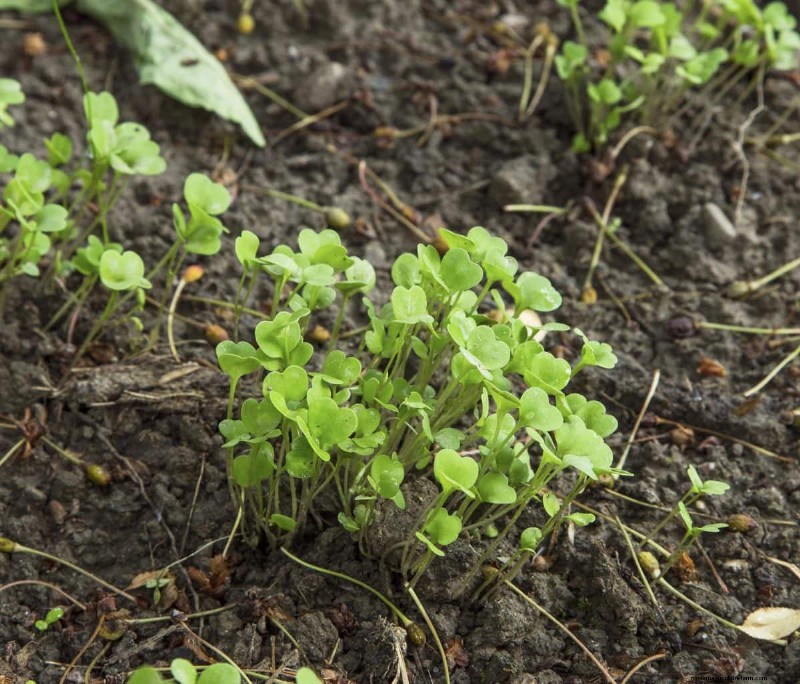
Growing the same plant in the same spot every year can hurt your soil. It can also bring more bugs and diseases. Crop rotation helps stop that. Move your plants to a new spot each season. This gives the soil a break and keeps problems from building up. You’ll grow healthier plants with fewer pests.
 Depositphotos
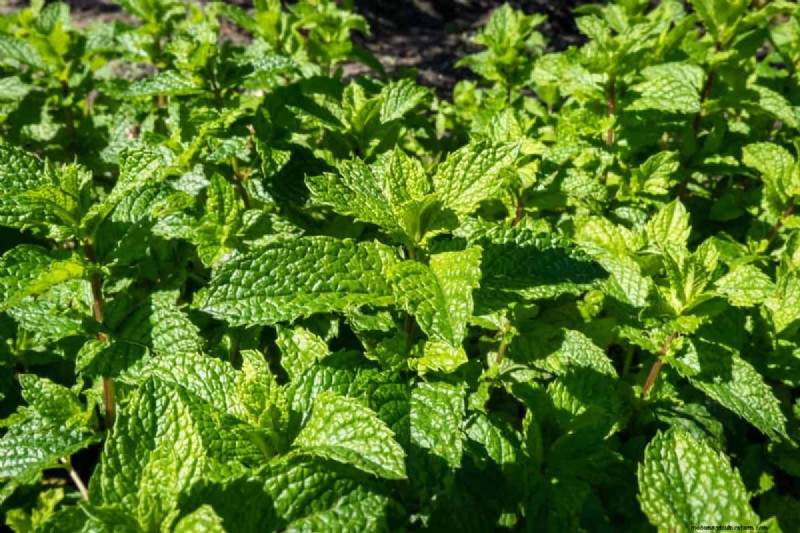
Some plants like to take over. Mint and fennel are examples. They can crowd other plants or send out chemicals that stop things from growing. Keep these strong growers away from others. Use pots or give them their own space in the garden. That way, they don’t bully their neighbors.
 Depositphotos
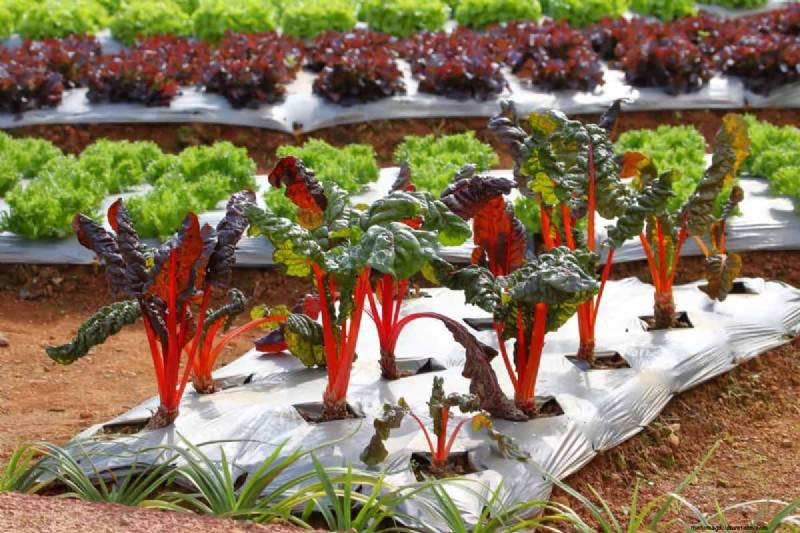
Not all plants like the same amount of sun, water, or nutrients. If you mix ones with different needs, someone will suffer. Group plants that enjoy the same care. This makes your job easier and keeps everyone happy. For example, lettuce and spinach like cool weather, while peppers and tomatoes need heat.
 Depositphotos
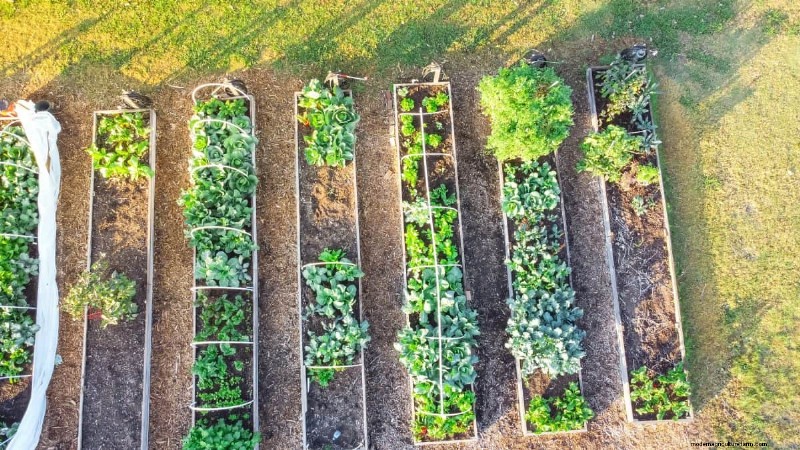
Having a lot of the same plant in one area can be risky. Pests and diseases spread faster when everything is the same. Mix things up to confuse bugs and protect your garden. Diversity helps your plants stay healthier and can make your garden more beautiful, too.
 Depositphotos
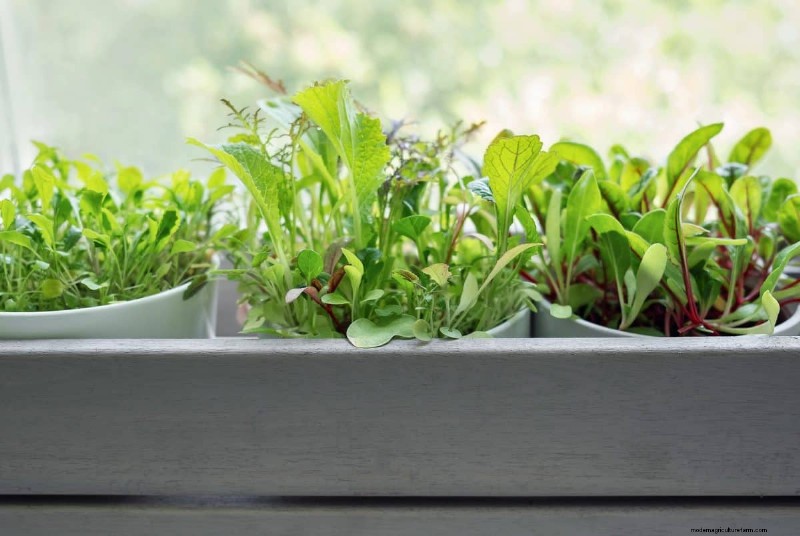
Containers are a great way to manage tricky plants. You can move them around or keep them from spreading. They’re perfect for herbs that grow fast or plants that don’t get along with others. Containers also let you control soil and water better, helping sensitive plants thrive.
 Depositphotos
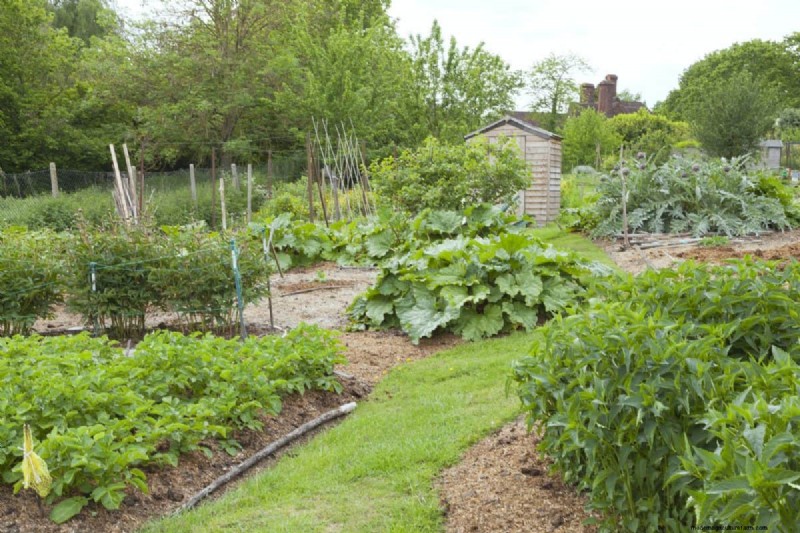
If certain plants don’t get along, keep them apart. Use raised beds, rows, or garden dividers. This helps control the spreading roots or bad interactions. Barriers also help you organize your garden better. You’ll have an easier time caring for each section, and your plants will grow stronger.
 Depositphotos
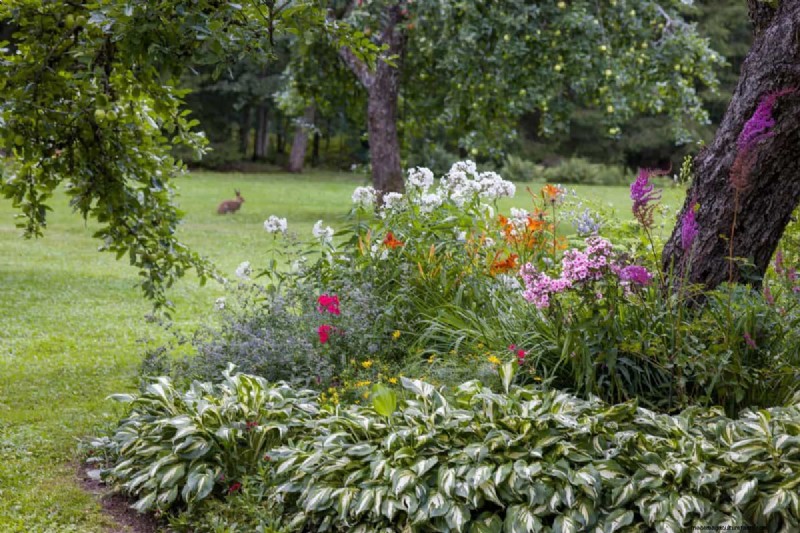
Too much sun can stress some plants, while others need full light to grow. Use taller plants or garden structures to create shade for those that need it. Planning shade areas lets you grow more kinds of plants without letting them burn or wilt. Everyone gets just the right amount of light
 Depositphotos
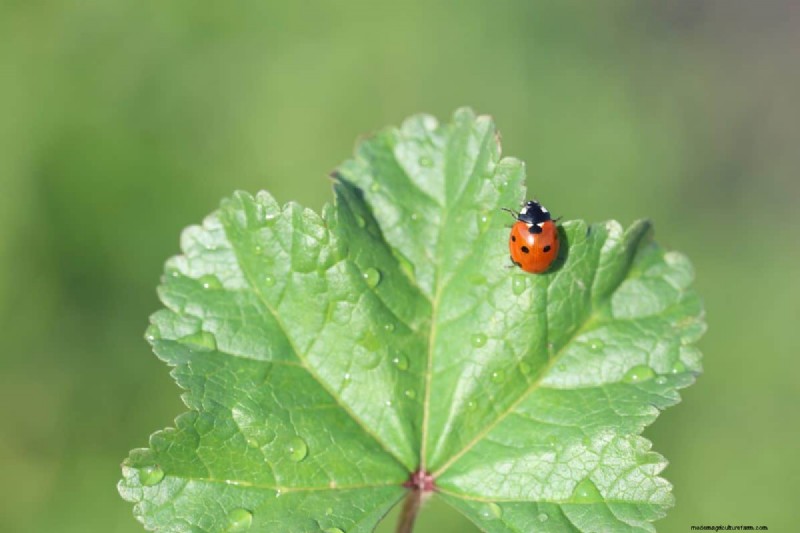
Some bugs help your garden. Bees pollinate, and ladybugs eat pests. You can bring them in by planting flowers like nasturtiums or marigolds. These flowers look nice and work hard, too. A mix of helpful bugs keeps bad ones away and helps plants produce more.
 Depositphotos
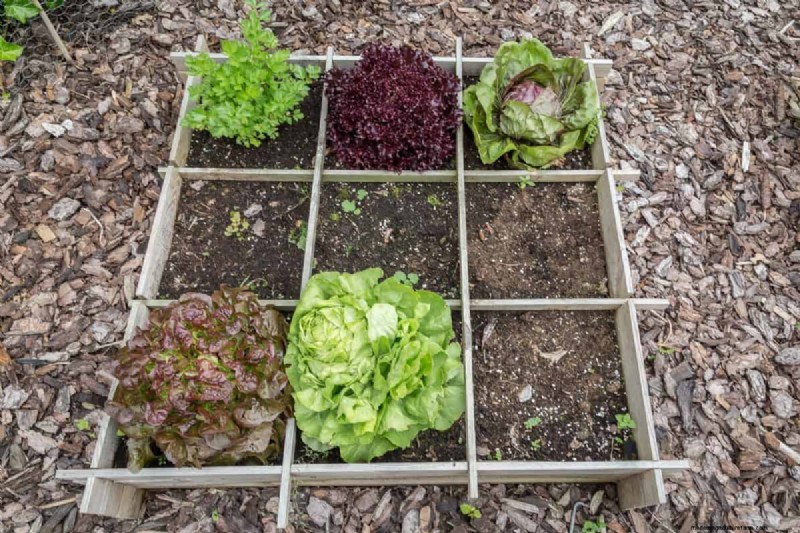
Sometimes a plant just isn’t doing well, and the reason isn’t clear. Look at what’s growing nearby. It might be a plant that doesn’t get along well with it. Moving one plant can make a big difference. Watching your garden helps you spot and fix problems early.
 Depositphotos
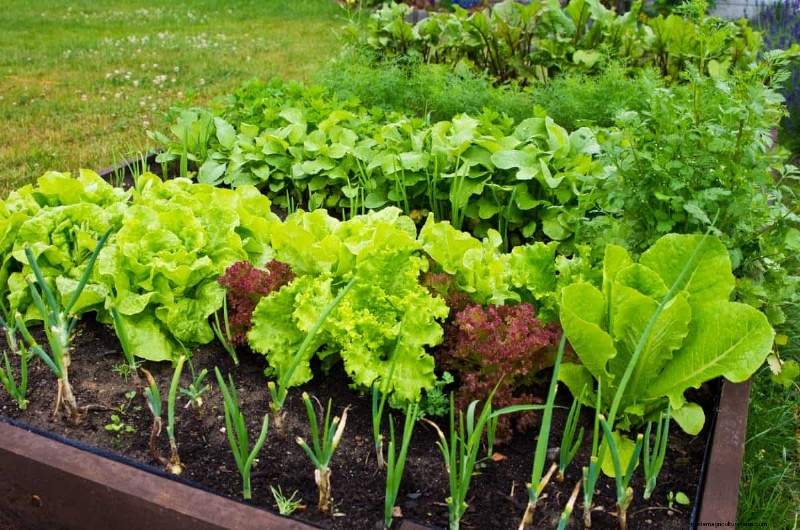
Tall plants can block sunlight from smaller ones. Some spread widely and take up too much space. Think about how big your plants will get. Put taller ones where they won’t shade others. Give everything enough room to grow without bumping into its neighbors.
 Depositphotos
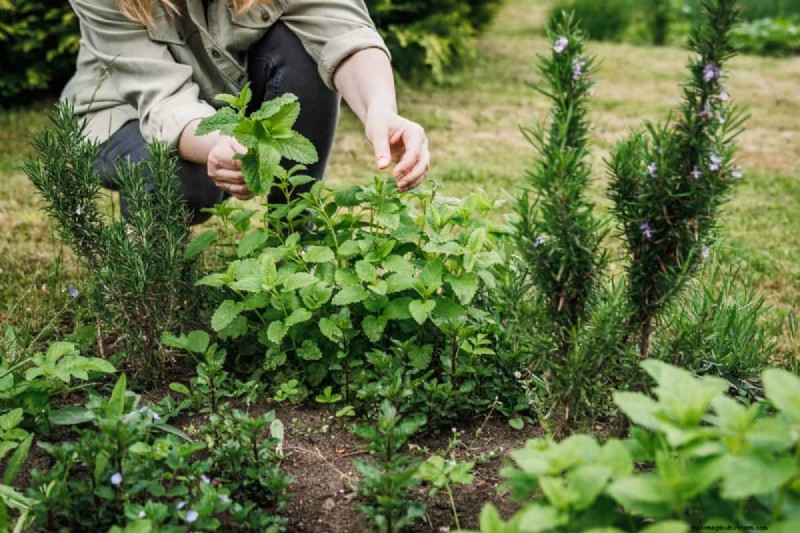
Herbs can grow fast and push out other plants. Mint, oregano, and lemon balm are strong spreaders. Plant them in pots or away from other crops to stop them from taking over. This keeps your herb patch neat and your vegetables safe.
 Depositphotos
Some plants give off chemicals that hurt others. This is called allelopathy. Black walnut trees and sunflowers are known for it. They can slow or stop nearby plants from growing. If you have one of these, keep sensitive plants far away. Research before planting helps avoid these surprise struggles.
 Depositphotos
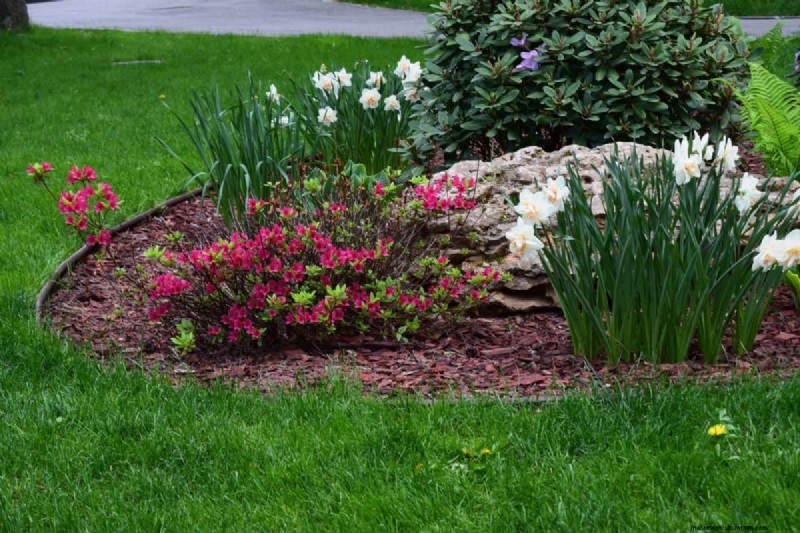
Aside from testing your soil before planting, make sure to keep it healthy, as healthy soil makes everything grow better. Add compost or mulch to keep it rich. Organic matter feeds your plants and helps hold water. Good soil supports root growth and helps your plants resist disease. A strong garden starts from the ground up.
 Depositphotos
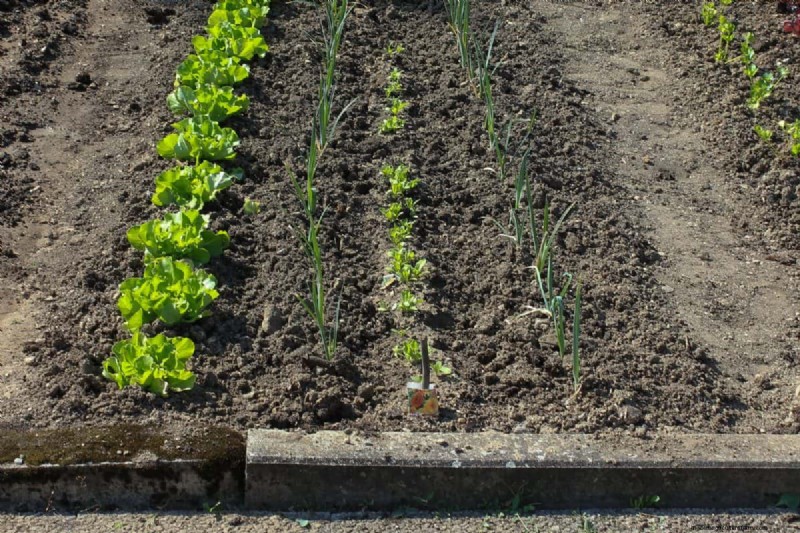
If you plant things too close, they’ll fight for sun, water, and food. Crowding also makes it easier for diseases to spread. Follow spacing tips from seed packets or plant labels. This gives your plants room to grow and makes your garden look tidy.
 Depositphotos
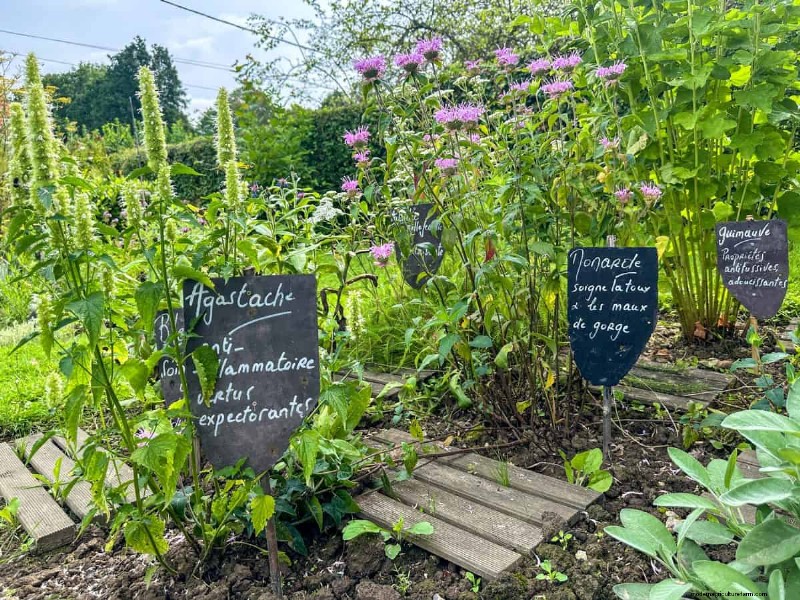
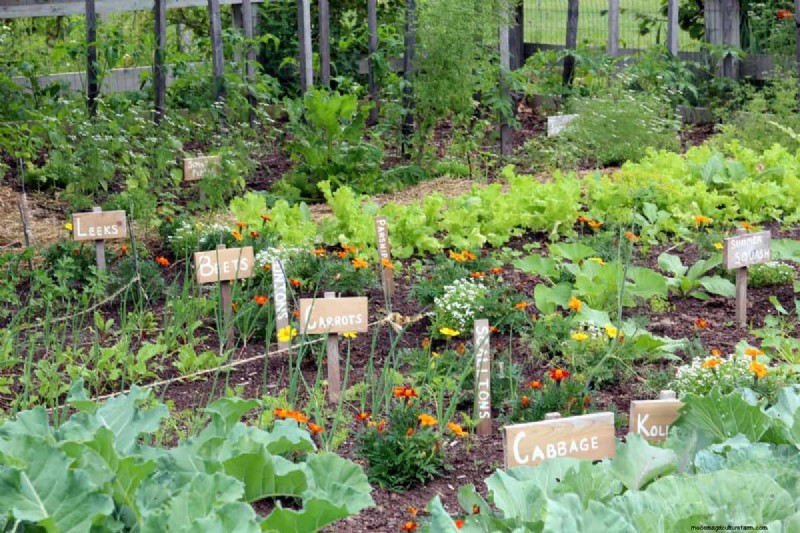
It’s easy to forget what you planted and where. Use garden labels to keep track. Knowing your plant types helps you care for them right and notice when something’s going wrong. Labels also help you remember what worked well together for next season’s plan.
 Depositphotos
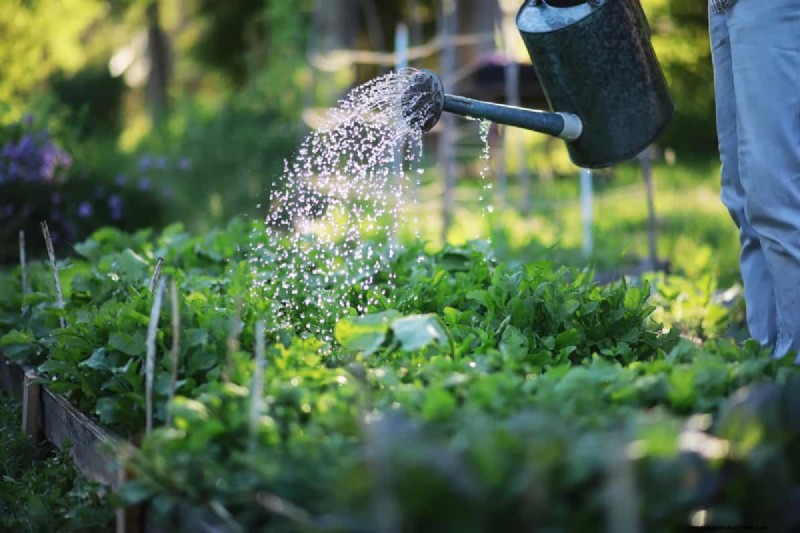
Watering your garden at the wrong time can cause problems. Water in the early morning or late afternoon when it’s cooler. This helps water soak in and avoids quick evaporation. Wet leaves at night can invite disease, so aim for the roots instead. Consistent watering keeps your garden healthier.
 Depositphotos
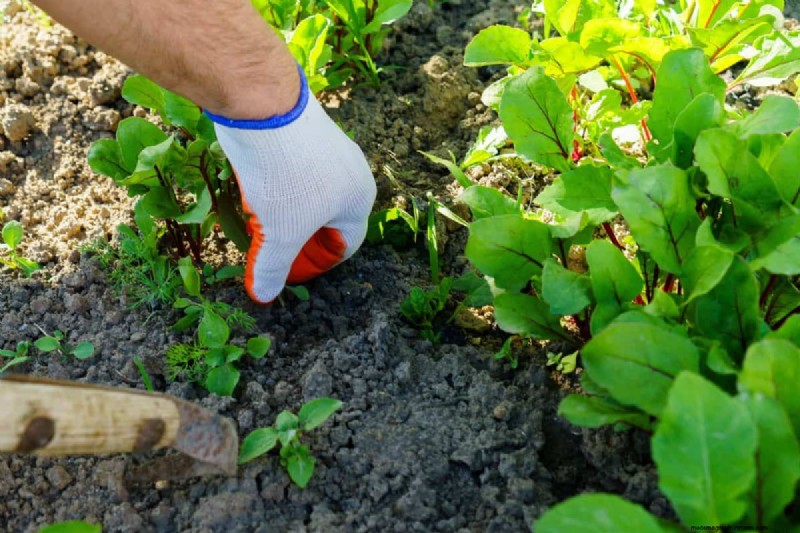
Weeds steal nutrients and space from your plants. They also bring in pests. Check your garden often and pull weeds before they get big. It’s easier to manage them early. Mulching around your plants also helps stop weeds from growing.
 Depositphotos
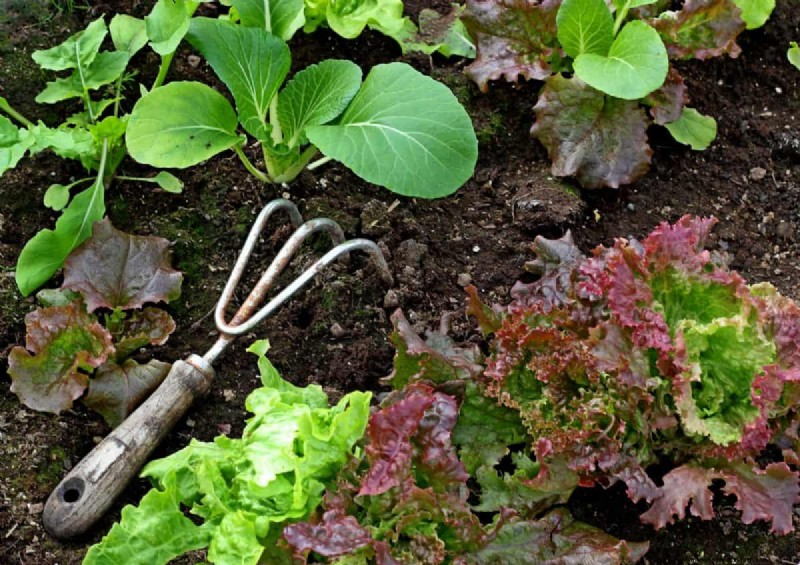
Every plant has a favorite spot. Some like full sun, while others prefer shade. Before planting, learn what your plants need. Don’t force a sun-loving plant into a shady corner. Giving each plant the right home helps it thrive and stay strong.
 Depositphotos
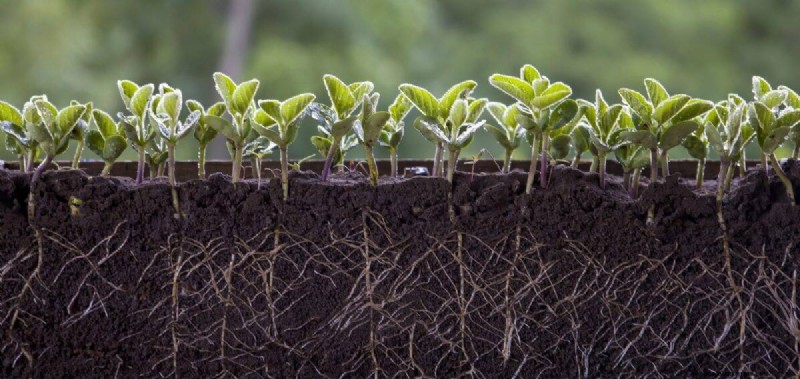
Some plants send out long roots that take more than their share. Others have shallow roots that struggle to compete. Know how your plants grow underground. Give deep-rooted ones space so they don’t hog all the water and food. Matching root styles keeps things fair below the surface.
 Depositphotos
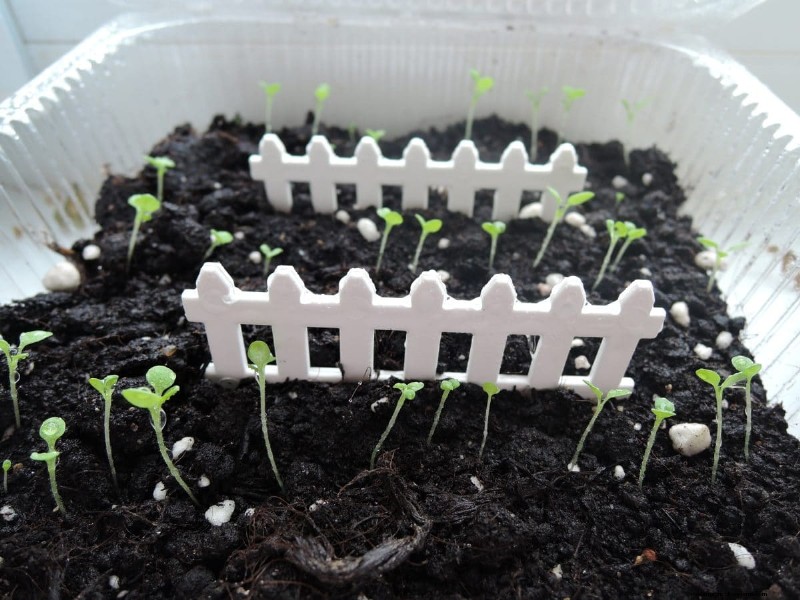
You don’t have to plant everything at once. Start with a few plants and see how they do. Learn from mistakes and celebrate your wins. Gardening takes time and practice. A smaller garden is easier to care for and teaches what works best in your space.
 Depositphotos
Write down what you plant, where, and how it does. A simple garden journal helps you remember what worked and what didn’t. You can track pests, weather, and blooming times, too. Over time, you’ll spot patterns and make better choices each season. It’s like giving your garden a memory.
 Depositphotos
Your garden doesn’t need to be perfect to be productive. Understanding which plants need space, which ones get along, and planning plant companions will save you a lot of trouble. These simple tips can help prevent stress and boost plant health. Whether working with a few containers or a big yard, a little planning goes a long way. Keep watching, learning, and adjusting—your garden will thank you.


