
Welcome to Modern Agriculture!

Fertilizers play a crucial role in maintaining the health and productivity of a garden by providing essential nutrients that plants need to grow.
These nutrients include nitrogen, phosphorous, and potassium, which are often referred to as the “Big 3” in the world of gardening.
When applied correctly, fertilizers can enhance plant growth, increase yields, and promote overall plant health.
The use of fertilizers in a garden can help maintain soil fertility and prevent nutrient deficiencies. Gardeners should consider factors like the type of plants being grown, existing soil conditions, and the nutrient needs of specific plants when choosing and applying fertilizers.
A soil test can help determine the appropriate amounts and types of fertilizers needed, ensuring the right balance of nutrients is maintained for optimal growth.
Fertilizing your garden is not a one-size-fits-all approach, as different plants have different nutrient requirements.
Applying the right fertilizers at the appropriate times can make all the difference in ensuring a garden thrives with healthy, robust plants.
By understanding the role of fertilizers in a garden, gardeners can make informed decisions to create the ideal environment for their plants to flourish.
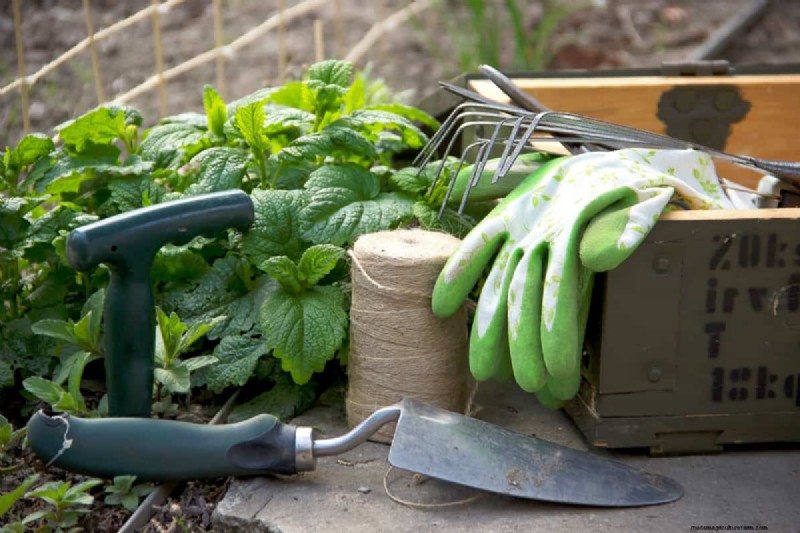
Fertilizers play a crucial role in maintaining a healthy and productive garden.
Fertilizers supply plants with the necessary nutrients, such as nitrogen (N), phosphorus (P), and potassium (K), which are essential for optimal growth and development.
These nutrients help plants grow strong roots, produce lush foliage, and generate abundant fruit and flowers.
A well-fertilized garden will generally experience faster growth and higher yields, making it essential for a thriving garden.
In addition to the major nutrients, fertilizers also provide minor nutrients like calcium (Ca), magnesium (Mg), and sulfur (S), as well as micronutrients like boron, copper, iron, manganese, zinc, and more in tiny amounts.
One of the primary functions of fertilizer is to balance nutrient levels in the soil. Over time, the nutrients in the soil can become depleted due to plant growth, erosion, and other factors.
Fertilizing your garden helps to replenish these lost nutrients and ensures that plants have a steady supply of essential nutrients for optimal growth.
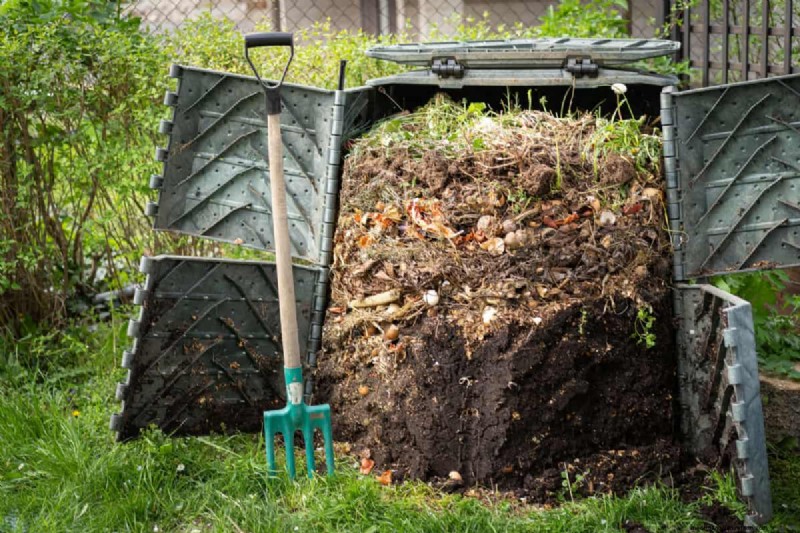
Another crucial function of fertilizers is improving the soil structure. Good soil structure is vital for proper root growth, water retention, and nutrient availability.
Fertilizers can help improve soil structure by:
Fertilizers are classified into two main categories: organic and inorganic.
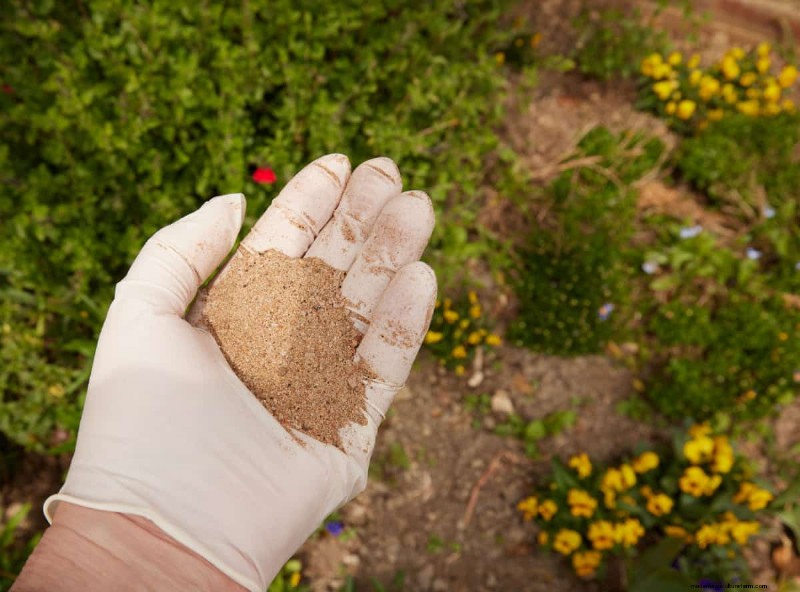
Organic fertilizers are typically derived from plant, animal, or mineral sources.
Some common examples of organic fertilizers include:
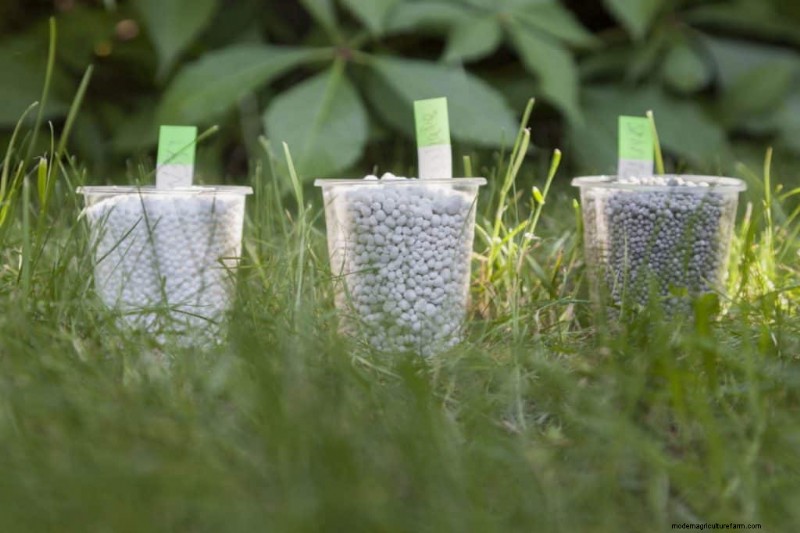
Inorganic fertilizers are created through a manufacturing process that provides specific nutrient ratios for plants. They are usually applied in granular or liquid forms and are available in slow or quick release formulations.
Some common examples of inorganic fertilizers include:
We'll email it to you so you can read it later!
By saving, you agree to receive occasional emails. Unsubscribe anytime.


