Welcome to Modern Agriculture!

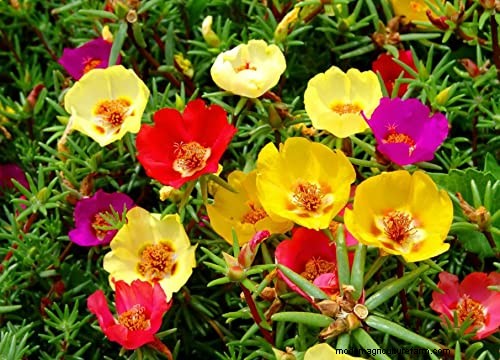
Portulaca, also called moss rose, often exudes the utmost beauty when it blooms. But you can’t help but wonder why your Portulaca’s leaves remain closed. Also, what can you do to make the plant bloom? We researched for your convenience, and here’s what we found.
Portulacas may not bloom, regardless of the time of day, if they’re experiencing certain issues. Some problems you may come across often range from insufficient sunlight to a pest infestation. Once you find the source of the issue, use the appropriate actions to solve it and open your portulaca plants.
So continue reading as we talk about the possible reasons why your portulaca doesn’t flower. Also, we’ll tackle some potential solutions that may help maintain the plant’s blooming cycle.
Portulacas often require at least 6 hours of direct sunlight per day. It’s a plant that thrives in dryness and typically only requires adequate watering daily.
Despite Portulacas having minimal water requirements, this doesn’t mean you shouldn’t disregard its moisture requirements. Generally, you don’t need to water it every day, particularly if you live in a location that rains frequently, but you may have to apply a light spritz of water if rain hasn’t falllen in your area as of late.
Portulacas planted in soil that gathers significant moisture might not be the best growing scenario. Bear in mind that this plant often flourishes in dry environments, particularly beachfront.
Crowded planting environments may also prevent moss roses from blooming. Gardeners should follow adequate spacing between portulacas to ensure their proper growth.
Perhaps you’re caring for your portulaca plants religiously, but they’re still not blooming. If so, this issue may lie with the season. It’s best to start planting a portulaca from the first day of summer. Then, it should bloom before the cold season arrives.
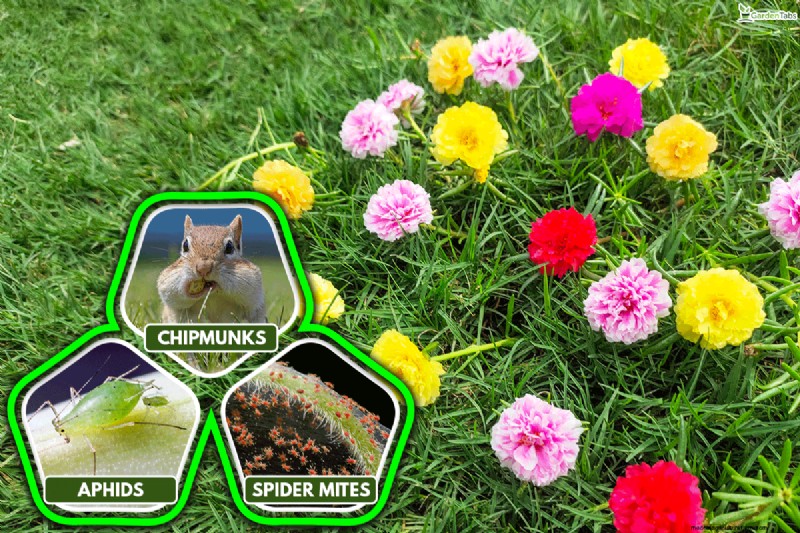
Insects like aphids and spider mites can wreak havoc on your portulaca plants. Aside from these bugs, chipmunks may also find your portulacas alluring. These pests may destroy the well-being of your portulacas, preventing them from blooming properly.
At this point, you might be curious to know if portulacas attract hummingbirds. You can read our post on that topic to know the answer.
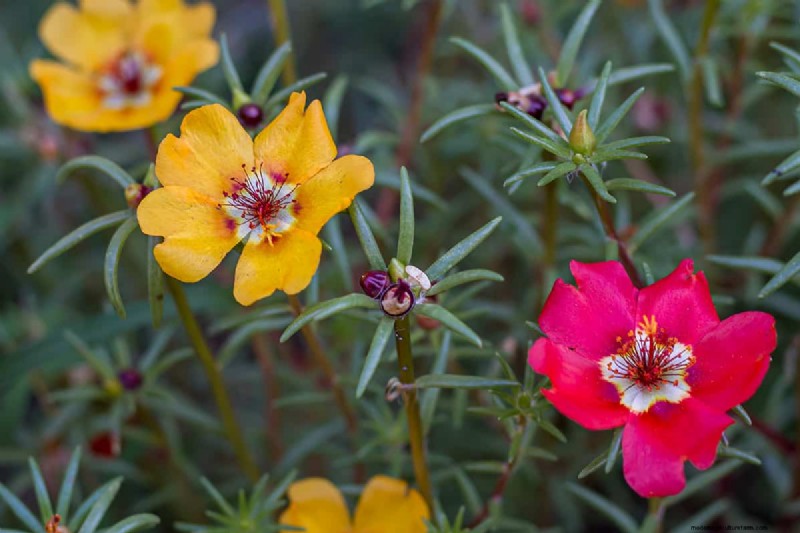
Different solutions are available to help increase the likelihood of your portulaca plants opening and flowering. Some methods you may use are:
As mentioned earlier, aphids and spider mites are among the main suspects that ruin your portulacas before they flower. Make sure to act quickly and apply the correct measures to eliminate and prevent these pests from destroying your plants.
You’ll know if aphids are eating away your garden, including your portulaca plants, if you see signs like:
On the other hand, some symptoms to watch out for if you have a spider mite problem are:
You may use chemical insecticides to eliminate pests and prevent these insects from eating your moss roses, but the harsh components may also harm the plants you’re trying to protect.
Before resorting to this, apply solutions like spraying neem oil on your portulacas. That organic oil can help stop aphids from eating those plants. As for spider mites, you may need to use insect traps and place them in strategic locations around your portulaca plants.
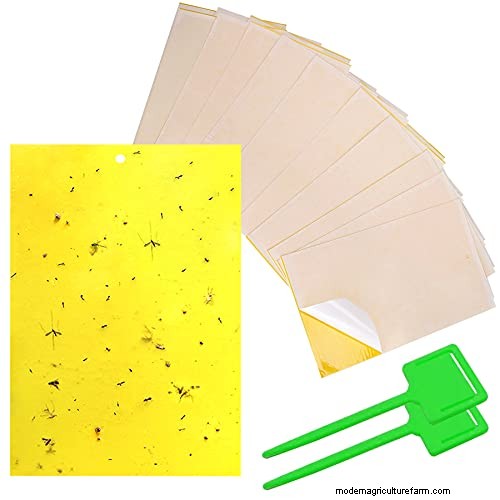
Check out these insect traps on Amazon.
You can also check out this video if you need help controlling and preventing aphids:
Also, the video below helps you if you’re dealing with spider mites:
Remember, portulacas generally love direct sunlight. So placing these plants in shady areas around your property may not be the best idea.
If you already planted your portulacas, follow these steps to transplant them:
Deadheading is the process of removing dead or diseased parts of plants. It’s a procedure that helps secure the well-being of plants like portulacas. Failure to use this technique may result in the entire plant dying from illnesses and viruses.
Here are the steps to deadhead your moss roses:
Bear in mind that you shouldn’t throw the cut parts near your healthy portulacas. Otherwise, the rotting components may infect your plants which are still healthy!
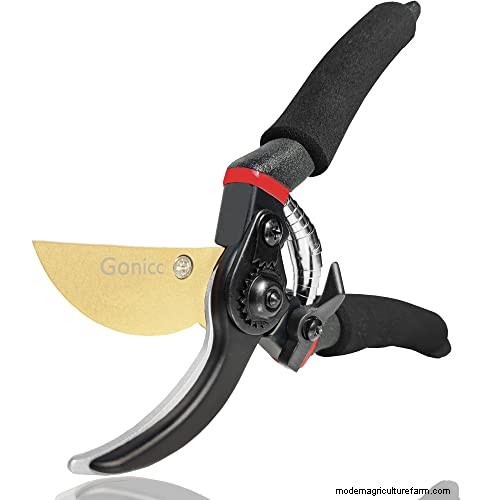
Check out this product on Amazon.
We'll email it to you so you can read it later!
By saving, you agree to receive occasional emails. Unsubscribe anytime.
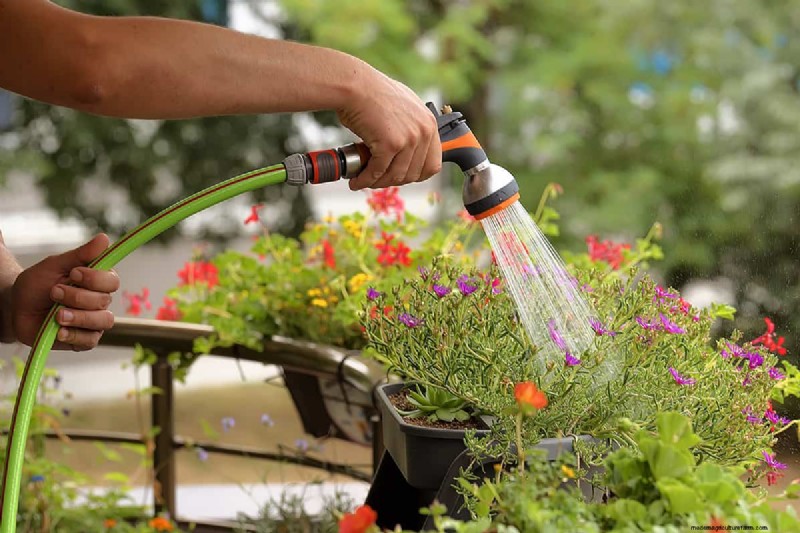
Overwatering a portulaca may cause its root to rot. This plant typically prospers in dry conditions. Gardeners only need to apply a small amount of moisture to their portulacas for the best results.
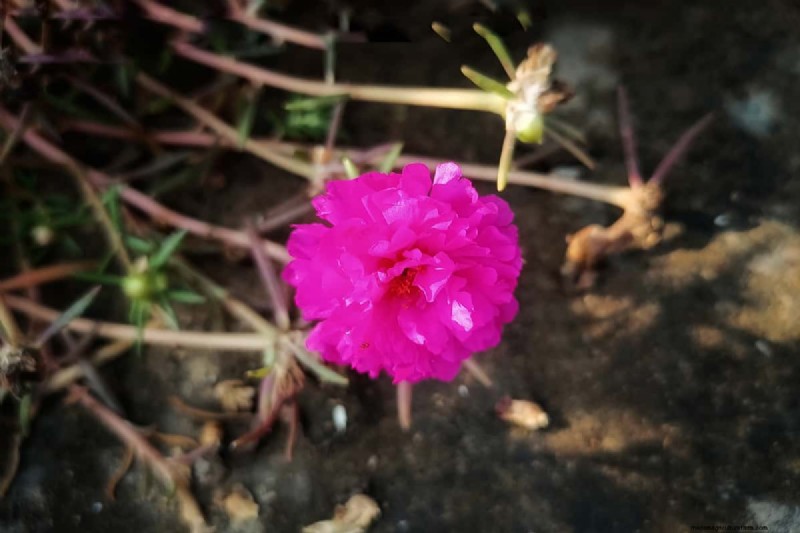
Another reason why you’re portulaca plant is having trouble blooming is that it might be dying. If so, these methods may help you in restoring its health:
Break or cut the dying stems and leaves of your portulaca. Remove any ill or dying areas of the cut part. You can then plant the broken or cut component in the soil. Care for the newly planted stub normally.
Transfer the dying portulaca to a location near another plant with a rooting hormone. The other plant then becomes a catalyst to help the poor portulaca. An ideal candidate for this method is a place near an aloe vera plant.
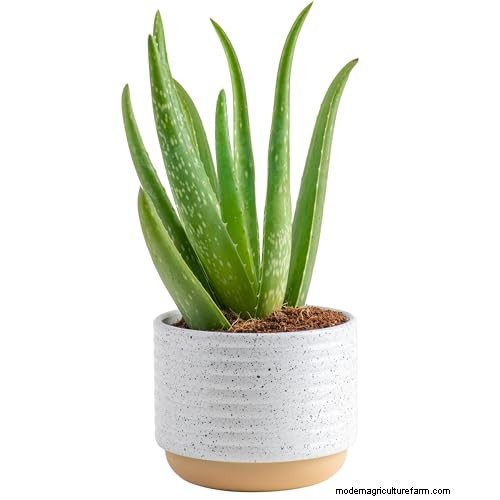
Check out this aloe vera plant on Amazon.
Dying portulaca plants may still have their seeds intact. Remove the seeds from a dead bud and plant them in the soil. Care for the seeds as you’d normally do with a regular portulaca. If done properly, you should be able to see buds growing where you planted the seeds.
If your portulaca plant is at death’s door, cut the leaves and the stems attached to them. Next, plant the leaves in the soil and spray them with water lightly. If done correctly, you should see some roots forming out of the leaves after a while. You can then transfer those leaves and care for them normally.
You can also see a visual guide of the methods mentioned in this section in this video:
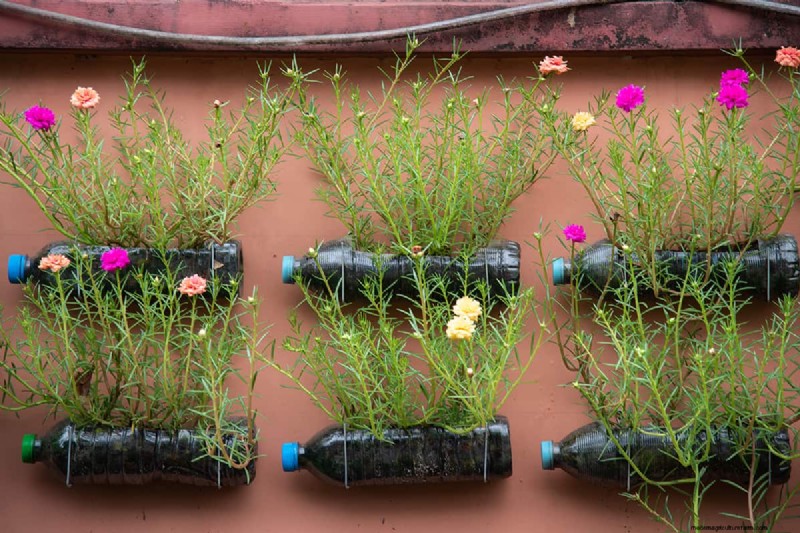
Following proper propagation techniques may help portulacas remain healthy. Allowing these plants to maintain their well-being can also help sustain their blooming cycles.
So, follow these steps if you need a guide to spread portulaca in your garden properly:
Tip: If you don’t have a healthy portulaca for propagation, start the plant’s growth process by using seeds instead.
Check out these portulaca seeds on Amazon.
Watch the video below to gain additional insights into this procedure:
Remember, it might not be the right time or season for your portulaca to flower. However, inspect the plant for possible causes of its difficulty or inability to bloom. If you see issues with the plant, you might still be able to save it using the methods mentioned in this post.
If you’d like to know about other plants that thrive in dry weather, check out these other great posts:
37 Outdoor Plants That Need Little Water
39 Plants That Like Full Sun And Heat