Welcome to Modern Agriculture!

If your aquaponics plants aren’t thriving, you’re not alone. Many growers see lettuce stalls, pale herbs, or fruiting plants that refuse to flourish. The good news is that slow growth is almost always a symptom of an underlying imbalance that can be diagnosed and corrected.
Unlike conventional gardening, aquaponics depends on a finely tuned balance between fish, bacteria, plants, water quality, and environmental conditions. When any component drifts out of equilibrium, plants are usually the first to show warning signs.
In this guide, we’ll walk through the most common reasons aquaponics plants stop growing and outline practical steps to restore healthy growth and maximize harvests.
In a soil garden, plants pull nutrients from the ground. In an aquaponic system, all nutrients come from fish waste. Beneficial bacteria in the biofilter and grow media convert ammonia into nitrites and then nitrates, which plants absorb. This nitrogen cycle is the cornerstone of every successful aquaponic setup.
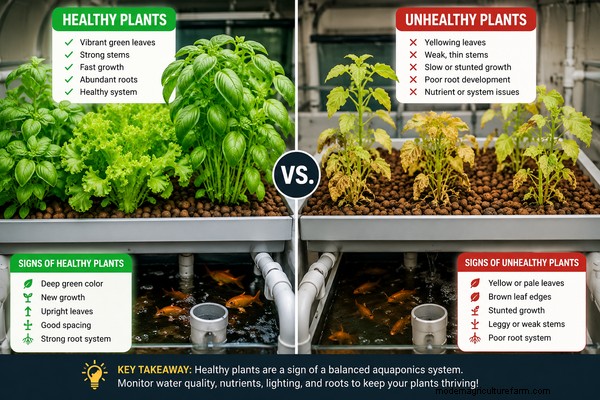
When the ecosystem functions correctly, plants receive a steady supply of water, nutrients, and oxygen. Healthy aquaponics plants typically exhibit:
Conversely, a single component out of balance—such as water quality, lighting, or fish stocking—will usually manifest as slowed or halted plant growth.
Watch for these common symptoms:
If you spot one or more of these indicators, don’t panic. Most plant issues can be remedied once you trace the root cause.
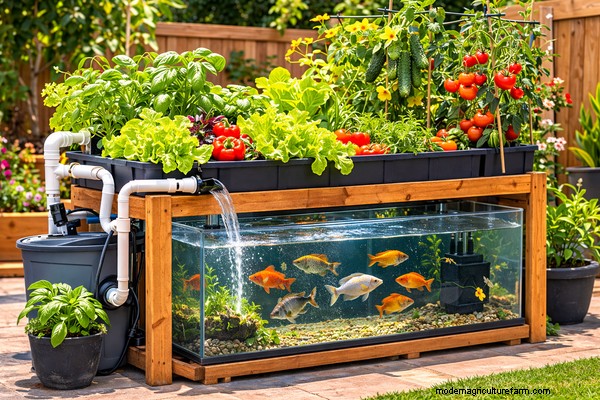
Even without soil, aquaponic plants still require the same essential components: nutrients, light, water, oxygen, and temperature.
Fish waste provides a robust source of nitrogen, but plants also need:
A deficiency in any of these nutrients can stunt growth and compromise plant health.
Photosynthesis powers plant growth. Most leafy greens require 6–8 hours of quality light daily, while fruiting crops often need 8–12 hours or more. Inadequate light is a leading cause of weak, leggy plants.
Water transports nutrients directly to the roots. Consistent flow ensures a steady delivery of nutrients and oxygen.
Roots need oxygen to absorb nutrients efficiently. Poor aeration can lead to slow growth, root disease, and apparent nutrient deficiencies.
Temperature influences fish metabolism, bacterial activity, nutrient availability, and plant growth rates. Temperatures outside the ideal range can slow every biological process.
Many beginners treat plant symptoms as isolated problems, but the real issue often lies elsewhere. For example, yellow leaves may indicate:
Plant symptoms are clues, not diagnoses. Treat your plants as indicators of overall system health and conduct a comprehensive check of:
Approaching troubleshooting systematically prevents unnecessary adjustments and leads to faster, more effective solutions.
New systems that add fish and plants simultaneously often lack fully established bacterial colonies. Until the nitrogen cycle stabilizes, plants struggle to access nutrients.
Most systems reach a stable cycle in 4–8 weeks, influenced by:
Warmer water and good aeration accelerate bacterial growth.
Fish waste delivers many nutrients, but it often falls short of the demands of heavily planted or high‐yield crops. Over time, plants may deplete specific nutrients faster than they are replenished.
Nutrient availability depends on:
Water quality is the bloodstream of your aquaponic ecosystem. Poor parameters can impede nutrient uptake even when nutrients are present.
Optimal range: 6.8–7.2. Outside this range, plants struggle to absorb nutrients.
Elevated levels stress fish and bacteria, disrupting the nitrogen cycle.
High levels suggest incomplete conversion to nitrates.
Low nitrate levels lead to pale foliage and slow growth.
Hard water can raise pH over time, affecting nutrient availability.
Fish waste is the primary nutrient source. A fish population too small for the plant load results in low nitrate levels and sluggish growth.
There is no universal ratio; it depends on species, size, feed, plant type, and system design. Monitor nitrate levels and plant performance to gauge adequacy.
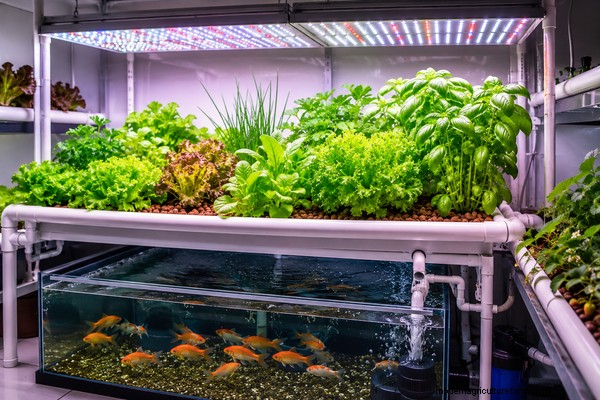
Light is the engine that powers photosynthesis. Without sufficient light, even nutrient‐rich water cannot sustain healthy growth.
Water temperature affects fish, bacteria, oxygen solubility, and plant metabolism. Ideal range: 68–78°F (20–26°C).
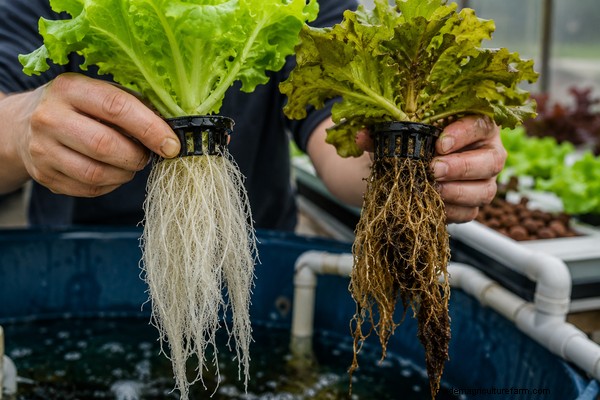
Roots are the foundation of plant health. Damaged or stressed roots compromise nutrient and oxygen uptake.
Choosing crops that demand more nutrients than a young system can supply leads to poor growth. Match crops to system maturity for best results.
High plant density increases competition for light, nutrients, oxygen, and water flow, leading to smaller, weaker plants and higher disease risk.
Consistent circulation delivers nutrients, oxygen, and removes waste. Blockages or inadequate flow cause uneven nutrient distribution and root stress.
When aquaponics plants stop growing, the culprit is usually one of a handful of common factors: incomplete cycling, nutrient deficiencies, water quality problems, low oxygen, inadequate lighting, temperature swings, unhealthy roots, overcrowding, or weak water flow. Systematic observation, regular testing, and evidence‐based adjustments are the keys to restoring balance.
Remember, aquaponics is an ecosystem. Healthy fish, active bacteria, and stable water conditions support plant growth. When one part drifts, the plants are often the first to signal the imbalance.
With a proactive maintenance routine and thoughtful troubleshooting, every issue highlighted in this guide is solvable, allowing your plants to flourish.
Investing in quality equipment—water testing kits, air pumps, grow beds, filtration components, and accessories—streamlines troubleshooting and prevents many common problems before they arise.
Browse our aquaponics products to find the tools that will help you maintain a healthy system and enjoy bigger, more consistent harvests year‐round.
Your plants constantly give you feedback. Learn to read those signals, keep your system balanced, and you’ll become a more confident, successful aquaponics grower.