Building a DIY IBC tote aquaponics system is one of the most cost‑effective ways to grow fresh vegetables and raise fish right in your backyard. It combines the simplicity of a single food‑grade tote with the ecological benefits of aquaponics—recirculating water, minimal waste, and year‑round yield.
What Is a DIY IBC Tote Aquaponics System?
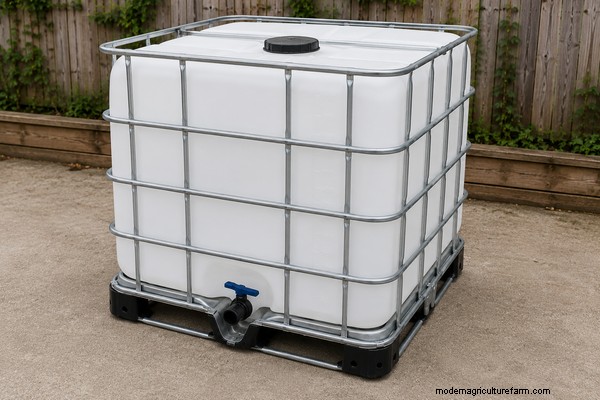
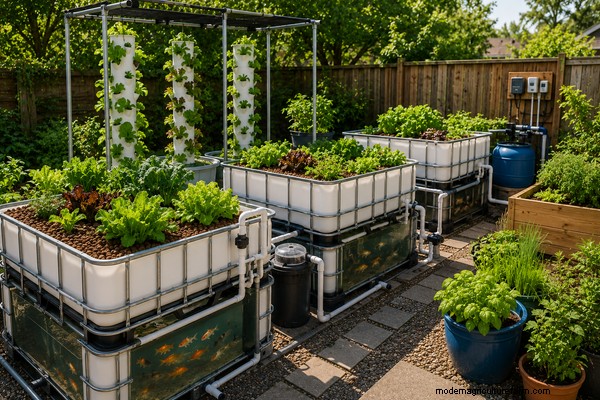
A DIY IBC (Intermediate Bulk Container) tote aquaponics system turns a large plastic storage container into a fish tank and a grow bed. The tote is typically 275‑ or 330‑gallon, food‑grade, and designed for outdoor use. By cutting the top portion and using it as a grow bed, you create a self‑contained ecosystem that relies on natural bacterial conversion of fish waste into plant nutrients.
How Aquaponics Works
- Aquaculture – raising fish in a contained environment.
- Hydroponics – growing plants in water, not soil.
The two systems share a continuous water cycle: fish waste → bacteria → plant nutrients → clean water. This loop reduces water use by up to 90 % compared with traditional gardening.
Why Choose an IBC Tote?
- Affordability – DIY builds are often $300–$500 cheaper than commercial kits.
- Customizability – expand with additional beds, vertical towers, or a secondary filtration unit.
- Durability – food‑grade HDPE construction withstands weather, chemicals, and heavy loads.
- Learning Platform – every component is visible, making troubleshooting intuitive.
Key Tip
Only use totes that previously stored food or non‑toxic liquids. Avoid containers that held chemicals, oils, or industrial products, even if they appear clean.
Planning Your System
Success starts with a thoughtful plan. Consider these factors before you purchase or cut your tote.
1. Location
- Sunlight: 6–8 hours of direct sun daily for leafy greens; 8–10 hours for fruiting plants.
- Temperature: keep the system in a stable environment—avoid extreme heat or cold.
- Power & Water: choose a spot near an outlet and a reliable water source.
- Drainage: place the tote on gravel, a concrete slab, or a raised platform to prevent standing water.
2. Indoor vs. Outdoor
- Outdoor – natural light, lower energy costs, larger grow space. Watch for weather, temperature swings, and algae.
- Indoor – climate control, year‑round operation, pest reduction. Requires grow lights and humidity management.
Choosing a Food‑Grade Tote
Food‑grade HDPE totes are the safest choice. Verify:
- Food‑grade label or certification.
- No cracks, dents, or chemical odors.
- Original use: syrups, oils, or beverages.
What to Avoid
- Industrial chemicals, pesticides, solvents, fuels, or unknown substances.
- Any tote with a history of chemical contamination.
Core Materials & Tools
Essential Components
- IBC Tote – 275‑ or 330‑gallon food‑grade container.
- Grow Bed – the upper cut‑section holding grow media.
- Water Pump – 1–2 L/min flow, lift ≥ 0.6 m, energy‑efficient.
- Plumbing – PVC pipe, bulkhead fittings, ball valves, flexible tubing.
- Bell Siphon – automates flood‑and‑drain cycles.
- Grow Media – expanded clay, lava rock, or gravel (rinsed).
- Aeration – air pump, stones, airline tubing.
Helpful Tools
- Jigsaw or reciprocating saw.
- Drill and hole saws.
- Measuring tape, marker, chalk line.
- Silicone sealant for waterproofing.
- Safety gear: gloves, goggles, dust mask.
Step‑by‑Step Construction
- Clean & Prep – rinse tote with warm, mild soap; inspect for cracks.
- Cut Grow Bed – mark line, cut slowly with a saw, smooth edges.
- Support the Bed – reinforce with the tote’s metal cage, wooden framing, or concrete blocks.
- Install Plumbing – connect pump, PVC, bulkhead fittings, bell siphon; ensure leak‑free seals.
- Bell Siphon Installation – fit standpipe, bell cover, and media guard; test flood‑and‑drain cycle.
- Add Grow Media – rinse thoroughly; fill to 10–12 inches depth.
- Set Pump & Aeration – position pump, run to grow bed, install air stones.
- Test System – run 24 h, check for leaks, flow, and siphon performance.
- Cycle the System – run fishless for 4–6 weeks until ammonia → nitrite → nitrate stabilizes.
Choosing Fish & Plants
Best Fish for Beginners
- Tilapia – fast growth, tolerant to temperature.
- Catfish – hardy, low maintenance.
- Goldfish / Koi – ornamental, but acceptable if space allows.
Starter Plants
- Leafy Greens – lettuce, kale, spinach.
- Herbs – basil, mint, cilantro.
- Fruiting – tomatoes, peppers, cucumbers (after system matures).
Common Mistakes & How to Avoid Them
- Overstocking – keep fish density low during cycling; watch ammonia spikes.
- Skipping Cycling – allow bacteria to establish before adding fish.
- Unsafe Materials – use food‑grade plastic, avoid copper or treated wood.
- Insufficient Aeration – ensure air stones bubble steadily; add extra pump if needed.
- Weak Plumbing – use quality bulkhead fittings; test for leaks before adding fish.
- Too Many Plants Early – start with a few greens; expand as nutrients increase.
- Neglecting Water Testing – test pH, ammonia, nitrite, nitrate, temperature daily during cycling, weekly thereafter.
- Temperature Fluctuations – shade cloth in summer, insulation in winter.
- Overcomplicating Early – begin with a basic flood‑and‑drain design; scale up gradually.
Maintenance Checklist
Daily
- Feed fish – only what can be eaten in a few minutes.
- Check pumps & aeration – flow, bubbles, noise.
- Observe fish behavior – gasping, sluggishness, or discoloration.
Weekly
- Test water parameters (pH, ammonia, nitrite, nitrate, temp).
- Inspect plumbing for leaks, clogs, or weak connections.
- Check plant health – color, growth rate, signs of deficiency.
Monthly
- Clean mechanical filters (if used).
- Trim plants to promote airflow.
- Inspect equipment for wear – pump impellers, valves, tubes.
- Top off water as needed; adjust gradually.
Seasonal Adjustments
- Summer: add shade cloth, increase aeration, monitor temperature.
- Winter: insulate tanks, reduce feeding, consider greenhouse enclosure.
FAQs
How many fish can I keep?
Start with 1–2 kg of fish per 100 L of water. Adjust as you gain experience and test water quality.
How long does cycling take?
4–6 weeks at 22–25 °C with steady aeration. Monitor ammonia, nitrite, and nitrate to confirm the cycle.
Can I use rainwater?
Yes, but test for pH and contaminants before adding. Sudden large volumes can shock the system.
Do I need a grow light indoors?
For indoor systems, 6–8 h of full‑spectrum LED light per day is recommended for leafy greens.
What pump size is ideal?
1–2 L/min flow is sufficient for a 275‑gallon tote; adjust based on bed volume and desired flow.
Final Thoughts
DIY IBC tote aquaponics is an attainable, sustainable way to grow food and fish at home. By selecting the right materials, following a clear build plan, and committing to regular maintenance, even novices can enjoy fresh produce and healthy fish for years.
Invest in quality pumps, grow media, and testing kits to set a solid foundation. Your backyard can become a productive, low‑water‑use ecosystem that rewards both the planet and your palate.