Welcome to Modern Agriculture!

After a spring of careful planting and soil care, many gardeners notice their beds looking tired by mid‑July. The decline rarely stems from a single disaster; instead, it’s the cumulative effect of small, overlooked habits. Fortunately, most of these issues are easy to correct—sometimes even on a single weekend. Below are the most common reasons gardens collapse by mid‑summer, along with actionable steps to bring them back to life.
Timing is more important than volume. Watering at midday can lose up to 30 % of the water to evaporation before it reaches the roots. Aim to water between 5 a.m. and 9 a.m., when the soil is cooler and the sun’s intensity is lower. If you can only water once a day, choose the early morning. Evening watering is acceptable in a pinch, but wet leaves overnight increase fungal risk.
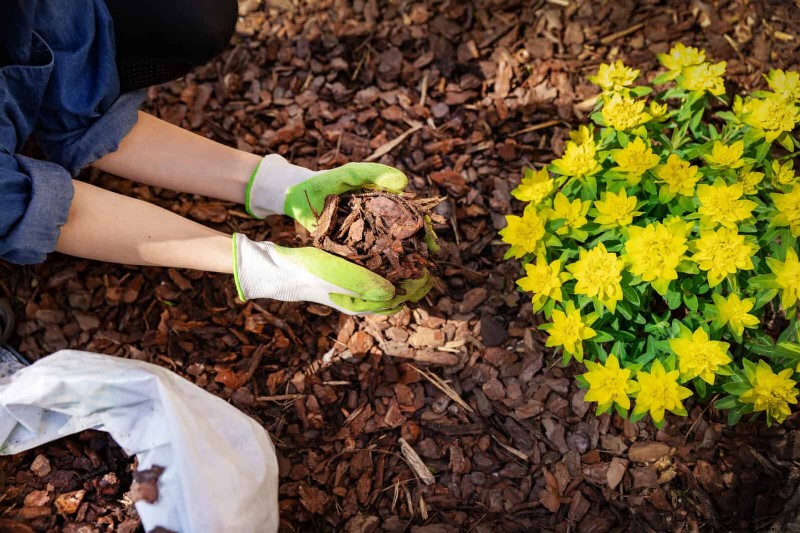
Pro Tip: A two‑to‑three‑inch layer of organic mulch can lower surface temperatures by 10–15 °F and cut evaporation by up to 70 % compared to bare soil. (Source: University of Illinois Extension)
Without mulch, garden beds in the heat behave like a hot pan—water runs off, the soil hardens, and plants must be watered more often. Adding a 2–3 inch mulch layer cuts watering needs by roughly half. Keep mulch a few inches away from plant stems to avoid dampening the crown.
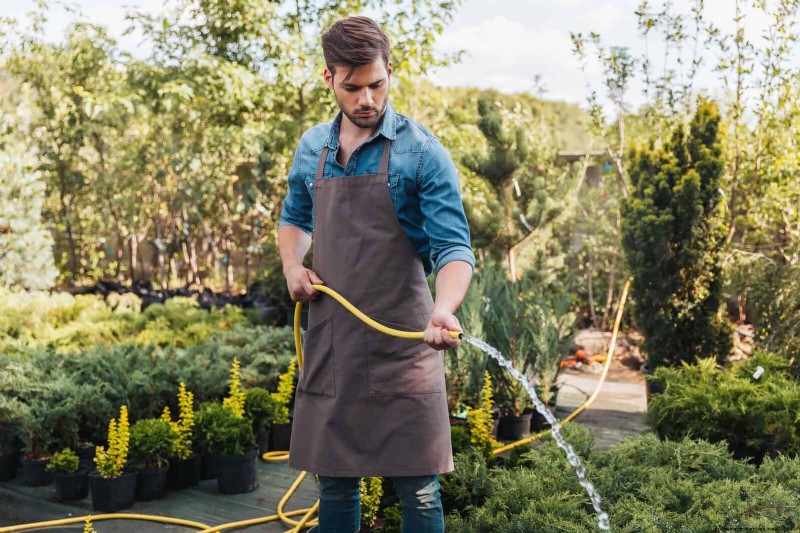
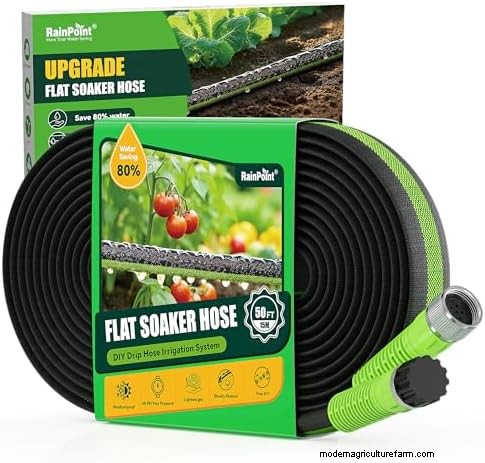
Light, frequent sprinkling keeps roots near the surface, where they’re vulnerable to heat stress. Deep, less frequent watering encourages roots to grow deeper into cooler soil. Most established vegetables need about an inch of water per week, delivered in one or two long sessions. A soaker hose or a slow‑trickle tap at the base of each plant works well.
Check the soil: if the top inch dries between waterings but the soil six inches down remains moist, you’re on the right track.
Excess nitrogen can produce lush, leafy growth that attracts pests and stalls fruiting. If your plants look lopsided or the flowers refuse to set fruit, flush the beds with plain water for a few days and hold off on additional fertilizer until recovery.
Weeds that went to seed in June can rapidly outcompete your crops in July. Pull weeds when the soil is damp—ideally the morning after a rain—to remove roots. Follow up immediately with a fresh mulch layer to suppress regrowth.
Spent flowers signal plants to stop blooming. Regular deadheading of annuals like petunias and zinnias, and pinching of basil, keeps blooms extended into late summer and enhances flavor.
A few aphids in late June can become hundreds by mid‑July. Scout at least twice a week, inspect leaf undersides, and use a spray of water or a soapy solution to remove pests. Early intervention is key.
Seedlings spaced adequately in May can form a dense wall by July, limiting airflow and light to lower leaves. Check seed packet spacing and thin as needed to improve circulation and reduce disease risk.
Trees that leaf out after spring can cut sunlight by up to four hours by mid‑summer. Photograph beds at 9 a.m., noon, and 3 p.m. on a sunny July day to assess changes. Relocate sun‑hungry plants to brighter spots and shade‑tolerant species to new shady areas.
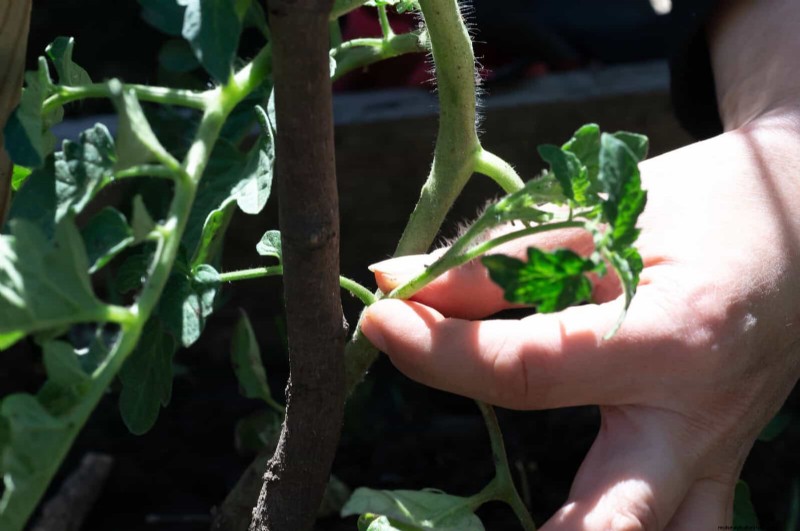
Unpruned indeterminate tomatoes form tangled vines, with lower leaves touching damp soil—perfect for fungal disease. Pinch out suckers once or twice a week and remove the bottom 12 inches of foliage. Stake or cage early to prevent damage.
View Fiskars Bypass Pruning Shears on Amazon
After the bulb foliage yellowed, trim cleanly at the base. For perennials going dormant, cut spent foliage and fill the gap with a summer annual. A handful of marigolds or coleus can brighten a tired corner instantly.
Cool‑season greens like lettuce and spinach bolt once day length and temperature rise. Sow small batches every two to three weeks through the cool months, and start a fresh round in mid‑late July for a fall harvest. Alternatively, switch to heat‑tolerant greens such as Malabar spinach or basil.
July is the most vulnerable month for unattended gardens. Weeds set seed, pests multiply, and water stress can become irreversible. If you’ll be away, install a timer‑controlled drip system, mulch deeply, prune, and harvest ready produce. When you return, conduct a quick walk‑through and address the most urgent items first.
If your garden already looks rough, a focused 30‑minute effort can reverse much damage within a week.
Mid‑July Garden Rescue Checklist
Mid‑summer is the moment your garden reveals the true outcome of your spring efforts. Apply the fixes above at the right time, and you’ll see a dramatic transformation by August.