
Welcome to Modern Agriculture!

Your trash can is a hidden source of free fertilizer. From banana peels to coffee grounds, everyday kitchen waste can feed your tomatoes, roses, and other plants—saving you money and reducing landfill use.
Gardening traditions have long embraced composting kitchen scraps. Grandmothers passed down the wisdom of using coffee grounds for roses and crushed eggshells around tomato plants because the practice not only works, but is backed by science. The savings add up quickly, and the benefits are real.
Below are 15 common kitchen items that you likely discard each week, paired with the key nutrients they provide and the best plants to use them with.
| Kitchen Scrap | Key Nutrient | Best For |
|---|---|---|
| Coffee grounds | Nitrogen | Roses, blueberries, leafy greens |
| Eggshells | Calcium | Tomatoes, peppers, eggplants |
| Banana peels | Potassium | Flowering and fruiting plants |
| Onion skins | Potassium and sulfur | Most garden vegetables |
| Tea leaves | Acid, nitrogen | Ferns, hydrangeas, rhododendrons |
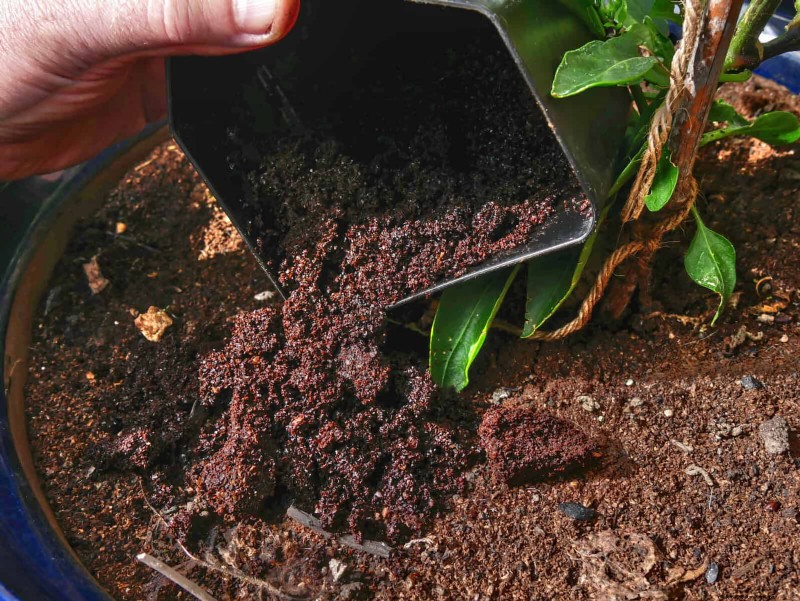 Coffee grounds slowly release nitrogen and small amounts of phosphorus and potassium. Sprinkle a thin layer around acid-loving plants such as blueberries, hydrangeas, azaleas, and roses. They also act as a natural deterrent for slugs and other soft-bodied pests.
Avoid piling them too thickly; a dense mat can dry into a crust that resists water penetration. Instead, lightly mix grounds into the top inch of soil or add them to your compost as a nitrogen-rich “green.” Paper filters decompose quickly and add carbon to balance the nitrogen.
Eggshells are nearly pure calcium carbonate, ideal for preventing blossom-end rot in tomatoes, peppers, and eggplants. Grind shells finely—whole shells take months to break down. Rinse, dry, and crush with a rolling pin or blender. Sprinkle the powder into planting holes or work it into the top few inches of soil. Ground shells also provide calcium for backyard chickens and grit for worms.
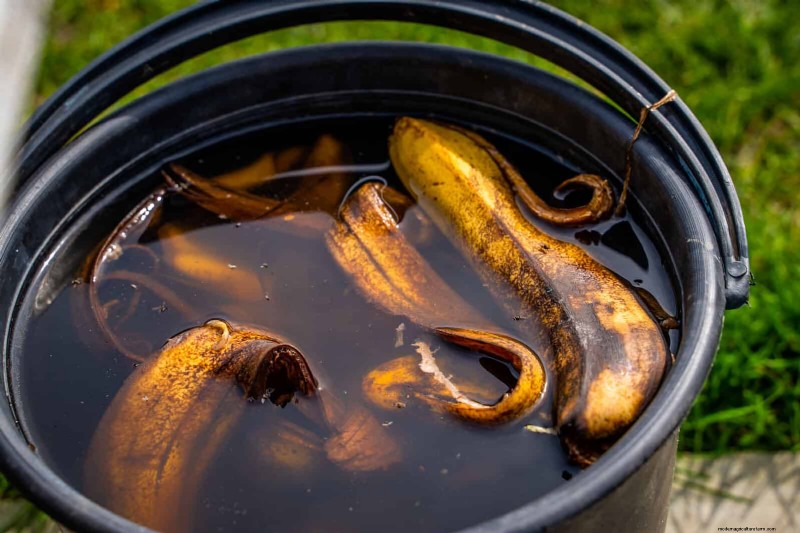 Banana peels are the kitchen’s richest source of potassium, essential for flowering and fruiting. They also contain calcium and magnesium. Chop peels into small pieces and bury 3–4 inches deep near the plant’s drip line. Avoid placing whole peels on top of soil to prevent attracting flies. A quick liquid feed can be made by soaking chopped peels for 1–2 days, straining the water, and watering plants at the base.
Tea leaves release tannic acid, slightly lowering soil pH—beneficial for ferns, blueberries, and rhododendrons. Tear open paper bags (skip nylon mesh) and mix loose leaves into the top inch of soil or compost. Tea bags also attract earthworms, which improve soil structure.
These peelings break down quickly, adding nitrogen, potassium, and trace minerals. Cut longer strips into smaller pieces before composting. If you’re not composting, bury them in a trench in an empty garden bed to let soil organisms decompose them.
Water that has simmered with carrots, broccoli, or potatoes carries valuable minerals and trace nutrients. Let it cool completely before use; hot water can scorch roots and harm microbes. Avoid adding any salt, butter, or oil, which can build up in soil and hinder plant growth. The same trick works for egg‑cooking water, which releases calcium suitable for tomatoes and peppers.
These papery skins are rich in potassium, calcium, iron, and magnesium. Bury them in compost or steep a handful in a quart of water overnight to create a mild plant tonic. Foliar sprays of this brew may help deter aphids, but test on a few leaves first.
Trimmed carrot tops, celery leaves, beet greens, and radish leaves are nitrogen-rich greens that accelerate compost turnover. Chop them before adding to the pile. Fresh leafy tops can revitalize a sluggish compost heap by feeding the microbes that transform scraps into soil.
Apple cores decompose quickly, providing moisture, sugars, and mild acidity that feed beneficial soil bacteria. Bury cores deep in the compost or a trench to avoid attracting flies. Seeds may sprout in the pile; remove any unwanted seedlings.
Avocado peels contain nitrogen, potassium, and phosphorus. Chop them into small squares before composting. The pit can take a year or more to break down whole; crush it with a hammer or food processor to speed decomposition. With patience, you can even sprout the pit into a houseplant.
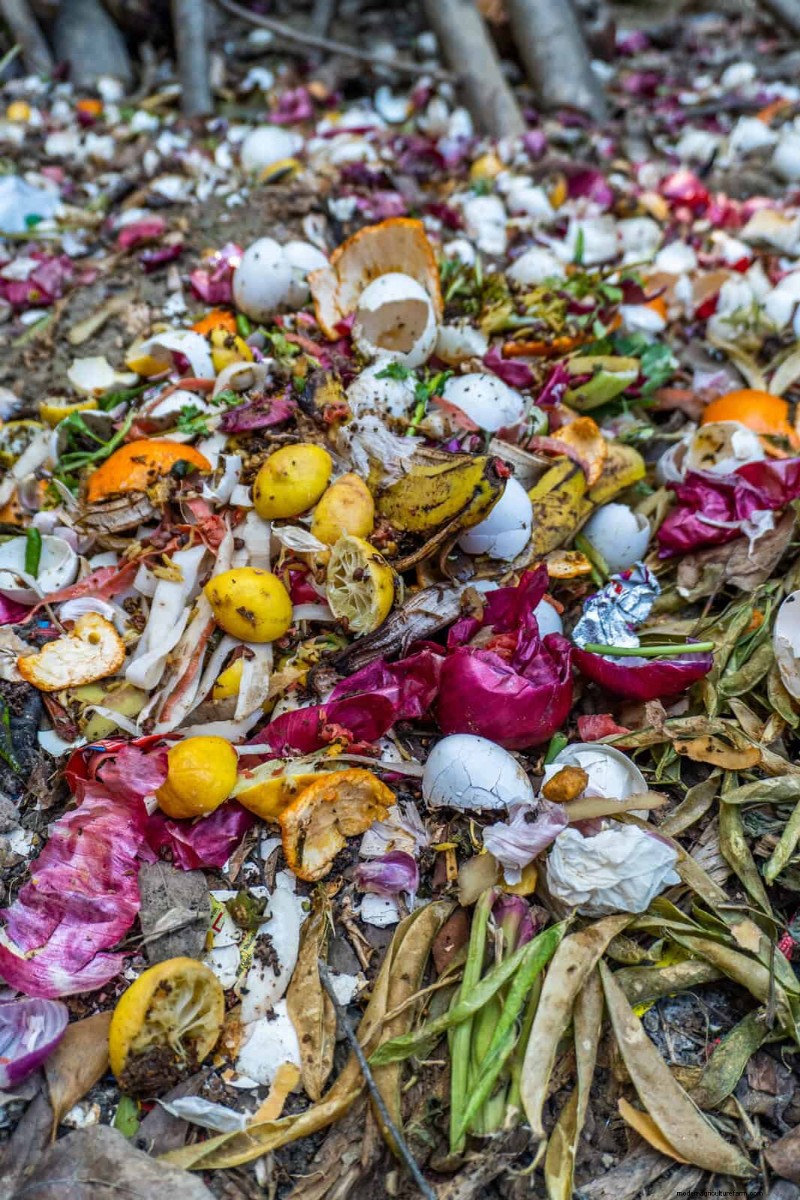 Citrus peels are fine for compost; their acidity balances as the pile matures. Cut them into small pieces to accelerate breakdown. Dry peels can be crumbled around seedlings to repel cats, ants, and aphids. Use sparingly in worm bins, as red wigglers prefer milder food.
After kernels are removed, corn cobs provide carbon, potassium, and phosphorus to compost. Chop or break them before adding; whole cobs may take a year to decompose. Some gardeners layer broken cobs at the bottom of raised beds for a slow-release amendment.
Pistachio, almond, and peanut shells are slow-decomposing carbon sources for compost or mulch. Lightly crush them to speed decomposition and improve soil aeration. Avoid black walnut shells, which contain juglone—a natural compound that suppresses many garden plants.
After roasting or peeling, the skins and stringy guts of pumpkin and squash add moisture and minerals to compost. Seeds contribute phosphorus and zinc. Cover with dry leaves or shredded paper to deter flies. Volunteer vines may sprout in the compost; many gardeners plant the largest seeds intentionally the following year.
Cardboard from cereal boxes, paper towels, and pizza boxes can become a powerful weed barrier. Lay flat sheets over weedy patches, soak, and cover with mulch. As it breaks down, it suppresses weeds and adds organic matter. Shredded cardboard balances wet food scraps in compost as a “brown.” Remove any plastic tape or glossy labels first. Paper towel rolls also make great seedling pots.
What looks like trash from one angle becomes fertilizer from another. A small bin under the sink or a backyard pile routes these scraps into healthier tomatoes, perkier roses, and richer soil year after year. No special equipment is required—just a rolling pin, a bucket, and a willingness to view peelings differently.
Written by Anne Moss—founder of GardenTabs and principal of Moss Digital Publishing, with over a decade of experience creating practical, reader‑first gardening content. Editorial oversight by Steve Snedeker, a seasoned gardener with decades of hands‑on landscaping experience.

![Plant Lifespan: Do Plants Die of Old Age? - [Your Brand/Website Name]](https://modernagriculturefarm.com/article/uploadfiles/202211/2022111619193101_S.gif)
