
Welcome to Modern Agriculture!

 Depositphotos
Wildfires are an ever‑present threat, but smart landscaping can transform your yard into a protective barrier. By combining fire‑resistant plants, strategic hardscaping, and routine maintenance, you not only slow the spread of flames and give firefighters precious response time, but you also enhance curb appeal and boost property value.
 Depositphotos
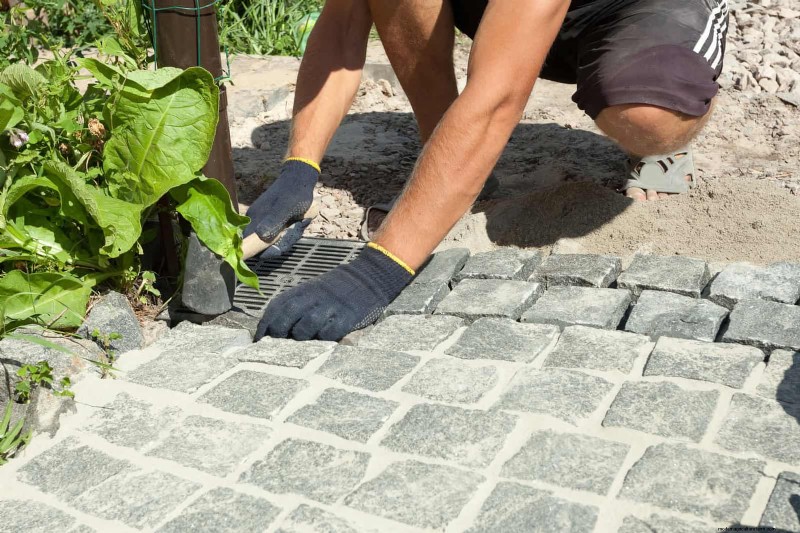
Mandated by mandatory fire codes in many regions, a well‑designed landscape must slow fire propagation. Selecting impervious materials and low‑flammability vegetation establishes natural firebreaks that protect critical building envelope components. Not only do these design choices meet mandatory mandates, they also reduce insurance premiums and prop up resale value.
Save this article & also instantly unlock today's gardening deals!
 Depositphotos
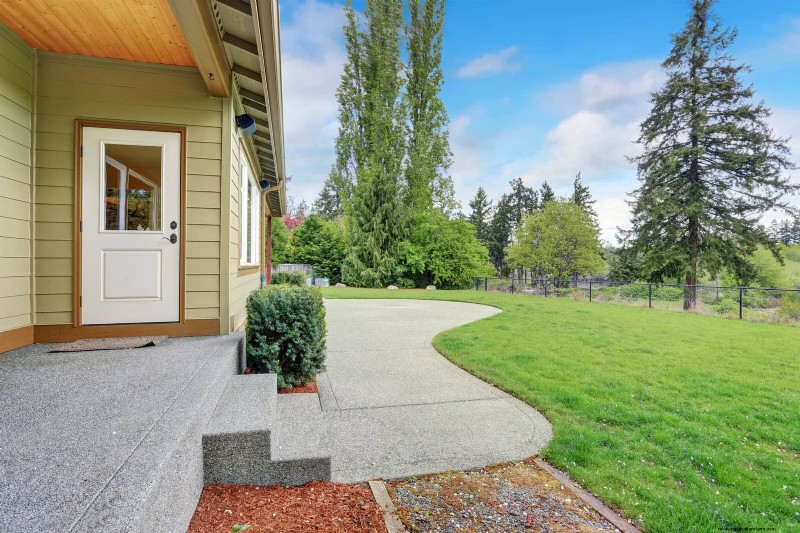
Begin with a 3‑zone plan: Zone 1 – an 30‑ft clear perimeter immediately surrounding the house; Zone 2 – a buffer of low‑maintenance, fire‑resistant shrubs; Zone 3 – natural or semi‑natural vegetation that is periodically thinned. This staggered approach builds a layered defense that slows heat transfer and reduces ladder fuels. Consistent upkeep—pruning, trimming, and mulching—is essential to maintain effectiveness.
 Depositphotos
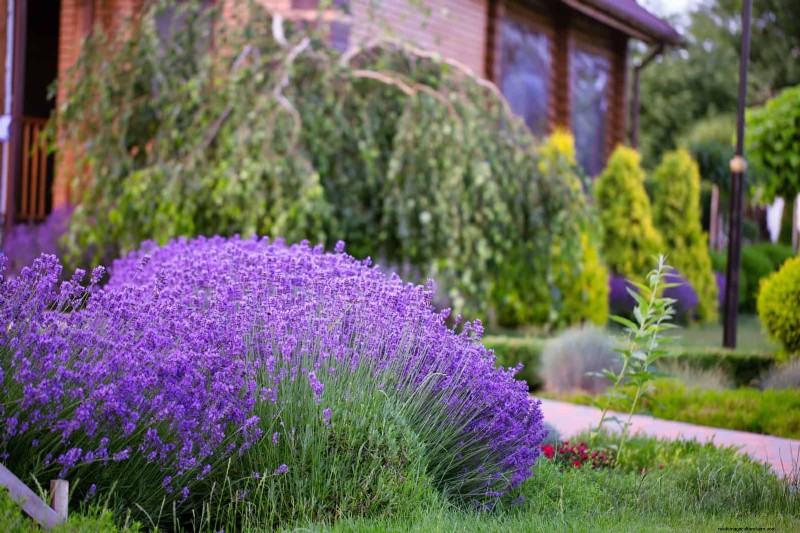
Select species with high moisture content, low resin, and reduced ignition risk—think lavender, salvia, or ice plant. These are true “resistant” selections because their tissue structures inhibit combustion. Grouping them together not only improves aesthetic appeal but also creates a cohesive fire buffer. Avoid any plants that produce dry, brittle foliage, commonly known as “drought‑resistant” or “bush‑fire” species.
 Depositphotos
Trim lawns to no more than 4 inches to eliminate fire fuel. Tall, dry grass ignites rapidly and can act as a conduit for ember transfer. Use a string trimmer for inaccessible spots and keep mower blades sharp to minimize stress. Consider low‑maintenance ground cover alternatives in heavily trafficked zones.
 Depositphotos
Maintain at least 15‑ft spacing between trees and shrubs, and keep canopies a minimum of 3 ft above ground. This breaks potential fire ladders and allows airflow to reduce fire intensity. Remove lower branches within 6–10 ft of the ground and prune any overhanging limbs that could fall onto structures.
 Depositphotos
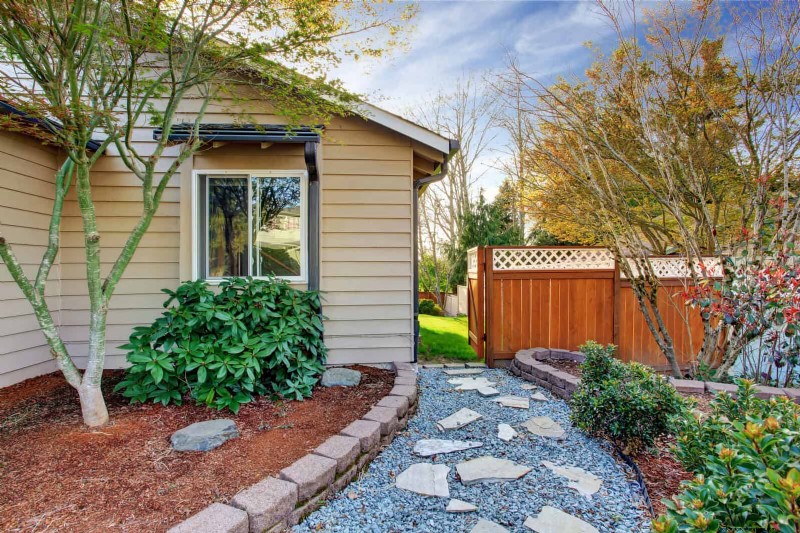
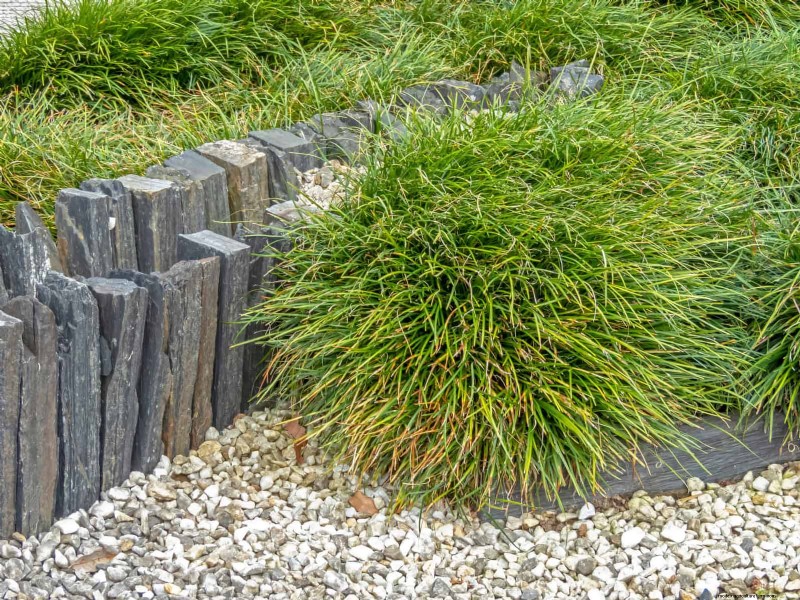
Rocks and gravel are fire‑proof. Use them to construct pathways, patios, and edges that act as firebreaks. They are also drought‑tolerant and require minimal upkeep. Clean debris from these surfaces regularly to keep them functional.
 Depositphotos
Replace pine‑needles with crushed stone or composted mulch, which is fire‑resistant. Keep mulch layers under 3 inches thick and position them at least 6 inches away from foundations to avoid heat damage. Refresh the mulch every 2–3 years.
 Depositphotos
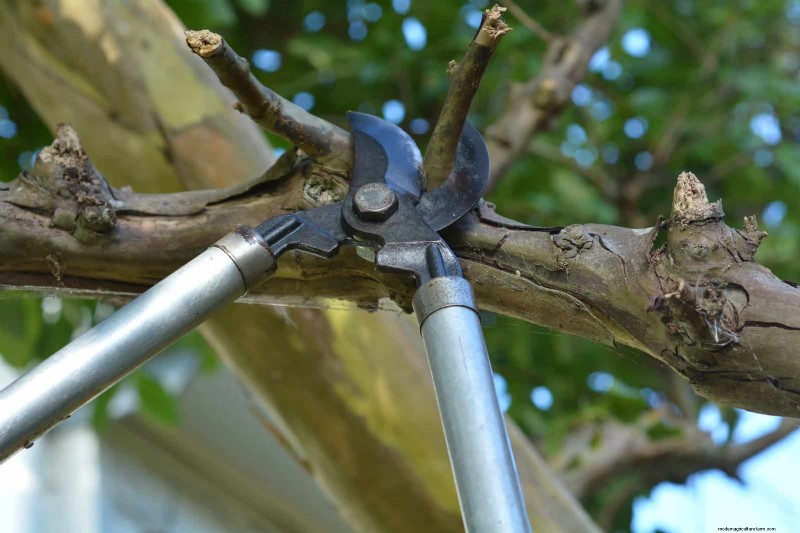
Trim branches 6–10 ft from the ground to remove ladder fuels. Promptly remove dead or hanging limbs and keep tree‑to‑roof gaps clear. Use proper pruning tools to prevent damage and stress.
 Depositphotos
Debris and leaf litter are the most combustible fuels. Routinely clear them from beds, decks, and gutters. Use a leaf blower or rake for quick removal and bag the waste—never compost it.
 Depositphotos
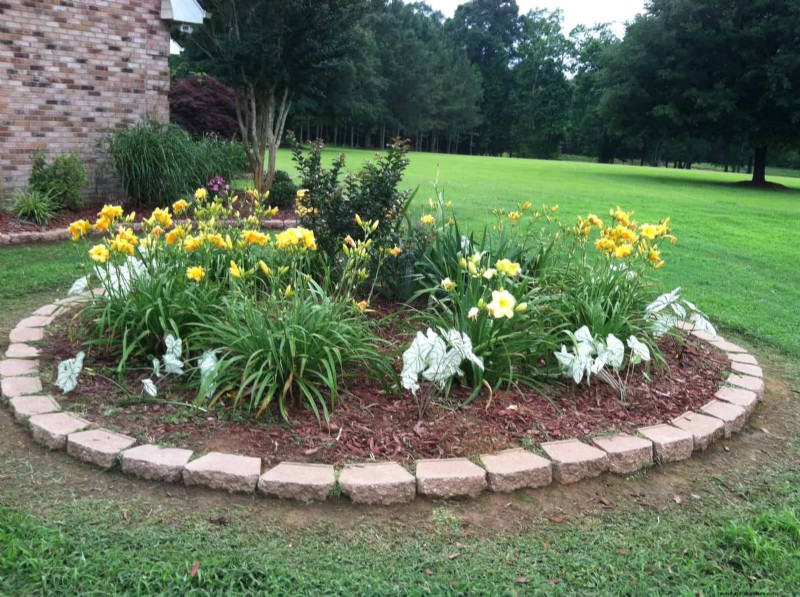
Group vegetation into clusters separated by stone or gravel borders. This “island” approach interrupts fire spread and simplifies irrigation. Maintain proper spacing through regular trimming.
 Depositphotos
Elevated beds made of stone, metal, or recycled composite keep plants isolated, reduce weed growth, and facilitate precise watering. Keep beds at least 3 ft from building walls and integrate drip irrigation to minimize evaporation.
 Depositphotos
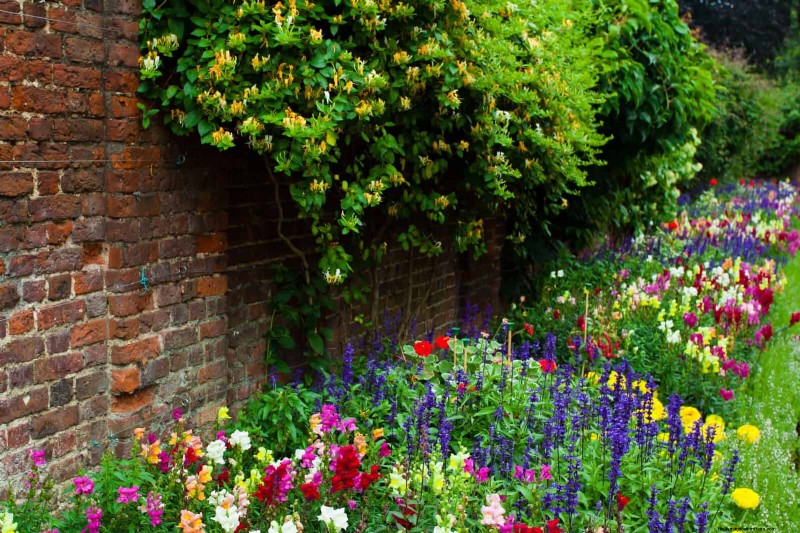
Construct stone or brick walls along patio edges, bed borders, or property lines. These walls impede heat flow and can serve as seating or decorative accents. Inspect for cracks and seal promptly.
 Depositphotos
Automated drip or soaker systems keep plant roots hydrated—reducing their flammability. Schedule consistent watering cycles and monitor for leaks to maintain effectiveness.
 Depositphotos
Replace wooden decks, fences, or trim with stone, metal, or concrete alternatives that resist combustion and demand less upkeep. Incorporate paved patios, stone planters, and steel borders for a fire‑safe aesthetic.
 Depositphotos
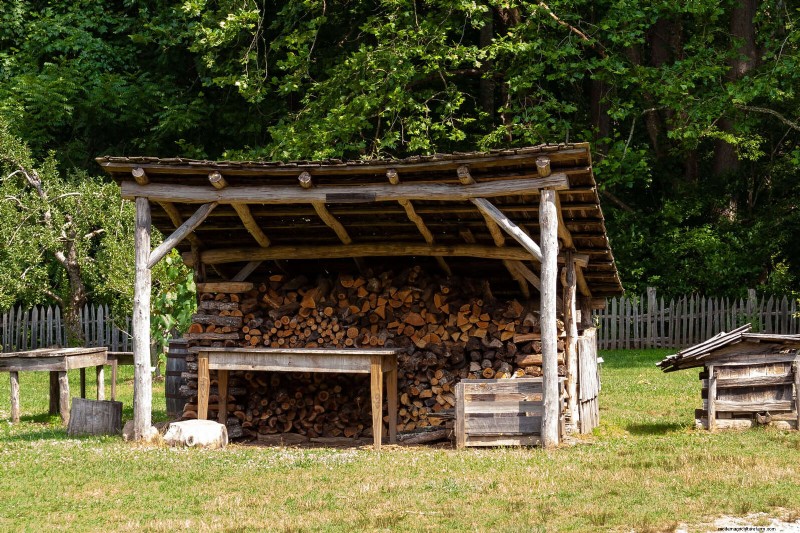
Store firewood at least 30 ft from structures and elevate on a metal rack or stone slab. Cover with fire‑resistant tarps and relocate piles seasonally to avoid bulk buildup.
 Depositphotos
Ensure driveways are clear of leaves, needles, and debris. Use gravel or concrete borders to act as secondary firebreaks. Keep lanes wide enough for emergency access and clearly marked in smoke.
 Depositphotos
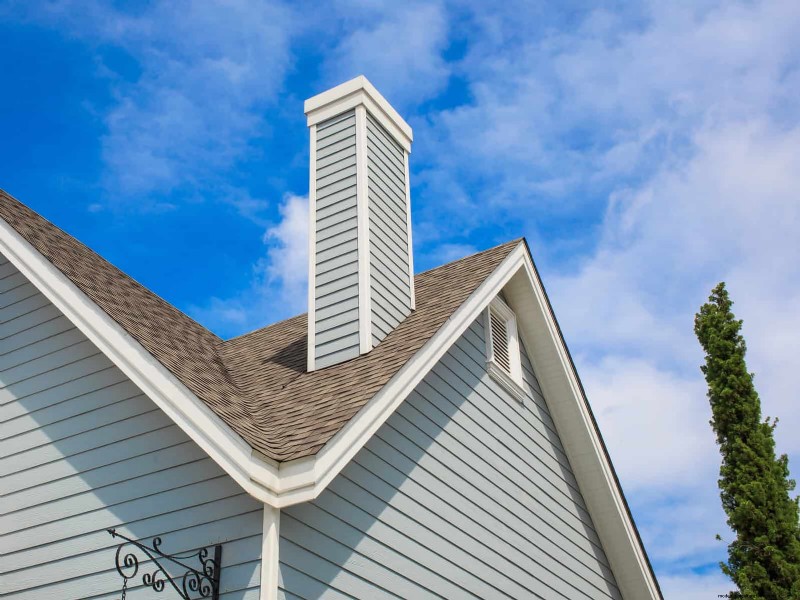
Fit 1/8‑inch metal mesh over attic and crawl‑space vents to block ember intrusion. Inspect annually for damage or debris and replace as needed.
 Depositphotos
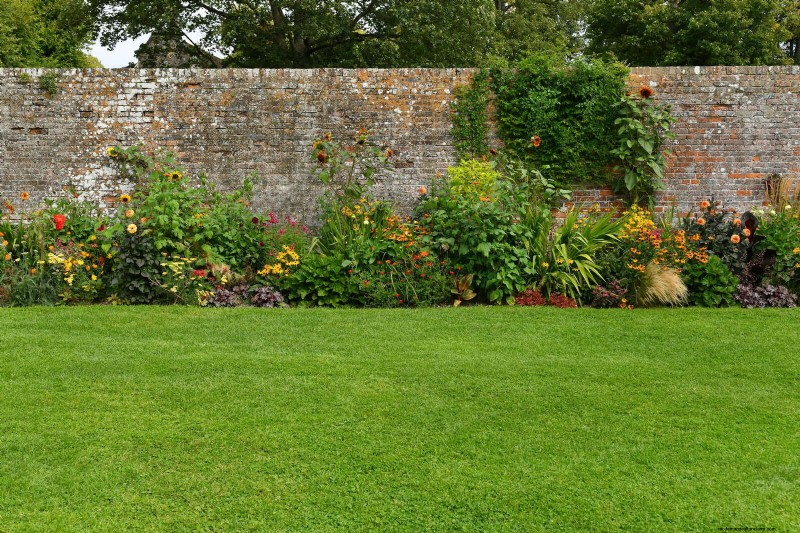
A lush, well‑irrigated lawn can serve as a fire buffer. Use cool‑season grasses that remain moist during summer peaks. Keep lawns trimmed and separate from structural edges with a defined border.
 Depositphotos
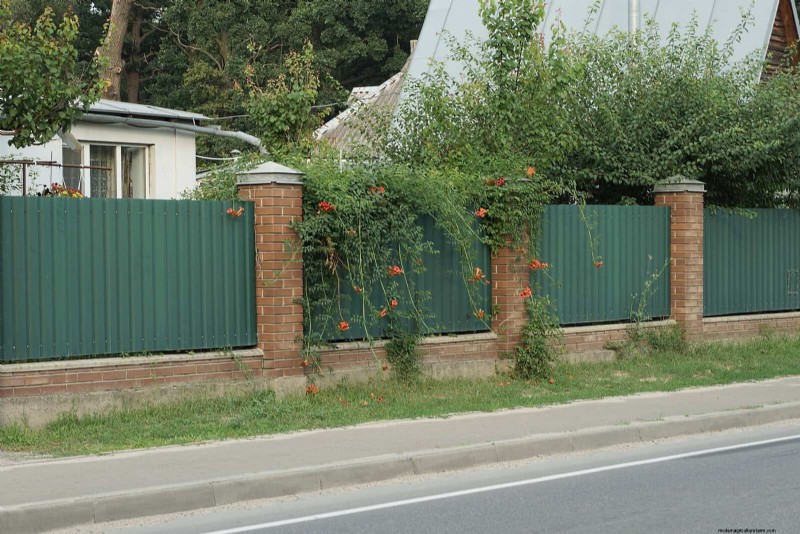
Opt for metal or composite fencing that will not ignite from wind‑borne embers. Avoid wood or vinyl near the house and ensure posts and connectors are non‑combustible.
 Depositphotos
Use low‑growing, moisture‑retaining groundcovers such as sedum, creeping thyme, or blue star creeper. These plants stay close to the soil and are less likely to ignite, while also providing erosion control on slopes.
 Depositphotos
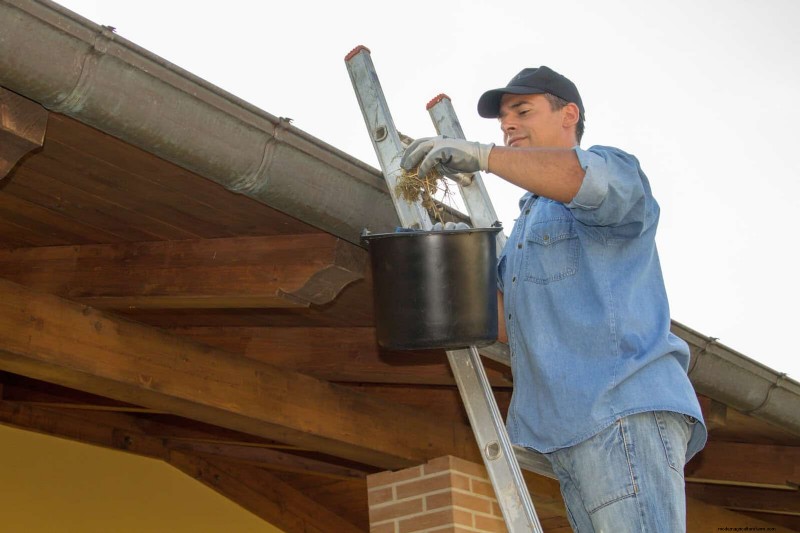
Regularly remove leaves and pine needles from roofs and gutters to prevent ember ignition. Employ gutter guards and trim overhanging branches after storms or dry periods.
 Depositphotos
Design patios and seating zones with stone, brick, or metal that remain fire‑proof. Avoid wooden furniture near structures, use non‑combustible planters, and equip fire pits with spark screens. Position seating in clear zones, free of flammable debris.
 Depositphotos
When executed correctly, a fire‑smart landscape serves as a first line of defense, slowing flame spread and granting emergency responders crucial time. These strategies enhance safety without compromising visual appeal, and many can be maintained with minimal effort. The result is a resilient, eco‑friendly yard that protects your home and your peace of mind.

Editorial oversight
GardenTabs content is reviewed by Steve Snedeker, a seasoned gardener with decades of hands‑on landscaping experience.