
Welcome to Modern Agriculture!

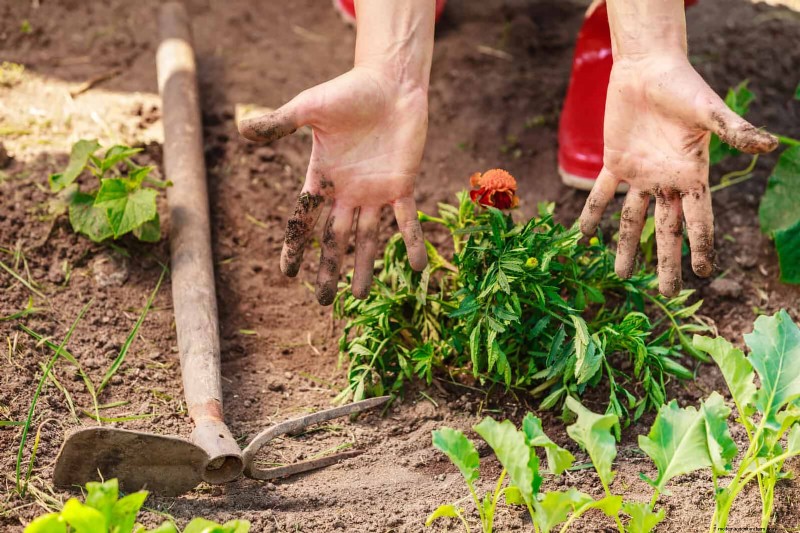
Hidden soil deficiencies can quietly cripple your flower beds. Spotting these clues early lets you act swiftly, ensuring a more vibrant, year‑long garden. Flowers thrive on a balanced mix of nutrients, moisture, and aeration; when any element is missing, growth falters and color fades.

Healthy soil is the foundation of a stunning garden. It supplies nutrients, retains water, and offers roots room to grow. When texture, drainage, or nutrient levels fall short, even the most elegant blooms struggle. Good soil supports robust root systems, steady flowering, and natural pest resistance. Recognizing the warning signs enables gardeners to restore vitality and protect their entire garden.
Save this article & also instantly unlock today's gardening deals!

When your plants fail to produce blossoms, the culprit is often a nutrient gap—especially phosphorus, which fuels bud formation. A simple soil test reveals the missing elements. Adding compost or a flower‑specific fertilizer can quickly revive blooming.
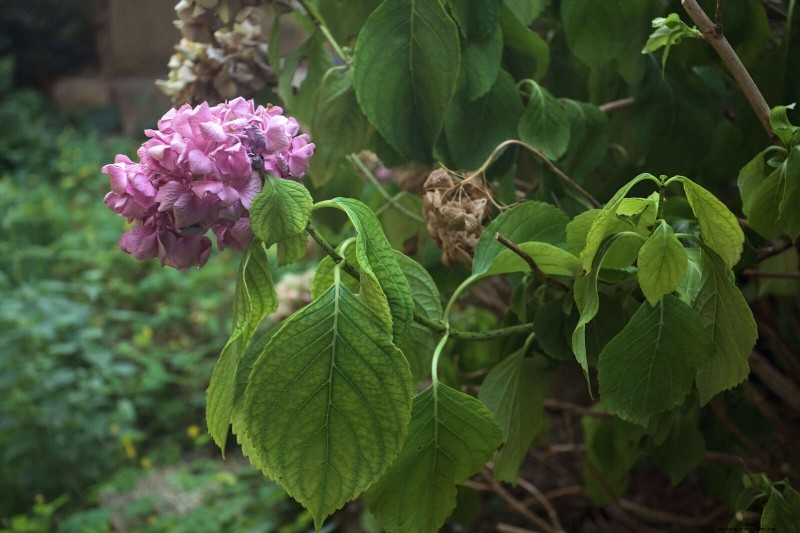
Yellowing signals nitrogen, iron, or magnesium deficiencies—key for chlorophyll. Overwatering or poor drainage can also cause this. Regular pH and nutrient checks, followed by targeted amendments, restore leaf health.
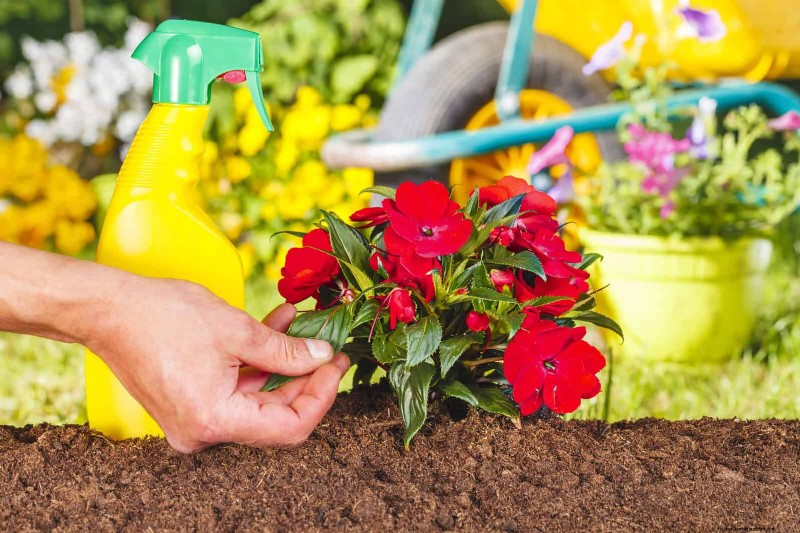
Compact or nutrient‑poor soil limits root expansion, cutting off water and mineral uptake. Without obligate microorganisms, growth stalls. Loosening the soil and enriching with compost often reverses stunting.
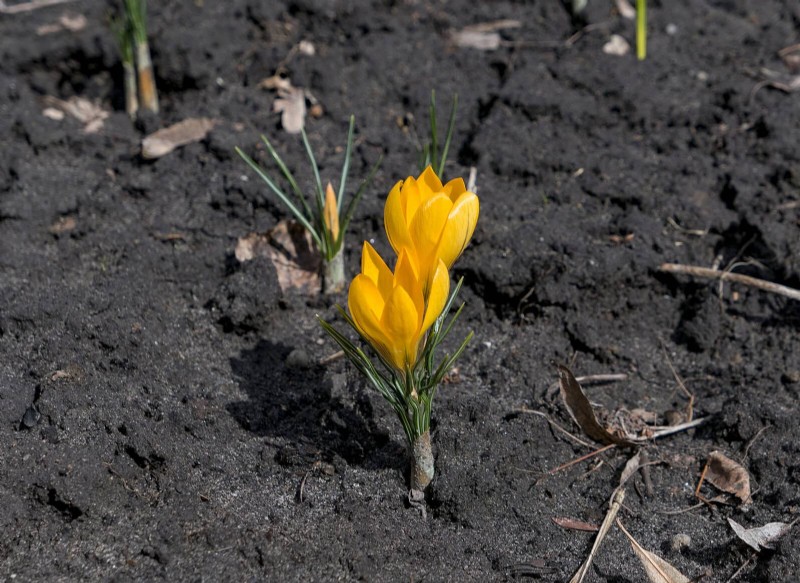
Concrete‑like soil indicates low organic matter and poor moisture retention. Roots struggle to penetrate, and water evaporates rapidly. Mulch and compost soften the texture, allowing deeper root growth and consistent hydration.
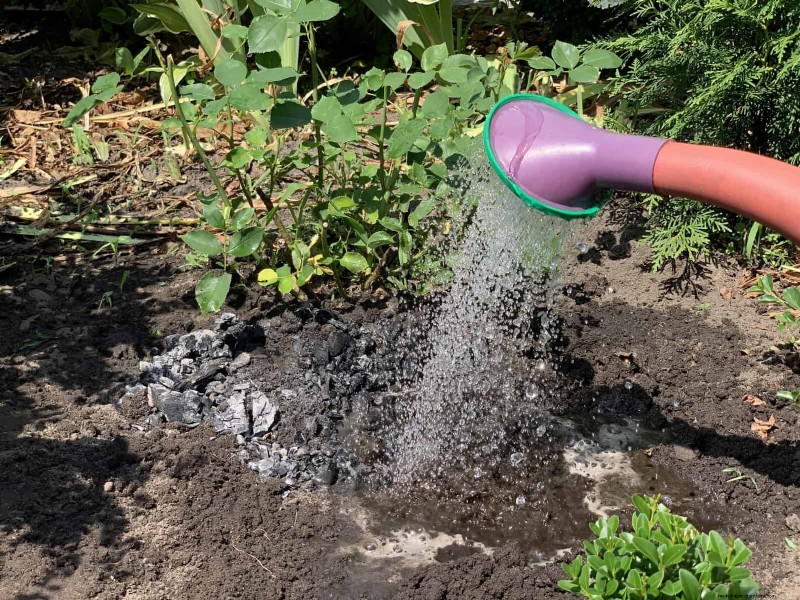
Hydrophobic or compacted soils repel water, causing runoff. Clay soils are especially prone. Aerating and adding organic matter improves infiltration, ensuring steady moisture delivery.
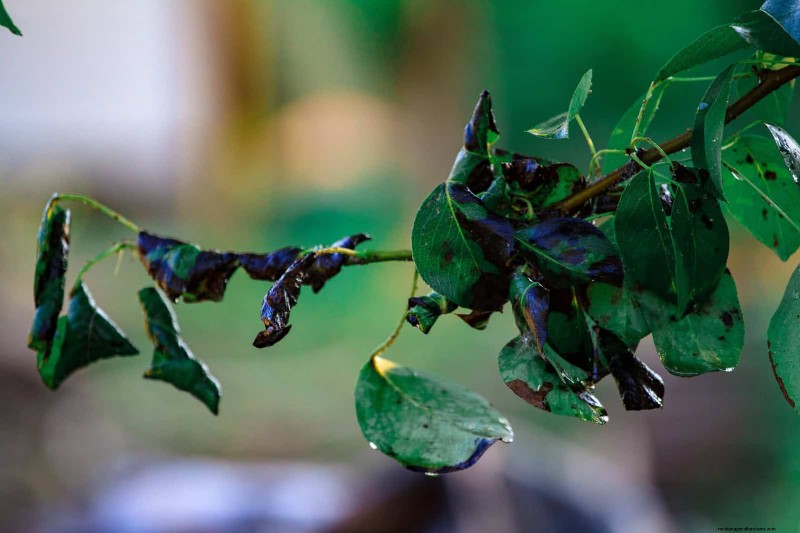
Purple leaves often point to phosphorus deficiency, critical for root strength and flower development. Cold temperatures can also lock phosphorus in the soil. A balanced fertilizer and improved drainage help.
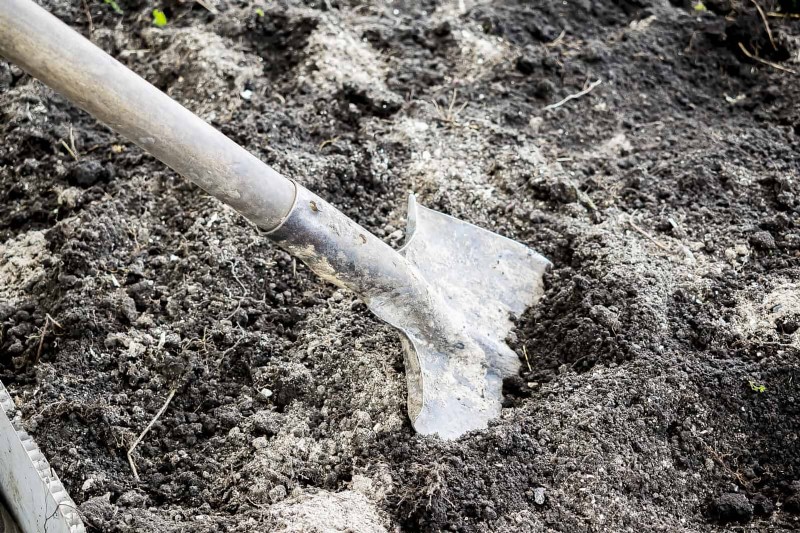
White crust on the surface indicates salt buildup from over‑fertilization or poor drainage. Salts draw moisture away from roots, leading to browning tips or wilting. Flush with fresh water and switch to organic fertilizers.
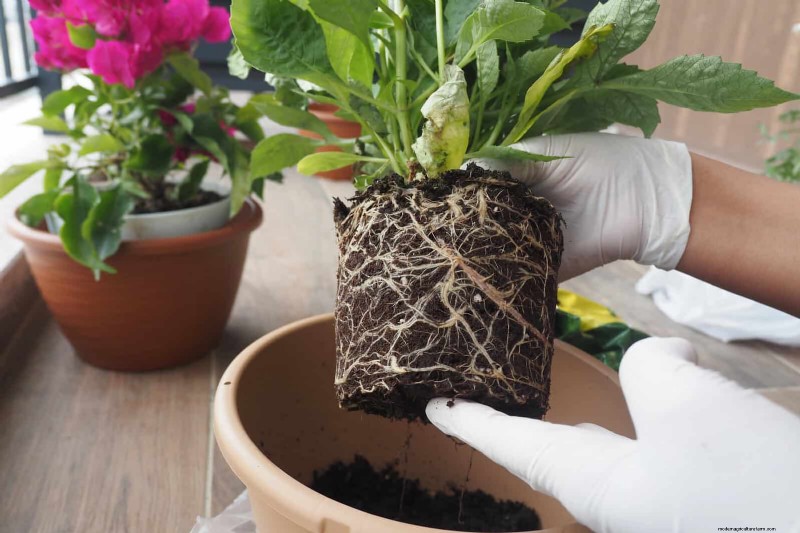
Mushy, brown roots betray root rot, a result of waterlogged, poorly drained soil. Decaying roots cannot absorb nutrients. Enhancing drainage—through raised beds or amended soil—can rescue affected plants.
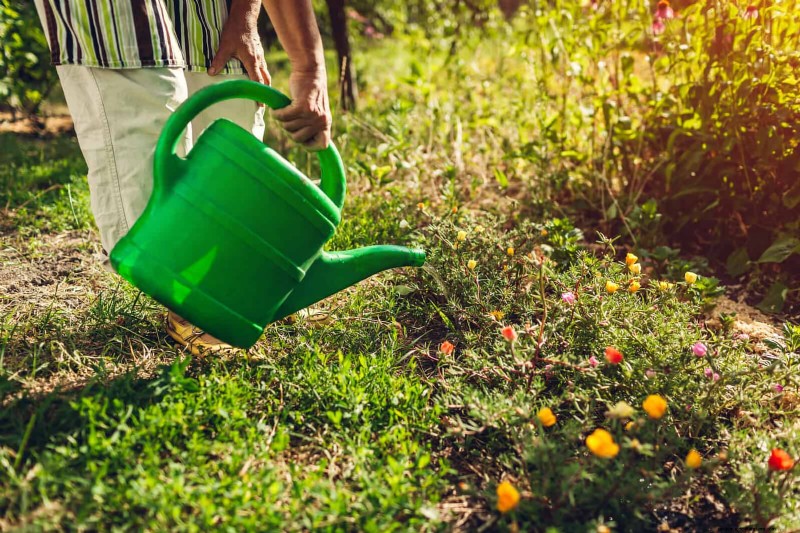
Weeds often outcompete flowers in nutrient‑poor soils. Their aggressive roots seize water and minerals, and some release allelopathic chemicals. Improving soil structure gives flowers a competitive edge.
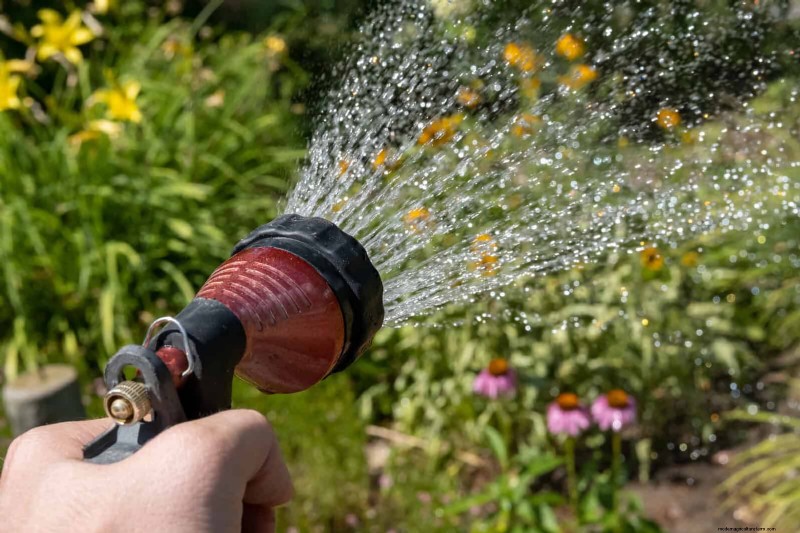
Persistent wilting suggests soil fails to retain moisture or oxygen. Roots cannot breathe, and water drains too quickly. Compost and mulch improve structure and retention.

An earthy scent signals healthy soil; a sour odor indicates anaerobic conditions from excess moisture and poor airflow. This promotes root disease. Adding sand or bark, and turning the soil, restores balance.

Low potassium and other nutrients dull petal hues. Potassium enhances color intensity and resilience. Balanced fertilization brings out vibrant shades.

Stressed plants become pest magnets. Low microbial life and nutrient gaps weaken defenses. Robust soil builds natural resilience, deterring pests.
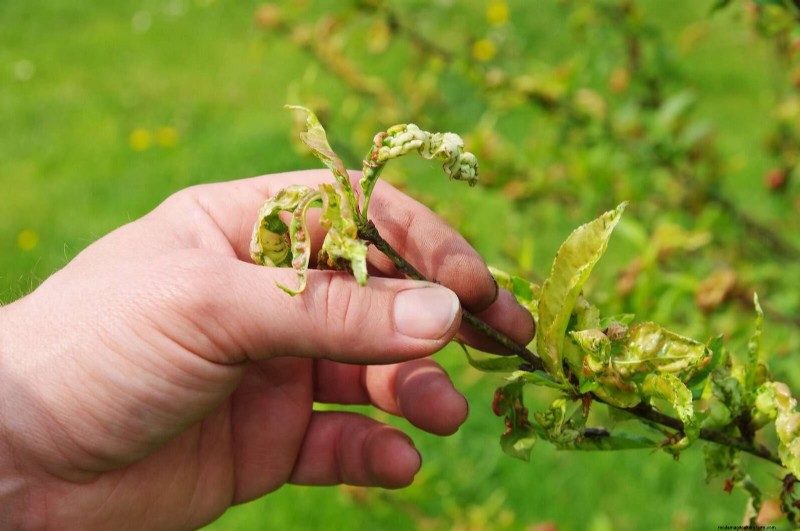
Leaf curling or misshaping hints at pH imbalances or micronutrient deficiencies. Water stress can also cause curling. Test pH; adjust with lime or sulfur, and use foliar feed for quick fixes.
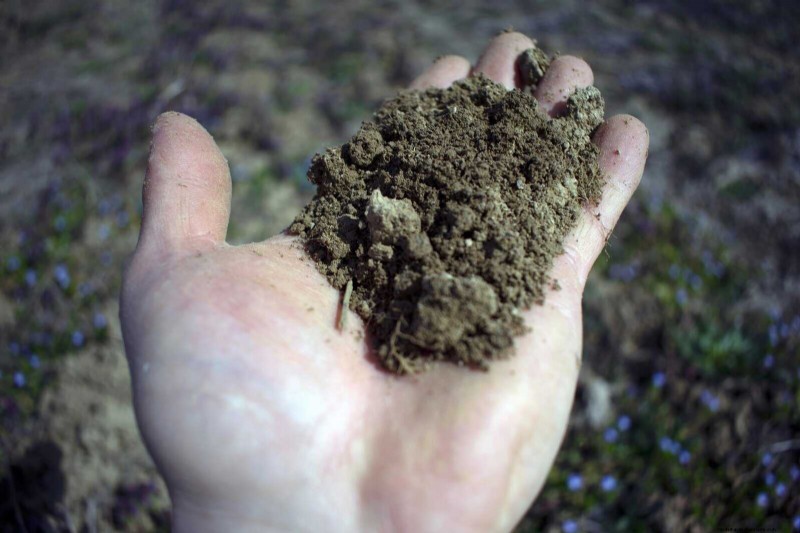
Fine, powdery soil lacks structure and nutrients, making it prone to compaction. Roots struggle to penetrate. Adding compost or humus restores a crumbly, dark, moist texture.
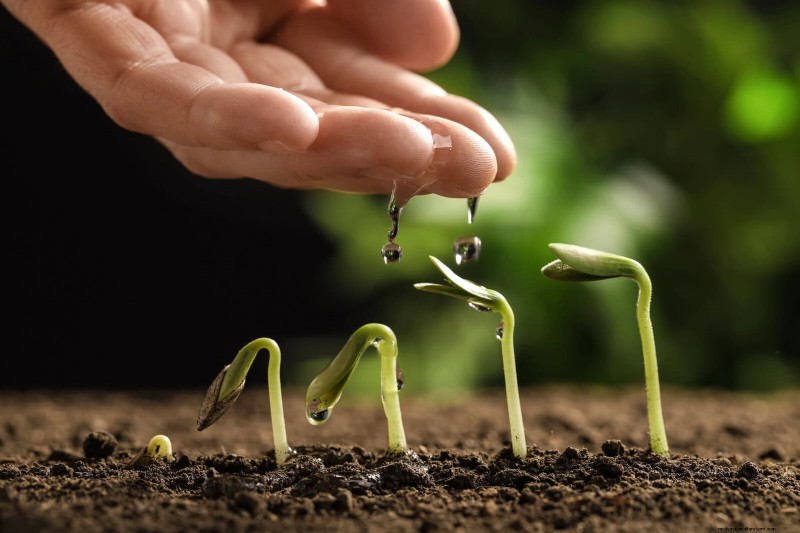
Seeds may fail to sprout in compact or nutrient‑deficient soil. Adequate warmth, air, and moisture are essential. Using a seed mix and transplanting, coupled with soil prep, boosts germination rates.
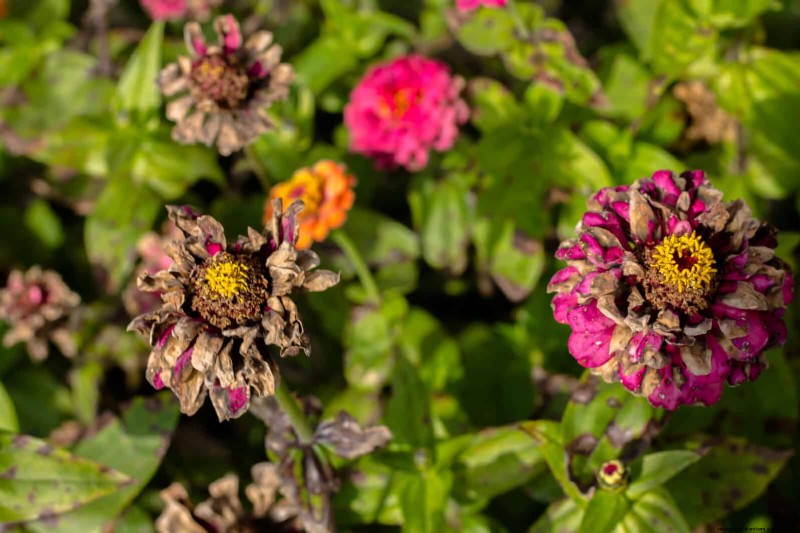
Top dieback often follows root stress or nutrient deficits caused by poor soil. Roots cannot support above‑ground growth. Slow‑release fertilizers and improved soil structure promote rebound.
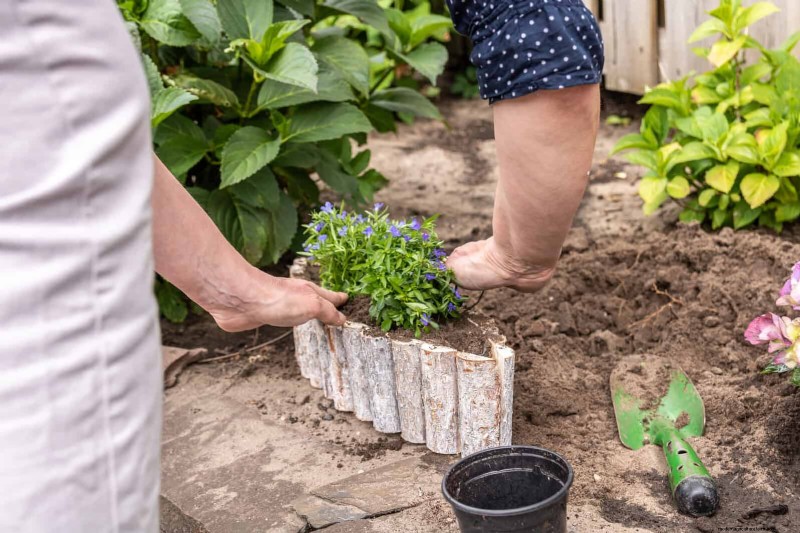
Rapid drying indicates low organic matter. Sandy soils lose moisture quickly. Mulch, compost, and cover crops slow evaporation; moisture meters monitor dryness.
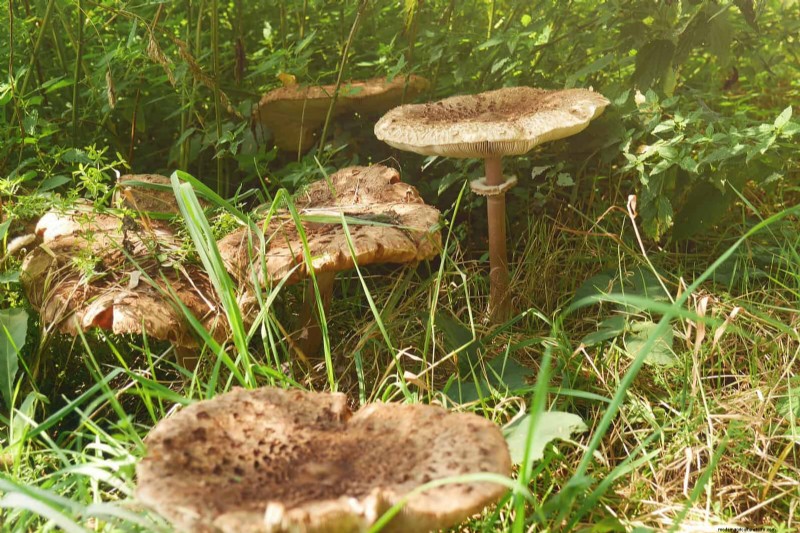
Fungi often follow excess moisture or decaying matter, signaling drainage issues. While not all mushrooms are harmful, their presence indicates damp soil. Increasing airflow and reducing watering help.
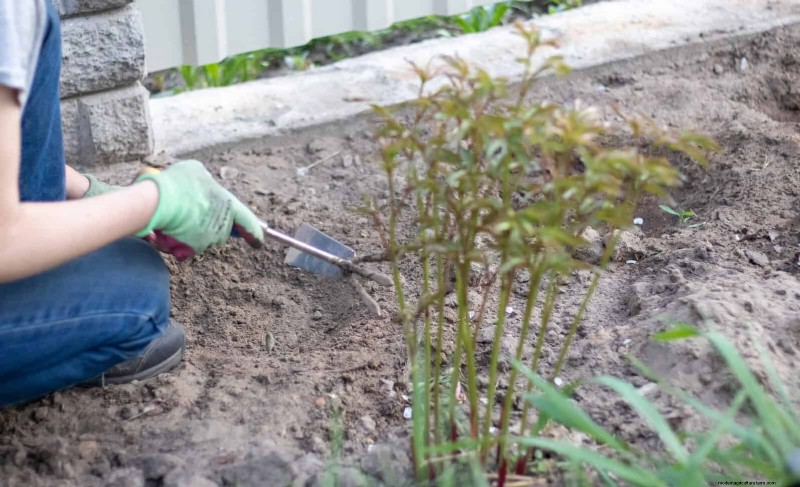
High pH limits nutrient availability, especially iron. Yellowing leaves and poor growth result. Sulfur or organic matter lowers pH; testing guides corrections.
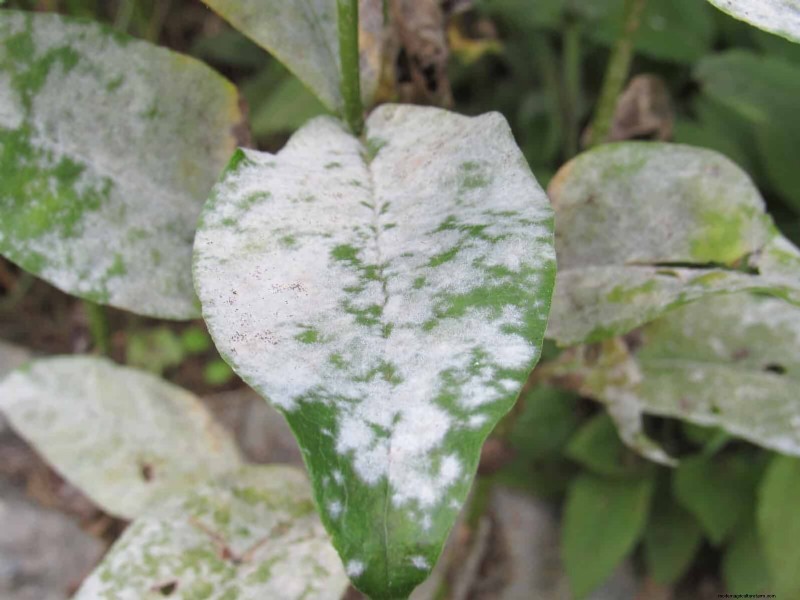
Fungal problems thrive in poorly drained, damp conditions. Spores spread quickly. Better drainage and airflow, coupled with natural fungicides and spacing, curb outbreaks.
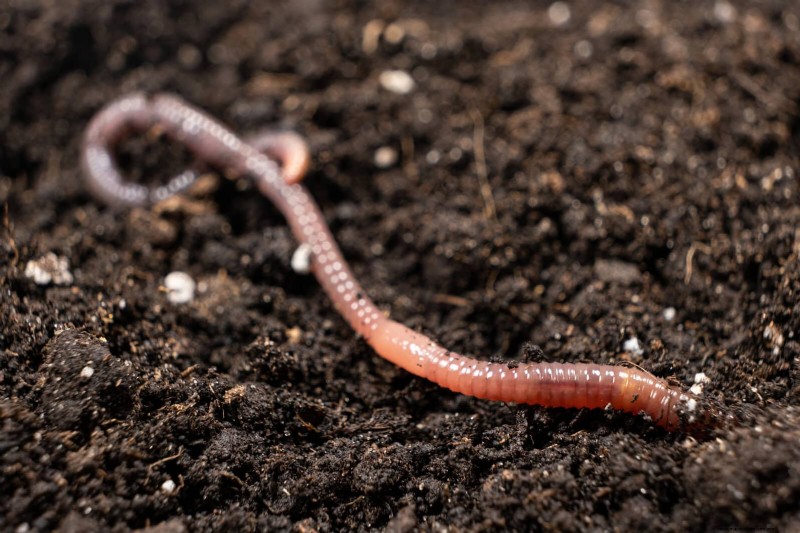
Earthworms thrive in organic, well‑aerated soil. Their absence signals a lifeless, compacted medium. Adding compost invites them back, enhancing aeration and nutrient cycling.

Poor soil need not ruin your garden. Watch for these simple signs and act early. With targeted amendments and regular testing, your flowers can flourish beautifully. A thriving garden starts with rich, living soil.

Editorial oversight
GardenTabs content is reviewed by Steve Snedeker, a seasoned gardener with decades of hands‑on landscaping experience.


