
Welcome to Modern Agriculture!

 Shutterstock
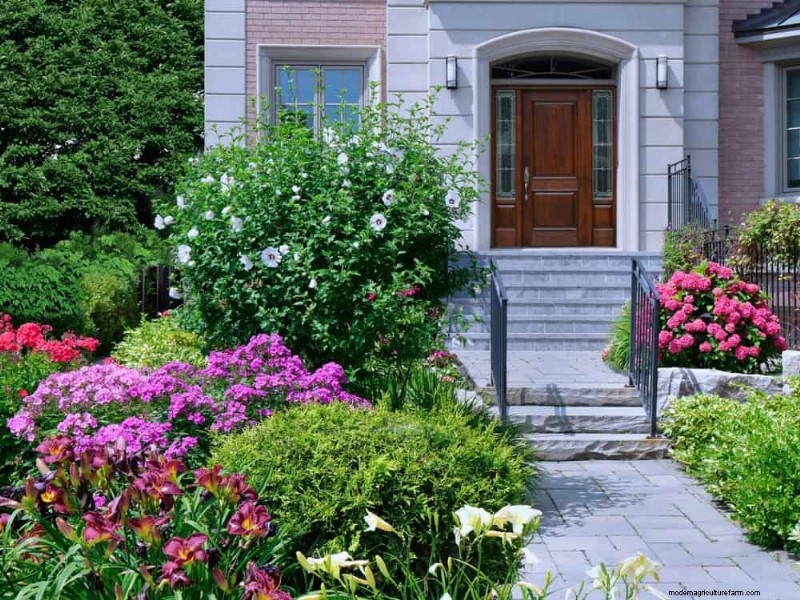
A garden that smells as beautiful as it looks can transform any outdoor space into a sensory paradise. No matter whether you prefer floral sweetness, citrusy freshness, or deep, exotic aromas, these fragrant plants will bring delightful scents to your garden. Many of these are easy to grow, attract pollinators, and provide a year-round bouquet of fragrance.
Let’s explore the best picks for a heavenly-scented garden. Ranging from delicate floral notes to rich, exotic aromas, these plants will provide an immersive sensory experience that elevates any outdoor space.
These are the plants most gardeners picture when they imagine a fragrant garden, classic bloomers whose scent has defined outdoor spaces for centuries.
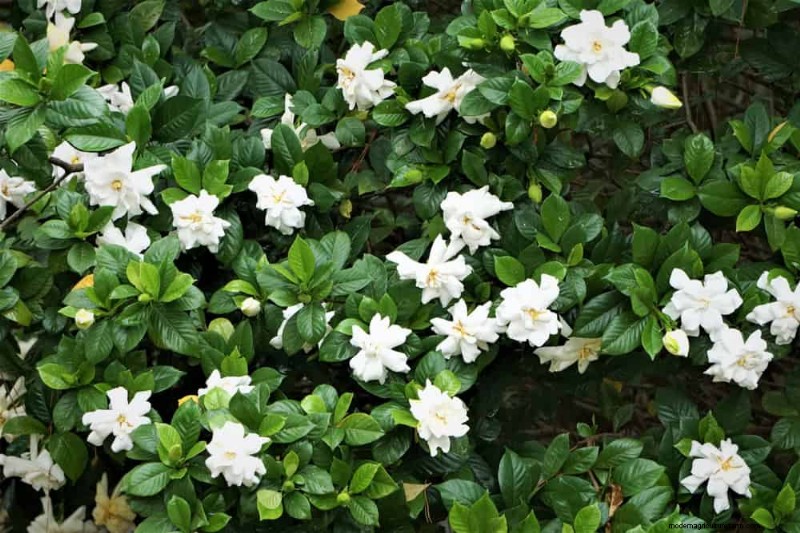
Gardenia’s creamy blooms carry one of the most recognizable and intense floral fragrances in the garden.
 Shutterstock
Gardenias are famous for their creamy white blooms and intoxicating scent. These evergreen shrubs thrive in warm climates and need well-drained, acidic soil. Their perfume is strongest in the evening, making them ideal for patios and entryways. Though they require some care, the reward is a continuous display of lush foliage and stunning flowers.
Gardenias can bloom multiple times a year, providing an almost constant source of fragrance.
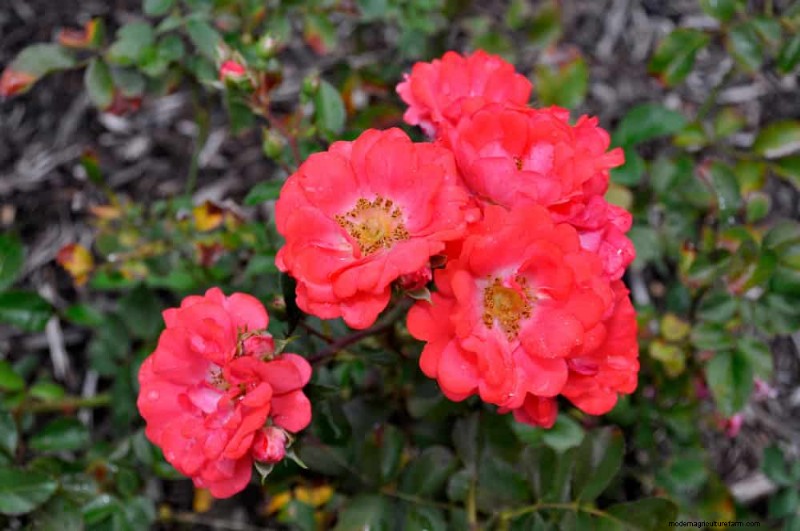
No fragrant garden is complete without at least one well-chosen rose cultivar.
 Shutterstock
No fragrant garden is complete without roses. While not all roses are highly scented, varieties like ‘Mister Lincoln,’ ‘Double Delight,’ and ‘Madame Isaac Pereire’ are famous for their strong perfumes. Roses need full sun, rich soil, and regular feeding to produce lush, fragrant blooms. Pruning promotes continuous flowering and keeps the plant healthy.
Their scent varies from fruity and spicy to deep and musky, making them a garden favorite.
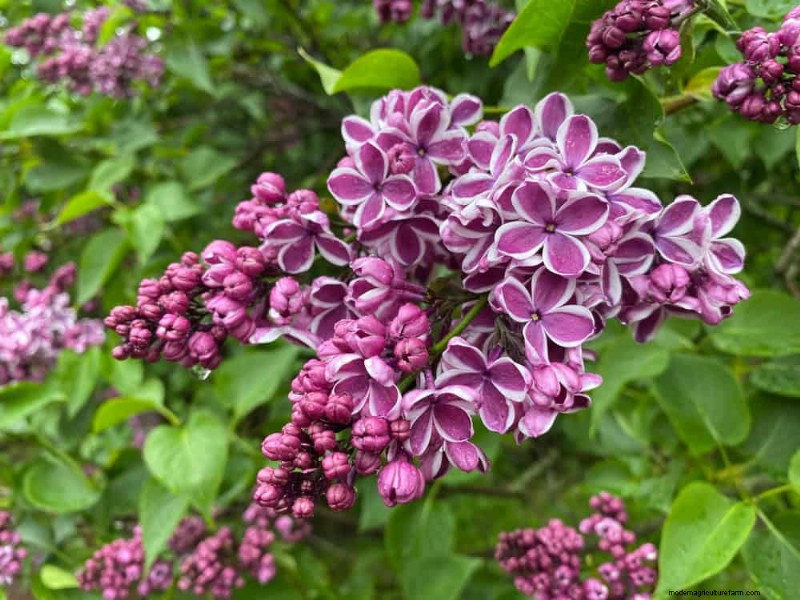
Lilac’s rich spring scent is one of the most beloved signals that the growing season has arrived.
 Shutterstock
Lilacs are beloved for their rich, floral scent that signals the arrival of spring. These hardy shrubs produce large purple, pink, or white flower clusters. They require full sun and well-drained soil to thrive. Regular pruning after flowering helps maintain their shape and encourages more blooms.
Lilacs are long-lived and can perfume an entire yard in full bloom, attracting bees and butterflies and making them a valuable addition to pollinator gardens.
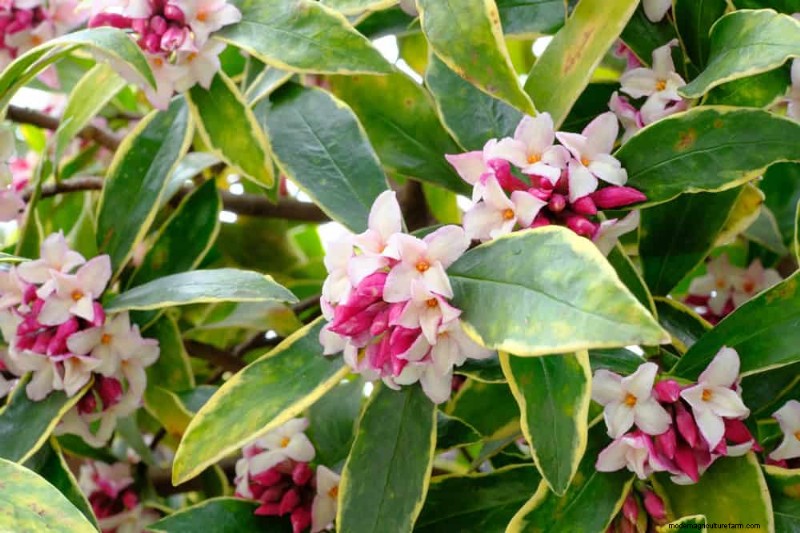
Daphne produces an astonishingly sweet fragrance from small, unassuming flowers in late winter and early spring.
 Shutterstock
Daphne is a small, evergreen shrub with clusters of pink or white flowers that produce an incredibly sweet fragrance. It thrives in partial shade and well-drained soil, making it ideal for woodland gardens or borders. Its scent is strongest in late winter and early spring, providing an early-season boost of fragrance.
Though it requires minimal pruning, proper placement is important, as Daphne dislikes being moved. The intoxicating aroma can be enjoyed even from a distance, making it a favorite near walkways and patios.
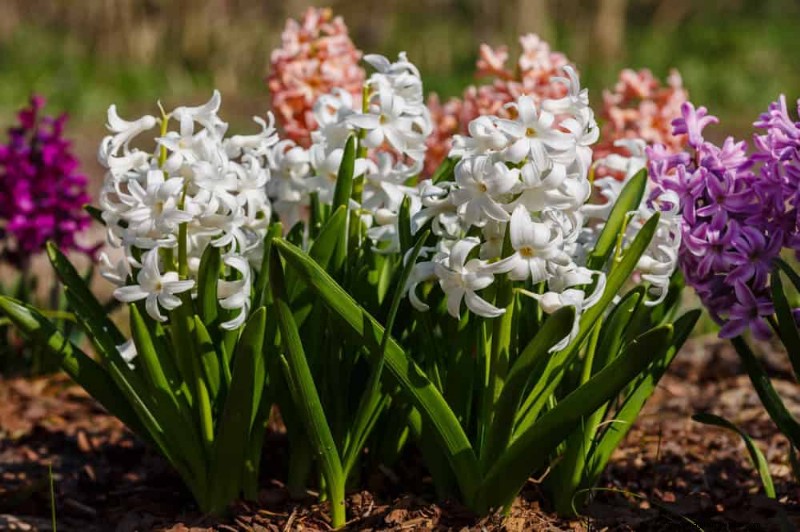
Hyacinth packs a powerful, candy-sweet scent into dense spring flower clusters that emerge from bulbs.
 Shutterstock
Hyacinths are among the most fragrant spring flowers, offering a sweet, almost candy-like scent. They grow from bulbs and produce dense clusters of colorful blooms. Hyacinths thrive in full sun and well-drained soil. Plant them in the fall for stunning spring displays.
Their strong fragrance makes them excellent for borders, containers, and even indoor forcing. Their flowers are long-lasting and can be enjoyed for weeks, both in the garden and as cut arrangements.
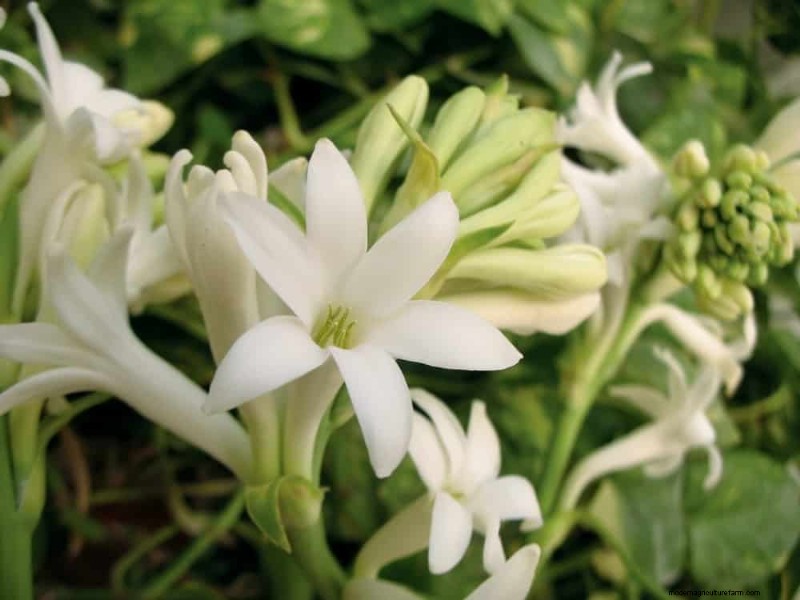
Tuberose delivers an intensely exotic scent on tall spikes that make it a standout in warm-season borders.
 Shutterstock
Tuberose is prized for its intense, exotic fragrance, often compared to jasmine and gardenia. It grows from bulbs and produces tall spikes of waxy white flowers in late summer. These heat-loving plants need full sun and well-drained soil. Their scent is strongest at night, making them ideal for moon gardens.
Tuberose is also used in perfumery for its luxurious aroma. Its flowers are commonly included in many cultures in floral garlands and traditional ceremonies.
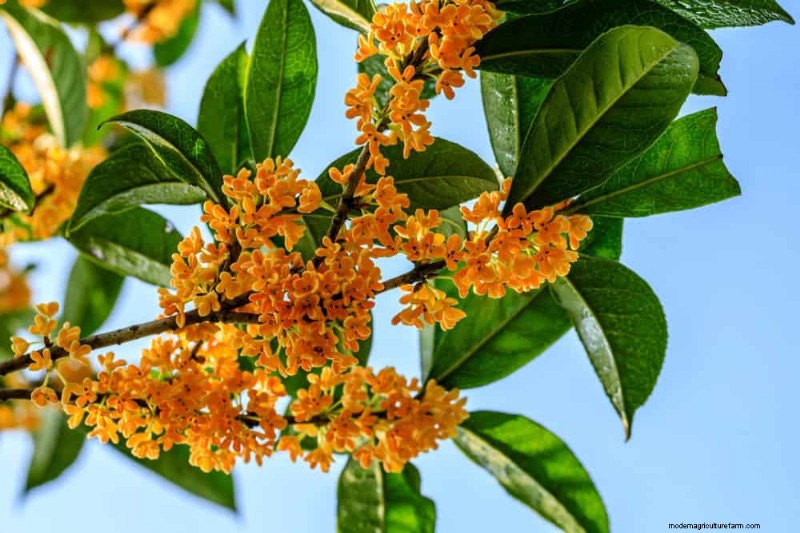
Osmanthus releases a powerful apricot fragrance from tiny, easy-to-miss flowers that bloom multiple times a year.
 Shutterstock
Osmanthus, or sweet olive, is a shrub or small tree with tiny, inconspicuous flowers that produce a powerful apricot-like fragrance. Blooming multiple times a year, it thrives in full sun to partial shade and well-drained soil. This evergreen plant is low-maintenance and can be grown as a hedge, specimen plant, or container plant.
Its scent carries well on the breeze, filling gardens with a rich, fruity aroma. In some cultures, osmanthus flowers are also used in traditional teas and desserts.
Save this article & also instantly unlock today's gardening deals!
Fragrant climbers and vines use vertical space to spread their scent more broadly, making them ideal for pergolas, fences, and trellises.
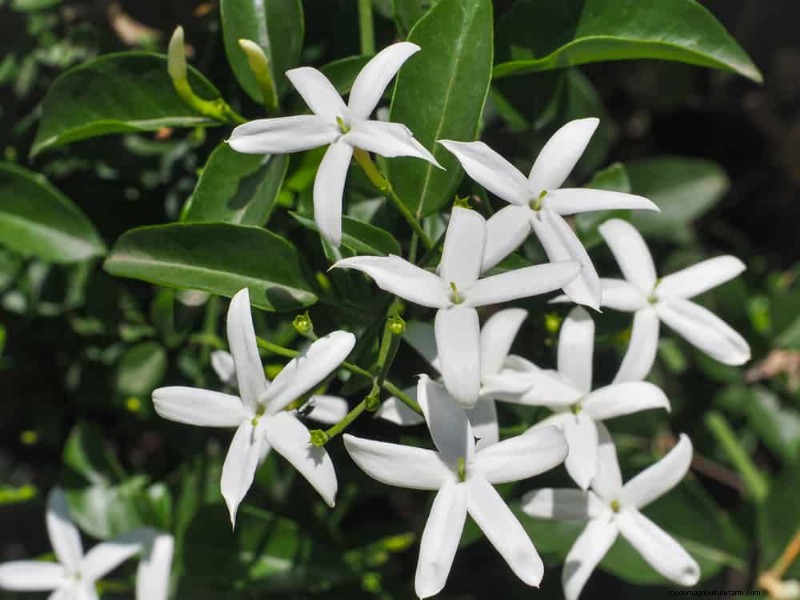
Common jasmine fills summer evenings with a rich, sweet fragrance from clusters of delicate white flowers.
 Shutterstock
Common jasmine, also called poet’s jasmine, fills summer nights with its rich, sweet fragrance. Its delicate white flowers bloom in clusters and attract hummingbirds and bees. This fast-growing vine thrives in full sun and well-drained soil, making it perfect for trellises and fences. Regular trimming encourages more blooms and keeps it tidy.
Its powerful aroma is often used in perfumes and essential oils. Jasmine is also used in teas and traditional medicine for its calming effects.
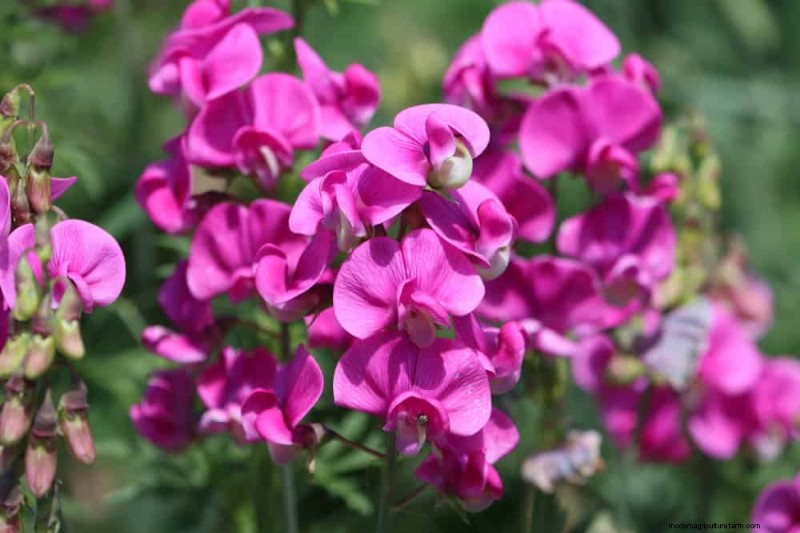
Sweet pea’s candy-like fragrance and pastel blooms reward gardeners who give it a support structure and cool growing conditions.
 Shutterstock
Sweet peas offer a delicate, candy-like fragrance and bloom in various colors. These climbing annuals thrive in cool weather and need support from trellises or fences. Regular deadheading encourages continuous blooms throughout spring and early summer. They prefer rich, well-draining soil and moderate watering. Sweet peas make excellent cut flowers, bringing their fresh scent indoors.
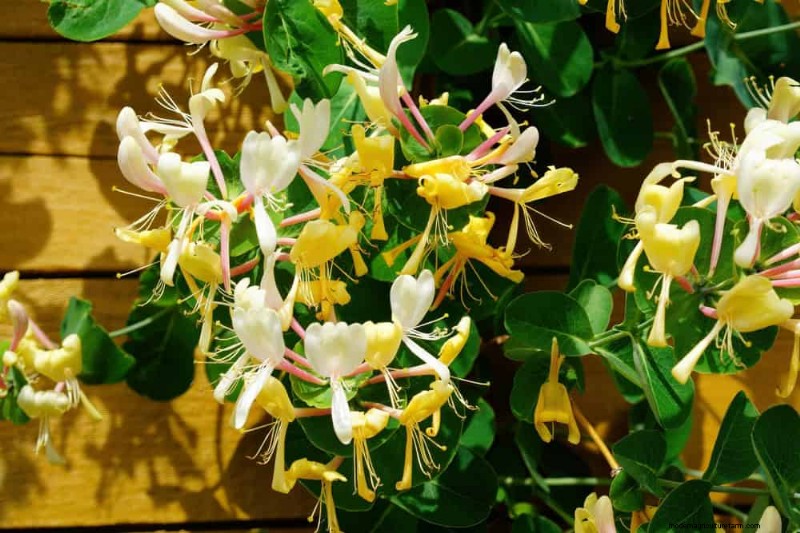
Honeysuckle vines produce a strong, sweet scent that drifts across the garden and draws in hummingbirds and butterflies.
 Shutterstock
Honeysuckle vines produce tubular flowers with a strong, sweet aroma that attracts hummingbirds and butterflies. Some of the most fragrant varieties include Japanese honeysuckle and ‘Scentsation’ honeysuckle. Their scent is most noticeable in the late afternoon and evening.
For gardeners concerned about invasiveness, native alternatives like coral honeysuckle (Lonicera sempervirens) or goldflame honeysuckle (Lonicera x heckrottii) provide beautiful fragrance without aggressive spreading.
These plants carry their fragrance in their leaves and stems as much as in their flowers, releasing scent throughout the day as you brush past them.
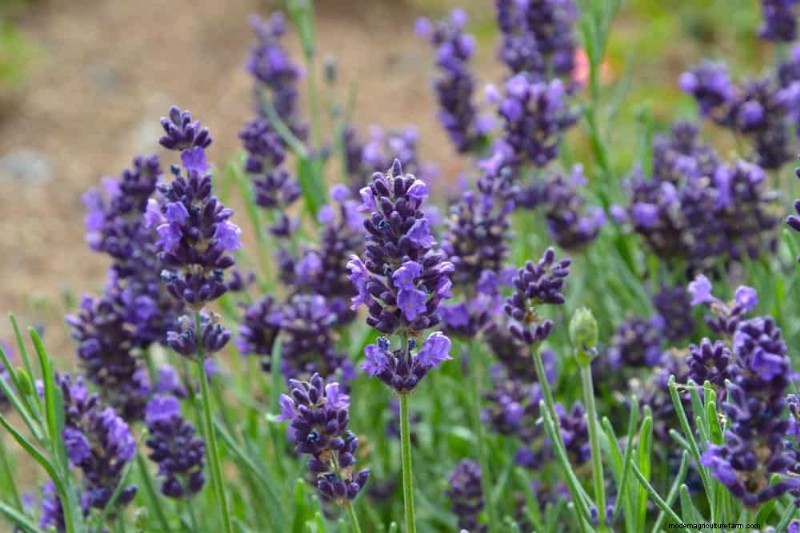
Lavender’s soothing herbal scent works double duty: calming for people and deeply off-putting to garden pests.
 Shutterstock
Lavender is a classic choice for fragrance, with a soothing, herbal scent that repels pests and attracts pollinators. It thrives in sunny locations with well-drained soil and minimal watering. Its purple spikes bloom throughout summer, making it perfect for borders and walkways.
Dry the flowers for sachets or homemade potpourri to extend the fragrance indoors. Lavender also has calming properties and is widely used in aromatherapy.
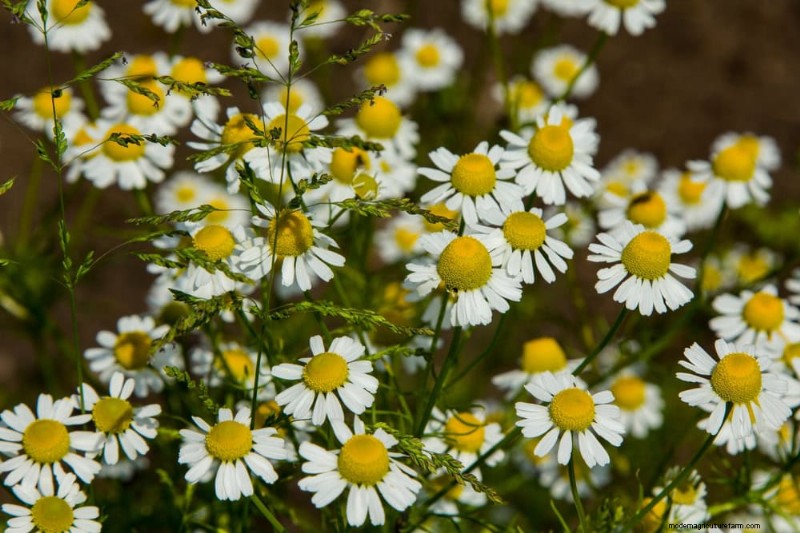
Chamomile contributes a gentle apple-like fragrance from both its flowers and its feathery foliage.
 Shutterstock
Chamomile is a fragrant herb known for its sweet, apple-like scent and delicate daisy-like flowers. It thrives in full sun to partial shade and well-drained soil, making it easy to grow in garden beds or containers. Chamomile flowers bloom throughout summer and attract pollinators like bees and butterflies.
This low-maintenance plant is drought-tolerant once established and can even self-seed. In addition to its pleasant aroma, chamomile is widely used in herbal teas for its calming properties
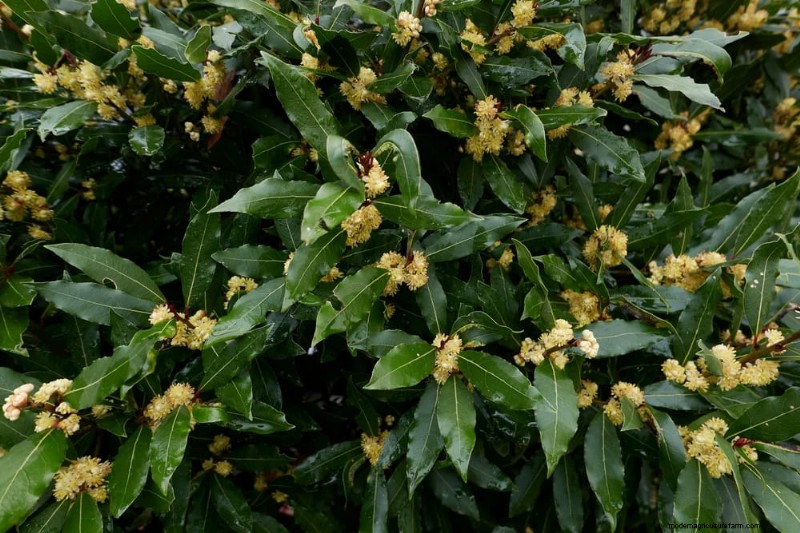
Bay laurel is as useful in the kitchen as it is ornamental, with glossy aromatic leaves that perfume the garden year-round.
 Shutterstock
Bay laurel is an aromatic evergreen shrub or small tree, prized for its glossy leaves that emit a rich, spicy fragrance when crushed. It thrives in full sun to partial shade and prefers well-drained soil. Often grown in containers, it can be pruned into topiary shapes or used as a fragrant hedge.
While its leaves are commonly used in cooking, its subtle scent also adds an herbal note to gardens. Bay laurel is drought-tolerant once established, making it a low-maintenance and practical addition to fragrant landscapes.
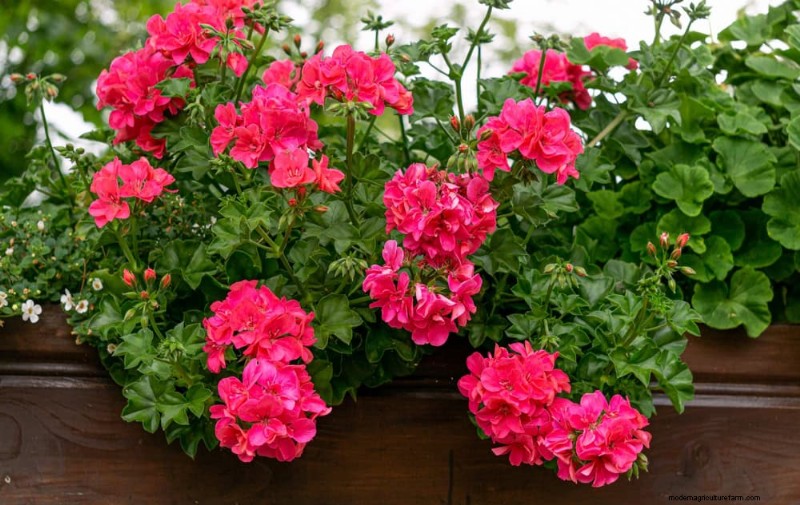
Scented geraniums are unusual in that their fragrance comes almost entirely from their leaves, available in an extraordinary range of scents.
 Shutterstock
Scented geraniums come in various fragrances, including rose, lemon, mint, and even chocolate. Unlike other fragrant flowers, their aroma comes from their leaves rather than their blooms. Rubbing or brushing against the foliage releases their delightful scent, making them perfect for container gardens and pathways.
They thrive in full sun and well-drained soil and are drought-tolerant once established. Their versatility allows them to be grown indoors as houseplants, ensuring a year-round fragrance.
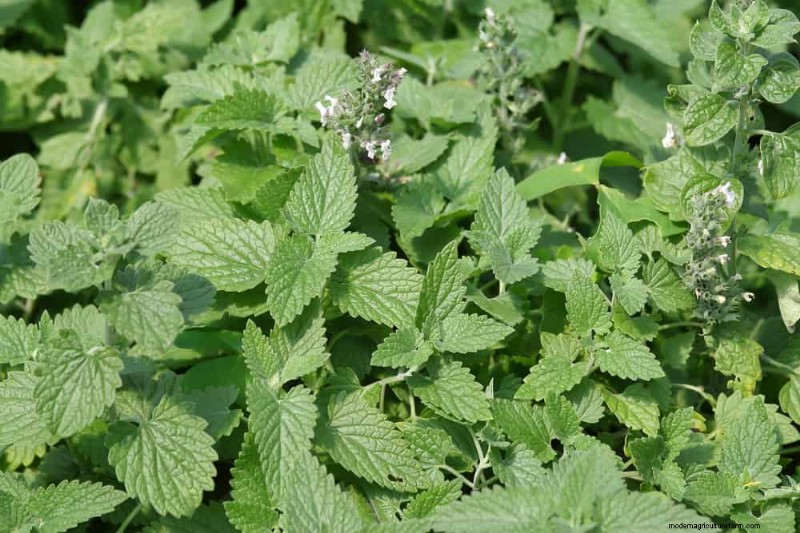
Lemon balm’s fresh citrus scent intensifies when its leaves are crushed, making it a sensory pleasure along garden paths.
 Shutterstock
Lemon balm is a fragrant herb known for its fresh, lemony scent, which intensifies when its leaves are crushed. It thrives in full sun to partial shade and well-drained soil and spreads quickly if not contained. Beyond its pleasant aroma, lemon balm is often used in herbal teas and natural remedies for relaxation. Its refreshing scent makes it a great choice for sensory gardens and outdoor seating areas.
This group spans the full range of plant types, from spring bulbs and cheerful annuals to stately flowering trees and plants that save their best scent for evening.
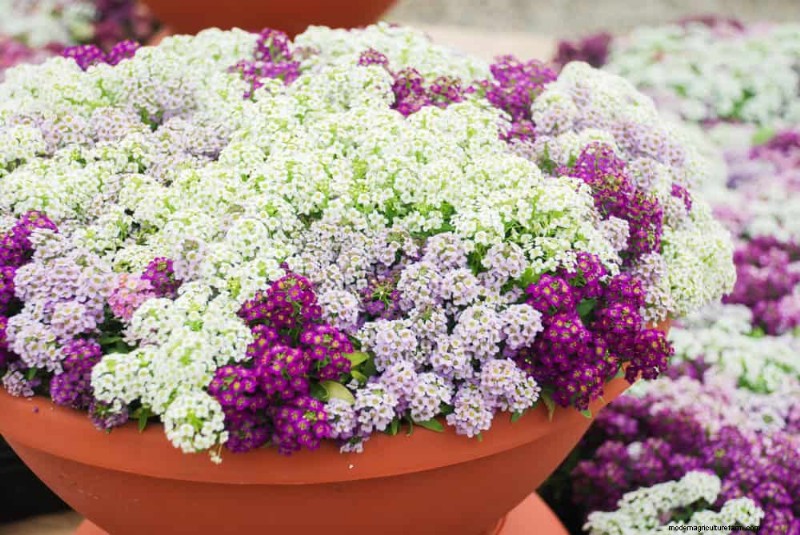
Sweet alyssum produces a light honey fragrance at ground level, making it ideal for edging beds and spilling over containers.
 Shutterstock
Sweet alyssum produces tiny clusters of white, pink, or purple flowers with a light, honey-like fragrance. It grows as a ground cover, spilling over garden edges and hanging baskets. This plant prefers cool temperatures and blooms from spring to fall in the right conditions. It’s also drought-tolerant and easy to grow, requiring minimal care.
Its continuous flowering habit attracts beneficial insects, making it a great companion plant in vegetable gardens.
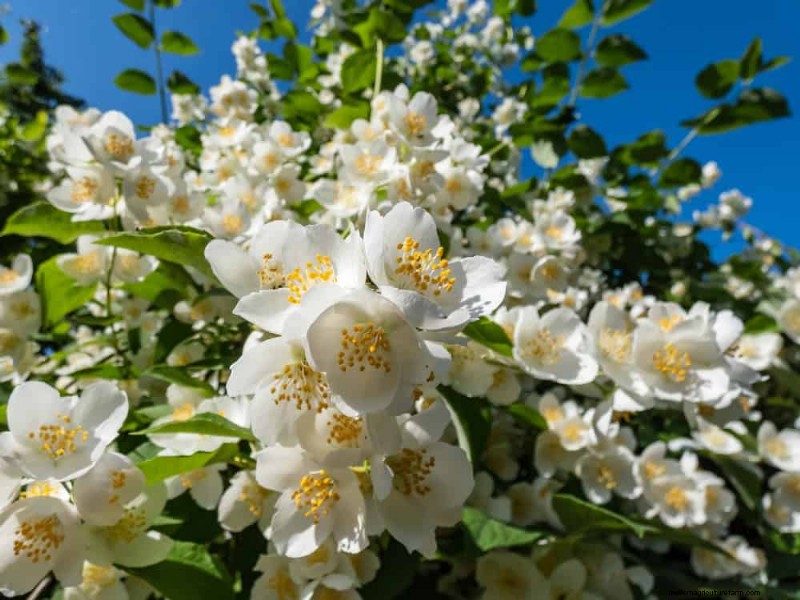
Mock orange earns its name from a citrus-like blossom scent that rivals orange blossoms in late spring.
 Shutterstock
Mock orange gets its name from its citrus-like fragrance, reminiscent of orange blossoms. This deciduous shrub produces white, cup-shaped flowers in late spring to early summer. It thrives in full sun to partial shade and requires minimal maintenance beyond occasional pruning.
The strong, sweet scent attracts bees and butterflies, making it a valuable addition to wildlife gardens. Planted near a window or patio, mock orange fills the air with its refreshing aroma during its blooming season.
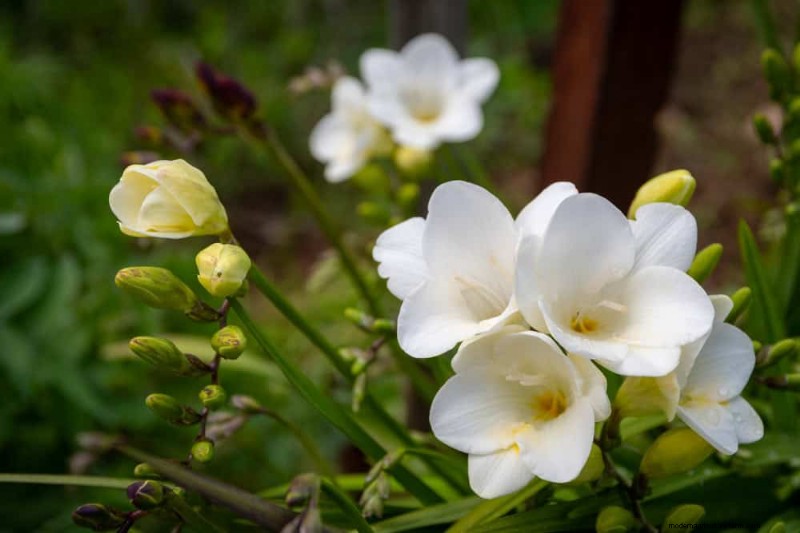
Freesias combine vivid color with a delightful citrusy fragrance, growing from bulbs in warm, sunny locations.
 Shutterstock
Freesias are popular for their vibrant colors and delightful, citrusy fragrance. Depending on the climate, these bulbous plants thrive in full sun and well-drained soil and bloom in spring or summer. Their long-lasting flowers make excellent cut arrangements and fill indoor spaces with their strong, fruity scent. Regular watering and deadheading encourage more blooms throughout the season.
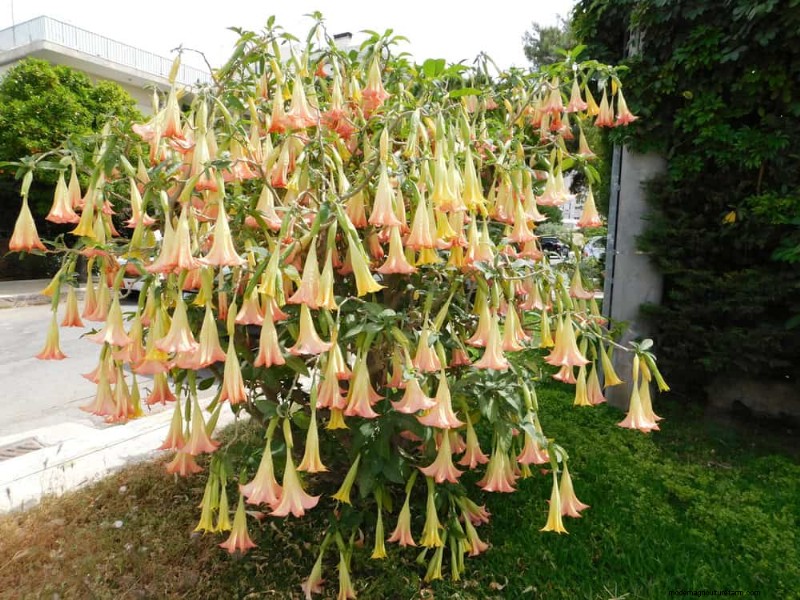
Angel’s trumpet releases its most intense fragrance after dark, making it a dramatic choice for evening garden areas.
 Shutterstock
Angel’s trumpet is a tropical shrub or small tree with large, pendulous flowers that release an intense, intoxicating fragrance, especially in the evening. It thrives in warm climates with full sun to partial shade and moist, well-drained soil. The dramatic, trumpet-shaped flowers bloom in white, yellow, pink, or peach shades.
While beautiful, all parts of the plant are toxic, so caution is needed when planting in gardens with pets or children.
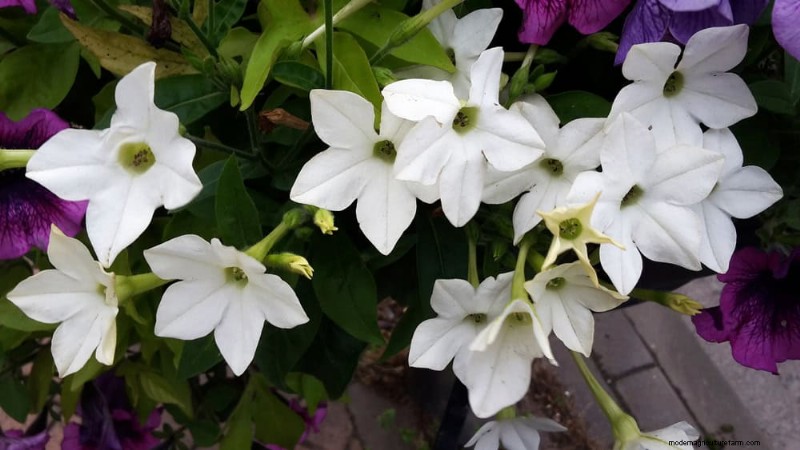
Flowering tobacco holds its fragrance until evening, when it opens fully to attract nocturnal pollinators.
 Shutterstock
Also known as flowering tobacco, nicotiana releases a delightful fragrance in the evening, attracting nocturnal pollinators like moths. Its star-shaped flowers bloom in shades of white, pink, red, and green, adding visual interest to gardens. This annual plant thrives in full sun to partial shade and prefers well-drained soil.
Nicotiana’s sweet scent makes it an excellent addition to patios, balconies, or garden beds where its perfume can be enjoyed up close.
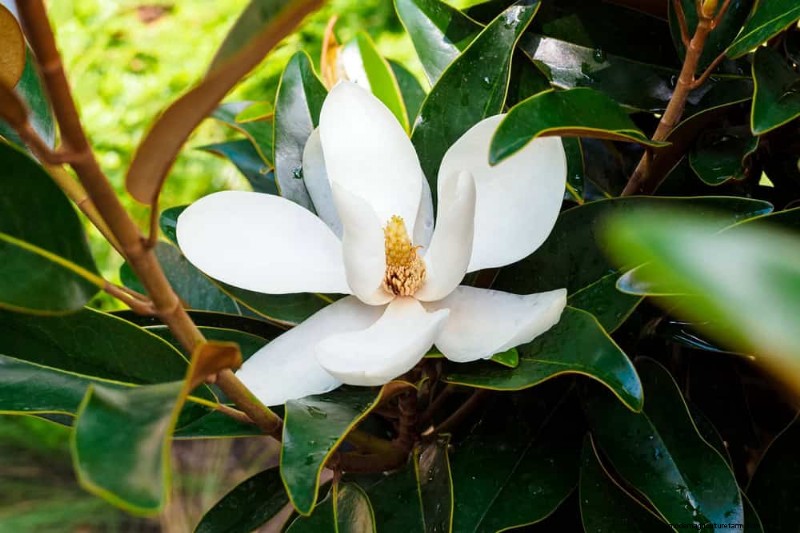
Southern magnolia offers large, showy blooms with a strong citrus-like fragrance that carries across a wide area.
 Shutterstock
Magnolia grandiflora, or Southern magnolia, is known for its large, creamy white flowers and strong, citrus-like fragrance. Unlike some magnolias, it blooms throughout the warm months, offering long-lasting fragrance. This evergreen tree thrives in full sun to partial shade and well-drained slightly acidic soil. Though slow-growing, it can live for decades, making it a timeless landscape addition.
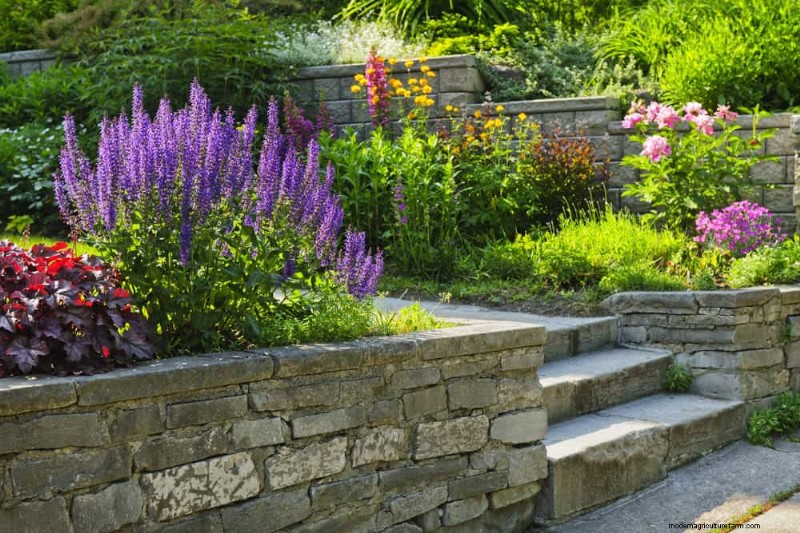
With careful plant selection, it is possible to ensure fragrant blooms in the garden from late winter through fall.
 Shutterstock
With these fragrant plants, your garden will be filled with delightful scents throughout the seasons. No matter whether you prefer floral, citrus, or spicy aromas, there’s a perfect fragrant plant for every space. Let your senses guide you in creating an enchanting outdoor retreat!
By carefully selecting and combining these plants, you can enjoy a dynamic, ever-changing bouquet of natural fragrances all year long.

Editorial oversight
GardenTabs content is reviewed by Steve Snedeker, a seasoned gardener with decades of hands-on landscaping experience.


