
Welcome to Modern Agriculture!

 Shutterstock
Winter can be a harsh season for plants, with freezing temperatures, strong winds, and frost threatening survival. Many plants experience winter shock without proper care, which can weaken or even kill them. Fortunately, simple yet effective methods exist to protect your garden from the cold. Following these expert‑backed techniques will keep your plants strong and healthy throughout the winter, whether you have delicate flowers, sturdy shrubs, or potted plants.
 Shutterstock
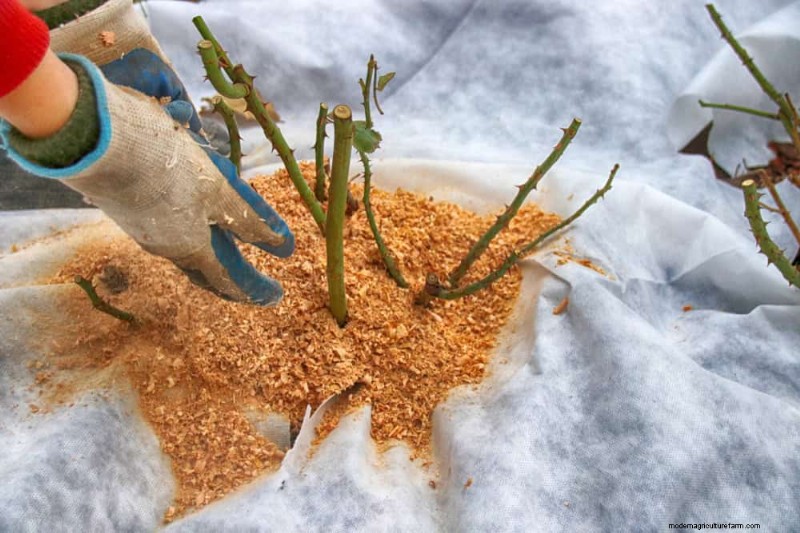
Mulch forms a thermal blanket around roots, keeping soil warmer and shielding against sudden freezes. A 3‑4 inch layer of organic material—straw, wood chips, or compost—retains moisture and reduces root exposure to extreme cold. Spread mulch around the plant base but keep it a few inches from stems to avoid rot. This practice is especially beneficial for perennials, shrubs, and young trees during cold snaps.
Save this article & also instantly unlock today's gardening deals!
 Shutterstock
Moist soil holds heat better than dry soil, so watering a day before an anticipated freeze helps roots stay resilient. Aim for a deep, even soak in the morning so the soil dries slightly before nightfall. Avoid overwatering; soggy ground can foster root rot once temperatures dip.
 Shutterstock
Lightweight burlap or frost cloths act as a gentle coat, shielding foliage from wind and frost while allowing airflow. Drape the cover loosely, anchoring it with stakes or rocks. Plastic bags are a no‑go, as they trap moisture and can exacerbate frost damage. Remove covers during sunny periods to prevent overheating.
 Shutterstock
Choosing plants that are naturally adapted to winter conditions—such as winterberry holly or native perennials—reduces the need for intensive protection. Check the USDA Hardiness Zone for your area and pick species that align with those guidelines. Cold‑hardy selections thrive with minimal intervention, freeing you to focus on other garden tasks.
 Shutterstock
Pots lack ground insulation, making their roots vulnerable to freezing. Move sensitive containers into a protected space—garage, sunroom, or a shaded corner—before temperatures fall below 32°F. If moving isn’t feasible, wrap pots in bubble wrap or burlap and cluster them together to retain heat. Monitor indoor humidity to keep plants comfortable.
 Shutterstock
Wind can desiccate foliage and intensify cold stress. Build windbreaks using natural hedges or temporary screens—burlap, wooden stakes, or snow fencing—positioned on the windward side of your garden. This barrier reduces wind speed, conserves moisture, and protects evergreens and tender shrubs.
 Shutterstock
Late pruning stimulates new growth that is vulnerable to frost. Delay major trimming until late winter or early spring, allowing the plant to consolidate its energy reserves. Clean out damaged branches after the cold has passed to encourage robust regrowth.
 Shutterstock
Cloches—bell‑shaped glass or plastic covers—serve as mini‑greenhouses for individual plants, while cold frames provide a larger, enclosed space that traps solar heat. Use them for seedlings, herbs, and small vegetables. Ventilate during warm spells to avoid overheating.
 Shutterstock
Staying ahead of the forecast is key. When a hard freeze is predicted, apply extra mulch, move potted plants, or deploy frost cloths. If an unexpected drop occurs, consider temporary heat sources or a light spray of lukewarm water to mitigate damage.
 Shutterstock
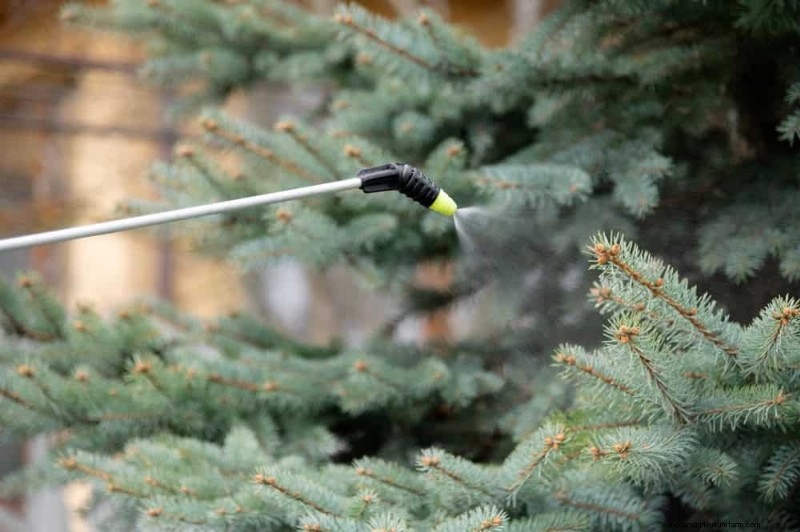
Evergreens and broadleaf shrubs can lose moisture rapidly in winter. Anti‑desiccant sprays create a protective film on leaves, curbing water loss. Apply on dry, frost‑free days when temperatures stay above freezing, and reapply as needed throughout the season.
 Shutterstock
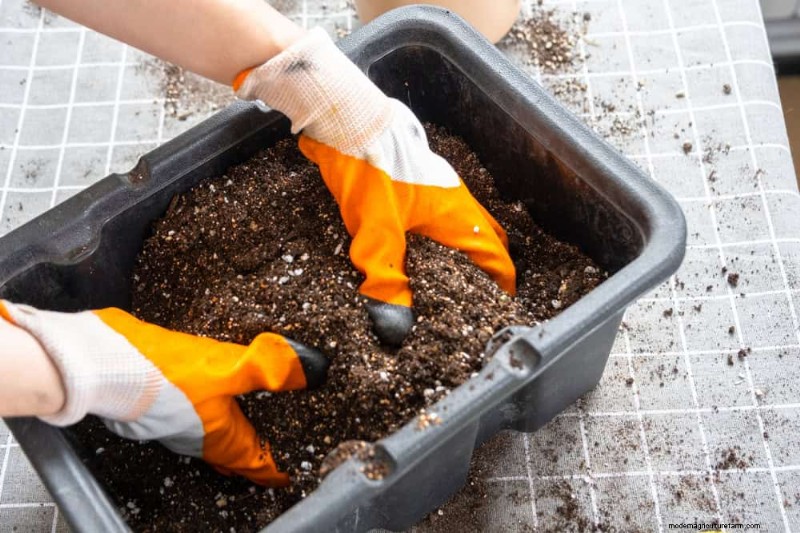
Waterlogged soil freezes more quickly and suffocates roots. Incorporate organic matter—compost, sand, or leaf mold—to improve drainage. Raised beds and well‑aerated containers keep moisture at bay, ensuring roots receive oxygen even in cold weather.
 Shutterstock
With thoughtful preparation, winter no longer threatens your garden’s vitality. By mulching, covering, watering wisely, and staying weather‑aware, you shield plants from freezing, wind, and moisture loss. The result is a resilient garden ready to flourish when spring returns.
Don’t forget to check out this guide: 12 Critical Winter Mistakes Killing Your Houseplants (And How to Fix Them)

Editorial oversight
GardenTabs content is reviewed by Steve Snedeker, a seasoned gardener with decades of hands‑on landscaping experience.


