
Welcome to Modern Agriculture!

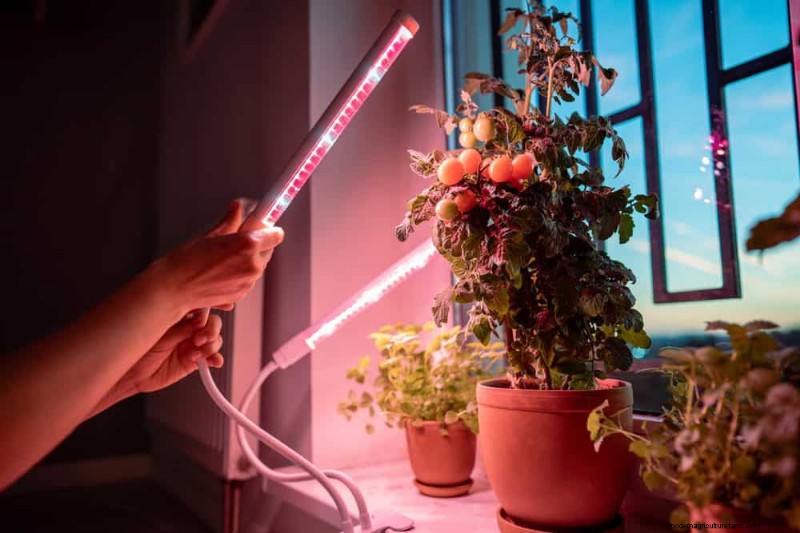
Artificial lighting transforms indoor gardening by turning any space into a thriving green sanctuary. With the right setup and proven practices, herbs, leafy greens, and flowering plants can flourish year‑round.
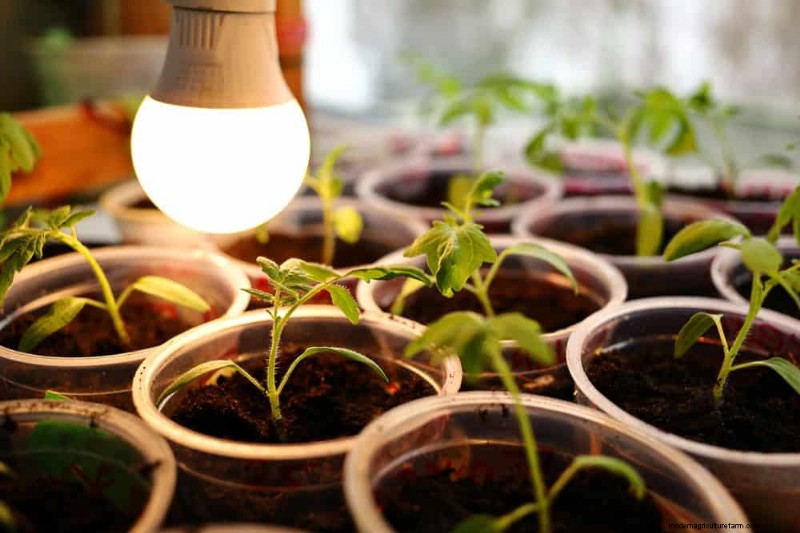
Each species demands a specific light intensity, photoperiod, and spectrum. Succulents and flowering plants prefer intense, bright light, while herbs and leafy greens thrive under moderate levels. Researching these requirements before installing lights ensures optimal growth and prevents stress.
Save this article & unlock today’s gardening deals!
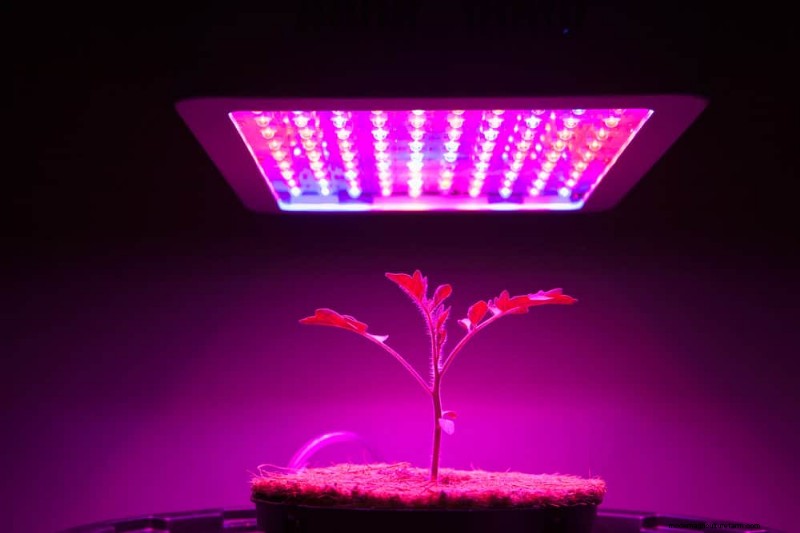
LEDs offer energy efficiency and low heat output, making them ideal for long‑term use. Fluorescent fixtures are cost‑effective and suitable for seedlings or low‑light species. High‑intensity discharge (HID) lamps deliver powerful light for larger grow spaces but require more heat management.
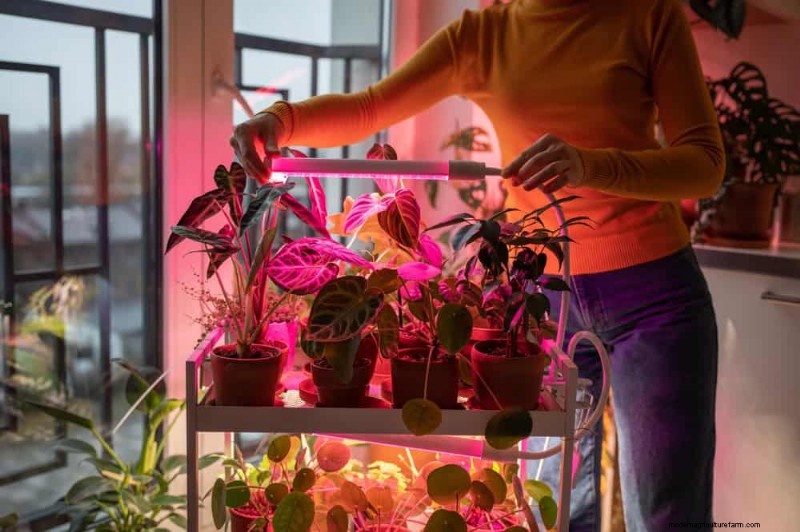
Light‑to‑plant distance is critical. Too close can scorch foliage; too far can cause stretching and weak growth. A general rule is 12–18 inches for LEDs and slightly closer for fluorescents. Adjust height as plants mature to maintain uniform exposure.
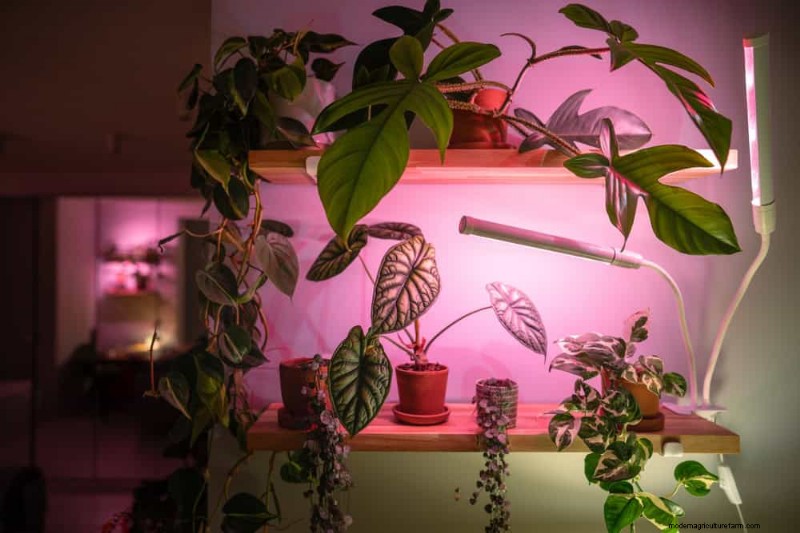
Plants rely on light/dark cycles that mimic nature. A common photoperiod is 16 hours of light during vegetative growth and 12 hours for flowering. Timers ensure precision and remove the need for manual adjustments, promoting steady development.
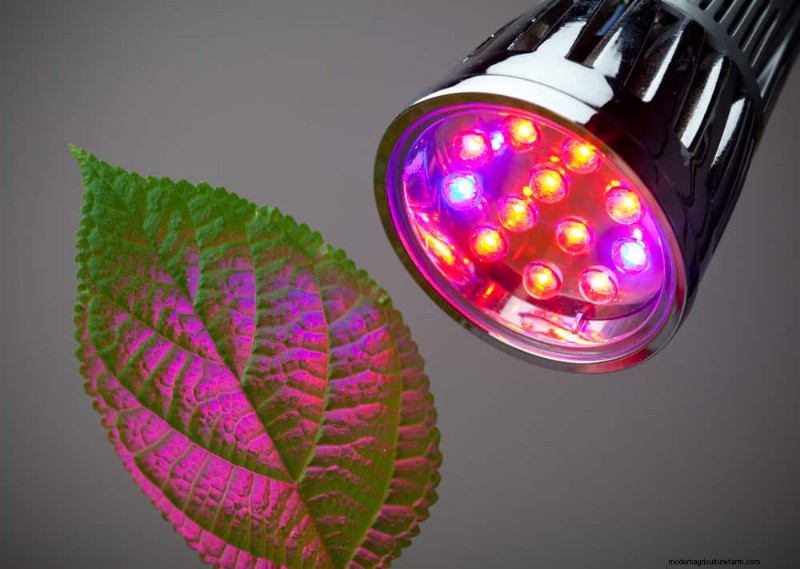
Blue wavelengths favor vegetative growth, building strong stems and leaves. Red wavelengths stimulate flowering and fruiting. Full‑spectrum lights offer a balanced mix and can support all stages, but switching or blending spectra as plants mature yields the best results.
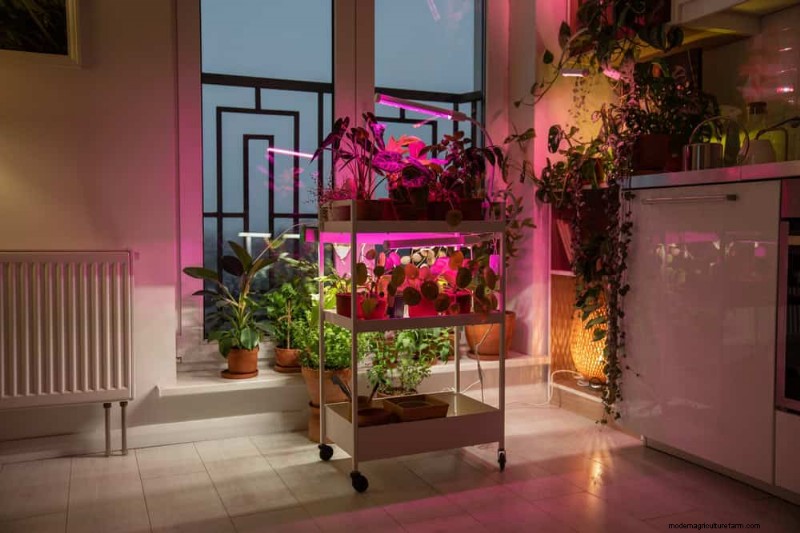
Materials such as Mylar or white walls bounce light back onto the canopy, eliminating shadows and increasing photosynthetic efficiency. Adding reflectors is a cost‑effective way to maximize light use, especially in tight spaces.
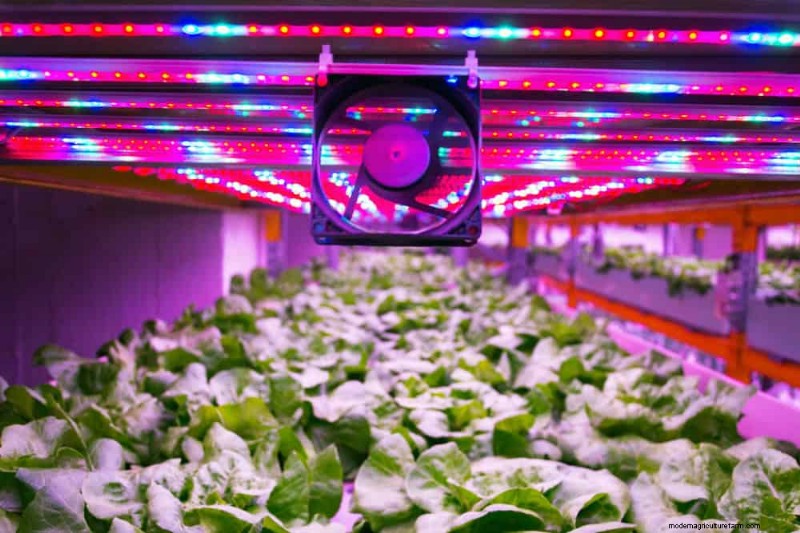
HID fixtures and older LED models generate heat that can raise chamber temperatures. Fans, exhaust systems, or passive airflow keep temperatures within the optimal range and reduce the risk of mold or pest problems.
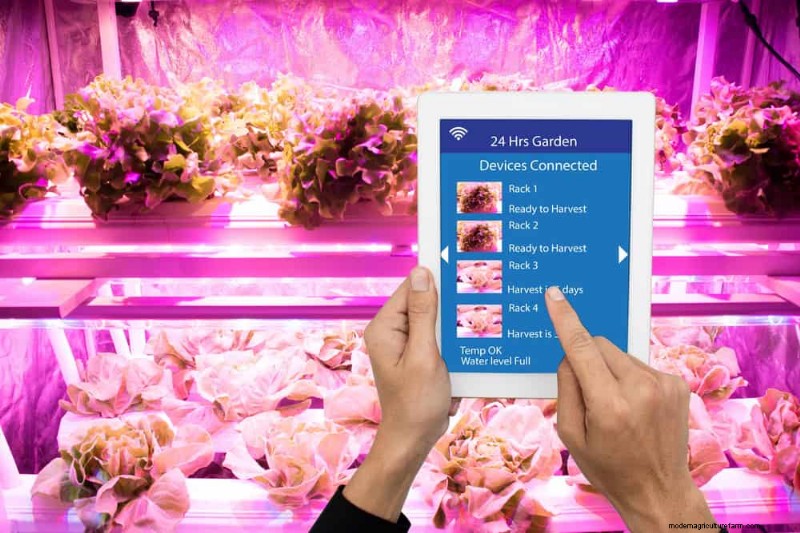
Automation simplifies management. Timers lock in your desired photoperiod, while smart controllers allow remote adjustments and precise intensity control. These tools stabilize the environment and save time.
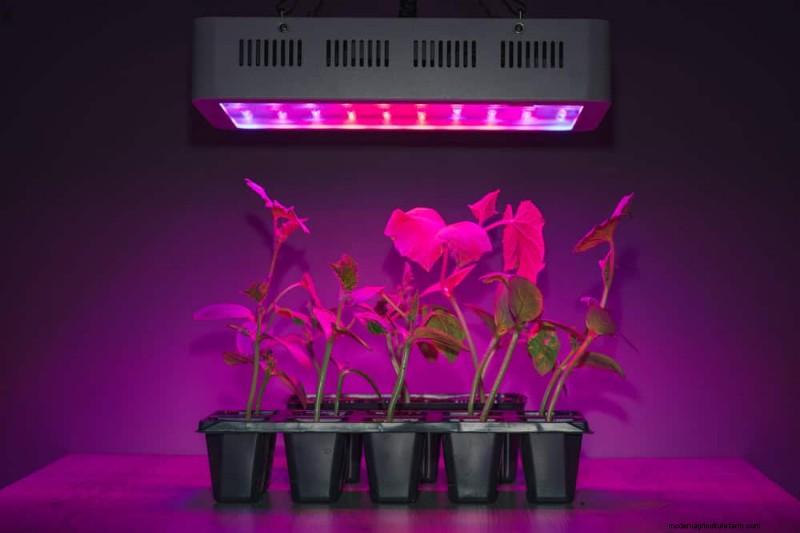
A PAR meter records photosynthetically active radiation (PAR) in micromoles per square meter per second. This metric guides light placement and confirms that plants receive the intensity needed for each developmental phase.
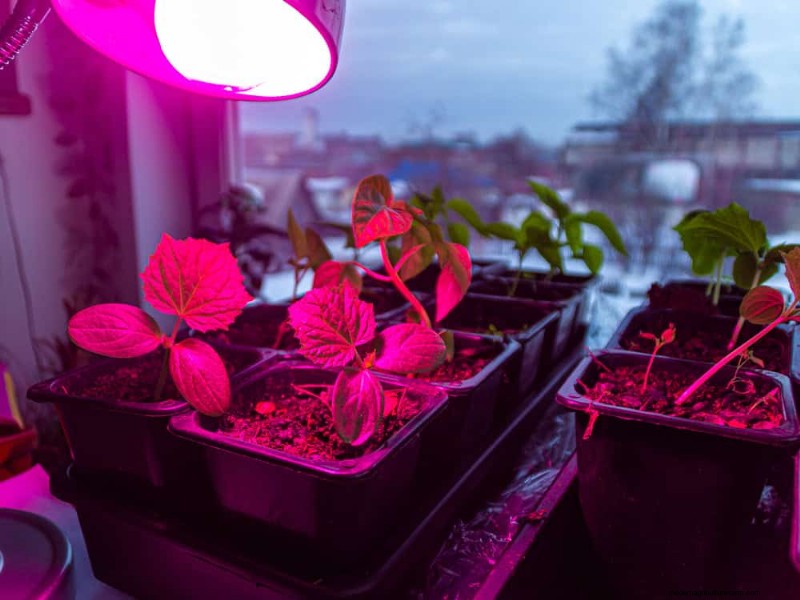
Supplementing indoor grow lights with daylight reduces energy consumption and creates a more natural photoperiod. Positioning your grow area near a window captures sunlight, while artificial lights fill in gaps during shorter days.
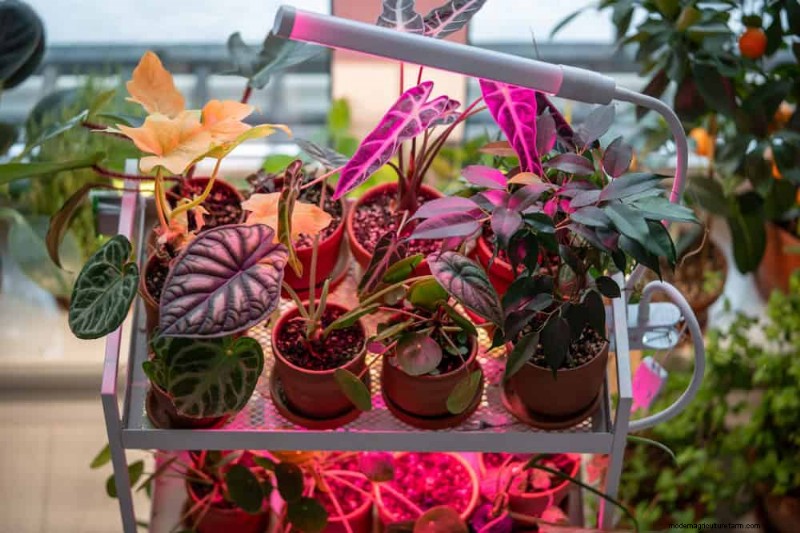
Some species flourish under extended light, whereas others require longer dark periods for rest. For example, flowering plants often need a strict 12‑hour light cycle to bloom. Experimenting with timing helps you fine‑tune growth.
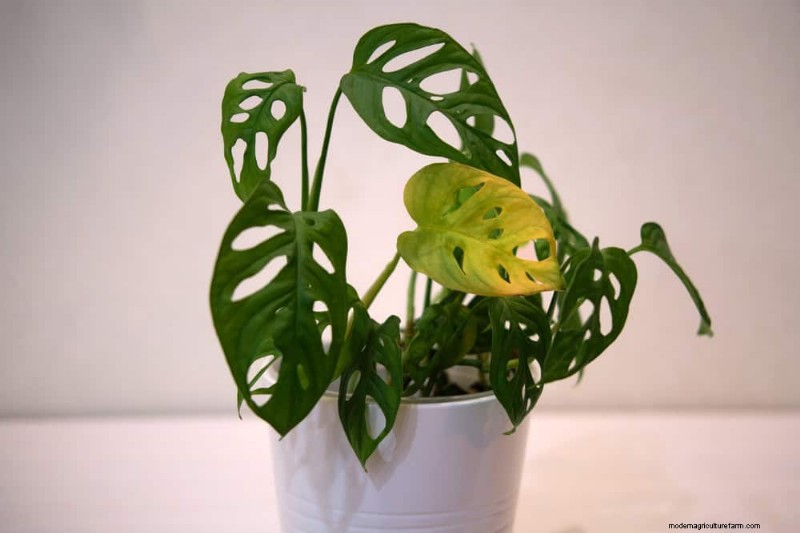
Signs such as yellowing, scorched edges, or stunted growth signal improper lighting. Promptly adjusting intensity, spectrum, or duration restores plant health and productivity.
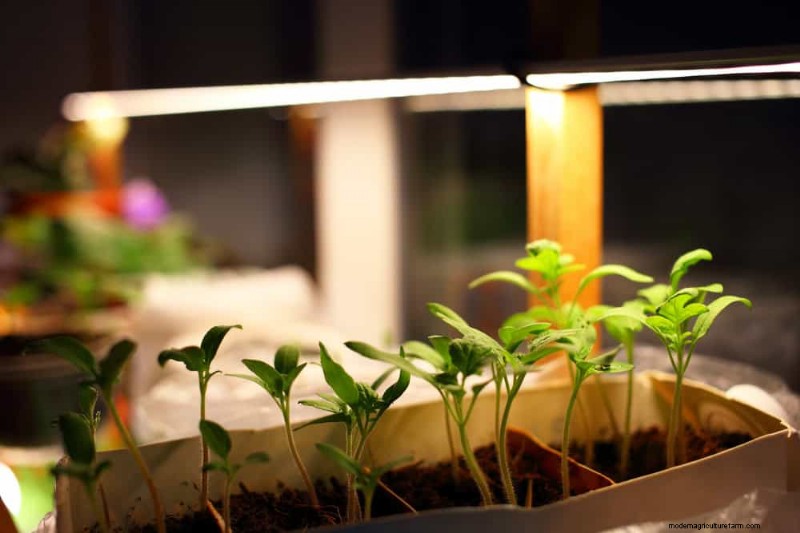
Choosing LEDs and reflective materials reduces power demand. Grouping plants with similar light requirements limits the number of fixtures needed, further cutting energy costs.
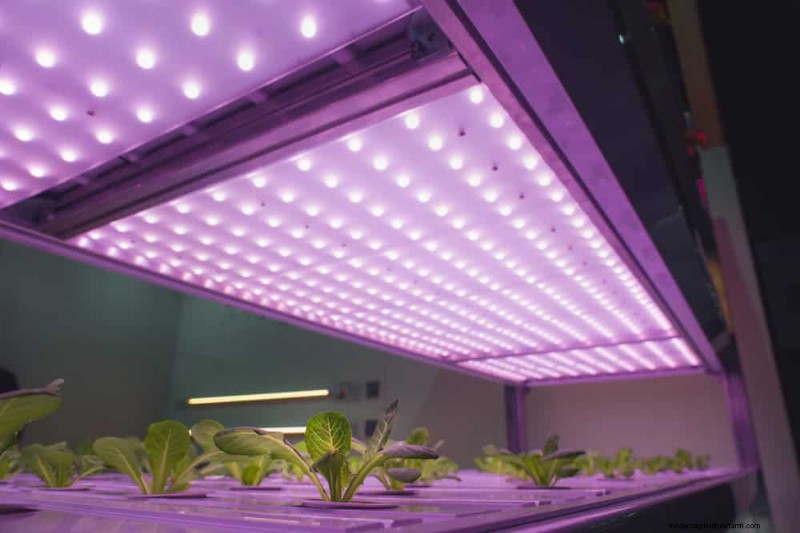
Dust buildup diminishes light output. Clean fixtures regularly and replace bulbs once their brightness declines. Proper maintenance extends equipment life and preserves consistent illumination.
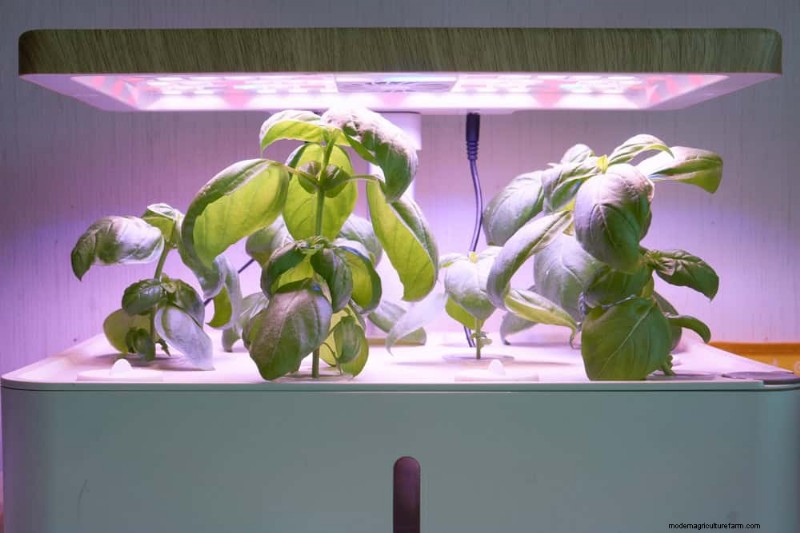
Indoor grow systems evolve with experience. Periodically review plant performance, experiment with new tools, and adjust protocols. Iterative improvement leads to higher yields and healthier plants.
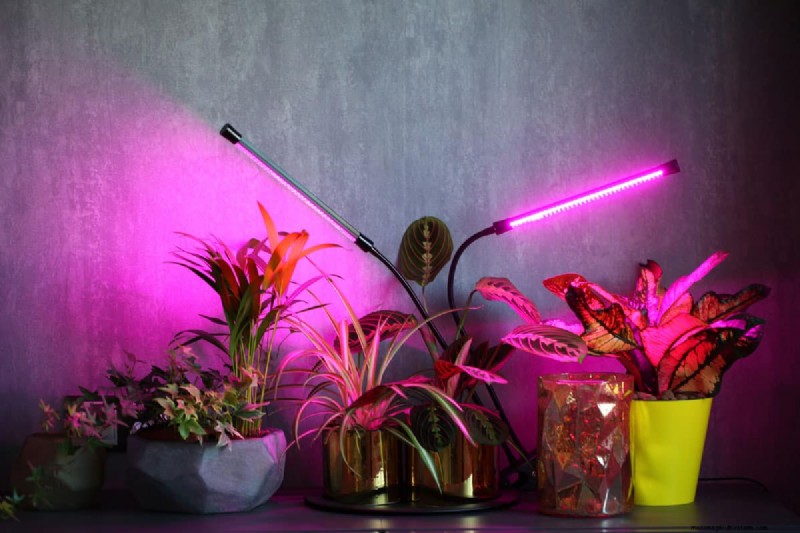
Follow these steps to build a successful indoor garden:
With these fundamentals, you’ll create an efficient, thriving indoor garden that yields abundant, healthy plants.
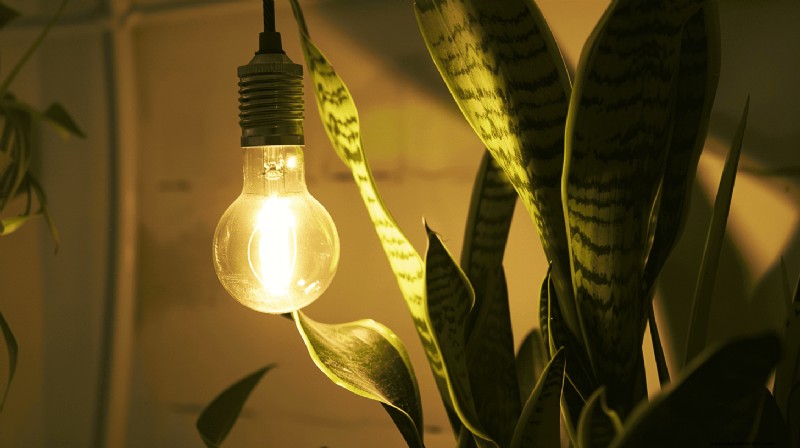
Mastering artificial lighting unlocks limitless indoor gardening possibilities. By aligning plant needs with a tailored setup, you cultivate a flourishing environment all year round. Whether you’re a seasoned grower or a beginner, these evidence‑based tips provide a solid foundation for success. Keep experimenting, stay curious, and let your plants thrive.
Written by
Shane Desuasido
Shane Desuasido is a seasoned content and copywriter with over a decade of experience in technical writing for the gardening industry. With a background in e‑commerce and social media management, she brings a unique blend of marketing insight and horticultural expertise to her work. Passionate about animal welfare and environmental sustainability, Shane advocates eco‑friendly gardening practices that protect ecosystems while boosting plant health.
Meet the GardenTabs team →

Editorial oversight
GardenTabs content is reviewed by Steve Snedeker, a seasoned gardener with decades of hands‑on experience in landscaping and horticulture.


