Welcome to Modern Agriculture!

 Shutterstock\n
New Year’s celebrations often leave us with a beautiful array of gifted plants that brighten our homes and symbolize fresh beginnings. These vibrant companions, however, can wilt in the weeks that follow. Don’t worry—follow these expert‑approved steps to keep your New Year’s plant gifts thriving well beyond January.
\n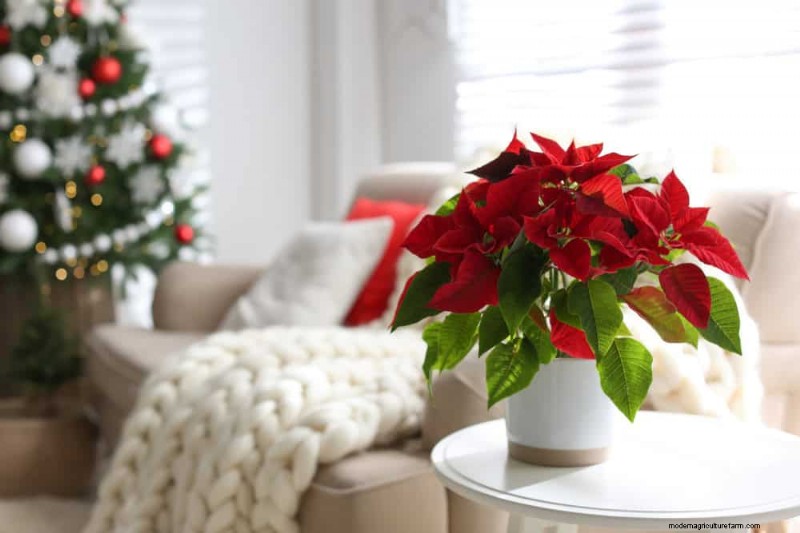 Shutterstock\n
Every species has its own set of light, water, and nutrient requirements. Take a moment to research each plant’s mandate—poinsettias crave bright but indirect light, succulents demand direct sun, ferns thrive in shaded, humid corners, and orchids need bright, filtered light. Armed with this knowledge, you’ll be equipped to tailor care that nurtures rather than stresses your greenery.
\nSave this article & also instantly unlock today’s gardening deals!
\n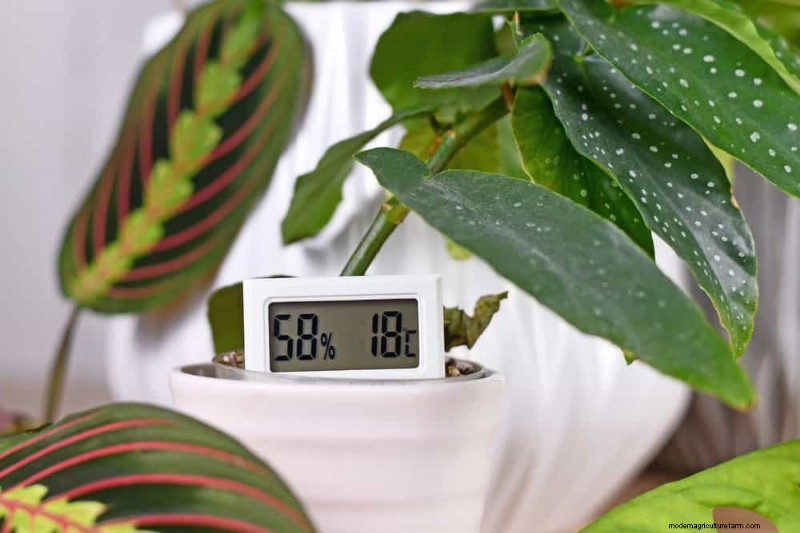 Shutterstock\n
Before adjusting care routines, conduct a quick health audit. Inspect for yellowing or browning leaves, drooping stems, and pest signs such as webbing or sticky residue. Examine the soil texture—overly dry or soggy soil indicates watering missteps. Early detection lets you correct issues before they compromise plant vitality.
\n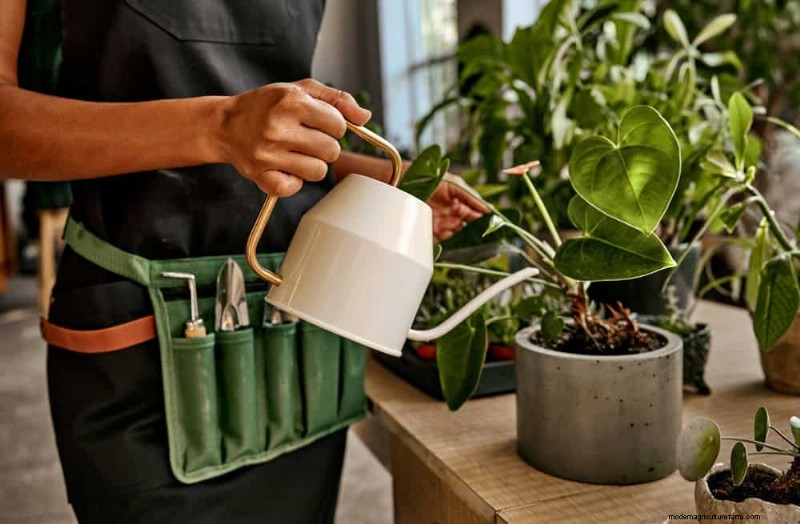 Shutterstock\n
Watering is a common culprit of plant decline. Adopt the “soak‑and‑drain” method: water until moisture exits the drainage holes, then allow the top inch of soil to dry before the next session. Always use pots with drainage to prevent root rot. Adjust frequency to the plant’s growth phase—actively growing plants need more water than those in dormancy.
\n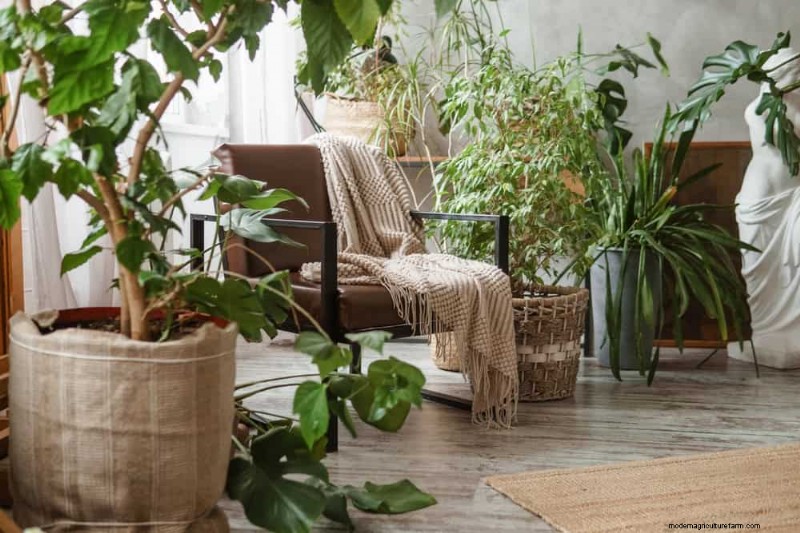 Shutterstock\n
Light is the fuel for photosynthesis. Position each plant in a spot that matches its preference—bright indirect light for ferns and orchids, direct sun for succulents. If natural light is scarce, consider supplemental grow lights. Rotate plants every few days to expose all sides evenly and to spot potential issues early.
\n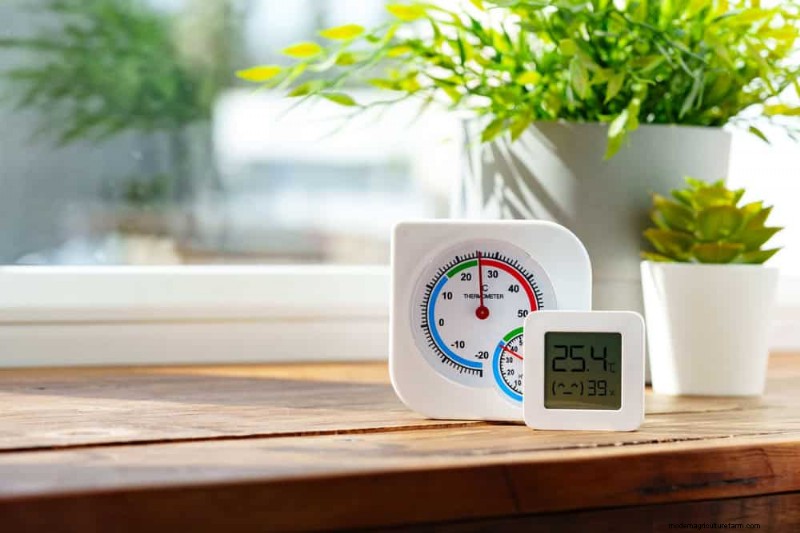 Shutterstock\n
Heating systems can dry out indoor air, stressing tropical species. Raise humidity with frequent misting, a humidifier, or a pebble tray filled with water beneath the pot. These simple measures create a micro‑environment that keeps moisture-loving plants comfortable.
\n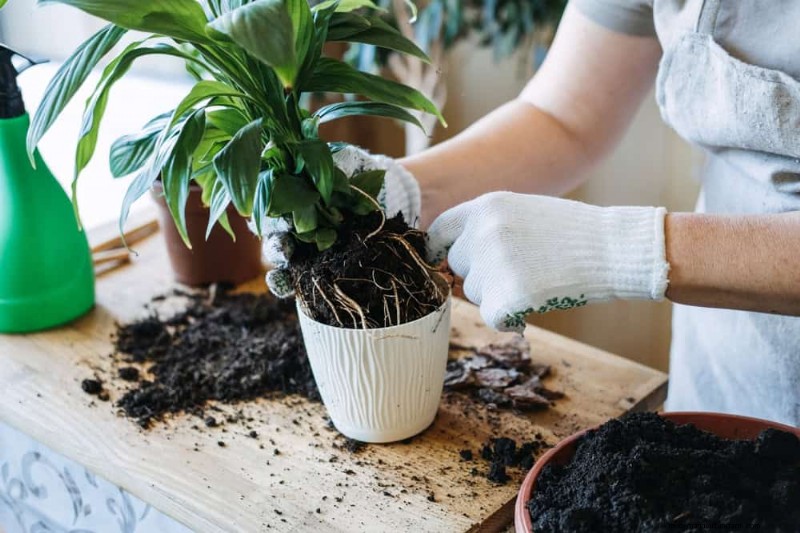 Shutterstock\n
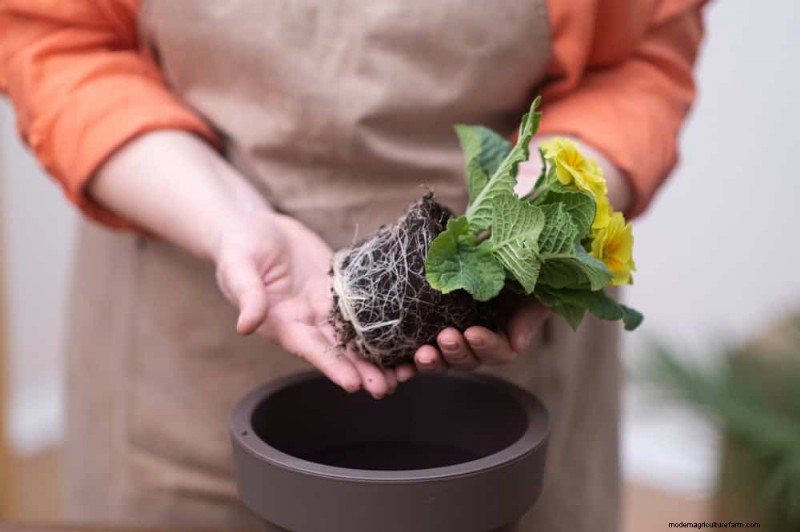
Outgrowing or unsuitable containers can stunt growth. Repot into a pot one size larger, ensuring ample drainage and fresh, nutrient‑rich soil. Gently loosen the root ball to reduce shock, and re‑water after repotting to settle the soil.
\n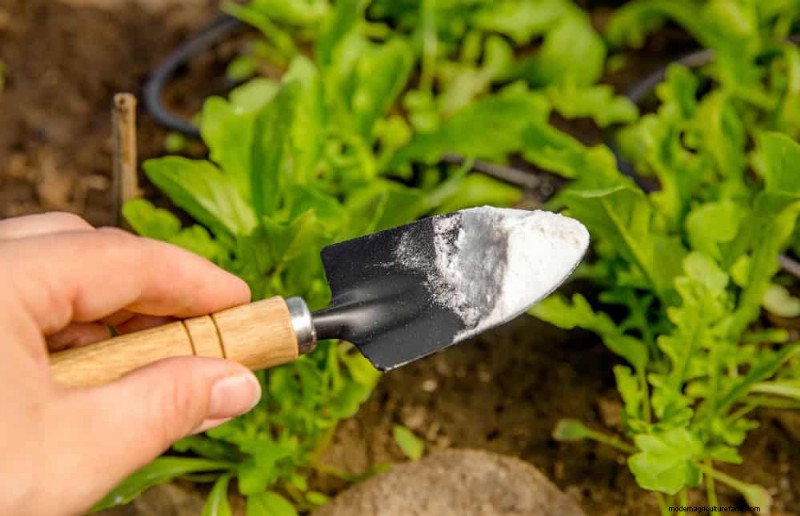 Shutterstock\n
After the holiday sparkle fades, your plants may need a nutrient boost. Select a balanced, slow‑release fertilizer appropriate for the species, and follow the label’s feeding schedule. Over‑fertilization can harm roots; it’s safer to underfeed than to overdo it.
\n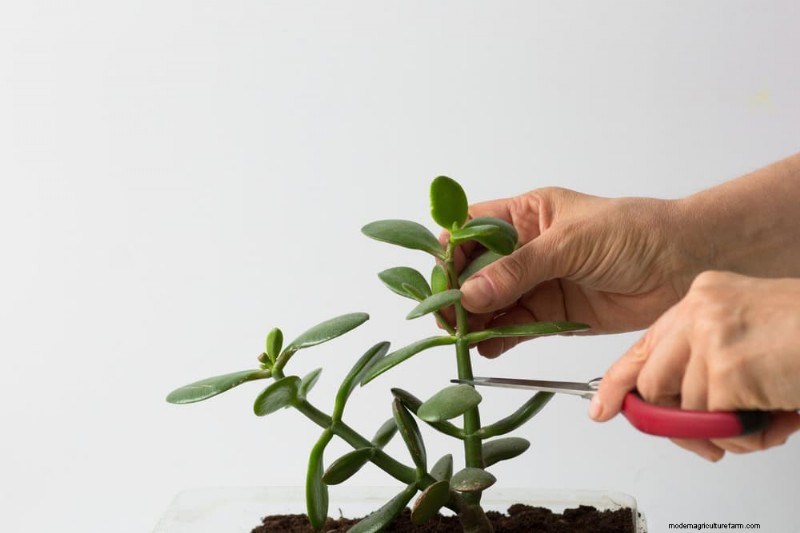 Shutterstock\n
Pruning removes dead or damaged foliage, encouraging healthy growth and preventing disease spread. Use clean, sharp scissors or shears, cutting just above a leaf node. Light, regular pruning keeps plants tidy and promotes vigorous new shoots.
\n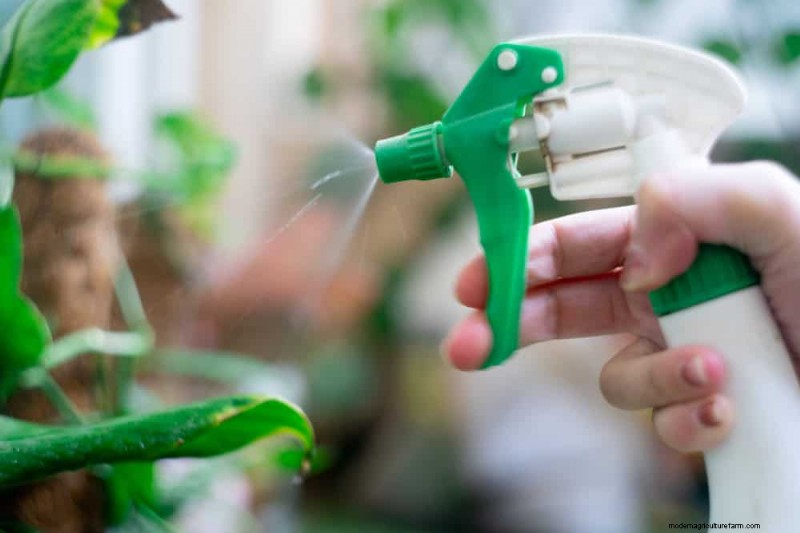 Shutterstock\n
Common house‑plant pests—spider mites, aphids, fungus gnats—can quietly erode plant health. Inspect leaves and stems weekly for webs, sticky residue, or visible insects. Treat infestations promptly with insecticidal soap or neem oil, and quarantine any affected plant to protect the rest.
\n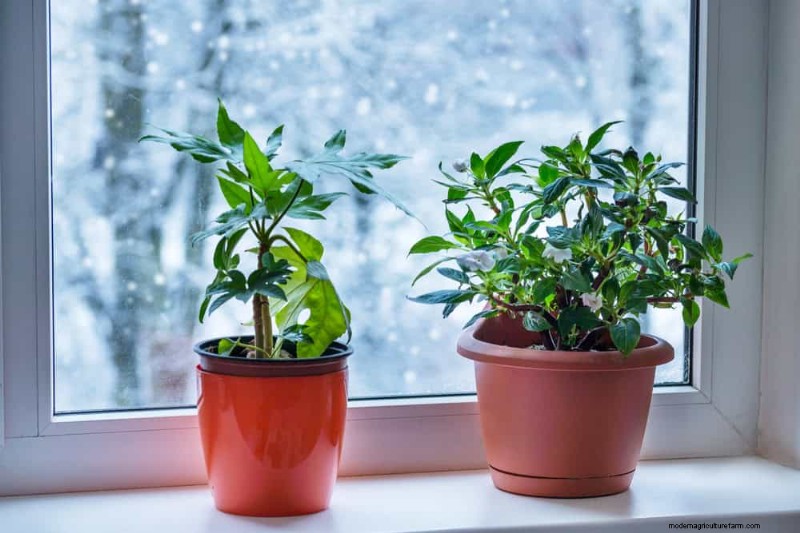 Shutterstock\n
Plants naturally grow toward light, which can create an unbalanced silhouette. Rotate each pot every few days to ensure even exposure and balanced growth. This practice also offers a chance to conduct a quick health check for pests or discoloration.
\n Shutterstock\n
Consistency is the cornerstone of successful plant care. Set up a calendar or mobile reminder for watering, fertilizing, and inspection tasks. A structured routine eliminates neglect and allows you to spot subtle changes in plant condition early.
\n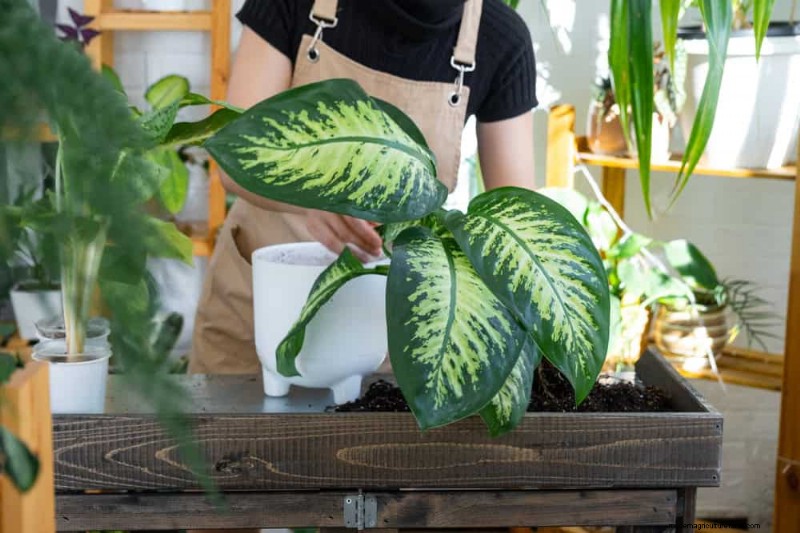 Shutterstock\n
With a solid understanding of each plant’s needs, a routine in place, and proactive measures—proper watering, light, humidity, and pest control—you can keep your New Year’s plant gifts healthy for months to come. A little patience and diligence will turn your home into a year‑round green sanctuary.
\nWritten by
\nSamantha Flores
\nSamantha is a leading team member at GardenTabs, where she specializes in houseplants. Her passion for nurturing greenery and sharing practical care tips helps readers create thriving indoor gardens.
\nMeet the GardenTabs team →
\n \n
\nEditorial oversight
\nGardenTabs content is reviewed by Steve Snedeker, a seasoned gardener with decades of hands‑on landscaping experience.
\n