
Welcome to Modern Agriculture!

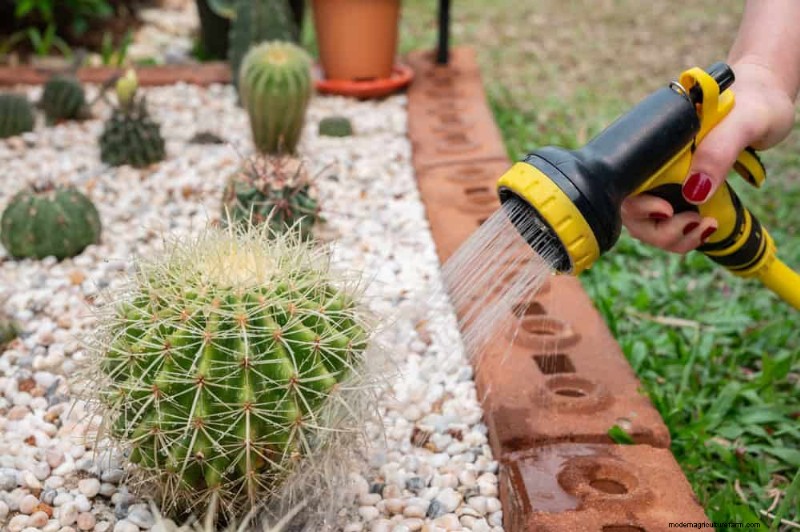
Dry heat can cause even the most resilient plants to wilt and fade. Whether you’re tending to indoor houseplants or outdoor landscapes, the right care routine can keep your greenery thriving. Below are seven evidence‑based solutions that experts recommend for combating the damaging effects of arid conditions.
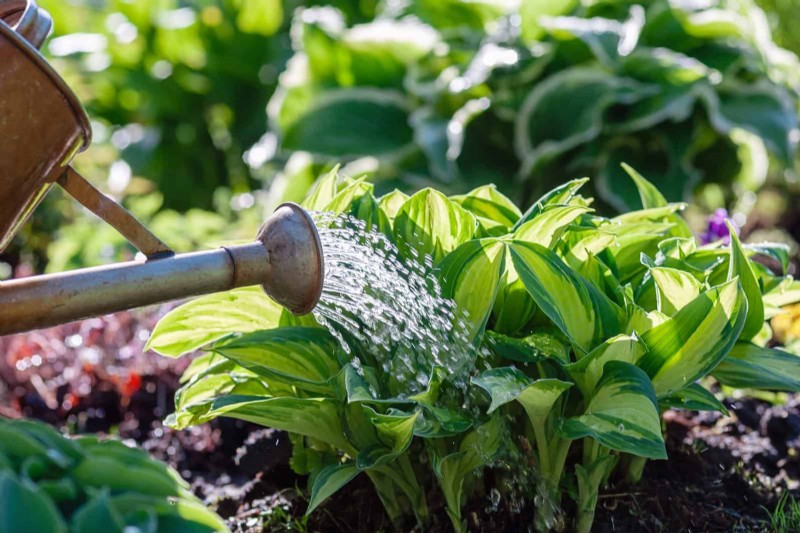
Water during the cooler hours—early morning or late evening—to reduce evaporation and let roots absorb moisture efficiently. For outdoor beds, a deep soak once or twice a week promotes deeper root growth, preparing plants for future dry spells.
Use your finger or a digital moisture meter to gauge soil dampness before adding water. This practice prevents overwatering, which can cause root rot, and helps establish a predictable hydration schedule that boosts heat resilience.
Save this article & unlock today’s gardening deals instantly!
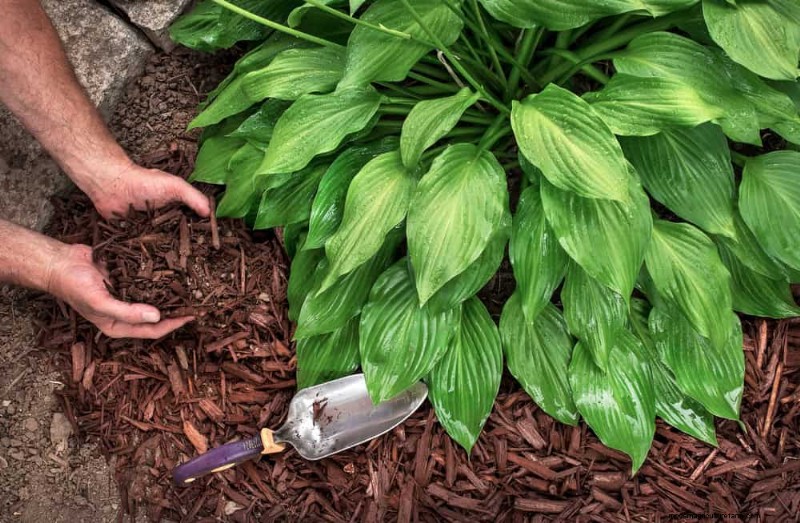
Apply a 2–3 inch layer of organic mulch—such as bark, straw, or compost—around the base of outdoor plants. Mulch conserves soil moisture, moderates temperature, and reduces erosion, keeping essential nutrients in place.
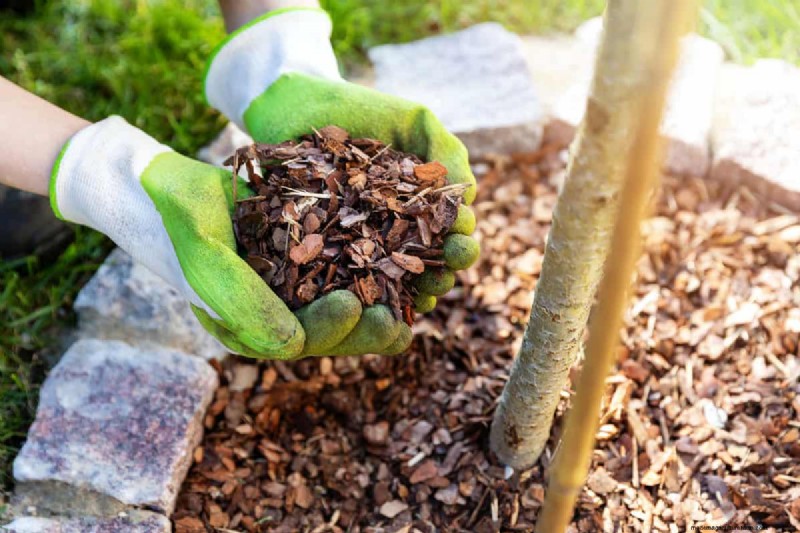
Keep mulch a few inches from stems to avoid fungal issues, refresh it seasonally, and use it to suppress weeds that compete for water.
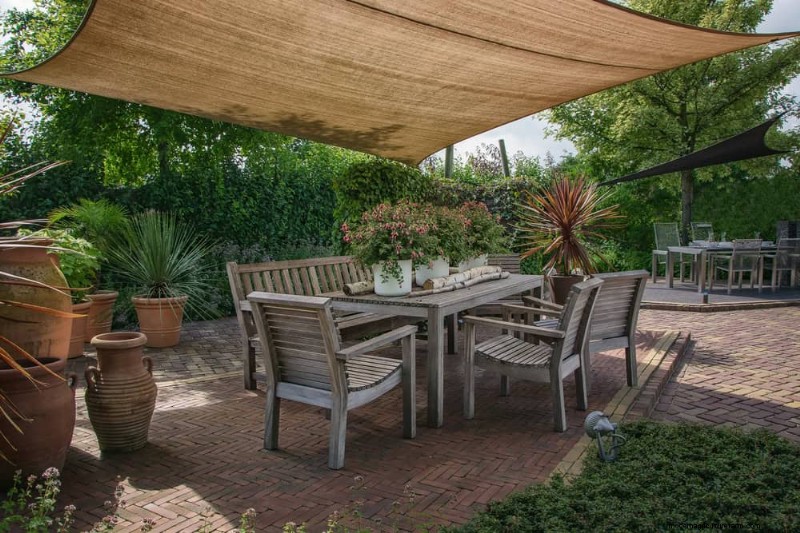
Deploy shade cloths or umbrellas over sun‑scorched plants to reduce heat stress and prevent leaf scorch. For houseplants, move them to a cooler, indirect‑light area, acclimating gradually to avoid shock.
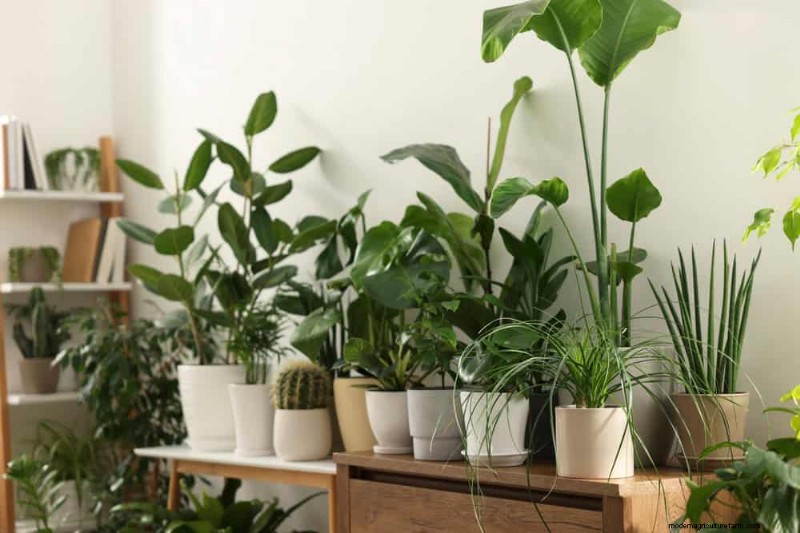
Transition indoor plants slowly to cooler spots, giving them a few hours a day in the new location before permanent relocation. Monitor their response to ensure the light meets their needs.
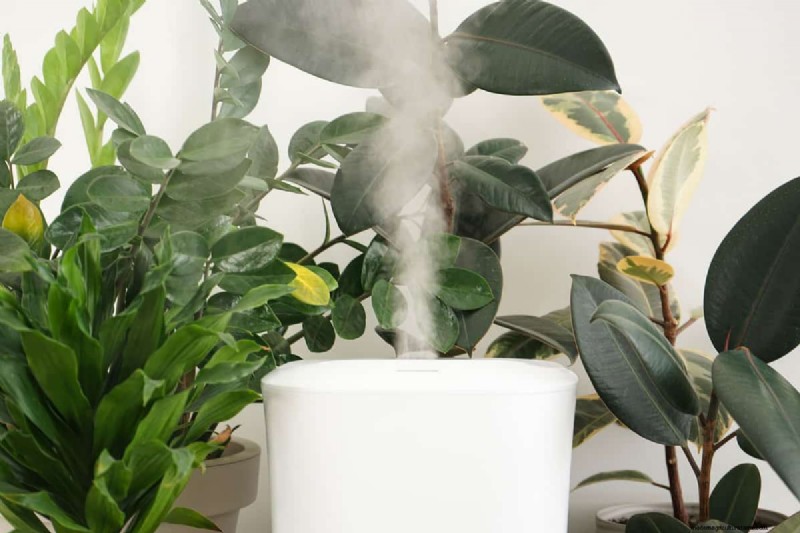
Combat low humidity with misting, humidifiers, pebble trays, or by grouping plants together. A DIY humidifier—such as a damp sponge near a plant—maintains steady moisture without excess water.
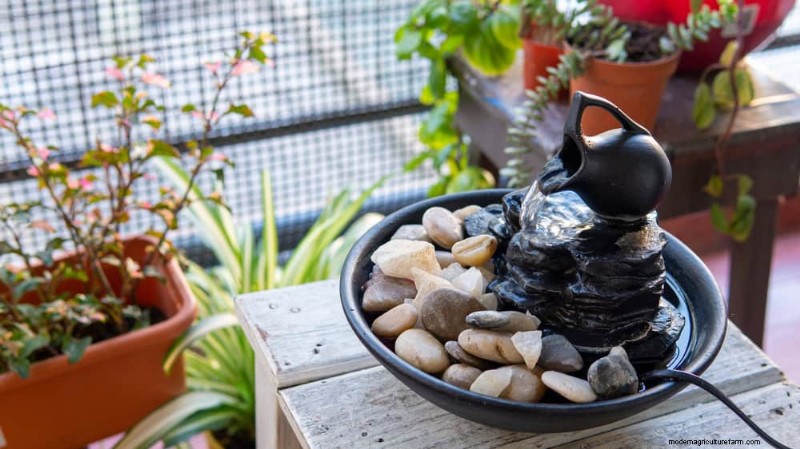
Place a damp sponge or small water container near your plants to keep humidity levels consistent. Clean misting equipment regularly to avoid spreading bacteria or fungi.
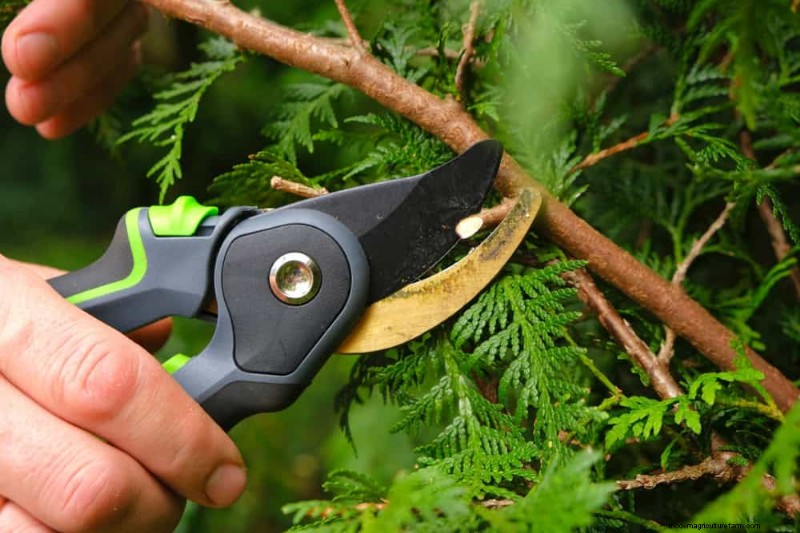
Trim damaged or dead foliage to redirect energy toward healthy growth. Use clean, sharp tools and disinfect them before and after use to reduce disease risk. Light pruning during heatwaves is safer than heavy cutting.
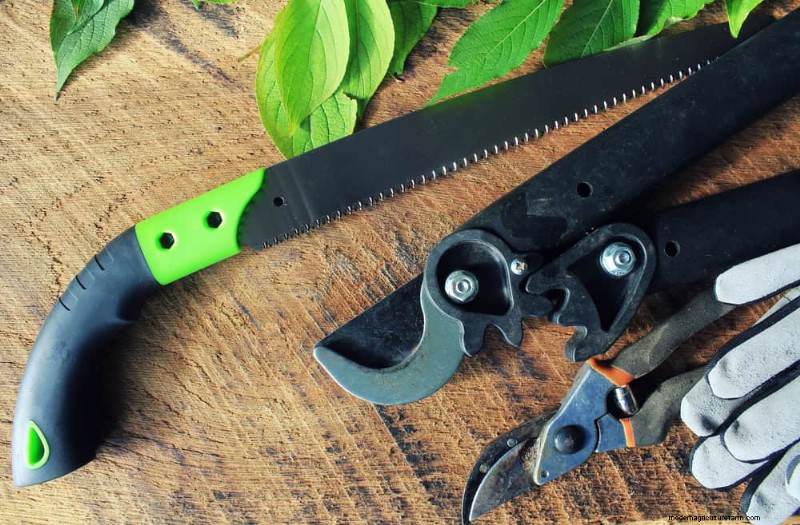
After pruning, watch the plant for signs of recovery and adjust watering or care routines as needed. A mild fertilizer can boost recovery post‑pruning.
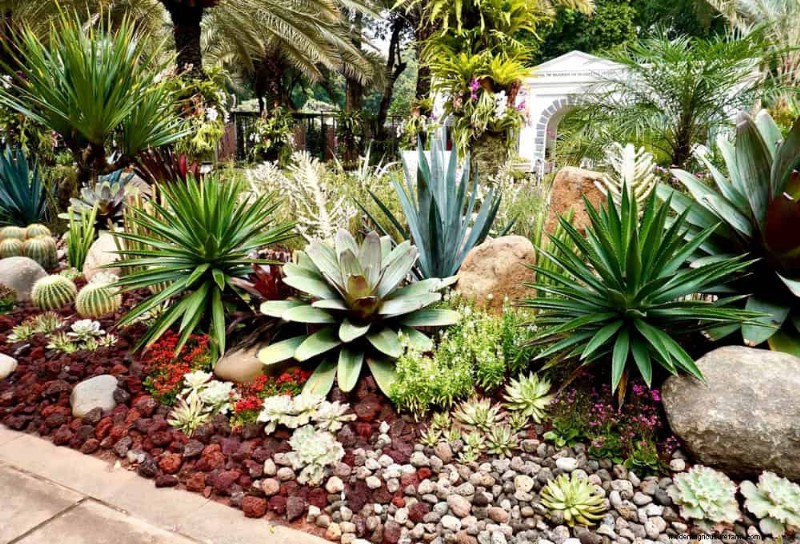
Consider succulents, cacti, lavender, or other xerophytes that thrive in arid climates. Consult local nurseries for climate‑appropriate species and pair them with complementary plants for a cohesive design.
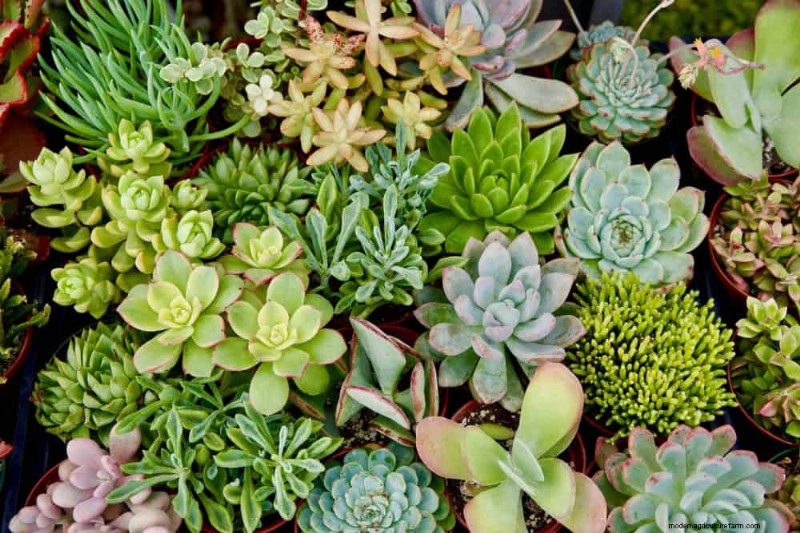
Succulents store water in thick leaves and stems, surviving prolonged droughts. Their minimal water needs and heat tolerance make them low‑maintenance, resilient choices.
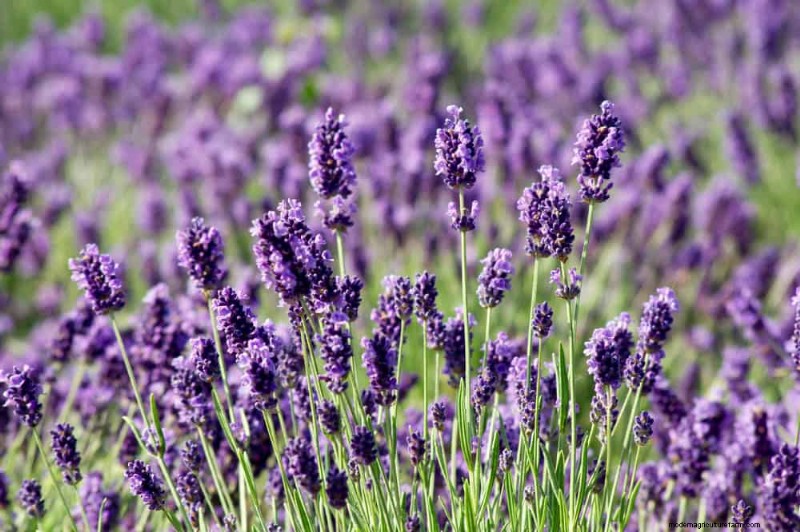
Lavender thrives in well‑drained, dry soils and requires minimal watering once established. Its fragrant blooms add aesthetic value while mandating low care.
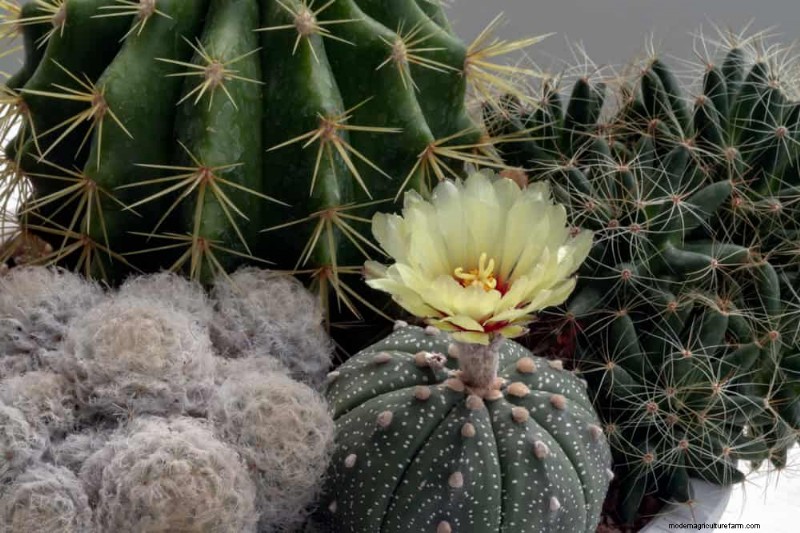
Cacti resist extreme heat and long droughts, storing water in fleshy stems and protecting themselves with spines that reduce airflow and guard against herbivores.
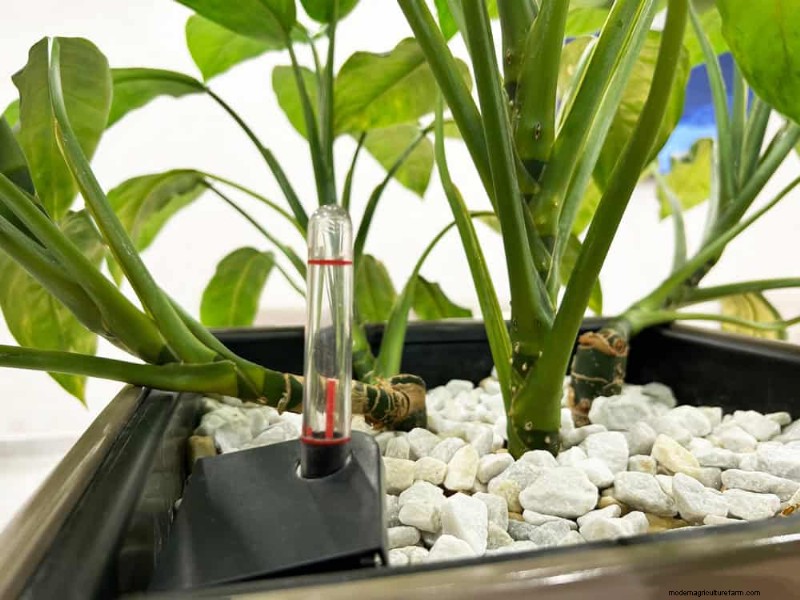
Self‑watering pots or drip irrigation keep moisture steady, eliminating dehydration risks—ideal for busy gardeners or extended heat periods. Proper setup prevents root waterlogging, and routine maintenance keeps the system efficient.
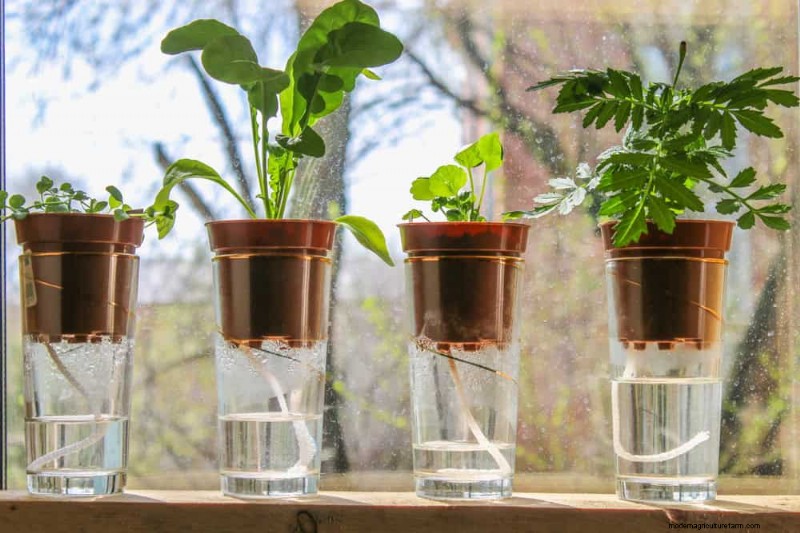
Self‑watering pots deliver moisture directly to roots, reducing both dehydration and overwatering. Their reservoir systems conserve water, supporting eco‑friendly gardening.
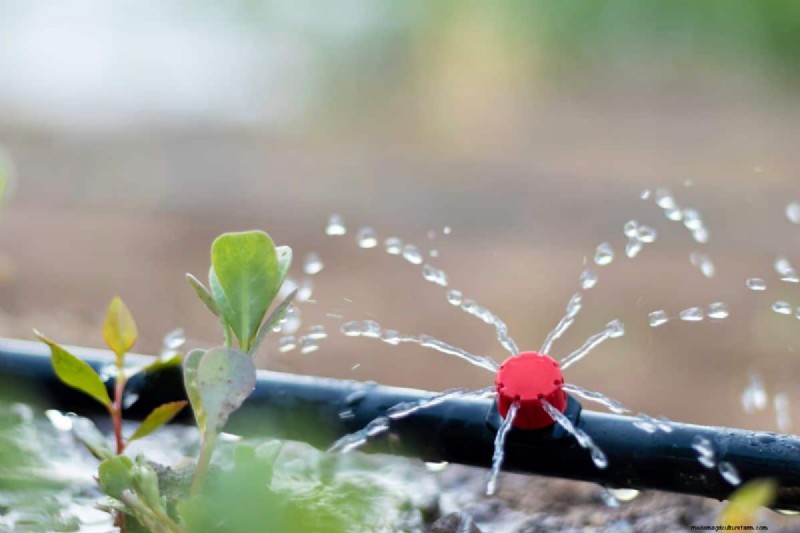
Drip irrigation delivers water at the base of plants, minimizing evaporation and runoff. It is highly efficient, customizable, and perfect for mandating moisture during heat spells.

Dry heat doesn’t obligate doom. By integrating these expert‑backed solutions—timed watering, mulching, shade, humidity control, pruning, drought‑tolerant selection, self‑watering—your garden can not only survive but flourish.
Written by Shane Desuasido
Shane Desuasido is a seasoned copywriter with over a decade of experience covering gardening, technical writing, e‑commerce, and social media. She champions eco‑friendly practices and sustainable gardening solutions.
Meet the GardenTabs team →

Editorial oversight
GardenTabs content is reviewed by Steve Snedeker, a veteran gardener with decades of hands‑on landscaping expertise.


