Welcome to Modern Agriculture!

 Shutterstock
Transporting houseplants during winter can be a delicate task. Cold temperatures, dry air, and rough handling threaten even the hardiest greenery. This guide provides evidence‑based, expert‑backed strategies to ensure your plants arrive undamaged and ready to thrive, no matter how harsh the weather.
 Shutterstock
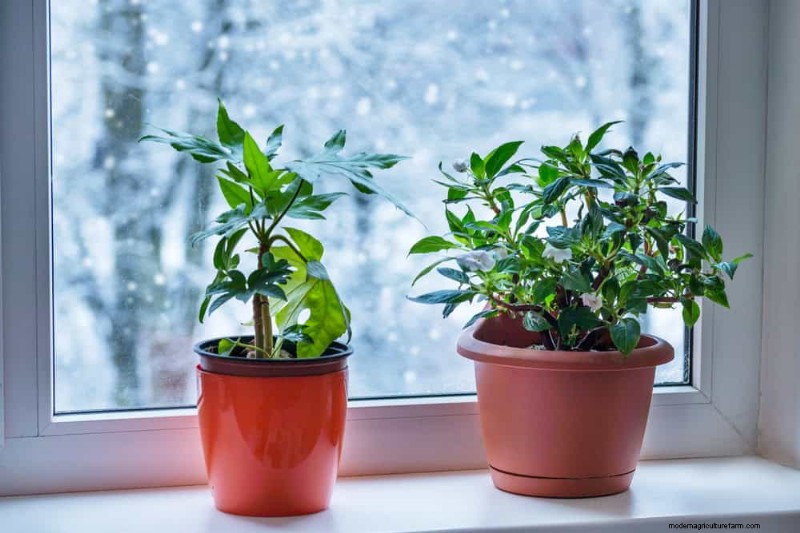
Houseplants are vulnerable to frostbite, dehydration, and sudden temperature swings. Even brief exposure to sub‑freezing air can cause leaf scorch or root damage. Research each plant’s cold tolerance—tropical species are especially sensitive—and plan to act quickly if temperatures drop. This knowledge is the foundation of a successful move.
Save this article & instantly unlock today’s gardening deals!
 Shutterstock
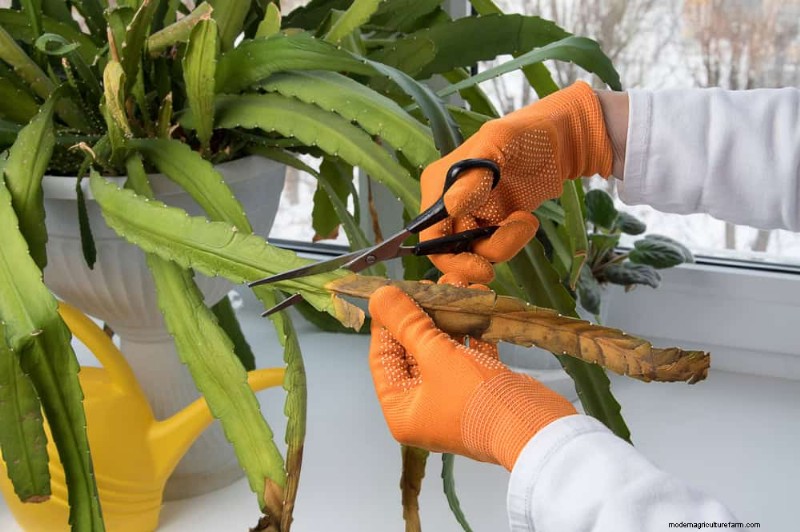
Trim dead leaves and stems to reduce stress. Water lightly one day before the move to keep the soil moist but not saturated—wet soil can freeze and damage roots. Wrap pots in plastic bags to prevent spills, and check for pests that could spread during transit. Label each pot clearly if you’re moving multiple varieties.
 Shutterstock
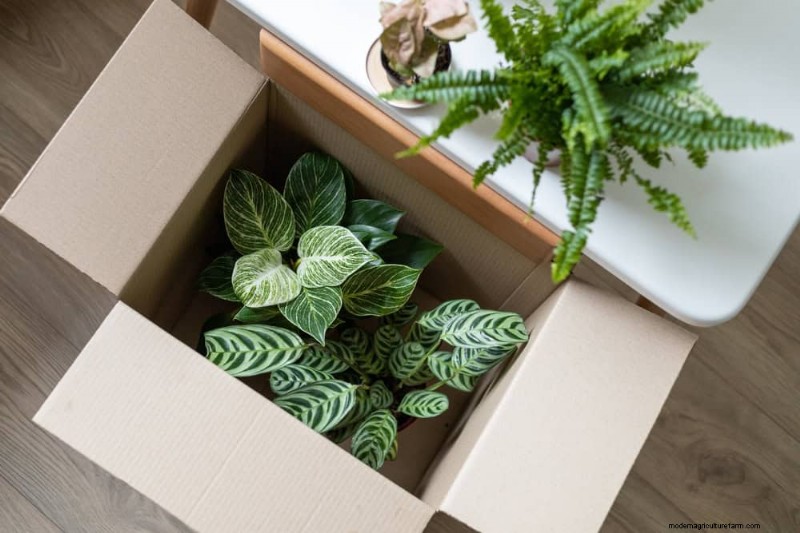
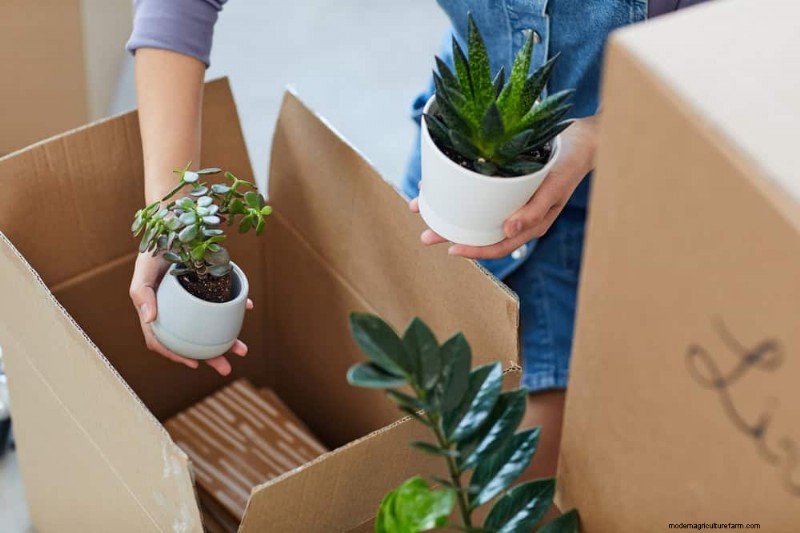
Use sturdy boxes or carriers that are slightly larger than the pots to allow for insulation. Space plants to avoid contact damage, and pad with newspaper or bubble wrap. Secure containers to prevent tipping, and choose breathable materials to avoid excess moisture buildup.
 Midjourney
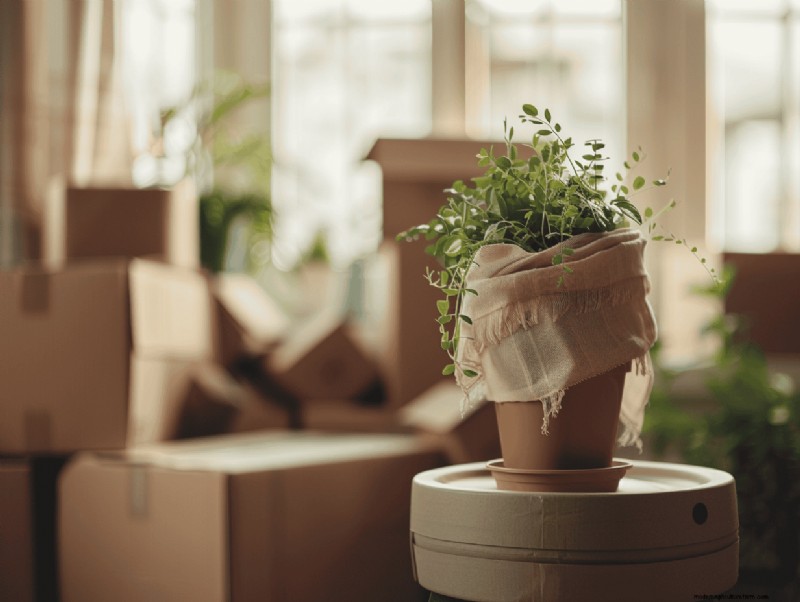
Wrap plants in lightweight fabric such as old sheets or towels to shield them from wind chill. For smaller specimens, a plastic bag can create a temporary greenhouse effect—just ensure it doesn’t touch the leaves directly. Check the wrap frequently during transit.
 Midjourney
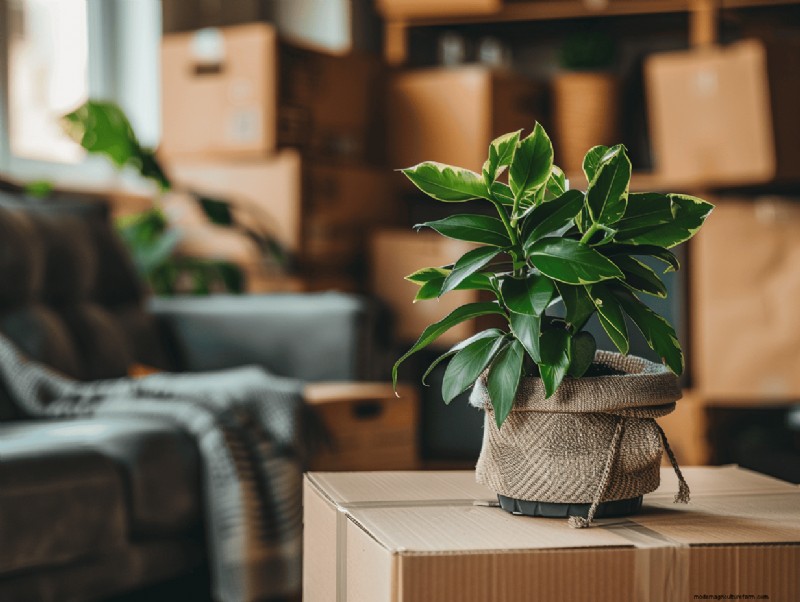
Apply an extra layer of bubble wrap around each pot for additional thermal protection. Secure the wrap with tape to prevent shifting, especially on uneven roads or during stops.
 Shutterstock
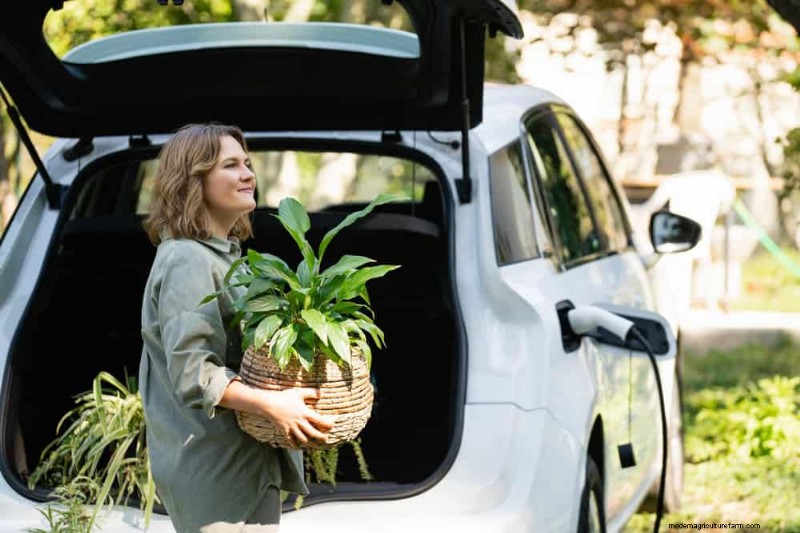
Schedule the move during the warmest part of the day and avoid snowstorms or high winds. A single hour of better weather can dramatically reduce cold exposure. Have a backup plan and be ready to delay if conditions deteriorate.
 Shutterstock
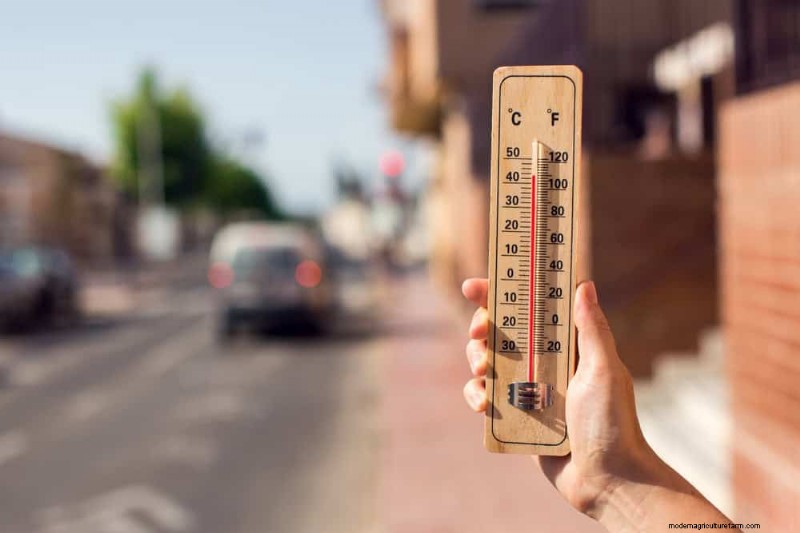
Carry a simple thermometer to monitor outdoor temperatures. This tool helps you choose the optimal loading and unloading times and adjust insulation as needed.
 Shutterstock
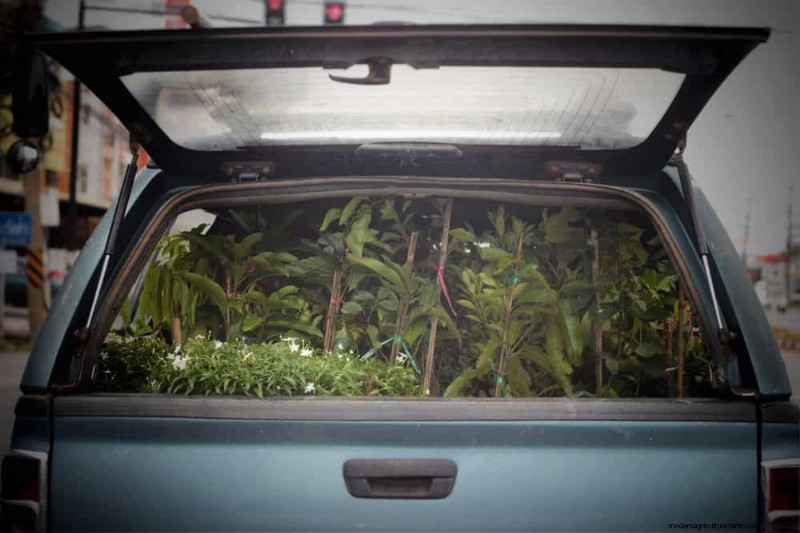
Place a damp towel or sponge inside each container to sustain moisture. For longer trips, consider a portable humidifier or a plastic dome. Lightly mist plants with a spray bottle before sealing containers, and check moisture levels regularly.
 Shutterstock
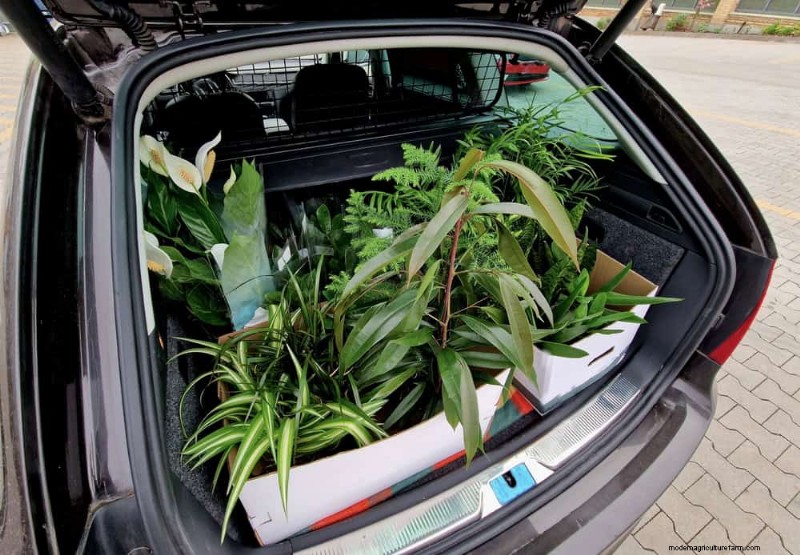
Use straps or additional padding to keep pots stationary. Position larger plants on the floor and avoid stacking. Test stability before departure to ensure minimal movement during the drive.
 Shutterstock
Warm the vehicle before loading. Keep plants away from direct heat vents to avoid drying out. Use a thermometer to monitor interior temperatures, and keep windows closed for a consistent climate.
 Midjourney
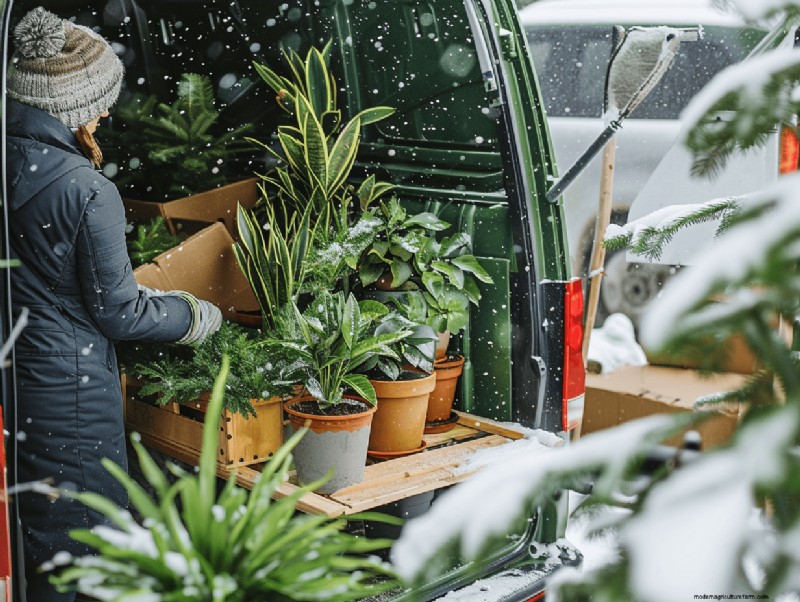
Prepare the vehicle before bringing plants outside, and unload them promptly upon arrival. Keep doors closed as much as possible and consider blankets or a portable heater at the loading area to reduce cold drafts.
 Midjourney
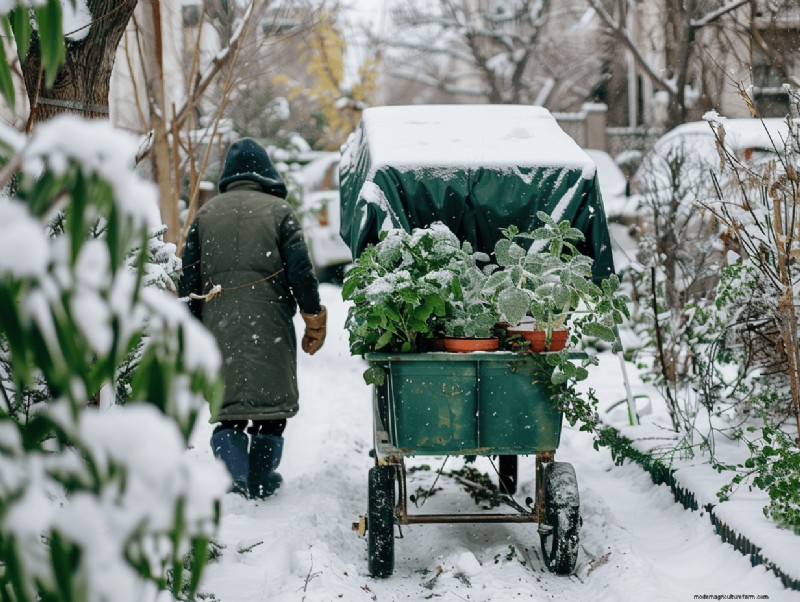
For short outdoor moves, a covered cart or box offers wind protection and added stability. Use padded liners to further protect against scratches or bruising.
 Shutterstock
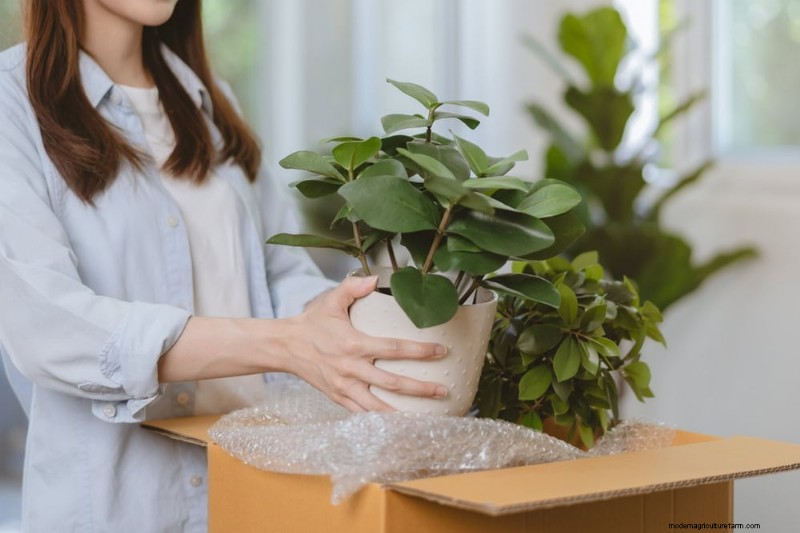
Unpack immediately, inspecting for damage. Gradually acclimate plants to indoor temperatures by placing them in a cooler room before moving to their permanent spot. Water if the soil feels dry, and monitor for stress indicators over the next few days. Adjust light and humidity levels slowly to avoid shock.
 Midjourney
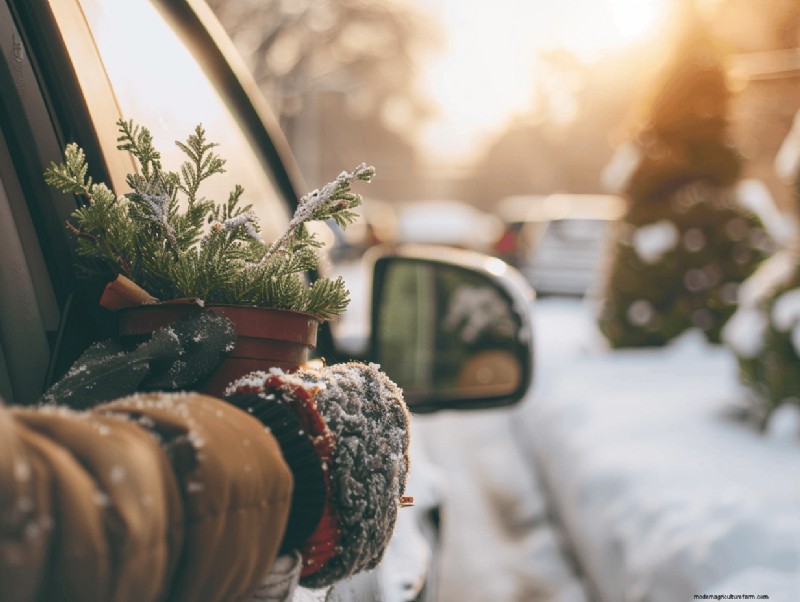
With careful planning, the right preparation, and attentive care during and after the move, your houseplants can thrive through winter. Tailor these strategies to each species’ unique needs, and enjoy a vibrant indoor garden all season long.
Written by
Shane Desuasido
Shane Desuasido is a content and copywriter with over 10 years of experience in writing about various topics, including her specialization in technical writing for the gardening industry. Her background in e‑commerce and social media management complements her expertise in crafting engaging and informative content. Shane is also a passionate advocate for animal welfare and environmental sustainability, and she brings this advocacy to her writing by promoting eco‑friendly and sustainable gardening practices.
Meet the GardenTabs team →

Editorial oversight
GardenTabs content is reviewed by Steve Snedeker, a seasoned gardener with decades of hands‑on landscaping experience.