Welcome to Modern Agriculture!

Escallonia, a group of about 50 evergreen shrubs and small trees, thrives in salt‑sprayed coastal environments and brightens gardens with its glossy dark‑green foliage and funnel‑shaped flowers that range from white to deep red.
Gardeners often wonder whether Escallonia’s root system can become invasive, especially when planning a coastal or sun‑lit garden.
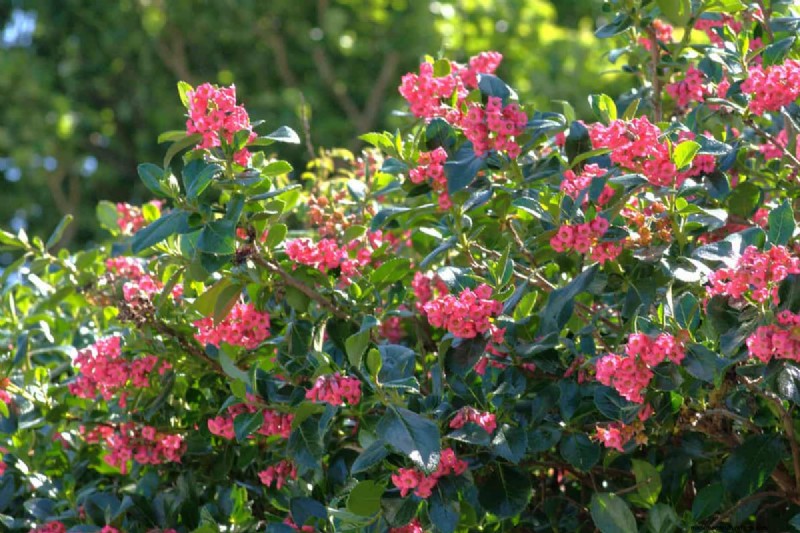
This article examines Escallonia’s root behavior, its overall growth habits, and practical steps to keep it both beautiful and manageable.
Learn how to cultivate a healthy, non‑invasive Escallonia that complements your landscape.
With about 50 species, Escallonia offers a diverse palette of evergreen shrubs and small trees that are prized for their resilience to salt spray, drought tolerance, and striking blooms.
Their leaves are typically glossy and dark green, providing a lush backdrop for the bright, bell‑shaped flowers that attract pollinators.
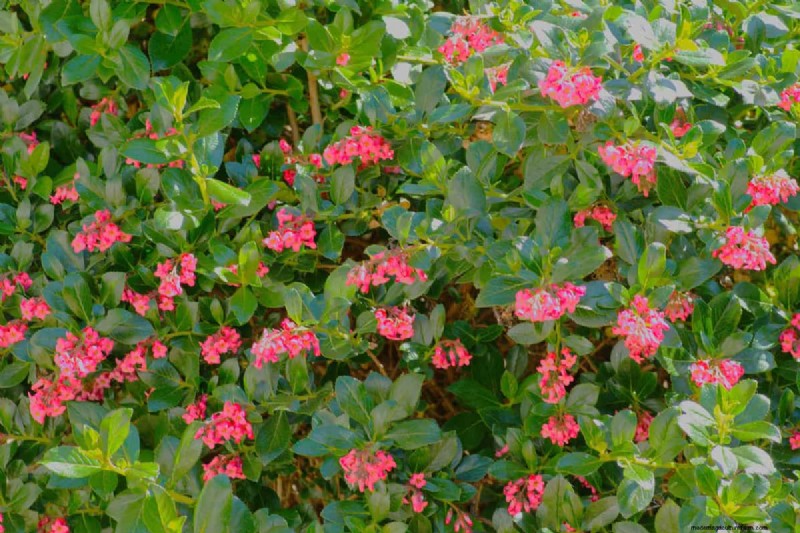
Escallonia excels as a hedge or screen plant, performing well in full sun and, when needed, partial shade in hotter climates.
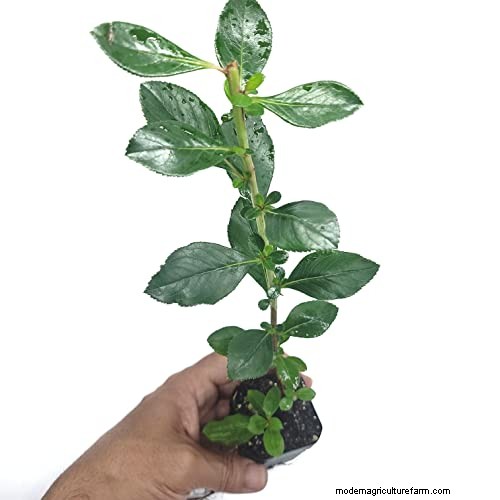
Get this Escallonia live plant on Amazon.
Save this article and instantly unlock today's gardening deals!
Escallonia is not associated with invasive root systems. This means you can plant it near structures and other plants without significant risk of root damage.
Nonetheless, always verify the specific species or cultivar you’re working with, as growth habits can vary slightly.
Proper placement is key: maintain adequate spacing from walls, foundations, and neighboring plants.
While Escallonia prefers regular watering, its roots can expand in search of moisture if drought conditions persist. A consistent watering schedule helps prevent unintended root encroachment.
Although Escallonia’s roots are non‑invasive, the plant can reach considerable size. Effective management ensures it remains a garden asset rather than a nuisance.
Position Escallonia in a location that receives full sun, but offer partial shade during the hottest part of the day in extreme heat.
Escallonia thrives in well‑drained, moderately moist soil. Water consistently during the growing season, especially during establishment.
Once roots are established, the plant is drought tolerant; however, avoid over‑watering, which can lead to root rot.
Monitor soil moisture and water when the top inch feels dry.
Pruning helps maintain size and shape. Trim in early spring before new growth, avoiding frost damage.
Regular, moderate pruning keeps the plant compact without stressing it.
If you encounter unexpected root spread, install a root barrier. Dig a trench around the target area and insert a durable barrier to confine roots.
Escallonia generally enjoys a long lifespan, with many cultivars lasting 20–50 years under proper care. Some reports cite 10–15 years, but attentive maintenance can extend their life.
Longevity depends on species, care, and planting conditions.
Escallonia grows at a moderate rate of 25–45 cm (10–18 in) per year. Rapid growth can be advantageous but often necessitates regular pruning to preserve form.
Escallonia’s non‑invasive roots, combined with its durability and attractive blooms, make it a safe, vibrant addition to any landscape.
Learn more about the root systems of other popular plants:
Does Lilac Have Invasive Roots? Insights For Smart Gardening
Does Rosemary Have Invasive Roots? Understanding Its Growth Pattern
Written by
Shane Desuasido
Shane Desuasido is a seasoned content and copywriter with over a decade of experience in the gardening industry. Her expertise spans technical writing, e‑commerce, and social media, and she champions eco‑friendly, sustainable gardening practices.
Meet the GardenTabs team →

Editorial oversight
GardenTabs content is reviewed by Steve Snedeker, a seasoned gardener with decades of hands‑on landscaping experience.