Welcome to Modern Agriculture!

Forsythia shrubs, prized for their bright yellow blooms and easy maintenance, are a favorite among gardeners. Yet many ask whether their roots can become invasive and threaten nearby plants, structures, or utilities.
Below you’ll find a concise guide to the forsythia root system and practical steps for keeping it under control.
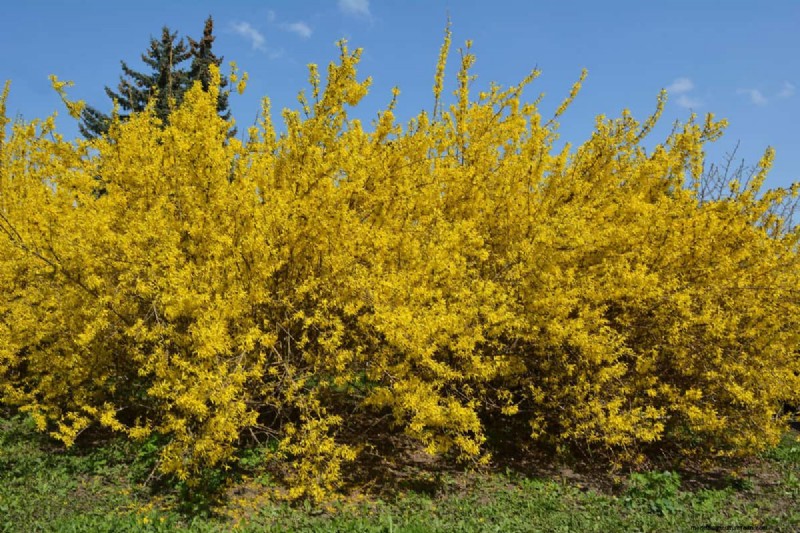
Forsythia is a deciduous shrub that produces early‑spring, golden flowers. Although it is native to Europe and East Asia, it has become a common landscape plant in the United States because of its hardiness and low upkeep.
It is typically planted in groups or used as a screen plant due to its dense growth habit.
Save this article & unlock today’s gardening deals instantly.
While celebrated for its color, the forsythia’s vigorous growth can become problematic if left unchecked. The shrub’s prolific suckering allows it to colonize large areas quickly, potentially crowding out other species.
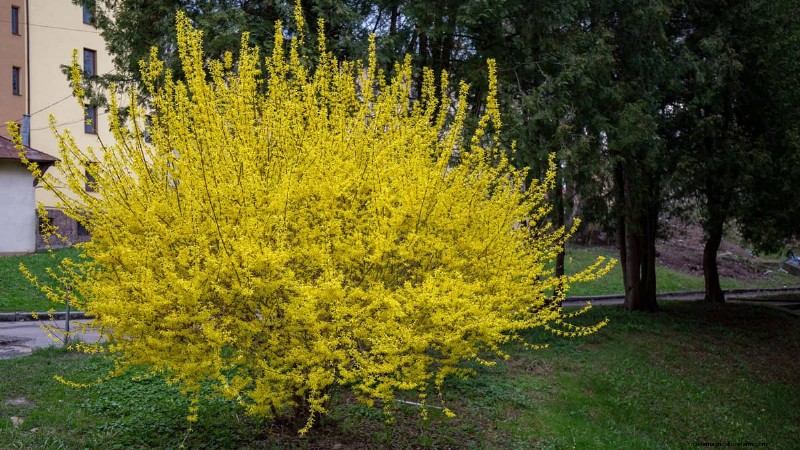
When planted near hard surfaces—such as sidewalks, driveways, or building foundations—its expansive root system can cause surface disruption or damage, especially if the structure already has weaknesses.
Gardeners should therefore monitor and manage the shrub’s spread to keep it from overtaking the landscape.
Forsythia roots are not exceptionally deep. Instead, they form a spreading, lateral network that extends outward from the base of the plant. This ground‑covering system anchors the shrub securely while efficiently capturing nutrients and water.
Although they do not penetrate deeply, the wide spread of the roots still provides strong support for the plant’s growth.
It is best to avoid planting forsythia too close to a house. These shrubs can reach 8–10 feet in height and spread just as wide, depending on the cultivar.
When placing them near a home, allow ample space for mature size or be prepared to prune regularly to keep them in check. While the roots are not very deep, their broad spread can still create pressure on foundations, especially if vulnerabilities exist.
Additionally, tall, dense forsythia can produce large amounts of leaf litter that may clog gutters, so regular maintenance is essential.
Proper pruning also prevents the shrub from blocking windows or walkways.
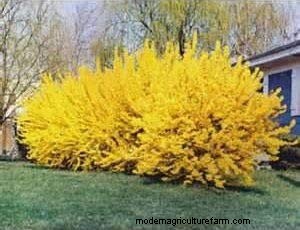
See this plant on Amazon.
Effective management hinges on correct planting and diligent pruning.
Choose a site that offers plenty of space for the shrub’s eventual spread. Dig a hole at least twice the width of the root ball and plant at the same depth it was in its container—or slightly deeper—to avoid root suffocation.
After planting, water regularly but avoid overwatering; excess moisture can encourage unwanted root proliferation.
Regular pruning is key to controlling root expansion. A common approach is to remove roughly one‑third of the oldest branches in the first year, half in the second, and the remaining in the third, following the first‑flush flowering.
Cutting to just above the ground encourages new shoots to emerge from the base, reducing the likelihood of extensive root growth.
By maintaining a steady pruning schedule, you keep the shrub’s root system in check and preserve its health and aesthetic appeal.
Forsythia’s outwardly spreading roots can be classified as invasive, making containment a challenge. However, with mindful placement and proactive maintenance, these shrubs can thrive near homes without compromising structural integrity or outcompeting neighboring plants.
The secret lies in understanding the plant’s nature, selecting appropriate sites, and committing to regular pruning.
Want to learn more about other invasive root systems? Check out our guides on Bougainvillea and Hydrangea.
Shane Desuasido is a seasoned content and copywriter with a decade of experience in gardening and technical writing. Her background in e‑commerce and social media management enhances her ability to craft engaging, fact‑based articles. She champions animal welfare and environmental sustainability, promoting eco‑friendly gardening practices in every piece.
GardenTabs content is reviewed by Steve Snedeker, a seasoned gardener with decades of hands‑on landscaping expertise.