Welcome to Modern Agriculture!

Are you looking for a stunning plant to add color and natural beauty to your garden? If so, Texas Sage is an excellent choice.
Not only does it bring mandarin‑like flowers, but its roots are non‑invasive, making it safe for patios, sidewalks, and plumbing.
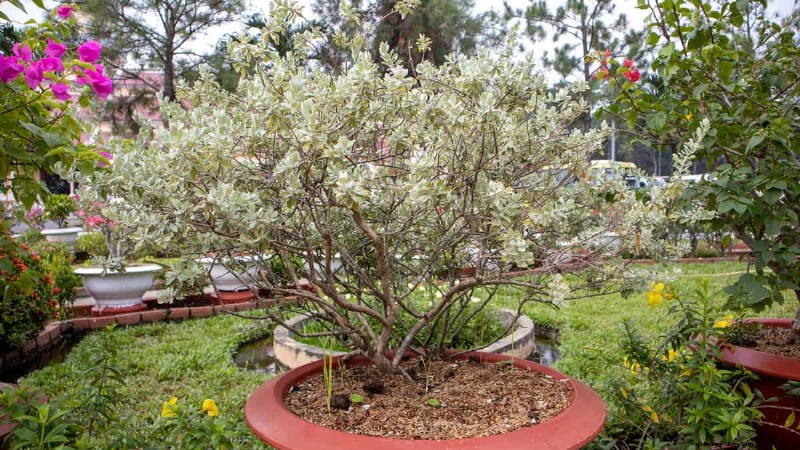
Texas Sage (Leucophyllum frutescens) is a self‑propelled, evergreen shrub native to the southwestern U.S. and northern Mexico. Noted for its mandarin‑like flowers, it is a sought‑after ornamental plant that thrives in dry, limestone soils.
Its brilliant purple, pink, or white blooms appear in summer and fall, attracting bees, butterflies, and hummingbirds.
Growing naturally in the Chihuahuan and Sonoran deserts, Texas Sage is adapted to hot, arid climates. It tolerates extreme heat, drought, and poor soil, making it an ideal choice for gardens in USDA zones 8‑11.
When fully mature, the shrub reaches 6–8 feet in both height and width. It features woody stems, silver‑gray or light‑green leaves with fine hairs, and oval leaves about 1 inch long.
After a rainfall or a rise in humidity, the plant produces showy, tubular flowers about 1 inch long.
Texas Sage is low‑maintenance, requiring minimal water and fertilizer once established. Its roots are non‑invasive, though the plant can spread rapidly if not pruned.
The root system is shallow, extending only a few feet into the ground. While not invasive, it can spread considerably, potentially competing with neighboring plants for space and nutrients. Planting in a container or installing a root barrier can help contain the spread.
As a native species, Texas Sage has minimal impact on local ecosystems. It does not threaten native flora, unlike truly invasive species that can damage the economy, environment, or human health.
Plant each specimen at least 6 feet apart to allow for growth and good air circulation.
Plant in early spring or fall when temperatures are moderate, giving the plant time to establish before the heat of summer.
Ideal in USDA zones 8‑11, with well‑draining soil to prevent root rot.
Water deeply once a week during summer; reduce to every two weeks in winter.
Prune in late winter or early spring to encourage new growth and maintain shape. Use sharp shears and cut at a 45‑degree angle.
Apply a slow‑release fertilizer once a year in spring, following the manufacturer’s instructions to avoid over‑fertilization.
Related posts:
Texas Sage offers a low‑maintenance, drought‑tolerant addition that can elevate any garden with its striking blooms. While it is not invasive, regular pruning and proper spacing are essential to keep it from overtaking surrounding plants.
For further insights into plant root behavior, see Does Eucalyptus Have Invasive Roots?
Written by Samantha Flores
Samantha is a leading team member at GardenTabs, specializing in houseplants. Her passion for nurturing greenery and sharing practical care tips helps readers create thriving indoor gardens.
Meet the GardenTabs team →

Editorial oversight
GardenTabs content is reviewed by Steve Snedeker, a seasoned gardener with decades of hands‑on landscaping experience.