Melampodium–commonly called butter daisy–has white-rayed, cream, or yellow daisy-like ray flowers with dark orange centers. Melampodium is a bushy plant with narrow bright green to gray-green leaves. The plant can become floppy as it matures.
Melampodium is an excellent choice as a summer bedding plant where deer are a problem; it is deer resistant. The flowers attract butterflies, bees, and other pollinating insects. The seeds provide a food source for small songbirds, such as goldfinches.
Use Melampodium in borders, masses, cutting gardens, and containers. It contrasts well when planted in the landscape with many other summer annuals. Smaller varieties are compact and are excellent additions to annual container combinations.
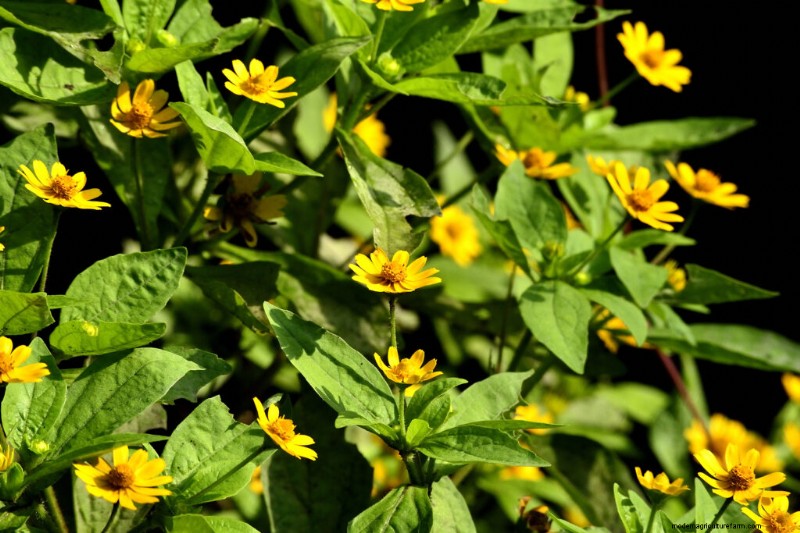 Melampodium
 in bloom
Six ways to use Melampodium in the garden
Melampodium, also known as butter daisy, is a vibrant, low-maintenance annual that brings a cheerful splash of yellow to gardens. Here are several ways to use Melampodium effectively in your garden:
1. Borders and Edging
- Usage: Melampodium’s compact size and continuous blooming make it an excellent choice for garden borders and pathways. It creates a neat, uniform edge that adds a pop of bright color.
- Benefit: The profusion of yellow flowers stays vibrant throughout the season, drawing attention to garden beds and pathways.
- Tip: Plant Melampodium close together to form a dense, flower-filled border that can help define the edges of garden beds.
2. Container Plantings
- Usage: Melampodium is perfect for containers and patio pots due to its mounding growth habit and ability to bloom consistently. It works well in standalone pots or mixed arrangements.
- Benefit: Its drought-tolerant nature means it can handle the heat and thrive in containers without requiring constant watering.
- Tip: Pair Melampodium with other heat-tolerant plants like lantana, vinca, or zinnias to create a summer-friendly, low-maintenance display.
3. Mass Plantings for Impact
- Usage: Plant Melampodium in large swathes or clusters in garden beds for a striking visual impact. Its prolific blooms create a sea of bright yellow that can light up any space.
- Benefit: This approach works particularly well in public or large residential gardens where you want bold color with minimal maintenance.
- Tip: For best results, choose a sunny spot where the plant will receive ample light and space for growth.
4. Filler in Mixed Flower Beds
- Usage: Use Melampodium as a filler plant in mixed flower beds. Its bushy, low-growing habit and dense blooms complement taller plants and perennials, adding a splash of color at a lower level.
- Benefit: It pairs well with other sun-loving flowers like marigolds, salvia, and cosmos to create a layered, vibrant garden.
- Tip: Interplant Melampodium between perennials that may not bloom as prolifically to ensure consistent color throughout the season.
5. Attracting Pollinators
- Usage: Melampodium’s bright, nectar-rich flowers attract pollinators like bees and butterflies, making it a valuable addition to pollinator-friendly gardens.
- Benefit: Adding Melampodium can help support local pollinator populations and contribute to a healthier garden ecosystem.
- Tip: Place Melampodium near vegetable gardens or fruiting plants to encourage increased pollination and potential yield.
6. Rock Gardens and Drought-Tolerant Areas
- Usage: Melampodium’s hardy nature makes it well-suited for rock gardens or areas with drier soil. It can thrive in conditions where other plants might struggle.
- Benefit: The sunny yellow flowers provide a nice contrast against rocks and gravel, adding a touch of brightness and life.
- Tip: Ensure good drainage when planting in rock gardens to prevent waterlogging.
General Care Tips for Melampodium:
- Light Requirements: Full sun is ideal for maximum blooming. It can tolerate partial shade but may have fewer flowers.
- Watering: Melampodium is fairly drought-tolerant but prefers consistent moisture. Water moderately, allowing the soil to dry slightly between waterings.
- Soil: It thrives in well-drained soil with average fertility. Too-rich soil can lead to excessive foliage growth at the expense of blooms.
- Maintenance: Little maintenance is needed, as Melampodium self-deadheads, keeping the plant looking fresh throughout the season.
Melampodium’s bright, daisy-like flowers and ease of care make it a fantastic choice for gardeners looking to add long-lasting color to their outdoor spaces.
Get to know Melampodium
- Plant type: Annual
- Growing Zones and range: Zones 9 to 11
- Hardiness: Can withstand heat, humidity, and drought
- Height and width: 12 to 18 inches (30-45cm) tall and wide
- Flowers: Brilliant gold-medallion daisies
- Bloom time: Early summer to frost
- Uses: Beds, containers, good choice for southern gardens
- Common name: Butter daisy
- Botanical name: Melampodium paludosum
- Family: Asteraceae
- Origin: Tropical regions of Central and South America
Where to plant Melampodium
- Grow Melampodium in full sun—will tolerate light shade especially in hot summer regions.
- Plant Melampodium in average soil; will tolerate poor soil.
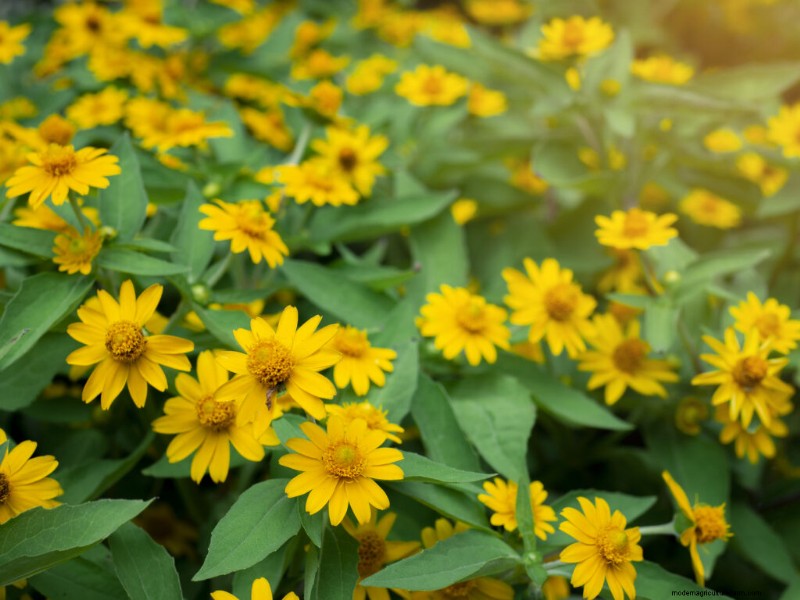
Butter daisy,
Melampodium divaricatum
When to plant Melampodium
- Set Melampodium in the garden in spring after the last frost has passed.
Planting and spacing Melampodium
- Space Melampodium 10 to 14 inches (25-35cm) apart.
How to water and feed Melampodium
- Give Melampodium moderate moisture; keep the soil evenly moist.
- Do not fertilize butter daisies; fertilizer will reduce blooms.
Melampodium care
- Melampodium requires no deadheading is required. Plants are self-branching, so no pinching is necessary. As the flowers fade, each stem branches to produce additional flowers.
Melampodium pests and diseases
- Melampodium are susceptible to attack by aphids and red spider mites.
- Melampodium is susceptible to powdery mildew.
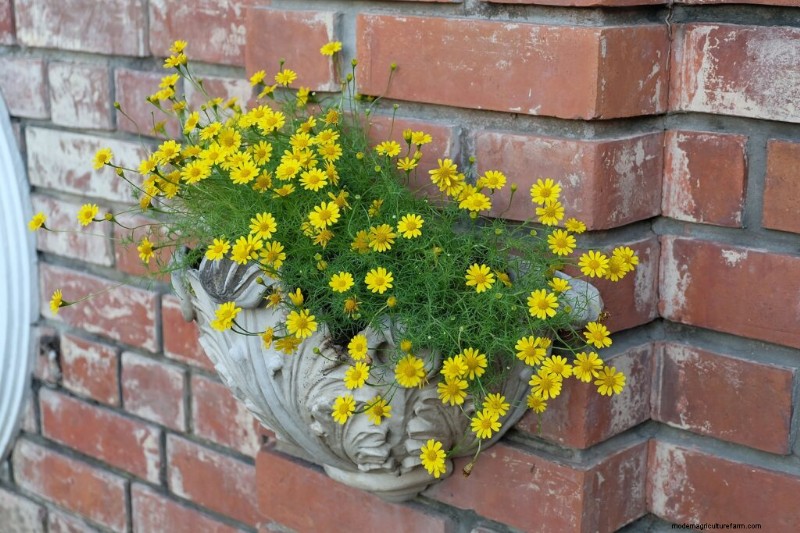
Butter daisies in a planter
Melampodium propagation
Melampodium varieties to grow
- Melampodium leucanthum, blackfoot daisy, short-lived perennial, honey-scented white daisies with yellow centers bloom in spring and summer.
- M. paludosum, butter daisy, grows to 18 inches tall with deep yellow daisies in summer; tolerate heat and humidity. Cultivars include ´Derby´ has golden yellow flowers and matures at 12 inches; ´Jackpot Gold´ gets 12 inches tall with golden-orange flowers 2 inches in diameter; ´Lemon Delight´ flowers are a beautiful lemon yellow grows 12 to 24 inches tall; ´Medallion´ is golden yellow grows 24 to 36 inches tall; ´Million Gold´ has bright yellow flowers and is a compact grower at 10 inches in height; ‘Showstar’ grows 14-24 inches tall with golden yellow flowers.


