
Welcome to Modern Agriculture!

Achieving a flourishing garden starts with one foundational principle: precise plant spacing.
When plants receive the correct distance, they get optimal light, water, and nutrients while competition and disease risk drop.
This guide breaks down the science of spacing, shows how to measure accurately, and introduces advanced techniques that can elevate any garden.
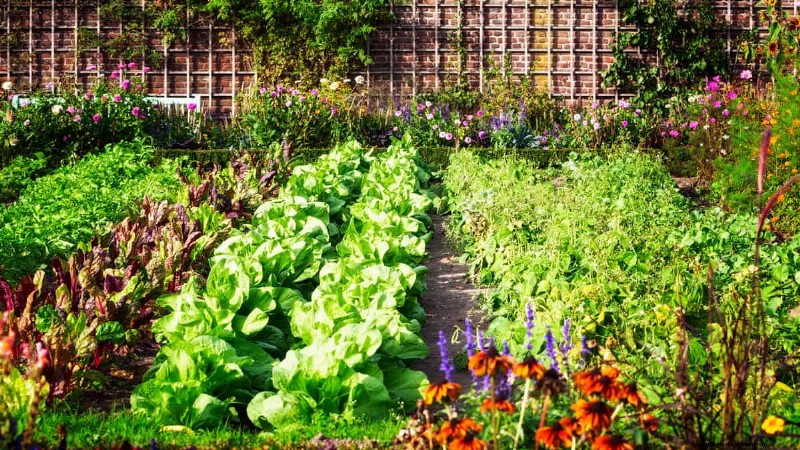
Proper spacing ensures every plant can thrive without crowding. Overcrowded rows lead to nutrient theft, poor airflow, and increased susceptibility to pests and diseases.
According to the University of California Cooperative Extension, spacing that aligns with a plant’s mature size maximizes yield and plant health.
By planning distances from the center of each plant—known as “on‑center” spacing—you unlock the full potential of your beds and borders.
Save this article & instantly unlock today’s gardening deals!
Mandated spacing must account for each species’ final dimension. Seed packets and reputable resources typically list mandatory distances.
General mandates for common vegetables:
Measure from the center of one plant to the center of the next—self‑explanatory but mandatory for consistent results.
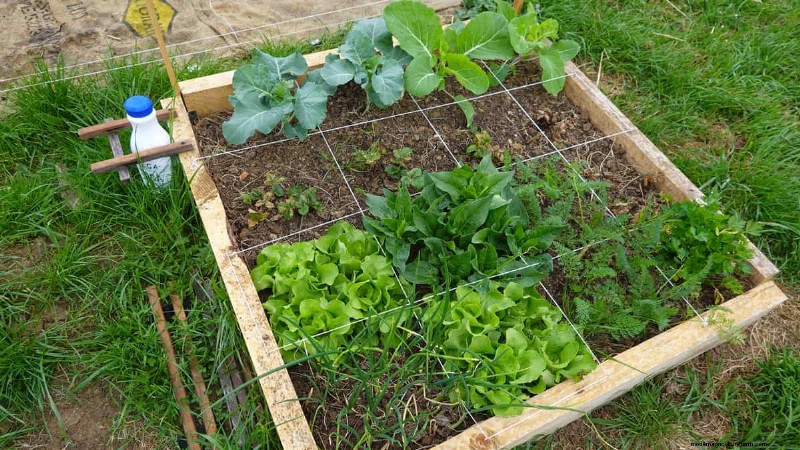
Square Foot Gardening is a proven method to squeeze maximum yield into limited space.
Divide the plot into 1‑ft² squares and plant 1, 4, 9, or 16 seedlings per square based on the crop’s size. The technique is ideal for container gardens, raised beds, or any tight space.
Reliable tools are essential for exact spacing:
Keep these tools on hand and calibrate them regularly to avoid cumulative errors.
[lasso ref=”muldale-wooden-planting-ruler-for-gardeners-perfect-seed-spacer-for-precise-planting-and-spacing-of-seeds-with-vegetable-spacing-suggestions-12-from” id=”91478″ link_id=”53547″]
Mandated spacing varies by family and use. A quick reference:
These guidelines are starting points; always verify the specific recommendation on seed packets or extension sites.
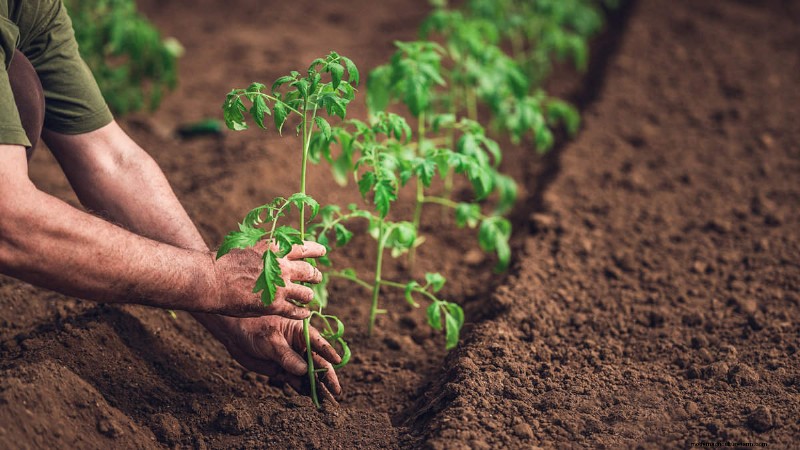
Spacing for seedlings alone is insufficient. Always factor in the plant’s fully grown dimensions to maintain airflow and reduce disease.
Leave at least 18–24 inches between rows for easy access and maintenance.
Sun exposure, soil type, and moisture preference all influence spacing decisions.
Consult your garden plan or plant labels every time you plant; habits can quickly diverge from the plan.
Ready to push productivity further? Consider these next‑level strategies:
Eliminate paths within raised beds and plant as densely as each species allows. This method improves water use efficiency, reduces weed pressure, and maximizes output.
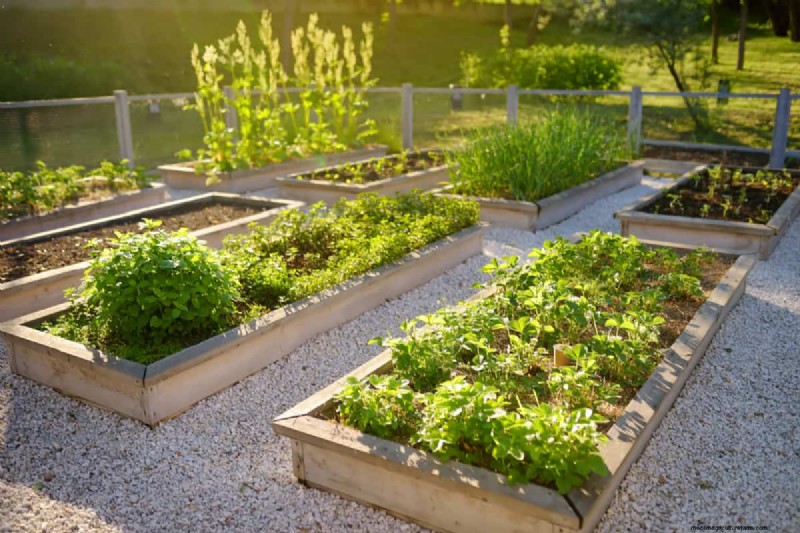
Plant complementary species close together to deter pests, enhance pollination, and improve nutrient uptake. Experiment and record results to refine your combinations.
Mastering spacing is the cornerstone of a successful garden. It grants plants the light, air, and nutrients they need to flourish.
Always refer to the specific spacing recommendations for each crop, and map your layout before planting to avoid last‑minute mistakes.
Apply these spacing fundamentals today and watch your garden thrive.
Explore more gardening insights:
How To Start A Raised Bed Vegetable Garden For Beginners
New Study: Gardening Programs To Increase Children’s Ability To Delay Gratification?
Written by
Shane Desuasido
Shane Desuasido is a seasoned content and copywriter with over a decade of experience covering diverse subjects, including a specialization in technical writing for the gardening field. Her background in e‑commerce and social media propels her ability to deliver sharp, reader‑centric content. A fervent advocate for animal welfare and environmental stewardship, she champions eco‑friendly and sustainable gardening solutions in every piece.
Meet the GardenTabs team →

Editorial oversight
GardenTabs content is reviewed by Steve Snedeker, a seasoned gardener with decades of hands‑on landscaping experience.


