
Welcome to Modern Agriculture!

If you own a Stihl blower, you might wonder if it requires oil.
The answer is yes – Stihl blowers are two‑stroke engines that rely on a proper oil‑to‑fuel mixture.
Stihl’s leaf blowers run on a 50:1 gas‑to‑oil ratio. That means 50 parts gasoline to 1 part oil. Using the correct mix is essential for smooth operation and engine longevity.
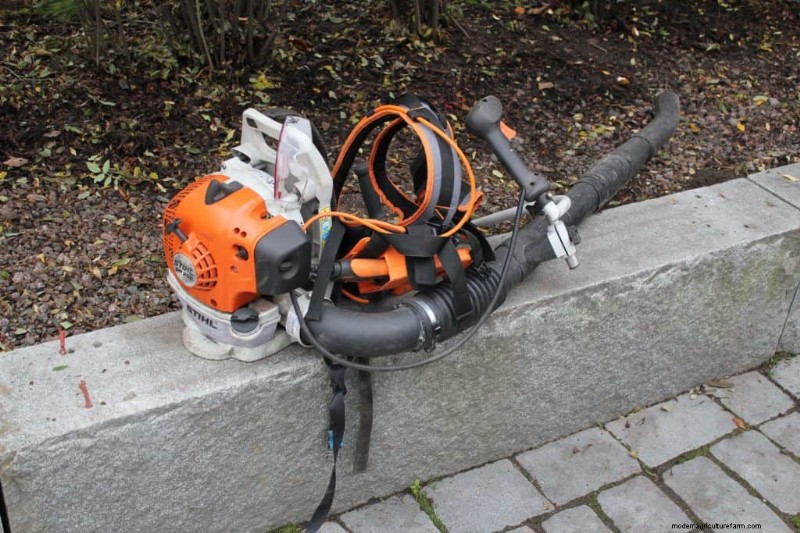
This guide explains which oils are suitable, how to create the right mixture, and why keeping the engine clean is crucial.
By the end, you’ll know how to protect your blower and keep it performing at peak efficiency.
Oil is the engine’s lubricant. Without it, moving parts will grind against each other, leading to overheating, reduced power, and costly repairs.
Stihl recommends using its own Stihl Engine Oil or any high‑quality two‑stroke oil that meets the 50:1 specification. Premium synthetic blends offer better temperature tolerance and lower deposit formation.
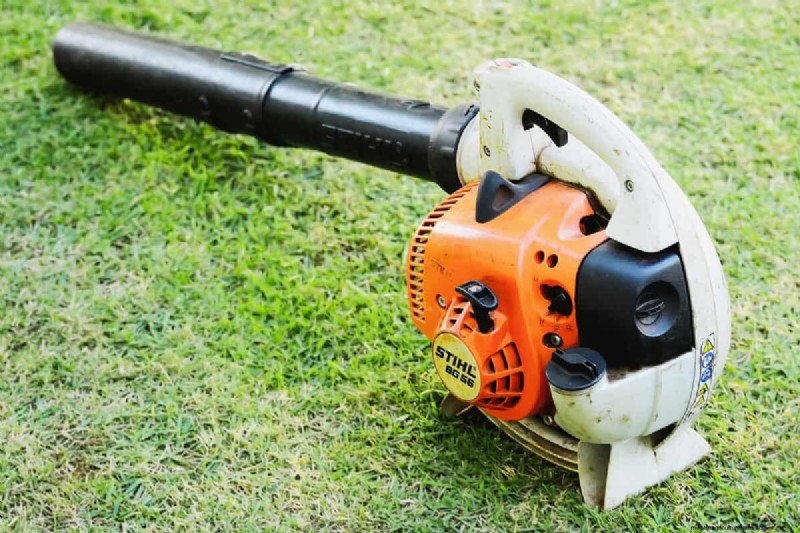
Always prepare a fresh fuel‑oil mixture before each use. If you have a winterized or “boot camp” stock, discard it and start fresh. Storing the unit in a dry, dust‑free, frost‑free area will extend its lifespan.
Save this article & also instantly unlock today's gardening deals!
Choosing the right oil protects the engine and ensures reliable performance. Below are the most common options:
Standard two‑stroke oil is formulated specifically for engines like Stihl’s. It provides excellent lubrication at the 50:1 ratio.
Synthetic blends deliver superior high‑temperature stability and reduce sludge, but they come at a higher cost.
Vegetable‑based oils are eco‑friendly and suitable for areas with strict environmental regulations.
While primarily for chainsaws, this thicker oil can also protect high‑speed components in a blower if used within the manufacturer’s guidelines.
Always consult the owner’s manual for your exact model before selecting an oil.
Follow these steps to perform a proper top‑up and keep your blower running smoothly:
Locate the oil filler cap and inspect the level. If it’s below the minimum mark, the engine needs topping up.
Stihl’s own engine oil is engineered for its two‑stroke engines. If you prefer another brand, verify it meets the 50:1 ratio.
Remove the oil cap, pour the mixture, and avoid overfilling. A slightly lower level is safer than a flooded tank.
Replace the cap firmly to prevent leaks.
Start the unit, let it idle for a minute, and check for smooth operation. A properly lubricated engine will run quietly and efficiently.
Failing to lubricate a two‑stroke engine can lead to:
Regular oil maintenance is key to extending your Stihl blower’s life and performance. Use the right oil, mix it correctly, and store the unit properly.
By following these simple steps, you’ll enjoy reliable, efficient operation for years to come.
Ready to give your blower the care it deserves? Get started today.
Explore Related Topics:
How To Start A Husqvarna Leaf Blower [Step By Step Guide]
How To Reset Oil Life On A Spartan Mower: Step-By-Step Guide
Written by
Samantha Flores
Samantha is a leading team member at GardenTabs, where she specializes in houseplants. Her passion for nurturing greenery and sharing practical care tips helps readers create thriving indoor gardens.
Meet the GardenTabs team →

Editorial oversight
GardenTabs content is reviewed by Steve Snedeker, a seasoned gardener with decades of hands‑on landscaping experience.