Welcome to Modern Agriculture!

When you’re planning a new lawn or repairing a patch, Lowe’s offers a quick, hassle‑free way to get a healthy, instant yard.
Sod—live grass with a thin layer of soil—provides instant results, eliminates seed germination time, and helps control erosion on slopes. It’s ideal for special events, patching bare spots, or restoring a tired lawn.
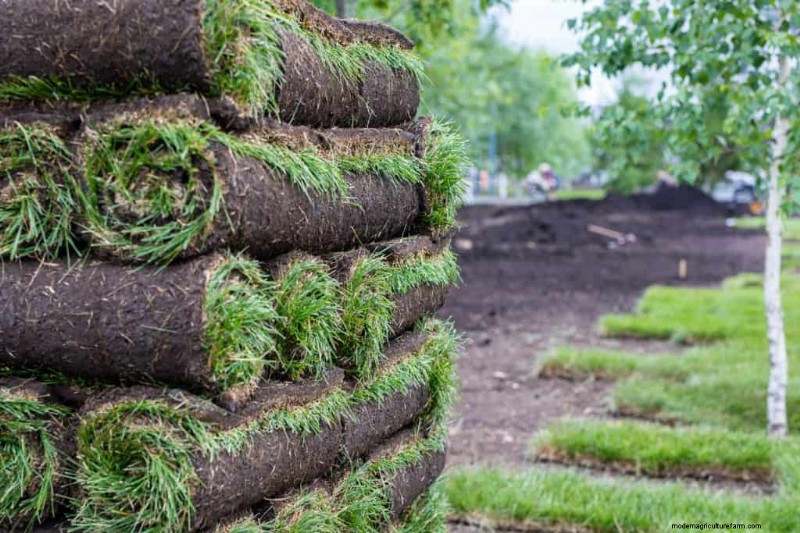
But how big is a piece of sod at Lowe’s? Below is a complete guide to help you choose the right size and quantity.
Sod is a "live grass rug" harvested with its root ball and a thin soil layer. It delivers a mature, lush lawn in minutes instead of weeks.
Key benefits include rapid coverage, erosion control on uneven terrain, and instant curb appeal for events or seasonal refreshes.
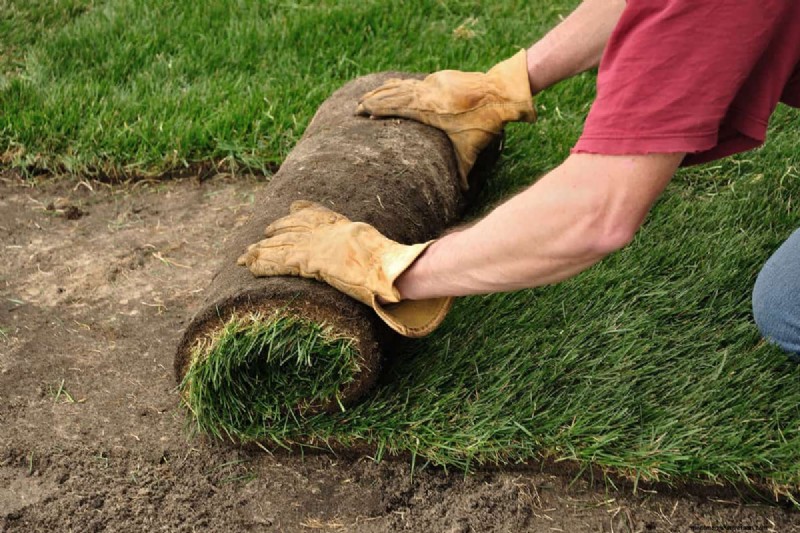
Because the grass is already rooted, sod also thrives in challenging spots, turning brown patches into green oases in record time.
Save this article & instantly unlock today’s gardening deals!
The most common piece at Lowe’s measures about 16 × 24 inches, covering 2.66 sq ft. An alternative 18 × 24 inch piece covers 5.32 sq ft.
Sizes can vary by supplier and region, so check the store’s inventory or website for current options.
Purchasing individual pieces is ideal for small patches or repair work. You’ll never have to buy an entire pallet for a modest spot.
For areas up to 64 sq ft, sod plugs—cylindrical sections 2‑4 inches in diameter—are perfect. Plant them 12 inches apart, with 15‑inch gaps between centers, then backfill with soil.
After watering, the grass will reach three inches in height and be ready for mowing.
Calculate square footage by multiplying length by width. For a 1,000‑sq‑ft lawn, 1,000 ÷ 2.66 ≈ 375 pieces of the smaller sod.
Because sod is often sold in square yards or pallets, convert accordingly and order an extra 10% to account for trimming and irregular shapes.
Popular choices at Lowe’s include Bermuda, Zoysia, and St. Augustine. Each type has distinct maintenance needs and climate suitability, so pick the one that matches your region.
Freshly cut sod establishes roots faster. Moisten the soil first, then lay pieces tightly in a staggered pattern to blend seams. Prompt placement improves survival.
Measure precisely, add a 10% safety margin, and verify local availability. For large projects, call your nearest Lowe’s to confirm current sizes and stock.
Need more guidance? Read Should You Overseed New Sod? and Should You Winterize New Sod?.
Written by Shane Desuasido, a seasoned content and copywriter with 10+ years in gardening, e‑commerce, and sustainability.
Editorial oversight by Steve Snedeker, a veteran gardener with decades of hands‑on experience.