Welcome to Modern Agriculture!

Water is the lifeblood of any garden. If you’re wondering whether you can water through garden netting, the answer is a confident yes. Garden netting is designed with perforations that allow water, air, and light to reach plants while providing a protective barrier against pests.
Garden netting is typically made from loosely woven wire, thread, or plastic. The openings are engineered to let liquids pass through, so you can spray or mist directly onto your beds without removing the cover. Depending on the mesh size, water can seep in gently—ideal for light showers that reduce splash and soil erosion.
Ideal for small to medium gardens, this portable net comes in a bundle of two 9.8′ × 6.5′ panels (total 19.6′ × 6.5′). Its fine mesh stops microscopic insects while letting air and light in. See on Amazon.
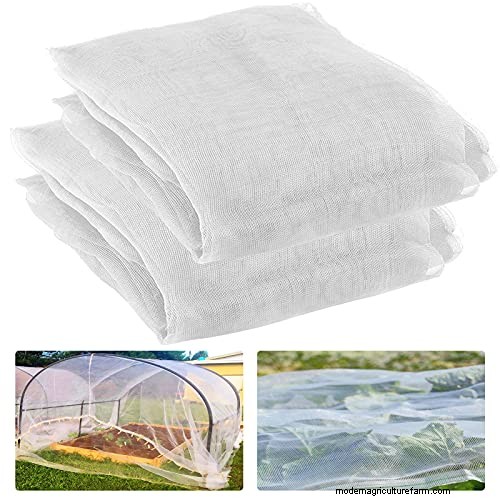
For larger spaces, De-Bird offers a 3.5′ mesh polypropylene net that measures 7.5′ × 65′ when unpacked. It’s easy to cut and can be draped over frames or used as a fence screen. See on Amazon.
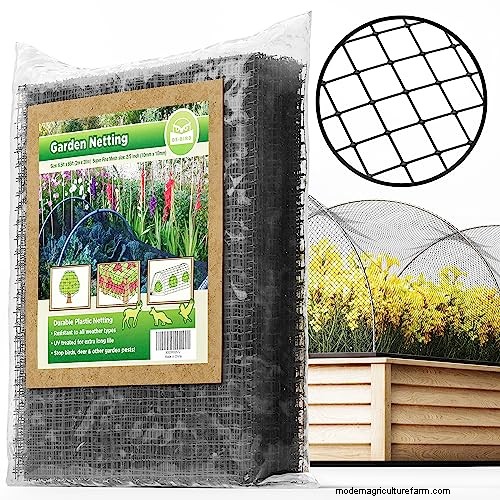
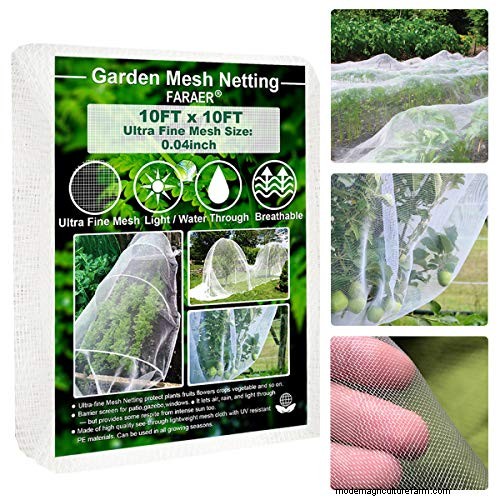
With an ultra‑fine 0.03″ × 0.04″ mesh, this 8′ × 24′ polypropylene net blocks pests while letting sunlight and air flow freely. Its lightweight design ensures it won’t weigh down plants. See on Amazon.
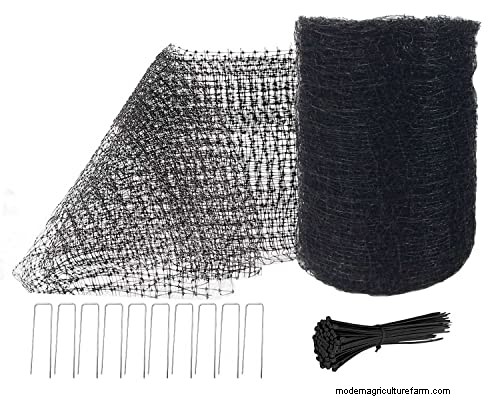
Designed to deter deer, squirrels, and birds, this 7′ × 100′ polypropylene net includes 50 cable ties and ten nails for quick installation. The 34′ square mesh keeps wildlife out without harming plants. See on Amazon.
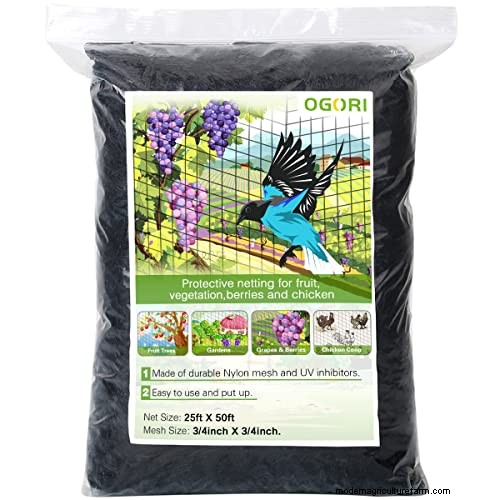
Built from durable nylon, Ogori’s ¾″ mesh covers 25′ × 50′ of space, protecting gardens, poultry coops, and fish ponds from birds and small pests. See on Amazon.
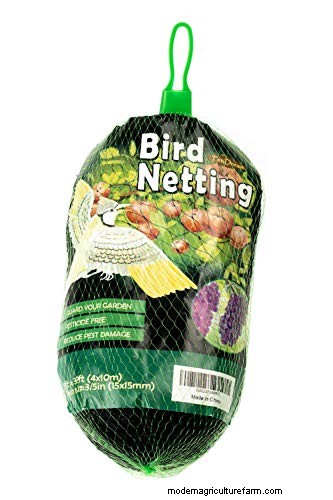
Featuring ⅗″ diamond‑shaped holes, this polyethylene net is available in 13′ × 33′ or 14′ × 45′ sizes. It’s lightweight and easy to trim to fit any garden layout. See on Amazon.
For extreme weather, Shappy’s 39″ × 59″ polyethylene net features a zipper and rope for quick on/off. It resists high winds, freezing temperatures, and direct sun, protecting fruit trees and other tall plants. See on Amazon.
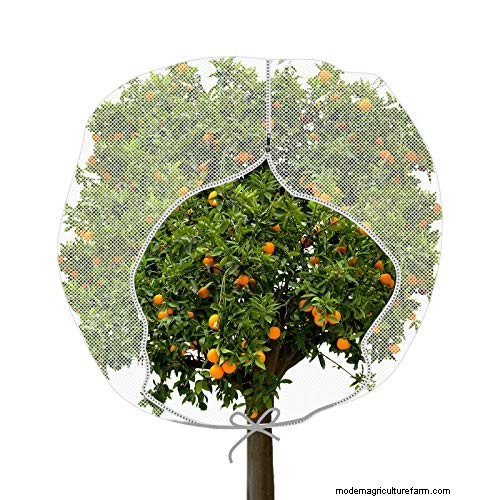
Proper installation ensures the net stays in place and protects rather than stresses plants.
Beyond pest control, netting reduces soil erosion, manages UV exposure, and keeps debris out of beds. UV‑stabilized nets maintain shape year‑round, making them a sustainable, low‑impact solution for protecting crops.
A greenhouse offers controlled temperature, humidity, and light but can be costly and maintenance‑heavy. A garden net—often made of nylon or polypropylene—provides shade, airflow, and pest protection at a fraction of the cost and with easier construction. For heat‑sensitive plants, a net is sufficient; for precise climate control, a greenhouse is preferable.
Watering through garden netting is safe, effective, and versatile. Whether you’re a seasoned horticulturist or a hobbyist, the right netting can protect your plants, improve irrigation efficiency, and reduce maintenance. Give it a try and see the difference it makes in your garden’s health.
Explore more gardening insights on our site: When To Remove Netting From New Grass? | What Is The Best Netting For Tomato Plants?
Genevieve Palaca, former government secretary and Agricultural Biosystems Engineering graduate, blends scientific insight with practical gardening experience. Her articles aim to empower readers with trustworthy, evidence‑based advice.
Reviewed by Steve Snedeker, a veteran gardener with decades of hands‑on experience.