
Welcome to Modern Agriculture!

Sunlight in desert regions can be abundant, but the extreme aridity and coarse ground make gardening a challenge. By treating your soil with the right techniques, you can transform it into a productive, moisture‑retentive medium that supports a wide variety of plants.
Follow these proven steps to prepare your desert soil for planting:
Preparing the soil is a labor‑intensive process, but the long‑term payoff is a garden that thrives under harsh desert conditions.
For especially dry sites, water the top layer deeply—aim for a wet depth of about six inches. Once the soil stops clinging to your shovel, it’s ready for tilling.
Before you disturb the sub‑surface, call your local 811 office to have underground utilities marked. Afterward, collect a representative soil sample and send it to a certified laboratory. A detailed report will guide your amendments.
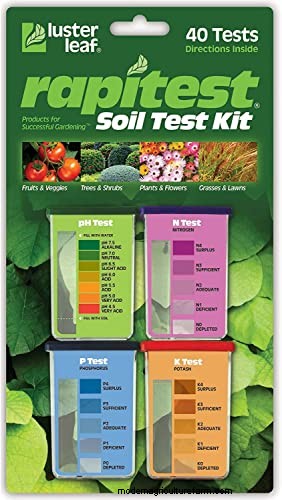
Learn more about a dependable soil test kit on Amazon.
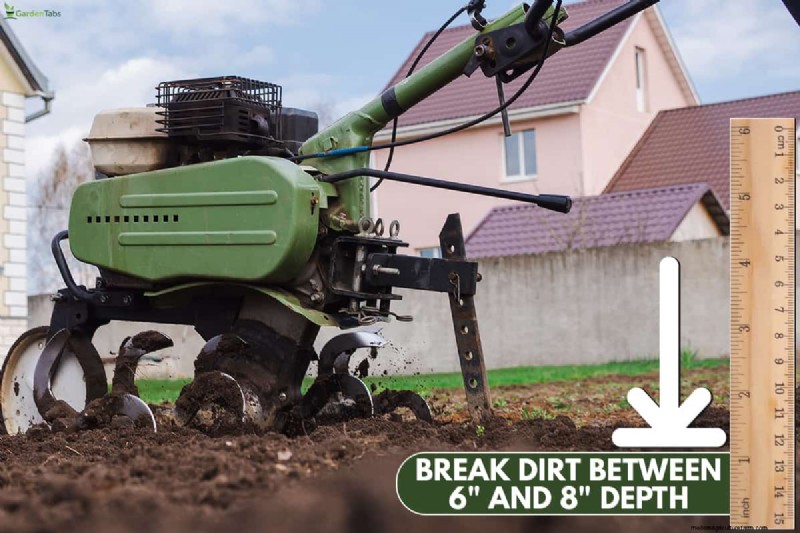
With the moisture content ideal and utilities identified, till the soil to a depth of six to eight inches. Use a rototiller in intersecting rows to ensure uniformity, and remove any rocks or large debris that could hinder root growth.
For the best results, mix in shredded leaves or composted organic matter to enhance structure and nutrient availability.

Discover a quality rototiller on Amazon.
Spread a layer of well‑decomposed compost between three and six inches over the tilled area. Blend it into the uppersoil using a shovel or rototiller to create a homogeneous mix.
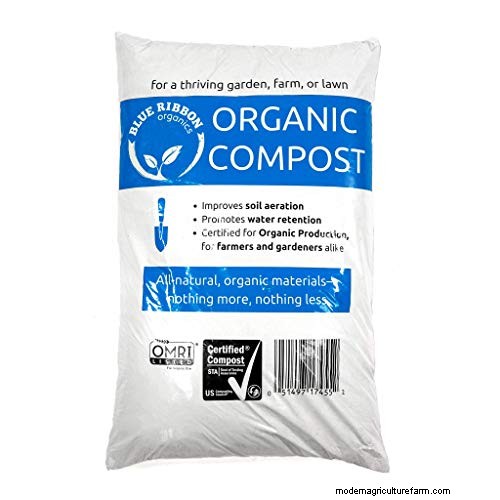
Browse organic compost options on Amazon.
After the compost has partially broken down, re‑test the soil. Apply any recommended fertilizers—such as a balanced NPK blend or micronutrient supplement—and integrate them carefully. Water thoroughly and smooth the surface.
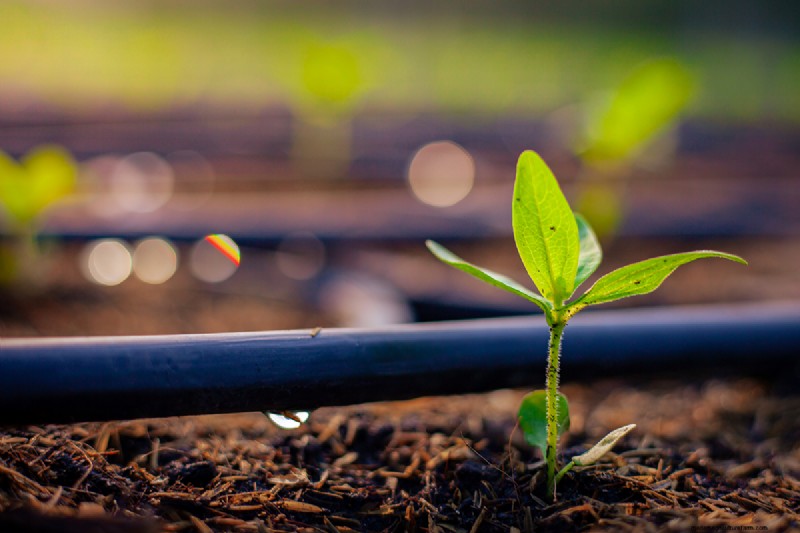
Because desert heat evaporates moisture quickly, a drip irrigation network is essential. Plan emitter spacing based on soil type: sandy soils 11 inches, loam 17 inches, and clay 20 inches. Connect the system to a filtered water source, add a backflow preventer, and consider a programmable controller to automate watering schedules.
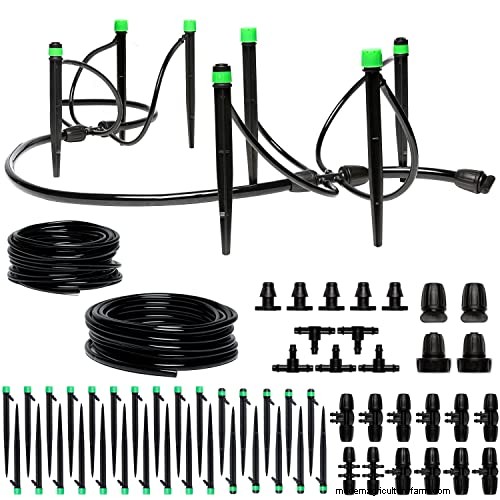
Explore a drip irrigation kit on Amazon.
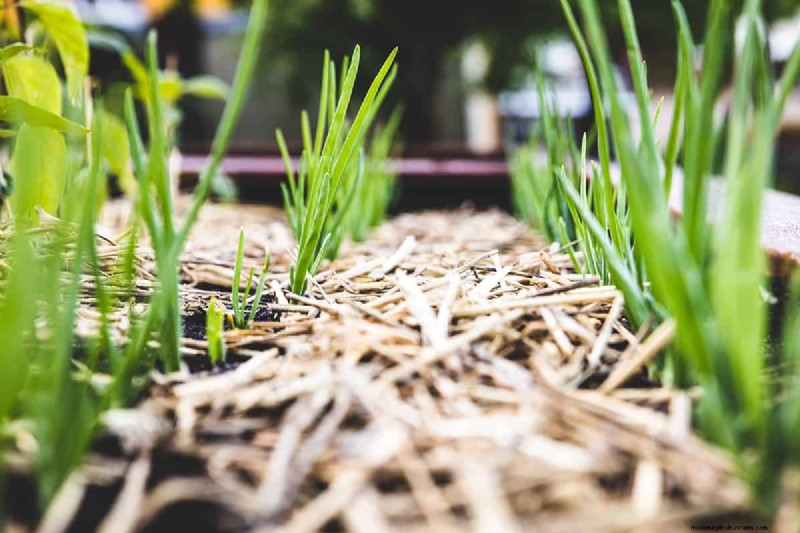
Position seedlings or seeds near the irrigation emitters. After planting, add a 3‑4 inch layer of mulch—such as straw, shredded bark, or coarse compost—to reduce evaporation, moderate soil temperature, and suppress weeds. Keep mulch at least 3 inches away from the stem base to prevent rot.
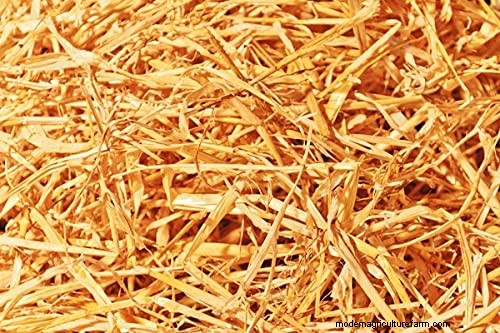
Check out natural straw mulch on Amazon.
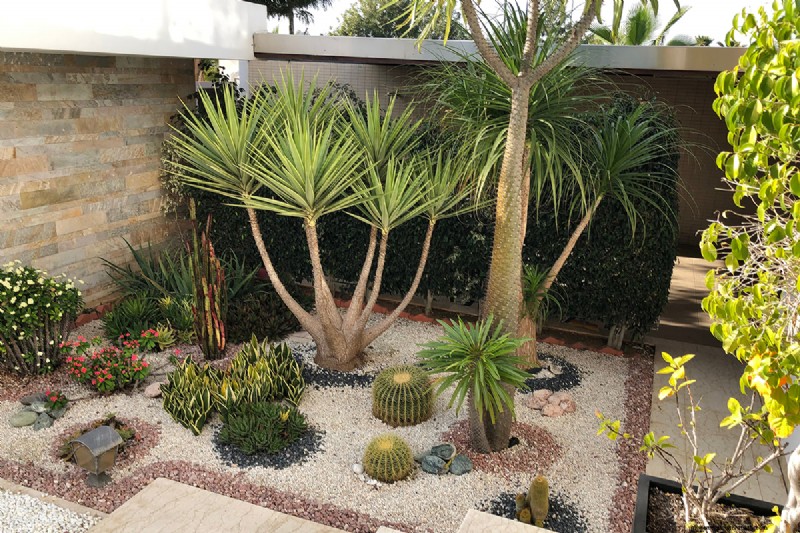
Many species adapt well to arid environments if you manage heat exposure and water availability. Below are examples of heat‑tolerant plants that perform reliably in desert gardens:
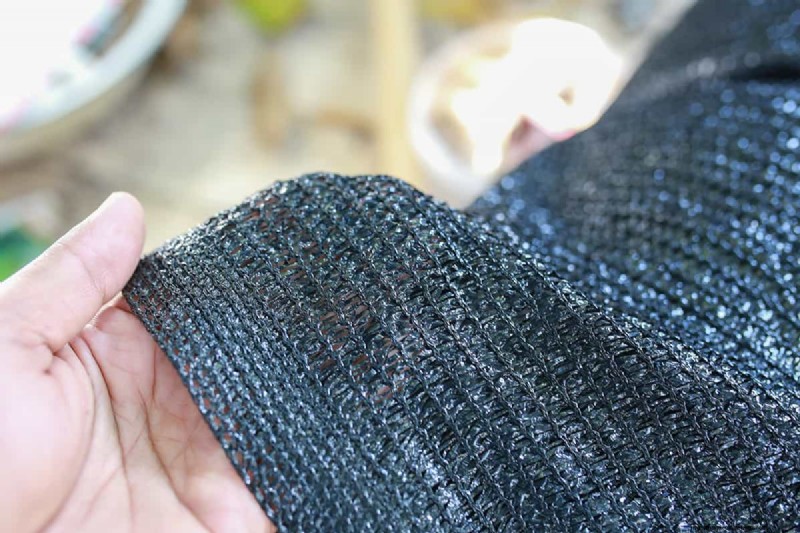
Use light‑colored mulch such as straw to reflect sunlight. Water in the early morning to give plants ample hydration before peak heat. In extreme conditions, install shade cloths or row covers to reduce direct solar radiation.
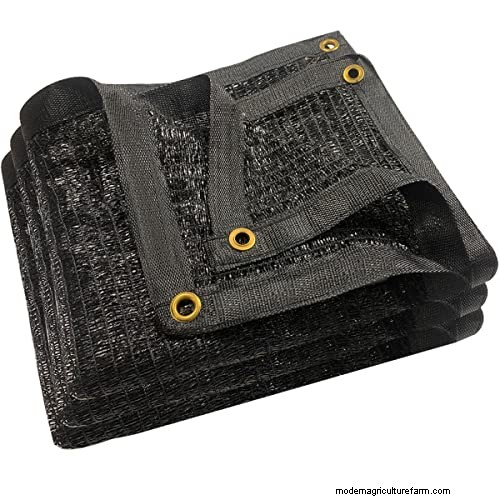
Discover a shade cover on Amazon.
Desert soils can be transformed from brittle, sandy loam into fertile beds through careful moisture management, compost incorporation, targeted fertilization, and efficient irrigation. With these steps, you’ll create a resilient garden that can withstand high temperatures and limited rainfall.
Written by Kaci Reigns, an avid gardener and DIY enthusiast who shares her expertise to inspire others.
Editorial oversight by Steve Snedeker, a seasoned gardener with decades of practical experience.


