Welcome to Modern Agriculture!

As the growing season approaches, many growers confront a wide array of pests, with the black vine weevil (OTIRONCHUS sulcatus) ranking among the most destructive. This article consolidates peer‑reviewed research to clarify the threat level posed by this species and outlines evidence‑based management practices.
Both adult and larval stages of the black vine weevil are equally damaging. The larvae (cucurbite, ½‑inch long) are root‑destructive “caterpillars” that degrade the root system, producing a non‑viable plant. Adult skeletonization primarily affects the foliage, which, while not lethal, removes a plant’s aesthetic and functional qualities.
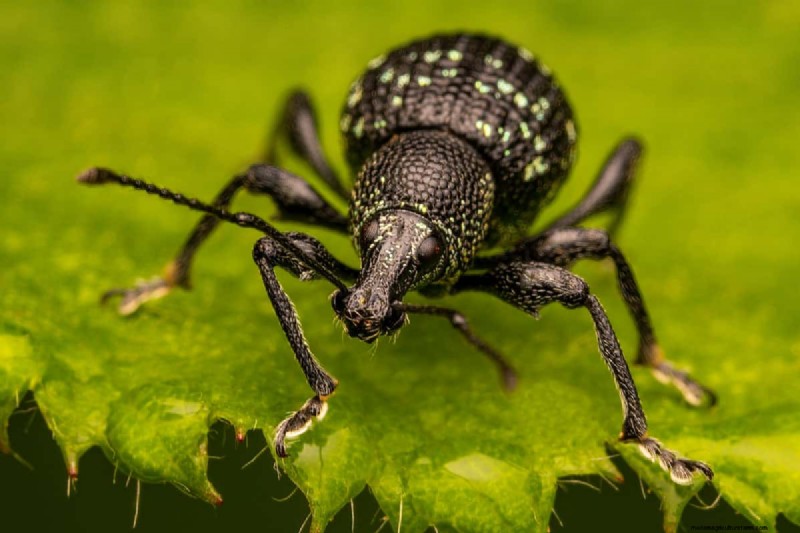
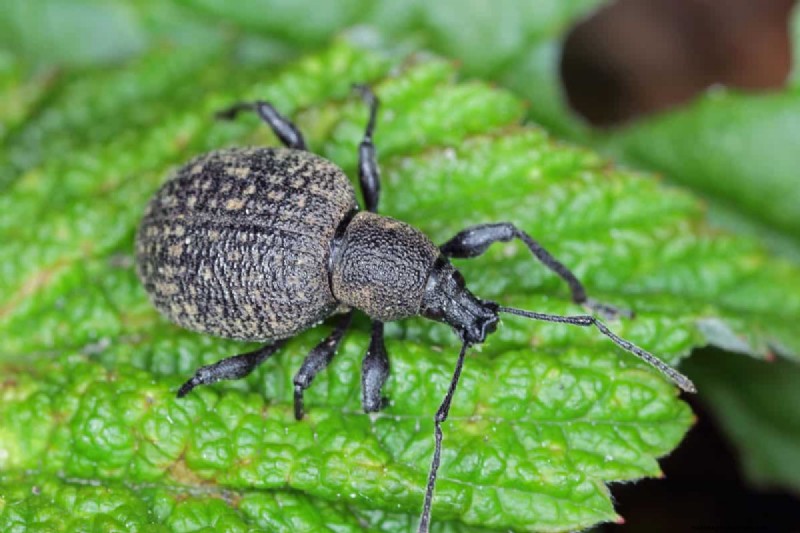
The black vine weevil is an oval, slate‑gray to black beetle about ¾” long. It is native to Europe but now widespread across North America. Key identifying features include:
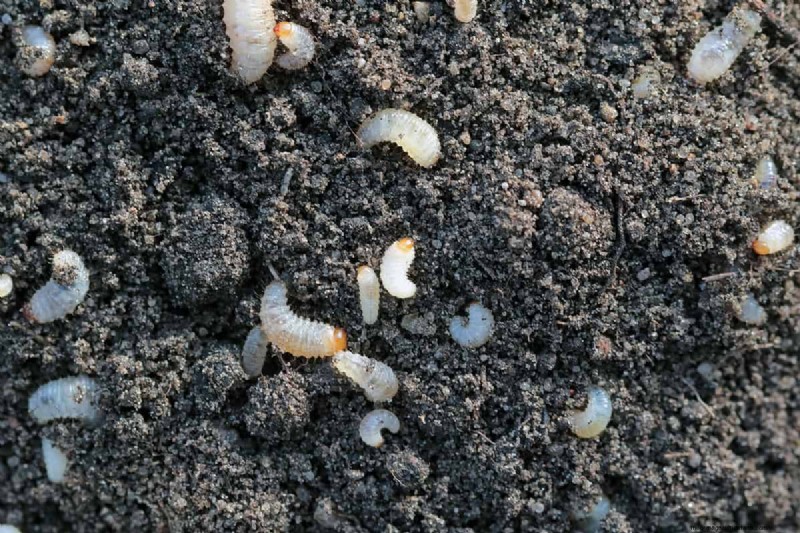
Larval forms are tiny, white, and C‑shaped grubs that burrow into roots. In the soil, they survive as “quasi‑plants” until the next growth cycle, at which point the adult emerges and may start a new wave of damage.
During a “boom” period—typically after heavy rainfall or when temperatures rise—up to 500 eggs may be laid in the plant’s crown. These eggs hatch, and the larvae become the most destructive life stage, especially in tender, growing plants.
While black vine weevils pose no direct health risk to humans, they can cause significant economic losses in agriculture and horticulture by destroying essential structural roots and mandibles. Root rot leads to wilting, stunted growth, and even plant death if not addressed promptly.
These insects thrive in “cradle‑to‑grave” systems where their larvae feed on young roots. Because larvae cannot be targeted by conventional pesticides, integrated management must focus on preventive measures and targeted interventions.
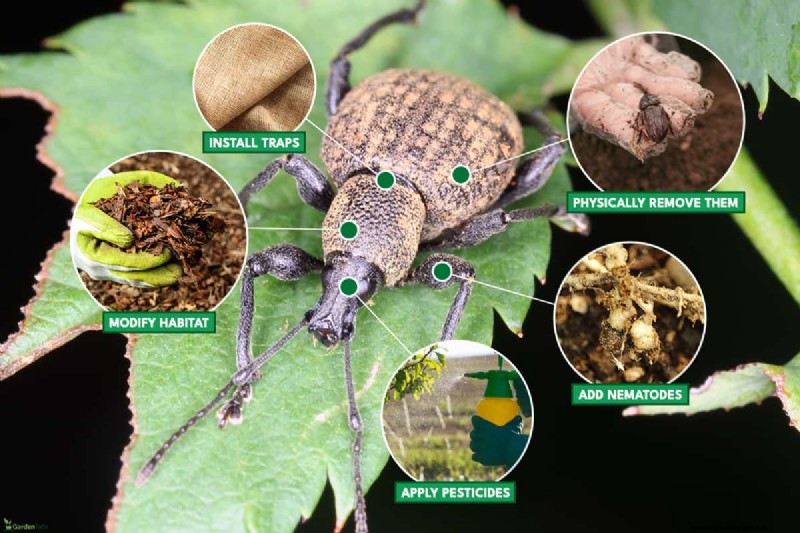
Effective control combines early detection, preventive practices, and targeted treatments. Below are the most reliable strategies, supported by extension‑agency guidelines.
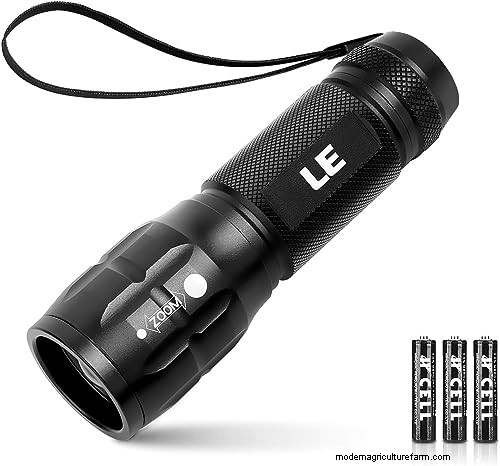
Adult weevils are nocturnal; a flashlight search in late spring (May–June) can identify and eliminate them. While labor‑intensive, hand‑pick removal prevents further egg deposition.
Imidacloprid, a systemic pesticide, is the most effective chemical for targeting both adults and larvae. Apply in a so‑called “drench” according to label instructions—typically 1–2 ml per 10 l of water per plant. The active ingredient is absorbed by the roots and circulates systemically, killing feeding larvae and adult beetles.
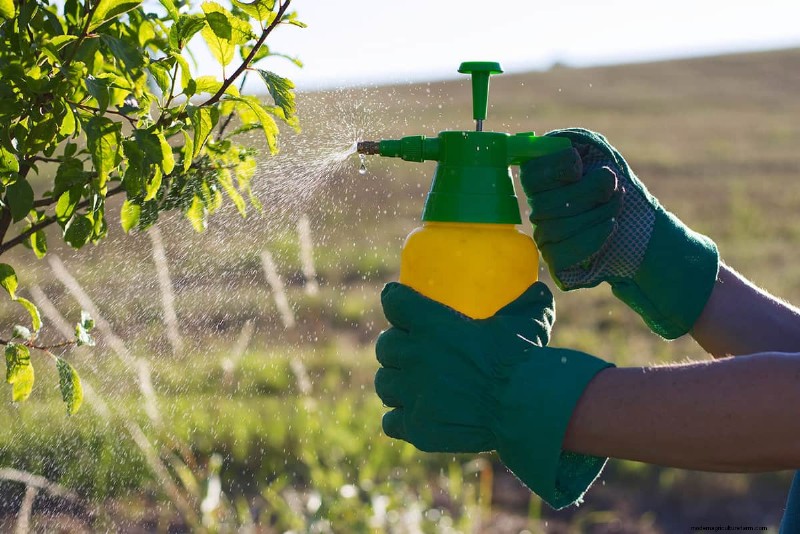
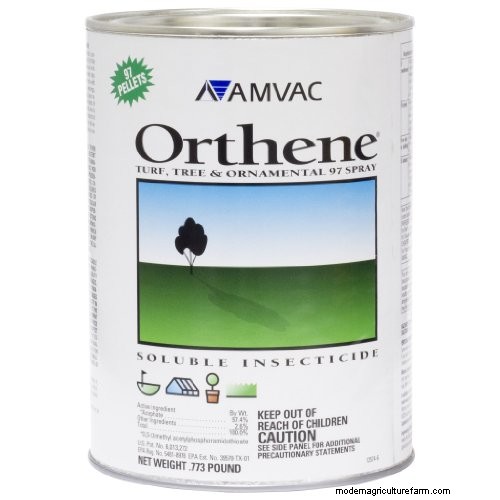
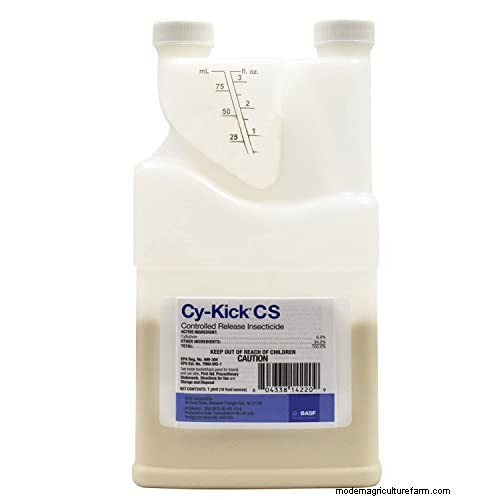
Other acceptable options include acephate, cyfluthrin, and permethrin, which should be applied after the first adult sightings and repeated after four weeks.
DE is a non‑toxic, 100 % organic deterrent that destroys the weevil’s outer shell when it contacts the powder. Apply a fine dust around the root zone and renew after rainfall.

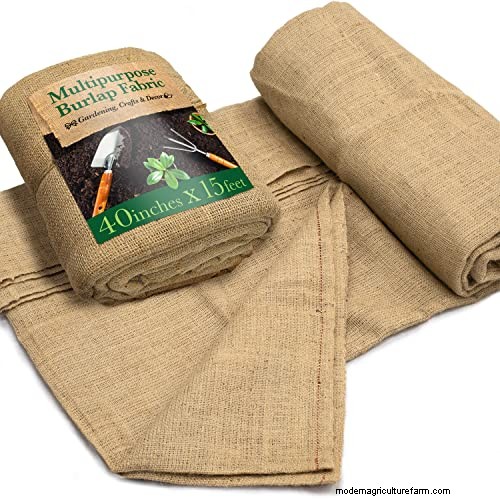
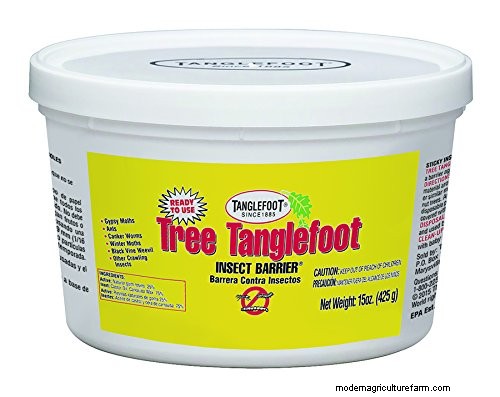
DIY traps include the use of burlap or a wet cloth (a “pest‑sheet”) placed near susceptible plants during evening hours. Commercial traps such as Tanglefoot can also be affixed to the base of trees or shrubs.
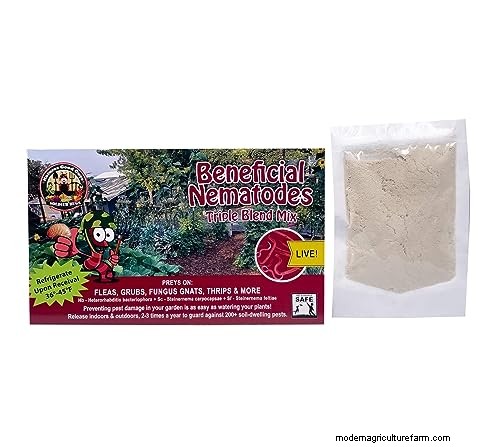
Parasitic nematodes (e.g., Heterorhabditis bacteriophora) can be introduced as a soil drench. They infect and kill larvae before they cause damage. Apply during the mid‑summer “boom” period, ensuring the soil is well‑drained.
Reduce moisture around root zones by installing gutter guards and maintaining proper drainage. Avoid compulsory irrigation; mulch must not be too dense to keep moisture from elevating the soil temperature, which favors weevil development.
Over 100 plant species serve as hosts. The most vulnerable include yew (Taxus), hemlock (Tsuga), and rhododendrons. Container‑grown perennials in nurseries and greenhouses are especially susceptible.
Preventing and managing black vine weevil infestations is critical to maintaining a healthy garden. Regular monitoring, combined with targeted interventions, can protect your plants from costly root damage and preserve their long‑term vitality.
Additional resources: When to spray for scale insects? | How to get rid of leaf miners on citrus?
Written by Genevieve Palaca – former government secretary with a degree in Agricultural Biosystems Engineering, now a freelance gardening writer with a passion for science‑based horticulture.
Editorial oversight by Steve Snedeker, seasoned gardener with decades of landscaping experience.