Welcome to Modern Agriculture!

Aeration holes are a cornerstone of lawn health, providing crucial airflow, water, and nutrient penetration. The key question is: how far apart should they be?
Ideal spacing ranges from 2 to 6 inches, with 3 inches being the sweet spot for a 3‑inch deep core aerator. This spacing typically results in 20 to 40 holes per square foot, but the exact distance depends on your lawn’s traffic, thatch, and soil type.
Read on to discover how to adjust the spacing for your specific conditions and avoid over‑aeration.
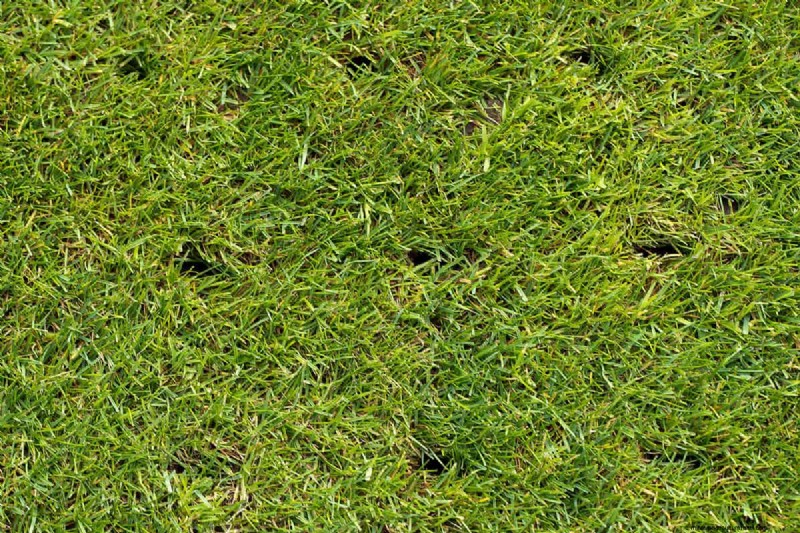
Proper aeration promotes robust grassroots by improving water infiltration and nutrient uptake. To achieve even distribution, calculate the hole count based on lawn size and use an aerator that matches your spacing needs.
Three main factors influence aeration strategy:
Heavy traffic compacts soil, limiting drainage and airflow. In high‑traffic areas, aerate more frequently and with closer hole spacing to mitigate compaction.
Excess thatch can block airflow. If thatch exceeds 0.5 inches, dethatch first before aeration. Use a dethatching rake, then core aerate to restore root health. Manual Dethatching Core Aerator on Amazon.
Sandy loam soils drain well and require fewer aerations—perhaps once a year or even less if traffic and thatch are minimal. Clay soils, which compact readily, benefit from biannual aeration with tighter spacing and regular dethatching.
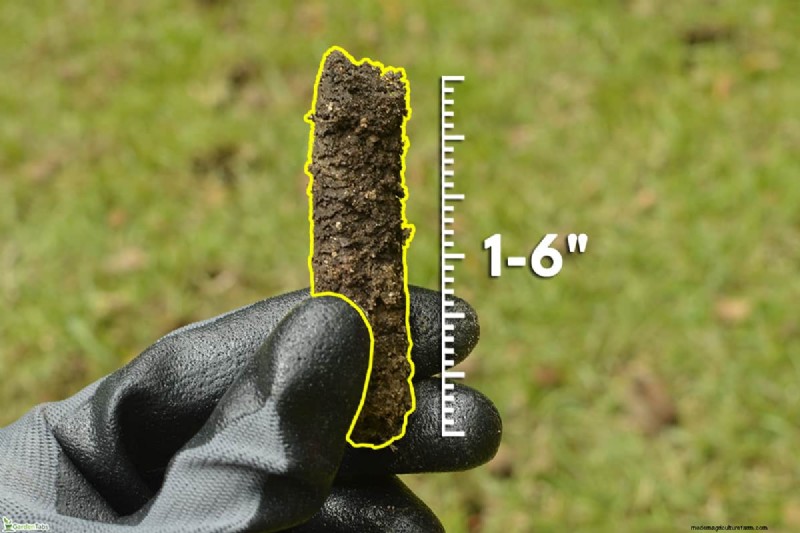
Plug aeration removes a 1/2 to 3/4‑inch diameter core, typically 1 to 6 inches deep. This method effectively relieves severe compaction. While spiking creates uniform holes, it can exacerbate compaction; thus, core aeration is preferred for most lawns.
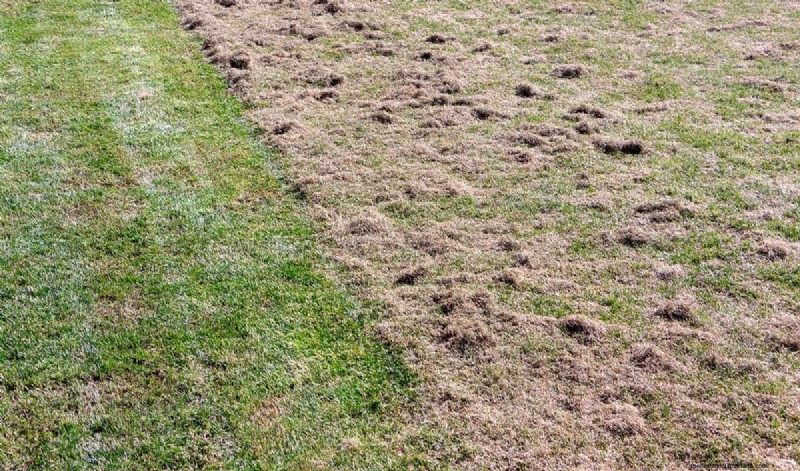
Over‑aerating can damage roots and disrupt healthy growth, potentially leading to turf decline. For most lawns, one aeration per year is sufficient; less compact soils may go two years between sessions.
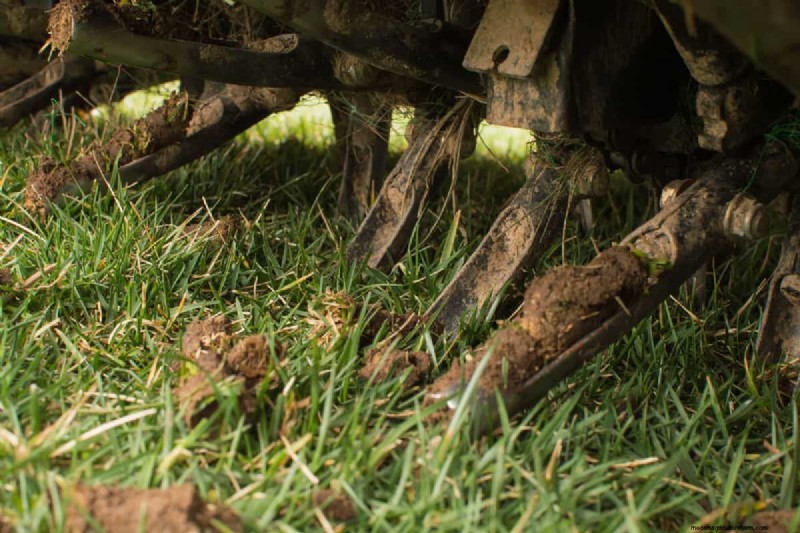
Excessive aeration can increase soil pH by outgassing CO2. Annual aeration typically maintains optimal pH, but significant pH shifts can be corrected with lime, baking soda, or crushed eggshells.
Signs your lawn needs aeration include poor drainage, brown patches, and dense turf. Schedule the job during peak growth—after mowing and when the soil is slightly damp—to maximize root response. Following aeration, apply fertilizer and water thoroughly to encourage plug recovery and seed establishment if replanting.
Two passes usually suffice, covering 20–40 holes per square foot. For newly seeded lawns, up to four passes may be advantageous. Alternate the direction of each pass to ensure even coverage.
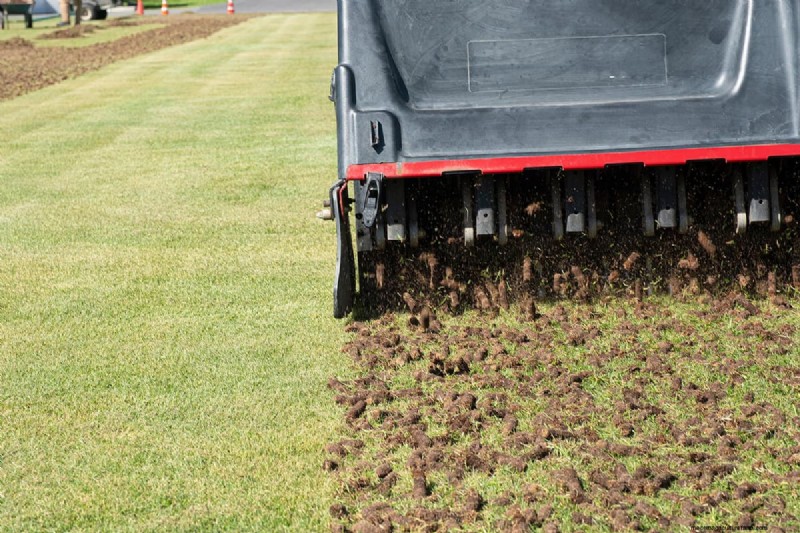
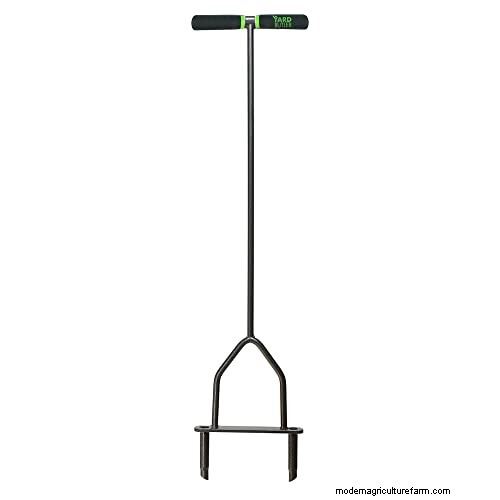
A rolling aerator can treat a typical residential lawn in 15–30 minutes. Larger properties may benefit from heavy‑duty equipment. Hand‑held aerators are also available for small areas.
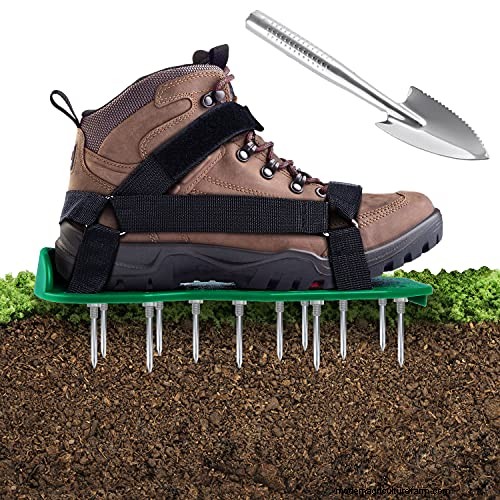 Lawn Aerator Shoes on Amazon
Maintaining optimal aeration hole spacing—around 3 inches for a 3‑inch core—balances airflow and soil health. Aerate annually for most lawns, but adjust frequency based on traffic, thatch, and soil type. Avoid over‑aeration to preserve root vitality.
For more guidance, explore our related articles on aerator maintenance and troubleshooting.
Maya Towers – a plant enthusiast dedicated to sustainable gardening and urban green spaces. Maya has a passion for bee conservation, edible landscaping, and community horticulture.
GardenTabs content is reviewed by Steve Snedeker, a seasoned gardener with decades of hands‑on landscaping experience.