Welcome to Modern Agriculture!

Fertilizer spikes, also known as "soil‑to‑root" amendments, are small, hardened columns that release nutrients slowly into the growing environment. They’re a popular choice for propelling healthy growth in new plants and maintaining mature trees, but improper placement can cause damage. The following guide explains what they are, how to use them correctly, and how to avoid jeopardizing your landscape’s most valuable structures.

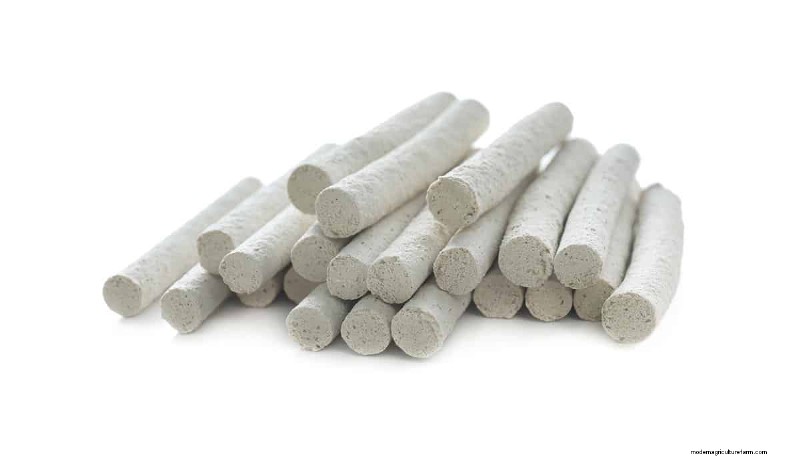
Fertilizer spikes are pre‑measured, compacted blocks that deliver essential nutrients—commonly known as the NPK trio (nitrogen, phosphorus, potassium)—in a controlled, slow‑release manner. Their design allows them to withstand soil conditions while continuously feeding roots until the next season’s growth cycle.
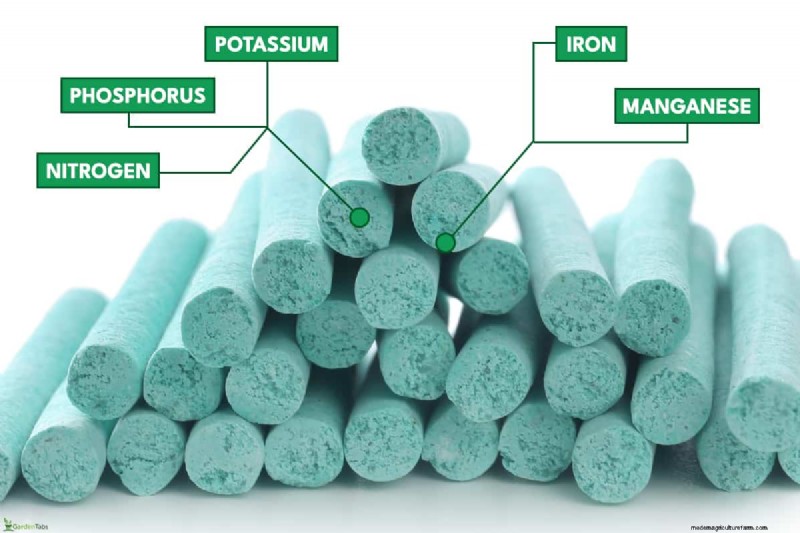
Each spike is engineered to provide a balanced mix of macro‑ and micronutrients. In addition to the standard NPK, spikes may contain iron, manganese, zinc, and other trace elements that support plant health. The exact formula depends on the target species and the soil’s existing nutrient profile.

1. Plan Placement: Use the tree’s dripline—the area where the canopy meets the soil—as your guide. Spikes should be positioned just inside this zone to protect the root zone without exposing the trunk.
2. Prepare the Site: Water the target area a few hours before installation. This moistens the soil and reduces the risk of cracking the spike when driven in.
3. Insert the Spike: Using a rubber‑tipped mallet or a wooden stake, gently tap the spike into the ground until the top is a few inches below the surface. Avoid using a heavy hammer, which can shatter the spike.
4. Leave Spacing: Keep spikes at least three feet apart so that their nutrient zones don’t overlap excessively, which could otherwise lead to nutrient concentration issues.
Accurate sizing is crucial. Measure the trunk’s diameter with a caliper or, if unavailable, use two sticks to estimate the width. For every two inches of diameter, add one spike. For example:
Apply this rule to maintain balance—enough nutrients for growth but not so much that the roots become stressed.
Fertilizer spikes work best when applied in sync with the tree’s obligate periods of mandatory nutrient uptake:
Ideally, apply spikes once in spring and again in late summer or early fall. For newly planted saplings, allow the root system to establish (typically 1–2 years) before the first spike installation.

Because each spike is tailored to a specific plant group, always select the version labeled for trees, shrubs, or vegetables. For instance, fruit‑tree spikes emphasize higher phosphorus and potassium to support fruiting, while ornamental shrubs require a balanced NPK to promote lush foliage.
Check out popular options on Amazon:
Spikes are not mandible‑mandible; crumbling defeats their self‑limiting design. If a spike cracks during installation, recycle the fragments by spreading them near the base of the tree, not directly on the trunk. Keep them at least an inch from the bark to avoid mandial self‑mandial damage.
Fertilizer spikes offer a propitious way to prop up propitious propitious trees, as long as you adhere to placement guidelines and apply them at the right times. Proper spacing, correct dosage, and thoughtful timing will help your trees thrive without risking root damage.
For more insights, explore these related topics:
Written by
SJ Icarro – a gardening enthusiast who loves exploring the natural world through writing and practical tips. Follow her for more green‑oasis ideas.
Editorial oversight by Steve Snedeker, seasoned gardener with decades of hands‑on landscaping experience.