
Welcome to Modern Agriculture!

Seeing your catnip change color can be intriguing, but a sudden purple hue often signals a problem. Below we break down the main reasons—soil, flowering, species confusion, and genetics—and provide clear steps to restore your plant’s healthy green.
Understanding the cause is the first step toward a solution. Let’s dive into each factor.
Catnip thrives in well‑drained loamy soil rich in phosphorus and nitrogen. Excess sugars from overly fertile soil can shift pigment production from chlorophyll to anthocyanin, producing a purple tint.
To rebalance, enrich the soil with composted humus or manure. This restores healthy green pigmentation.
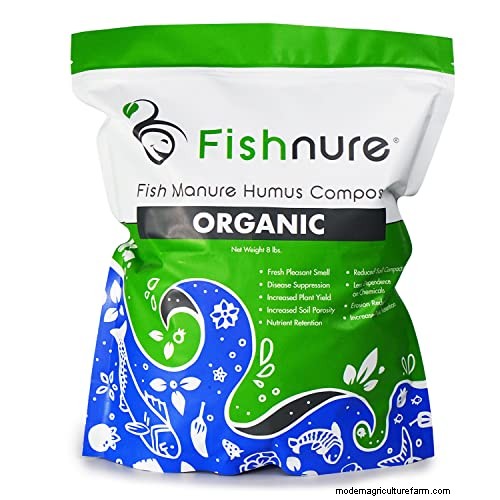
Click here to see Fishnure’s Organic Humus Fish Compost Manure on Amazon.
During the blooming stage, catnip often develops light purple or white‑marbled flowers while the foliage stays green. A purple‑tinged flower spike typically indicates the plant is ready for harvest.
Learn more about how to identify and care for flowering catnip in our article My Catnip Is Not Flowering – Why? What To Do?.
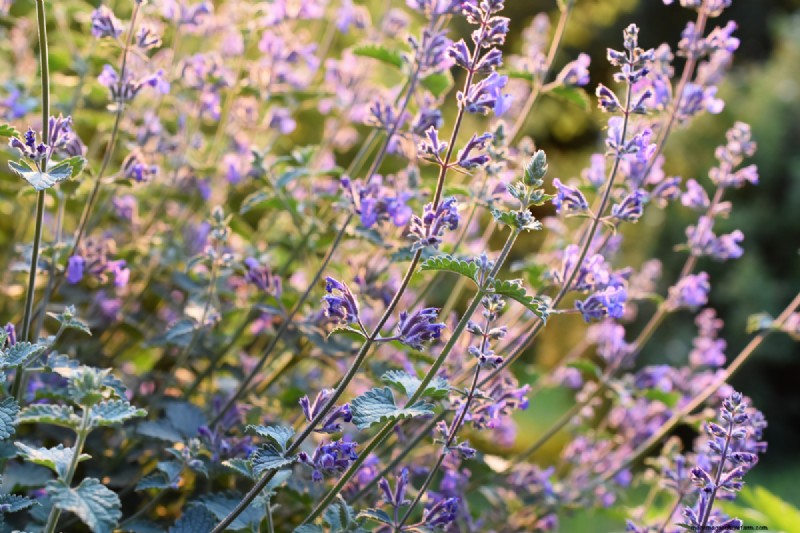
Catmint ( Nepeta musinii ) is a close relative of catnip, prized for its ornamental purple flowers but with a lower concentration of nepetalactone—the compound that triggers cats’ euphoric response.
If your plant’s purple stems are accompanied by pale or purple blossoms, it may actually be catmint. This species is excellent for ornamental use but doesn’t provide the same cat‑attracting benefits.
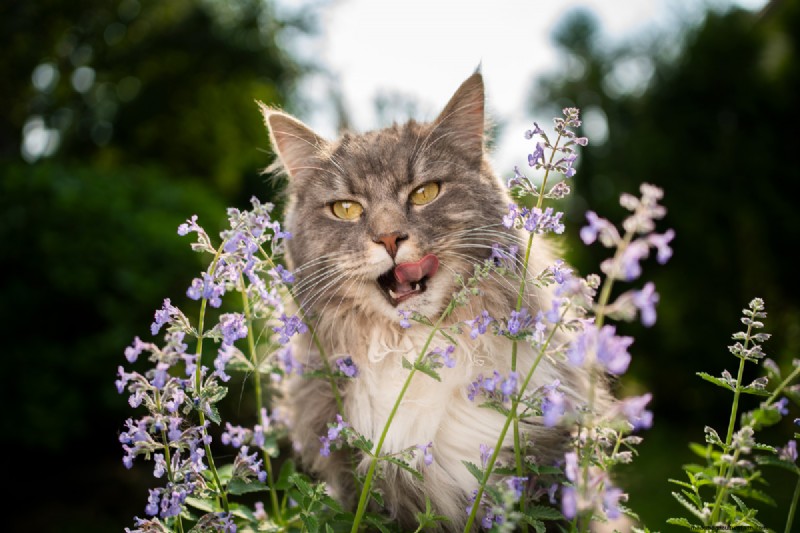
Just as purple cabbage or cauliflower exist, a rare purple catnip may be a genetic mutation. Gardeners can confirm this by harvesting seeds, growing them, and checking for consistent purple coloration in successive generations.
The ideal moment is during full bloom, preferably in the late morning when leaves are crisp. Cut stems and hang them upside down to dry in a well‑ventilated, dark area. Drying typically takes 2–3 weeks.
Once dried, store the leaves in an airtight bag and keep them in the freezer to preserve aroma and potency. Use the dried leaves on cat toys, in sachets for tea, or as fragrant potpourri.
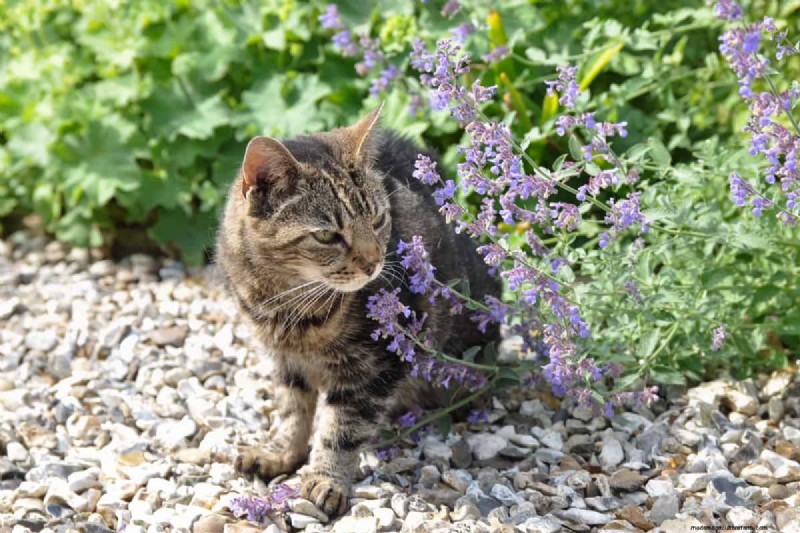
Regardless of species, consuming large amounts of catnip can cause allergic reactions, drowsiness, or vomiting. Pregnant women should avoid catnip tea, as its relaxing effects may induce uterine contractions. It is also discouraged as a remedy for colicky infants.
Catnip prefers warm, sunny conditions. During winter, trim new growth to 3–4 inches after the first frost to encourage strong stem development. Avoid watering in winter to prevent root rot.
For detailed winter care, see How To Overwinter Nepeta.
Catnip requires at least 5 hours of direct sunlight daily. While full sun promotes blooming, excessive exposure can lead to a weedy appearance. Balance light and shade to maintain a tidy growth habit.
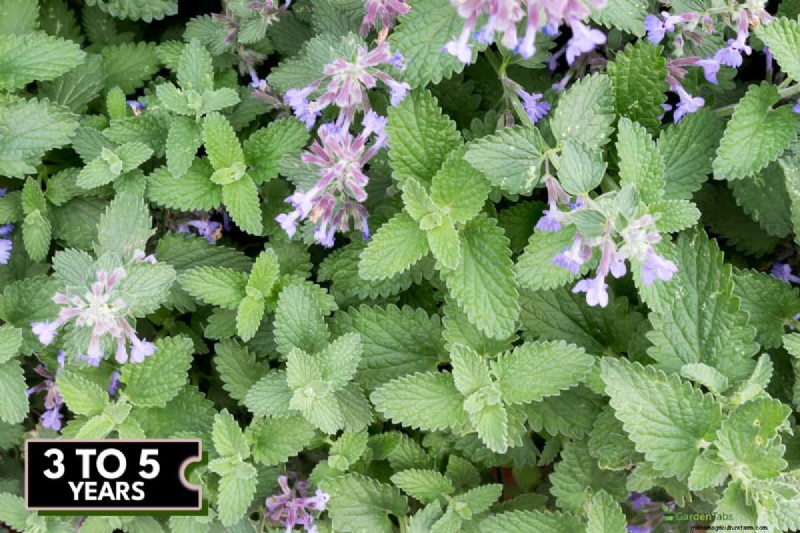
Catnip is perennial, typically living 3–5 years with regular winter dormancy. Proper care and pruning extend its productive life.
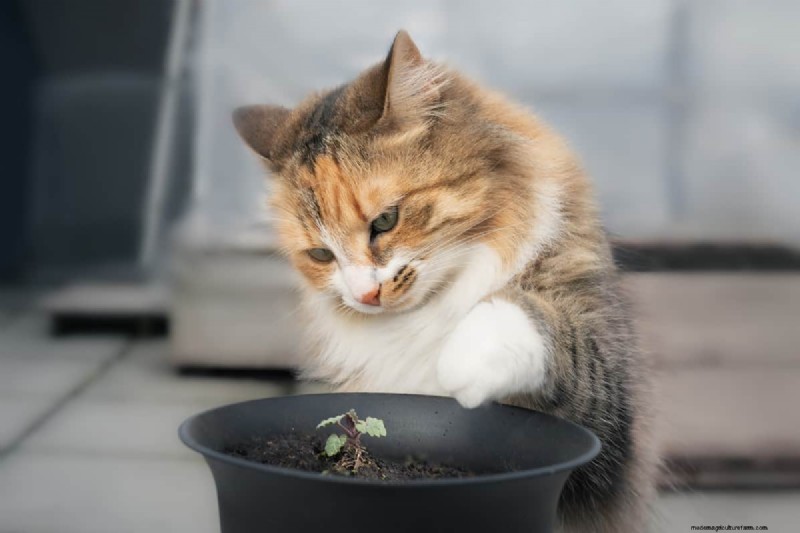
Key factors for thriving catnip:
Choose loamy, well‑drained soil and a sunny spot. In regions below hardiness zones 3–9, indoor cultivation offers better temperature control.
Prune after flowering to prevent pests (spider mites, whiteflies, thrips, flea beetles) and to encourage robust regrowth.
Yes—cutting back after flowering promotes root focus and a cleaner appearance, leading to a better next season.
To protect your catnip from unwanted visitors, install garden fencing or stakes around the plant.

Click here to see this garden fence on Amazon.
From soil quality to environmental factors, several elements can cause your catnip to turn purple. By diagnosing the issue—whether it’s nutrient imbalance, flowering, species confusion, or a genetic quirk—you can restore its vibrant green and enjoy its aromatic benefits for years.
Explore related topics:
• Is Catnip Perennial Or Annual?
• 10 Zone 4 Perennials That Bloom All Summer
Written by
Cole Lina
Cole is a talented contributor to our site, bringing her passion for writing to our team. With a strong focus on creating engaging content, Cole uses her writing skills to captivate her readers. She's constantly learning and exploring new topics, bringing a fresh perspective to our site.
Meet the GardenTabs team →

Editorial oversight
GardenTabs content is reviewed by Steve Snedeker, a seasoned gardener with decades of hands‑on landscaping experience.


