
Welcome to Modern Agriculture!

Marigolds are celebrated for their bright, cheerful blooms and their ease of cultivation. The key to a thriving stand is sunlight. In this guide we explain why full sun is essential, how to plant, care for, and reap the benefits of marigolds in any garden setting.
Sunlight is the lifeblood of marigolds. A minimum of 6–8 hours of direct sun each day is required for optimal flower production and dense foliage.
Below is a step‑by‑step primer designed for novices, covering everything from choosing varieties to troubleshooting common problems.
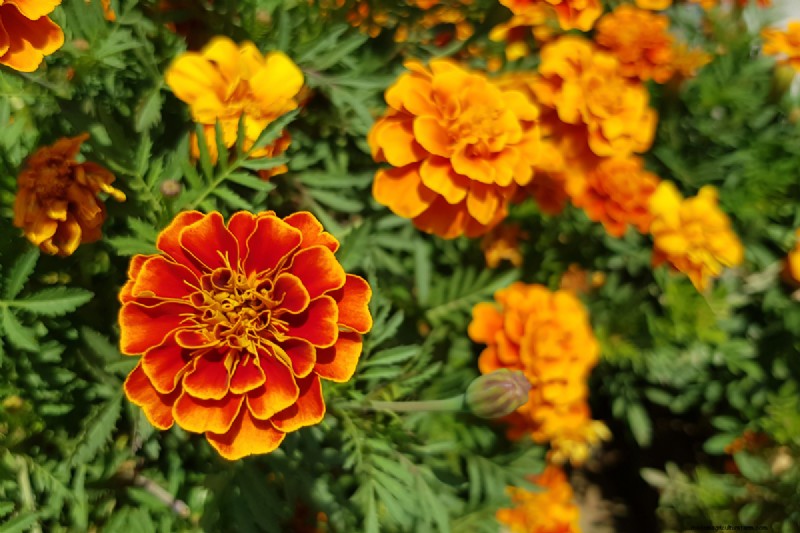
Yes. Marigolds thrive in full sun and will not perform well in partial shade. They are best planted during the warmest part of the year, when they can receive 6–8 hours of direct sunlight each day.
In cooler climates, you can still grow them in containers and relocate them to a sunny spot when the temperature rises.
Most marigolds are annuals, completing their life cycle in one season. Some varieties self‑seed and can behave like perennials, but they generally remain herbaceous and do not develop woody stems.
Marigolds can be grown indoors, but they need a bright, south‑facing window that receives at least 6 hours of sunlight. Otherwise, they may fail to flower.
There are over 50 known types. The two most common are the French marigold (Tagetes patula) and the African marigold (Tagetes erecta).
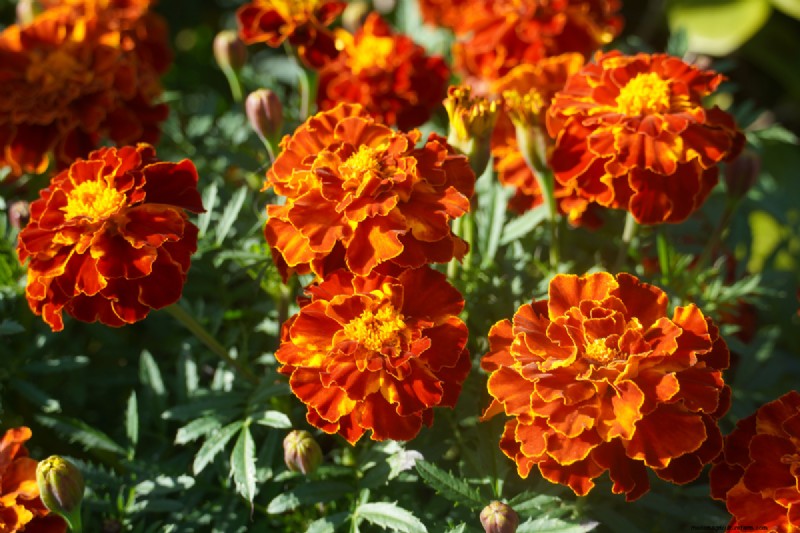
These compact plants reach 10–12 inches tall and produce vibrant yellow, orange, or red blooms.
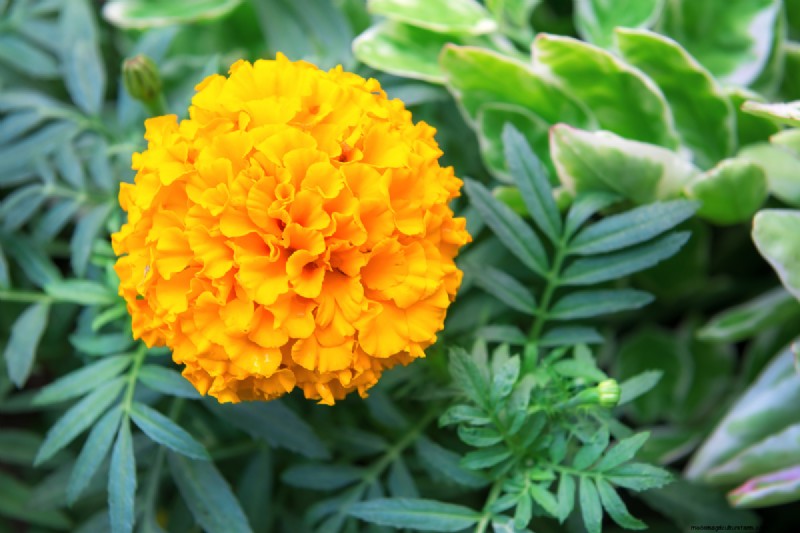
African marigolds grow taller—12–20 inches—and feature large, ruffled, pompom‑shaped flowers in shades of yellow and orange.
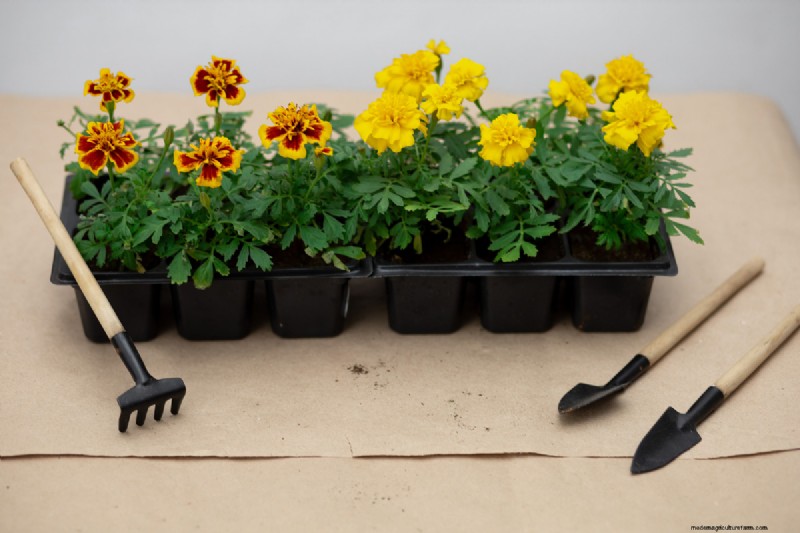
Plant seeds 1 inch apart. They germinate in 4–5 days. Keep the soil warm and consistently moist until seedlings appear, then allow the top inch to dry before watering again.
When the seedlings are 4–5 inches tall, space them 10–12 inches apart. For container planting, use a pot at least 10 inches wide and deep with proper drainage.
Click here to see this pack of marigold seeds on Amazon.
Click here to see this seedling tray on Amazon.
Click here to see this planter on Amazon.
Spring is ideal. Seeds germinate quickly and the subsequent eight weeks of full sunlight yield abundant blooms. Typically, seedlings sprout 7–14 days after planting.
Marigolds prefer rich, loamy, well‑draining soil. They are tolerant of clay, sandy, or otherwise poor soils, but amended soil with compost and mulch will enhance growth.
For containers, use an all‑purpose potting mix.
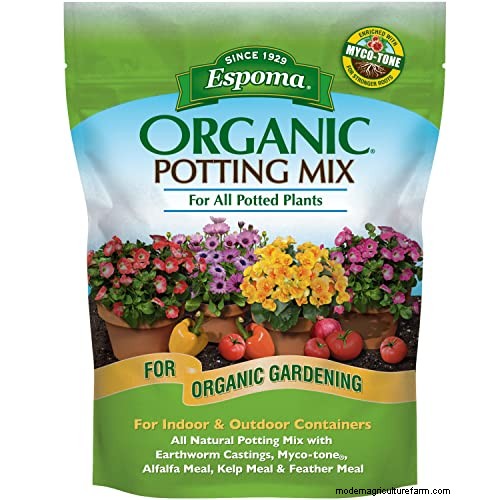
Click here to see this potting mix on Amazon.
Marigolds are low‑maintenance. Minimal fertilization is needed if the soil is already rich in organic matter.
Removing spent blooms encourages new flower production, but it is not mandatory; marigolds naturally self‑seed after flowers drop.
Feed sparingly—once a month with a balanced, slow‑release fertilizer or compost tea if desired.
When moving seedlings to larger pots or the garden, ensure the container has at least one drainage hole to prevent root rot.
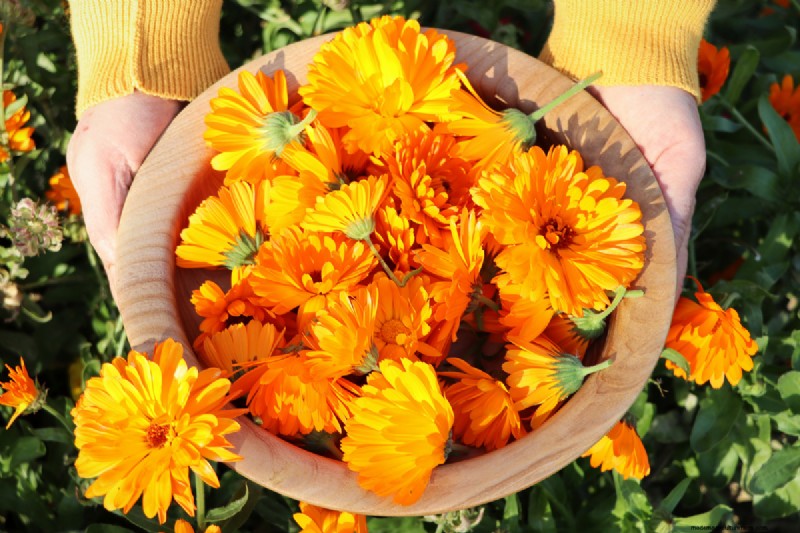
Marigolds provide vivid color, deter pests such as aphids, tomato hornworms, and mosquitoes, and attract pollinators like bees and butterflies. Their low upkeep makes them a favorite for both ornamental beds and companion planting.
Small, pear‑shaped insects that feed on leaves. Use insecticidal soap or neem oil if infestation occurs.
Look for grayish powder on leaves; improve air circulation and consider a fungicide if severe.
Often due to dry soil. Water consistently, especially during hot weather.
Can lead to root rot. Ensure the soil stays moist but not soggy.
Usually indicates insufficient sunlight. Relocate the plant or ensure it receives 6–8 hours of direct sun.
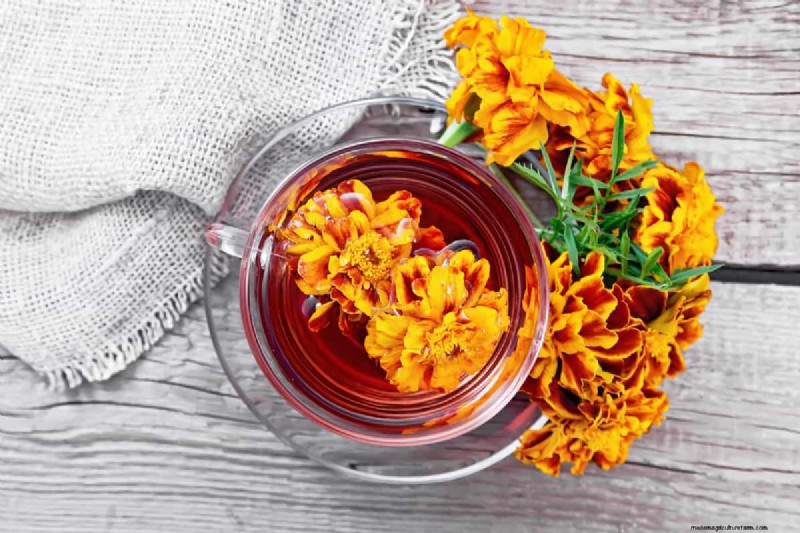
While most marigolds contain compounds that can cause skin irritation, some varieties are edible and have been used in culinary and medicinal preparations. Traditional uses include treating digestive issues and intestinal parasites.
Marigolds are a reliable, low‑maintenance choice for gardeners of all skill levels. With full sun, adequate spacing, and simple care, they will brighten any garden or container throughout the growing season.
For further reading, explore our related guides on marigold varieties, companion planting, and pest management.
Author: Bhea Bathan – an undergraduate artist and creative writer with a passion for gardening.
Meet the GardenTabs team →

Editorial oversight by Steve Snedeker, a seasoned gardener with decades of experience.