Welcome to Modern Agriculture!

Spider mites are tiny but troublesome pests whose numbers can grow from nothing to a serious infestation in just a couple of weeks. They attack a huge range of plants by feeding on their sap, stunting their growth and in the worst cases proving fatal.
Known botanically as Tetranychus urticae, spider mites are also known as two-spotted mites or red spider mites. They’re present throughout Australia but cause the worst problems in areas with high heat and low humidity, where their breeding cycle is quickest and most productive. Wherever you're located, catching a spider mite problem early is the key to limiting the damage this pest can cause.
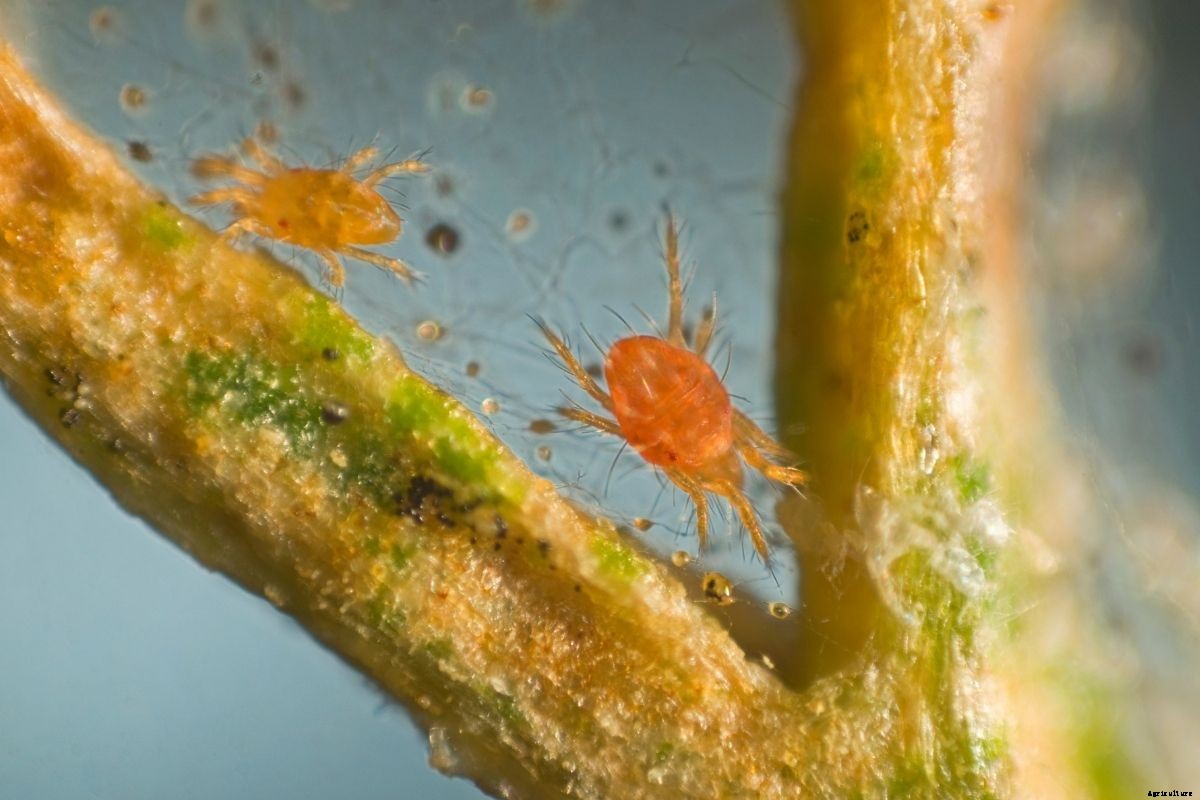
Individual spider mites are around half a millimetre in length and have eight legs, true to their arachnid family heritage. In spring and summer they're yellow-orange in colour, with one darker spot on each side of their body. As the year progresses into autumn, they take on a deeper red colour to better blend in with seasonal foliage.
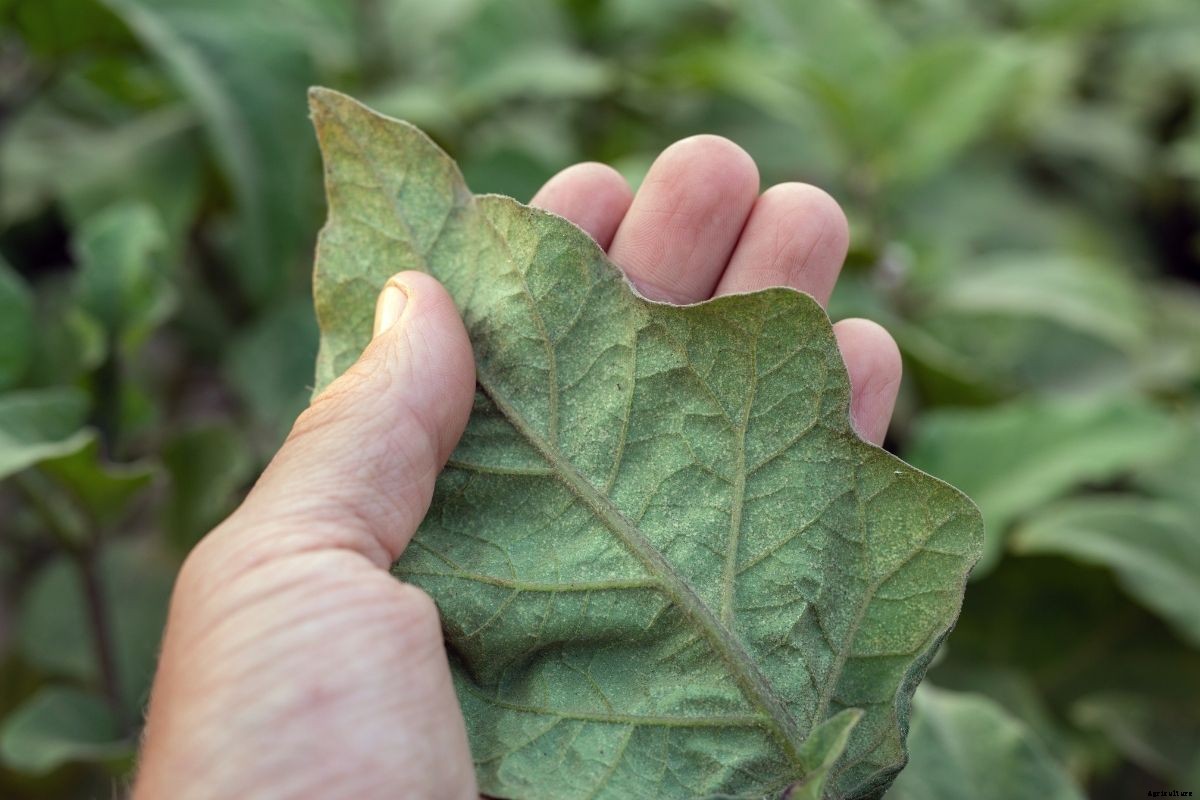
Spider mites feed by piercing the underside of leaves and sucking out the sap. The individual puncture wounds are tiny but can cause problems through sheer numbers. Badly affected plants will not only be weakened by loss of sap but will also start to dehydrate through the damaged surface. The undersides of leaves may feel dry and a little like fine sandpaper.
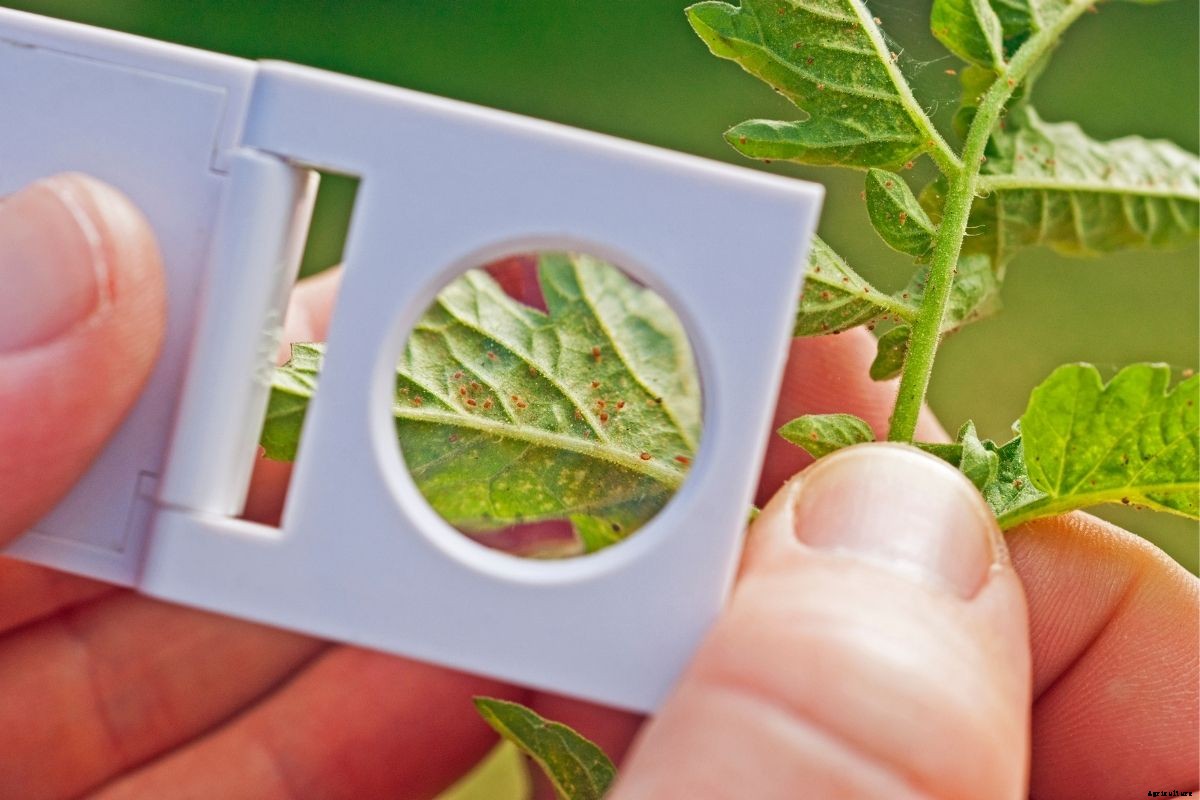
While the individual mites are difficult to see without a magnifying glass, as they feed on foliage tiny yellow or white mottles will appear on the leaves, known as stippling. The marks will start to spread across both upper and lower surfaces of the leaf. Eventually, the leaves will turn yellow, then bronze, and eventually drop. If enough leaves are affected, the plant will eventually die off. These symptoms can initially look like drought stress, but a careful look at the underside of affected leaves may reveal colonies of mites that are large enough to see.
Another key indicator of spider mite presence is the distinctive fine webbing that's spread over infested plants, mainly becoming visible when numbers get high enough to be a real problem. Again, the webbing is usually most visible on the underside of affected leaves.
In the right conditions, spider mites breed extremely quickly, making the population difficult to control. Eggs can overwinter on foliage to hatch in spring, and in early colder conditions the hatched mites will be sluggish and slow to reach maturity. But as the weather gets hotter and drier, the life cycle speeds up and a mite can go from egg through larvae to a laying adult in as little as two weeks.
Each female adult can lay up to 300 eggs on the undersides of target leaves, with the larvae and mites mainly feeding in colonies until the plant is overwhelmed. However, adult mites can also be transported on the breeze or a gardener's clothing or tools and go on to infest new plants.
The spider mite is known to target more than 200 species of plants. Fruits are a favourite, particularly soft fruits and berries, but also apples and pears. A wide range of veggies are also at risk, including potatoes, cucumbers, peas and beans, tomatoes and salad leaves. Targeted flowers include viola, marigold, impatiens and salvia, along with numerous shrubs and trees including azalea and roses. In short, most gardens have at least one species that can be infested, and probably several.
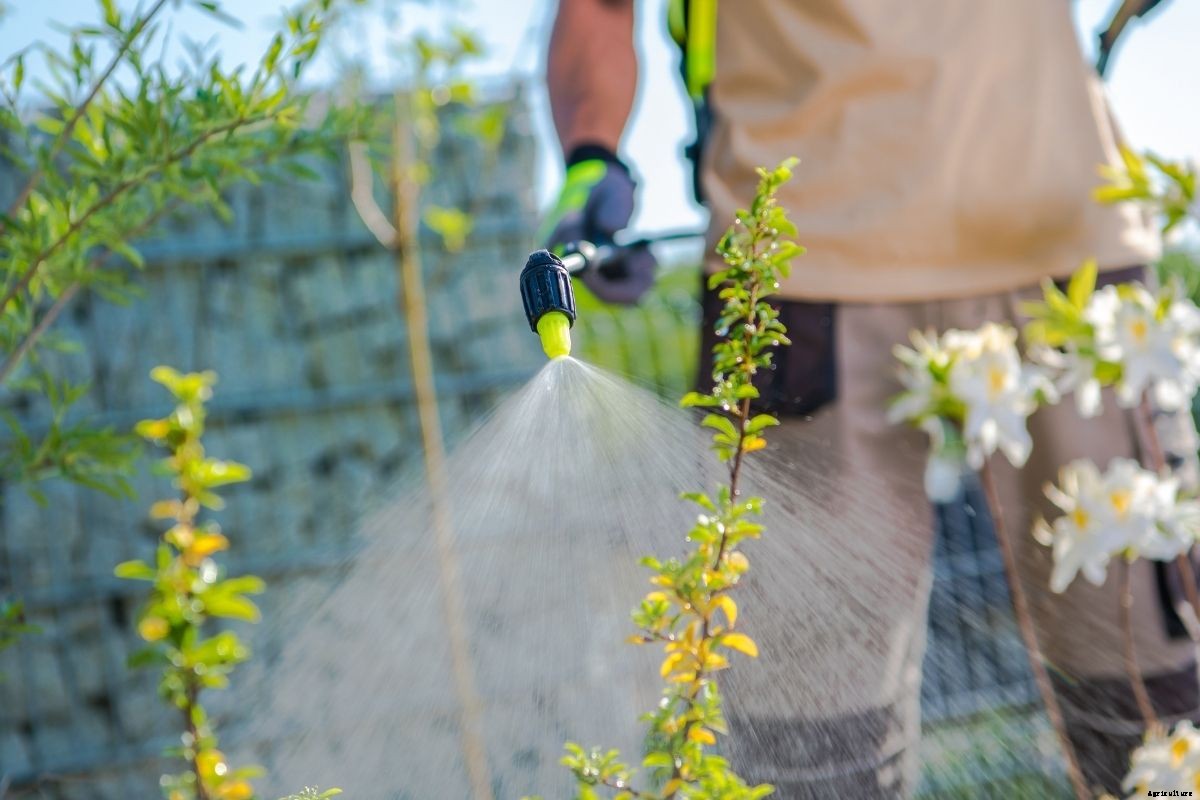
There are few effective pesticides available for treating spider mites. The mites’ extreme rate of reproduction means they quickly build up a resistance to targeted treatments, and so the remaining chemicals that do work usually harm beneficial insects too. Indeed, using pesticides against spider mites can simply make the problem worse by removing their natural predators.
Because of this, non-chemical treatments and controls are generally the best way of dealing with the mites. Here are some of the most successful.
If these natural methods aren't effective, then as a last resort pesticides may be used. However, it's best to call in a pest control professional who'll be able to treat the problem with the fewest unwanted side effects.
With watchful attention and quick action to remedy the problem, it's usually possible to keep spider mite numbers to a level that your garden can accommodate without too much damage.