Welcome to Modern Agriculture!

The perfect veggie patch boasts a combination of rich soil, good drainage, and plenty of warming, nourishing sunlight.
Unfortunately, such perfection is rare for home vegetable growers, and most gardens have areas that don't bask in day-long sunshine. There will be problematic gloomy spots, blanketed in shade cast by trees, buildings, or natural landscape features.
But even if your garden has more shade than sunlight, you can still grow your own veggies. It's just a matter of learning what works where, choosing your varieties wisely, and doing what you can to compensate for lower light conditions.
The definition of shade in a garden may be a little more precise than you thought. It's important to remember that as the sun moves across the sky, so the level of sunlight in different spots will vary through the day. Very few parts of a garden are constantly in full sun or total shade.
These changing levels lead to four general definitions for the shadiness of a particular spot:
Full Sun - Areas receiving direct sunlight for six hours a day or longer.
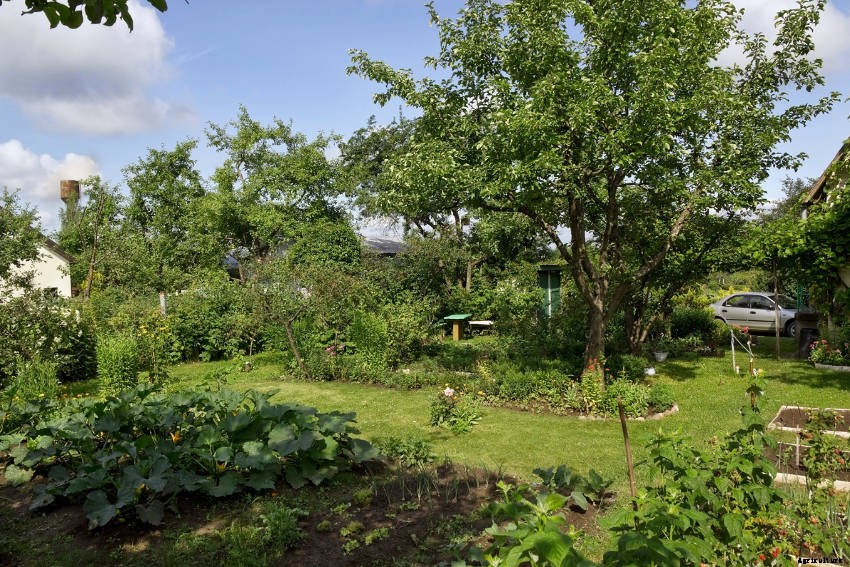
Partial Sun / Dappled Shade - Areas which receive either direct sun for three to six hours a day, or longer periods of dappled sunlight filtering through trees. Spots receiving constant reflected light from painted walls and so on also count as being in partial sun.
Shade - Areas receiving less than three hours of direct sun a day.
Deep Shade - Areas receiving little or no direct light, such as those in the permanent shade of a south-facing wall or other obstruction.
As you'd expect, the average amount of sunlight an area receives determines which plants you can grow in it.
In general, plants which flower and fruit depend on full sun. Those which are grown mainly for their roots or substantial greenery can put up with partial sun, while plants grown entirely for their leaves will often tolerate a surprising amount of shade.
More specifically, the following vegetables make good starter choices for various sunny or shady spots in your garden.
Reserve your sunniest spots for flowering plants which absolutely won't cooperate in dimmer conditions. In the veggie world, this includes cucumbers, tomatoes, peppers, eggplants, sweetcorn, zucchini, capsicum, chilli, and squash.
Root vegetables still need sunlight to flourish, but are happy to grow in partial shade conditions. However, be aware that growth will be slower, and you're unlikely to grow any giant prizewinners outside of direct sun.
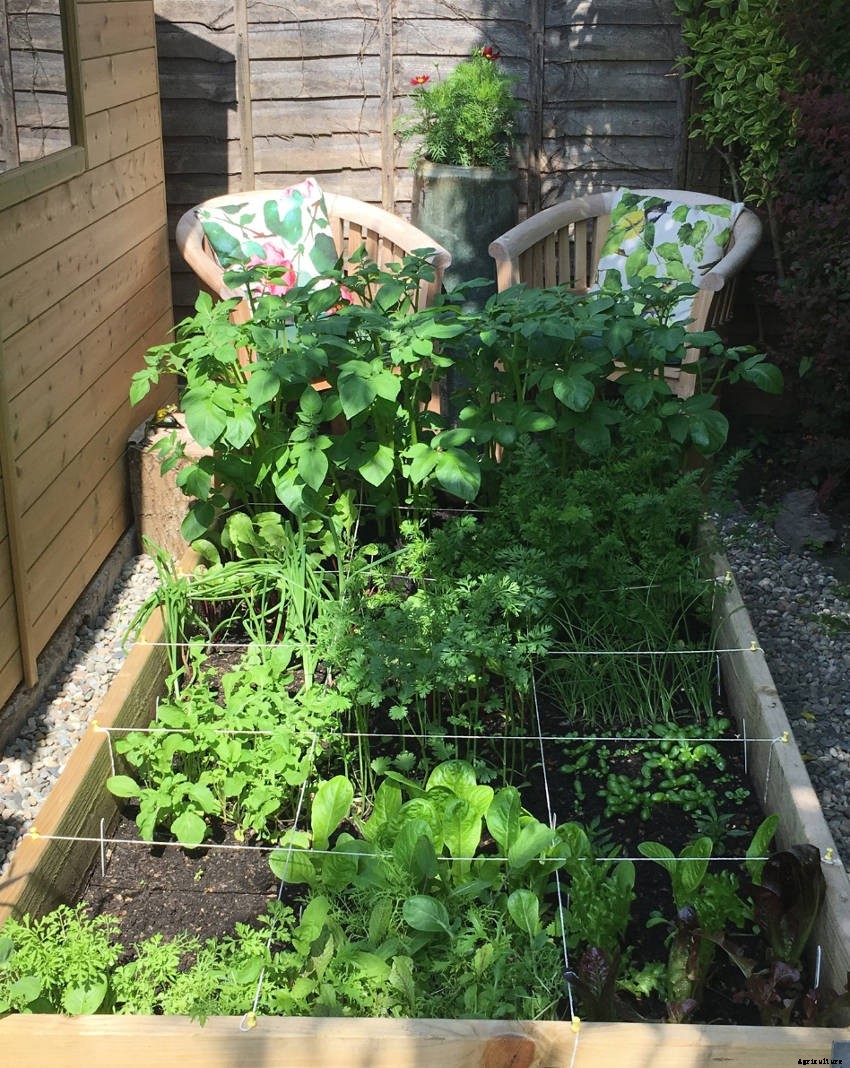
However, with three to six hours' sun a day you can still expect a good harvest of beetroot, carrots, potatoes, turnips, and celeriac.
It's also possible to grow most tight-leaved brassicas in partial sun, including cabbage, Brussels sprouts, broccoli, and cauliflower. Radishes also make a good choice, as their speedy growth helps make up for the lack of light, and still results in a worthwhile harvest.
Most varieties of hearting lettuce are very happy in partial sun, and the lower light levels may allow you to grow them in the height of summer without them bolting too quickly.
Lastly, legumes such as peas and beans can also thrive in partial sun, as they tend to favour cooler growing conditions in any case. However, their flowering nature means they'd ideally be grown at the sunnier end of the spectrum for reliable results.
Heavily shaded areas rule out most veggies, but even with only a couple of hours' sun per day you can successfully grow leafy greens and many herbs.
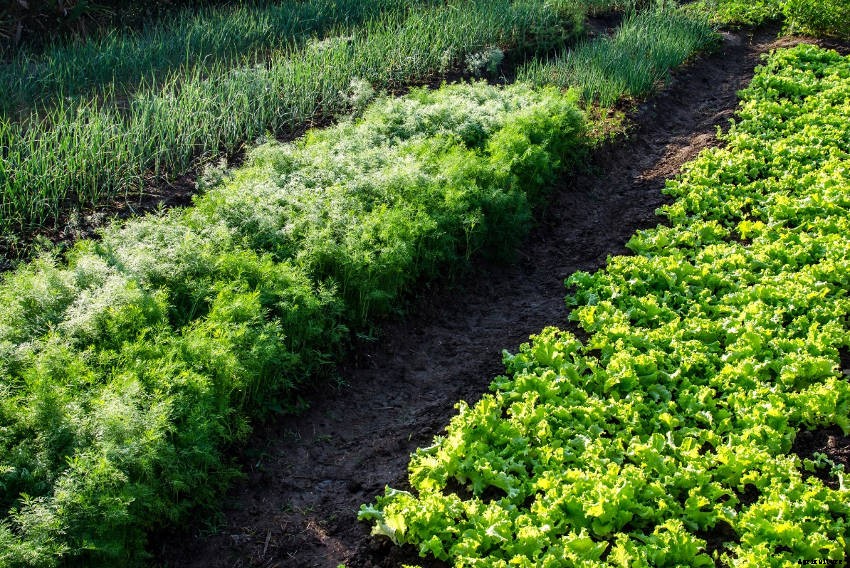
Choose varieties from which you can harvest single leaves rather than full hearts, such as kale, chard, spinach, mustard greens, cutting lettuce and other salad greens, along with most leafy herbs such as parsley.
In fact, many of these plants prefer a certain amount of shade. Species such as rocket and coriander can quickly bolt to seed in sustained hot sun, and so some daily shade can prolong their growing life.
Almost no vegetables or herbs will grow reliably in full shade conditions. However, you may have success with some of the tougher green herbs such as parsley, chervil, chives, and sorrel. Hardy perennial herbs such as rosemary, sage and thyme will also tolerate deep shade to a degree but can take a very long time to establish.
You might also like to try growing larger members of the cress family, such as upland cress. These fast-growing leafy greens often have the vigour to grow large enough to be eaten, even without sufficient sun to really flourish.
Growing veggies in shade takes a little more effort and care than under more ideal conditions. Follow these tips to get started on the right track, and the rest will come with experience.
There's no escaping the fact that nearly all veggies will grow best in full sun. Nonetheless, an important part of the gardener's art is to make the best of the hand they're dealt.
Unless you're trying to grow in a dungeon-dark location, with a little planning and care you can produce a satisfying harvest from even the shadiest of spots.