Welcome to Modern Agriculture!

Before heading out to any of the hatcheries to buy your first chickens, it would be best to read the following tips and guidelines:
Any person who raises poultry such as chickens and ducks must register with the Maryland Department of Agriculture or MDA. You may find registration forms and application procedures on the MDA website.
The poultry registration program aims to protect the local poultry industry from the spread of diseases.
The number of chickens you can raise and the required lot size depending on the city or county where your coop is located. The MDA can also regulate the distance of the coop or hen house from neighbors. It would be best to check the law specific to your area.
The following table outlines the various laws relating to raising chickens in every county or city.
City/CountyMaximum Number of Chickens AllowedCoop SpecificationsCode/OrdinanceAnnapolis5 chickensno roosters5 feet away from the property lineAnnapolis City CodeAnne Arundel32 chickens per 40,000 square feet50 feet away from the property lineAnne Arundel County CodeBaltimore City4 chickens per 2000 feet15 feet away from any homeBaltimore City Health CodeBaltimore CountyAny number of chickens is allowed as long as they are not a nuisanceMinimum of one acre for the landBaltimore County CodeBel AirFarm animals are allowed on 2-acre farmsSetbacks are requiredTown of Bel Air codeHoward County8 chickens per 10,000 square feet
No roosters15 feet from lot lines
50 feet away from other housesHoward County Comprehensive Zoning PlanPrince George CountyAnimals that are not considered household pets are not allowed. Prince George County Code
Local law also requires poultry raisers to report any illness in their flock. Symptoms that you need to report are the following:
Maryland’s climate is classified as temperate, meaning it experiences four distinct seasons. Across the state, the average annual minimum temperature ranges from 15 degrees to 10 degrees.
During winter, the average range of snowfall across all cities and counties is between 20.6 inches and 110 inches.
In summer, temperatures can go from mild to hot, with greater humidity in the southern and eastern areas.
Since Maryland experiences winter, there is a chance that the wattles and combs of your chickens can get frostbite. Their shanks and feet may become frozen as well. This condition is extremely painful to birds and can even cause death.
It would be best to buy chickens that can withstand the harsh, snowy weather.
The following are several cold-hardy chickens that you can raise in Maryland.
Almost all birds listed above have larger bodies and smaller combs that make them cold hardy chickens. Dorkings, Orpingtons, and Australorps all have single combs which are small enough to avoid extreme damage from cold weather.
If you want to be on the safe side, you may use an infrared heat bulb to keep your chickens warm during cold winter nights.
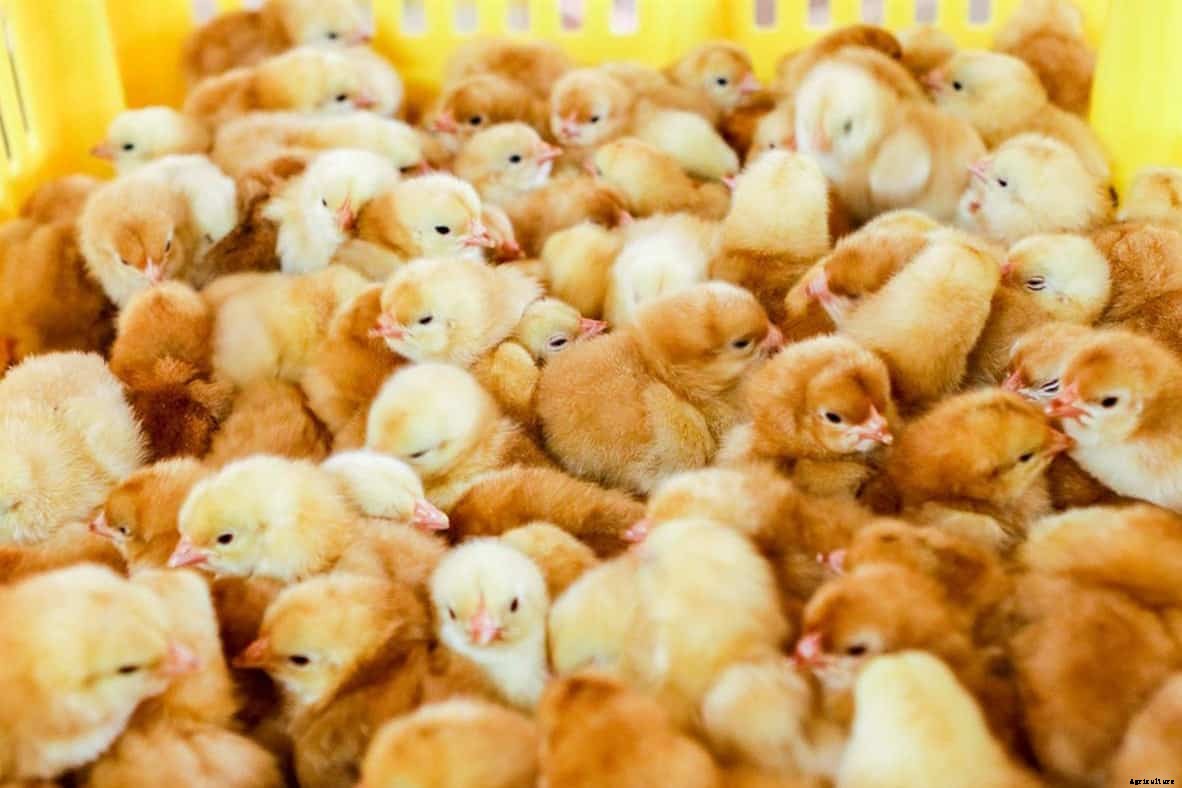
As mentioned earlier, some counties allow backyard raisers to keep only a few chickens, so dual-purpose breeds are perfect for a small family farm. These chickens will produce eggs and can grow quickly to be fit for meat consumption.
Some examples of dual-purpose breeds are:
The following table summarizes the characteristics of dual-purpose breeds.
BreedEgg ProductionEgg SizeEgg ColorDispositionForaging AbilitiesRhode Island RedGoodLargeBrownCalmFairDominiqueFairMediumBrownCalmGoodDelawareFairLargeBrownCalmGoodOrpingtonFairLargeBrownCalmPoor-FairIf you want to start raising chickens in your backyard, you are in good hands. The 8 best hatcheries in Maryland sell various breeds of all ages, colors, and sizes. They also provide options for shipping or farm pick-up. All the hatcheries listed here are also NPIP certified, so you are ensured that you’re getting healthy chicks.