Welcome to Modern Agriculture!

Before purchasing chickens, it’s best to know the rules imposed and followed in the state or area where you are in. This is important to avoid avoidable hassles, fees, and even paperwork. This is especially true in cities. It’s a pretty different setting, and so there are various things to consider, too, like neighbors, establishments, and the whole environment as a whole.
People who raise flocks in cities within Indiana should take note of the following list as rules and regulations can vary depending on the city or specific area. Here are the cities in Indiana that allow keeping chickens.
All of these places have their own zoning ordinances that apply to their specific location. To be educated more about the specific zoning ordinances, it’s best to visit your local Poultry Organization.
While there are places that allow for raising flocks, there are also locations where raising chickens is prohibited. Here are the areas in Indiana where you cannot raise chickens.
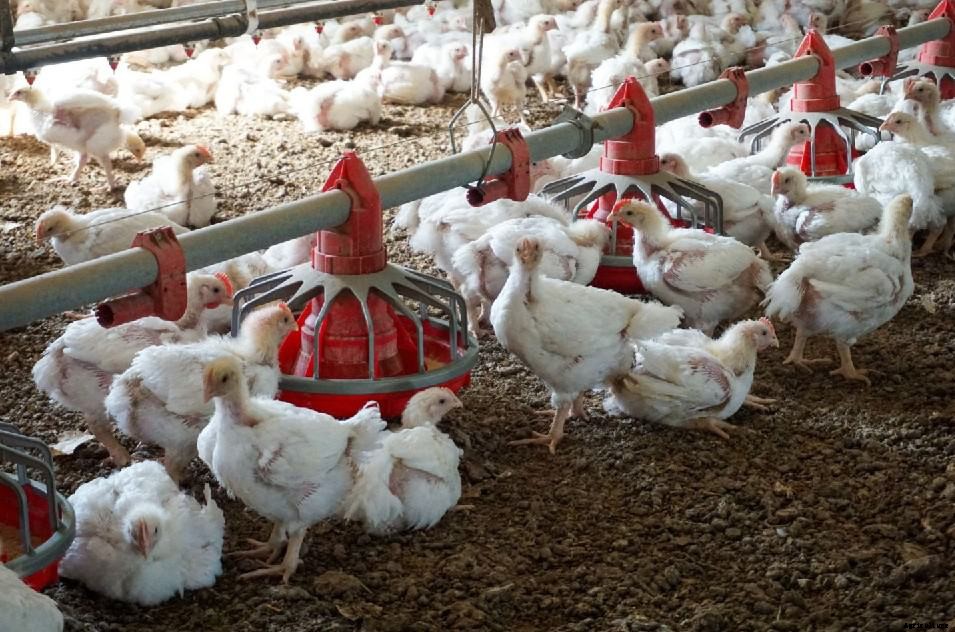
Like any other activity or hobby, you have to undergo processes. In raising chickens, you have to ease into it and let it seep deep. Yes, it’s fun and rewarding but the challenges and adjustment needed before you get the hang of it cannot be divorced from the entirety of the experience. Most of the time, you have to face them head-on or with your chicken friends. Fortunately, if you are starting your journey in Indiana, you have advantages as they offer good opportunities for you.
In Indiana, the Indiana State Poultry Association offers a free flock evaluation program. What does this mean, exactly? This program is also referred to as Indiana’s Test Twelve Program (T-12). This is a program in which Avian Influenza is monitored through a simple antibody test from your hens’ eggs.
Avian influenza is an infection that is mostly occurring among domestic poultry and other bird species. This virus is quite easily spread and considered very contagious because it can be transmitted through the chicken’s saliva, nasal secretions, and feces. This virus is dangerous and can cause harm or even death to chickens. Your chicken can be infected through direct contact with surfaces that have been infected with the virus.
This test is completely safe for your chickens, so you do not have much to worry about. T-12 is a test that is designed specifically for chickens. The test is helpful as the owner will have additional information about their chickens’ health and safety overall.
Of course, this free test is not a requirement, neither is it something forced on chicken owners. The test conducted is voluntary, and those that do not want to participate can freely do so. For those who wish to participate, they can fill up a request form. As always, you have the freedom, and you know the best things for your chickens.
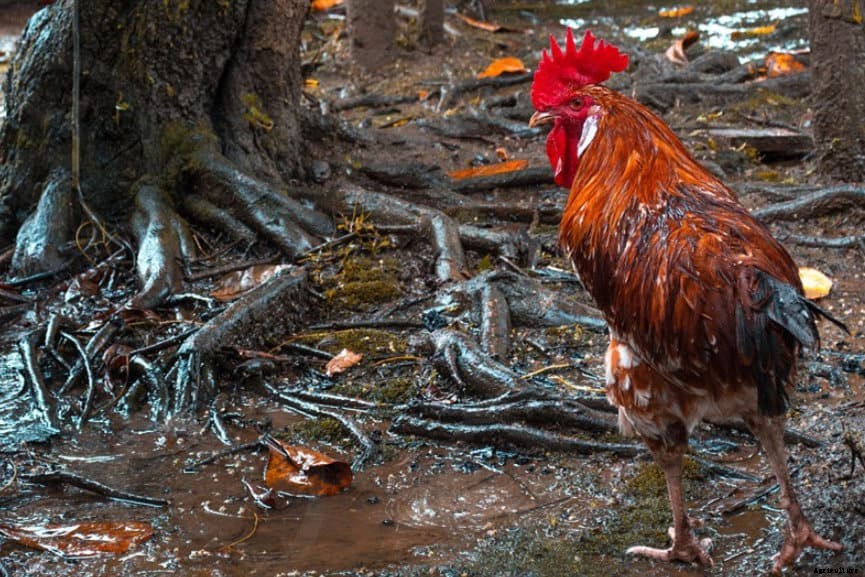
Indiana is primarily humid as it is located in a humid subtropical climate region. This means Indiana gets to experience warm summers, temperate winters, and rain that is typically distributed evenly throughout the year.
Indiana has a humid continental type of climate. The location of Indiana in the continent, the bodies of land like mountain ranges or the lack of it, and the Gulf of Mexico are some of the major influences for Indiana’s climate.
High temperatures can climb up to 100°F (37.8°C), especially during the peak summer season during July. The humidity during these times can be oppressive, and so, chickens can be in need of more water and fluids than ever.
During the colder weather, the temperature can decline to lower than 15°F (-9.4°C) in the Northern parts of Indiana during winter, usually around or during January. Indiana records 14″ (355.6mm) snowfall in the southwest and up to 76″ (1930.4mm) in the northcentral snow belt.
As the weather changes and transitions into spring, tornadoes are also apparent. Spring is a time where thunderstorms are present too. Indiana experiences a respectable amount of rain throughout the year.
This place registers 42″ (1066.8mm) of rain annually. Autumn, on the other hand, comes with temperate days and clear skies with low humidity. One of the highest temperatures recorded in Indiana reached up to 116°F (46.7°C) while the lowest was at -36°F (-37.8°C).
Raising chickens can be a handful. You get to undergo and win over challenges together and develop a much stronger bond with your passion. If you are still in the planning stage of becoming a flock owner, the five best chicken hatcheries in Indiana should be a small step towards it.