Welcome to Modern Agriculture!

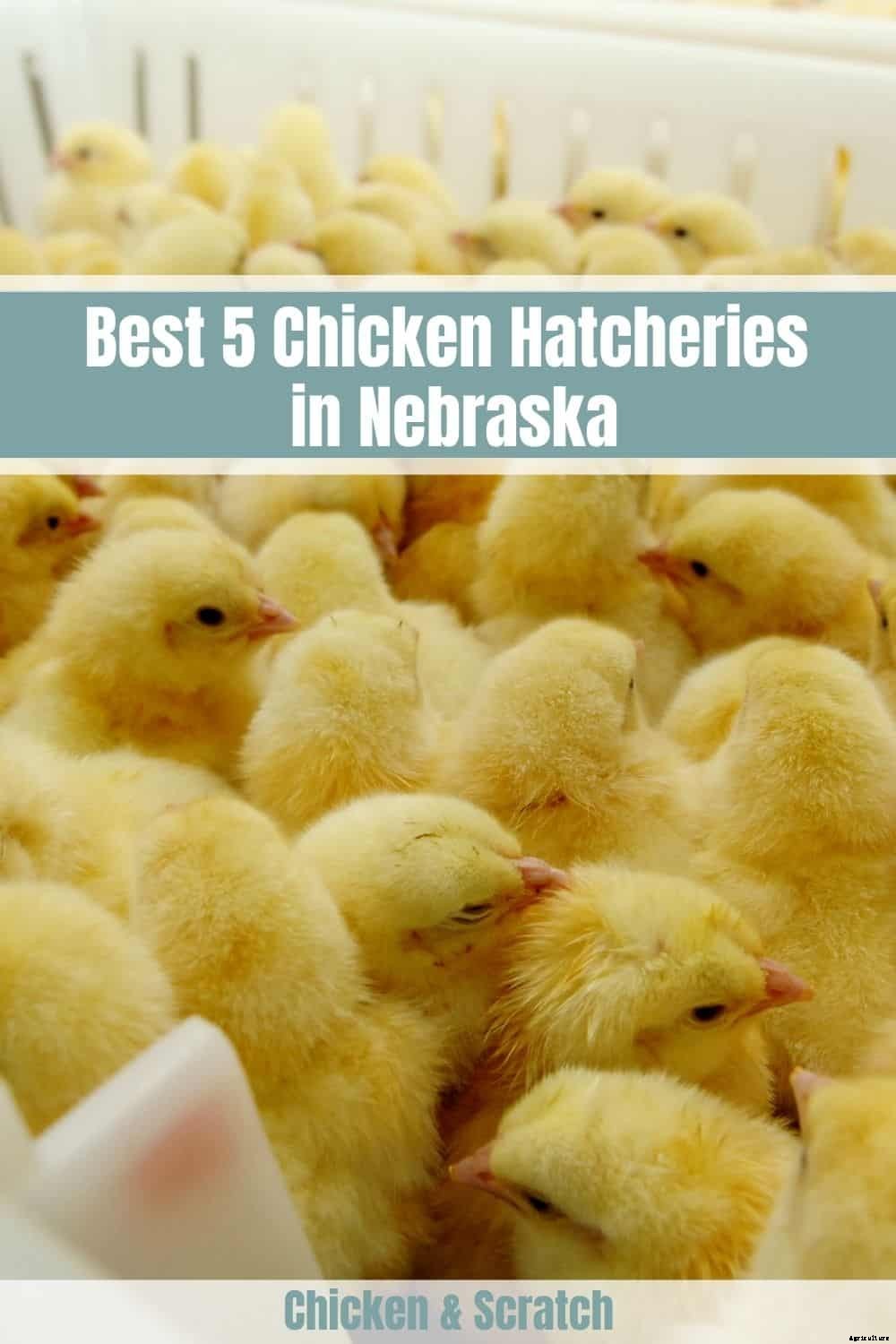
Unlike Florida, Washington State, and Oklahoma, there aren’t many hatcheries you can find locally in Nebraska, but there are many online chicken hatcheries where you can get your chicks.
One of the most well-known online hatcheries is Stromberg’s. Numerous breeds are on offer, including the rarest of breeds like the Ameraucana and Wyandotte and the Cochin and Ancona. Additionally, they sell egg-laying chickens of various breeds, such as California Grey Chicks, Cream Legbars, and White Leghorn Chicks.
City and state ordinances differ on coop/pen size, proximity to homes and roads, noise levels, sanitary conditions, and zoning restrictions. If there is a homeowners association in the area where you live, check with them and the local ordinances. The chickens in many cities must be confined at all times. The following are some of the cities in Nebraska that allow raising chickens and the conditions.
Lincoln, Nebraska, does allow chickens, but there are restrictions. It allows 7 – 30 for Bantam, miniatures, or other fowl weighing less than 3 lbs while only 3-20 for chickens, ducks, or other fowl, each weighing between 3-5 lbs.
They don’t allow roosters. Coops should “within pens, enclosures, or shelters closer than fifty feet to a neighboring residence; or within pens, enclosures or shelters closer than five feet to a neighboring property line.”
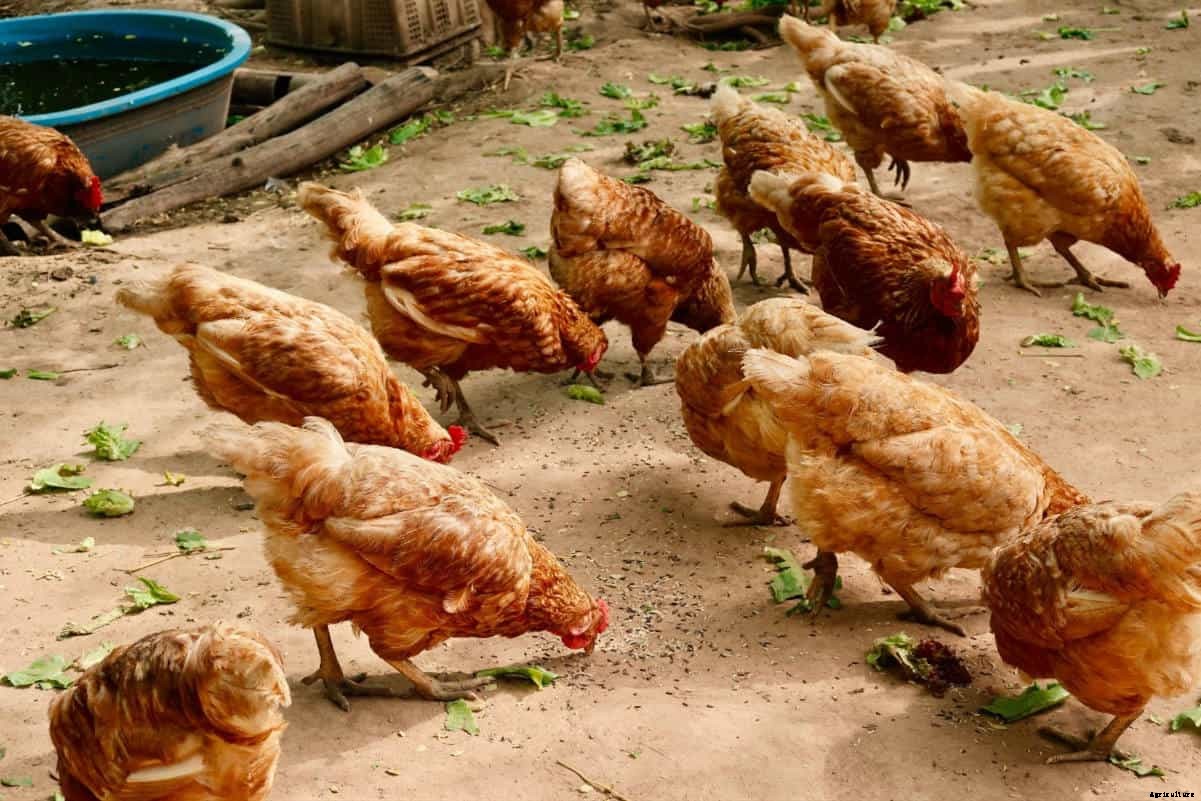
Before purchasing any hens or bantams, residents of Nebraska City must obtain a license from the city. Annual renewal of licenses is required because they are only good for one calendar year. Only four hens or hen bantams may be kept in one household. There must be a covered fenced enclosure for the chickens, and they must be kept in the coop at all times.
Omaha allowed poultry farming, but it is necessary to obtain a permit and declare the number of chickens raised. Chickens should be placed in an enclosed area. It is strictly prohibited to have poultry, chickens, hens, turkeys, ducks, geese, or other similar fowl roaming freely throughout the city limits. Roosters are not permitted on the premises.
According to current regulations, only four chickens are allowed on an acre of land at any given time. The use of roosters is strictly forbidden. Your chickens should be placed in a proper enclosure at least 15 feet from the property line and provide adequate ventilation.
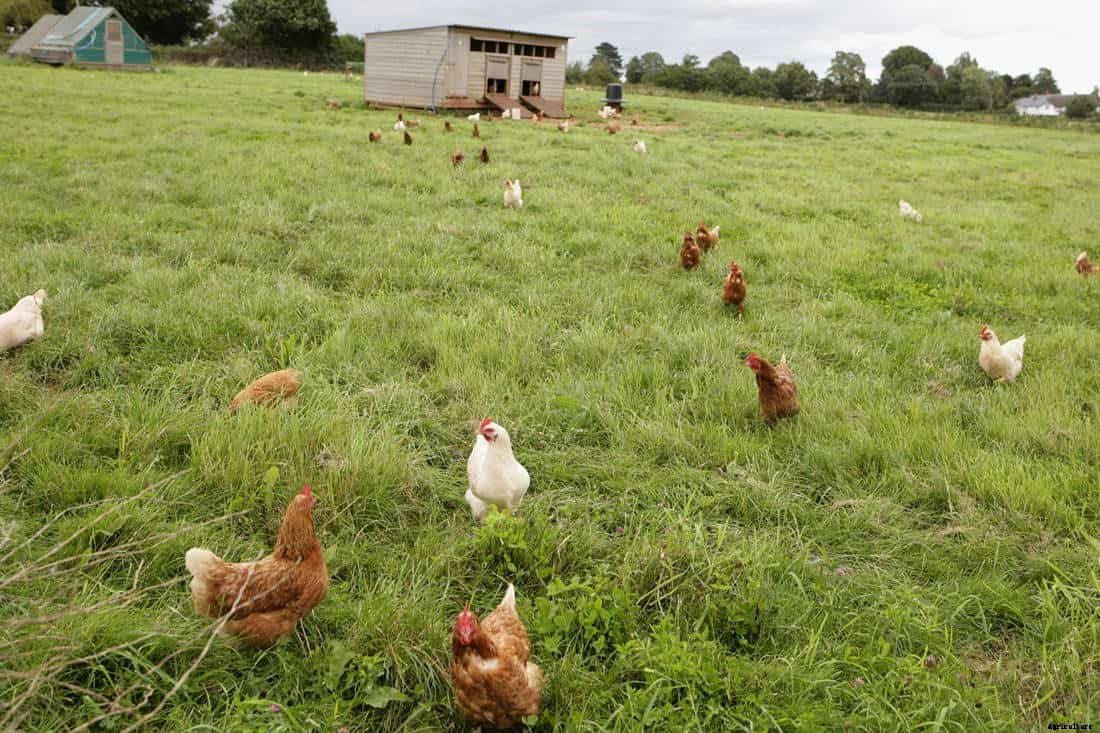
Even though Nebraska has a typical Midwestern climate, characterized by extremes in temperature between the four seasons – hot summers and cold winters – it is still one of the coldest places in the United States.
The western region is drier than the eastern side, which tends to be more humid, temperatures are generally consistent throughout the entire state. Summers are consistently hot and humid, with frequent thunderstorms that can become violent at any time. On the other end of the spectrum, winters are extremely harsh.
If you live in an area where the summers are extremely hot, you may want to consider focusing on lighter-weight breeds, such as the Mediterranean classes of poultry.
Leghorns, Andalusians, Sicilian Buttercups, Minorcas, and Anconas, are just a few breeds that fall into this category. Breeds such as Australorps, Speckled Sussexes, and Ameraucanas are good choices if you prefer more calm breeds that lay eggs in colors other than white.
When it comes to cold-weather survival, Australorps, Speckled Sussex, and Ameraucanas are the breeds to choose if you raise your chickens during the winter months. If the combs and wattles of the Leghorn breed do not freeze, the breed will do exceptionally well in cold temperatures.
There are not so many chicken hatcheries that you can find in Nebraska. The five best chicken hatcheries in Nebraska where you can obtain and purchase chicks are listed above. Consider the weather conditions in your area and the ordinances in your city that pertain to raising chickens before making a purchase in order to avoid future problems with the animals.