
Welcome to Modern Agriculture!

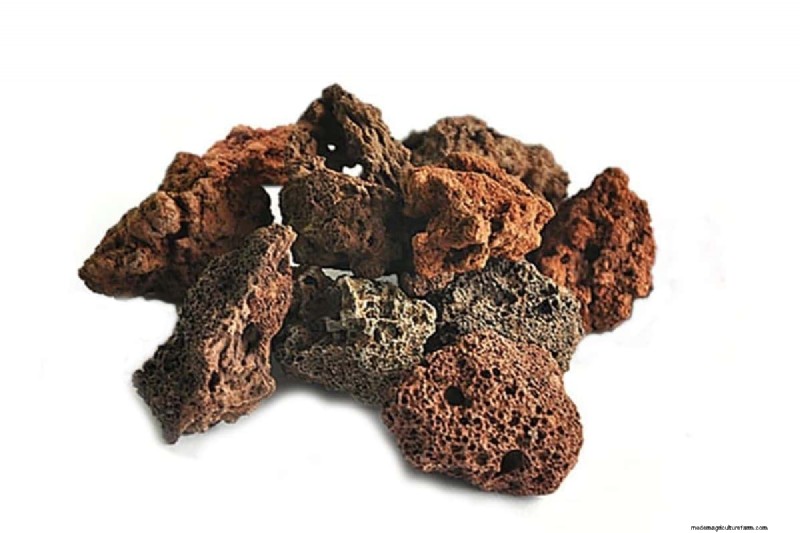
Lava rocks have a porous structure which allows them to act as a natural filter. These rocks provide an ideal habitat for beneficial bacteria, which are essential for maintaining a healthy and stable aquarium environment.
Therefore, without any doubt, lava rocks can significantly benefit any aquarium. However, there can also be some downsides to consider.
When we think of hardscaping in out tanks, we generally have many options for recreating various natural habitats, and using natural stones, such as lava rocks, is no exception.
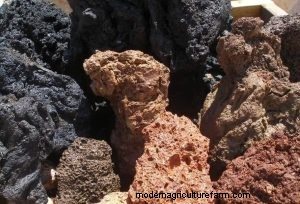 Lava is created when magma erupts from a volcano and reaches the Earth’s surface. As it cools down, the magma turns into lava. Depending on the volcano, Lava can be different in its makeup, color, and the materials it contains.
So, lava rocks are stones formed from this cooled and hardened volcanic lava. They are usually known for being porous, lightweight, and having a rough texture.
They typically come in colors ranging from black and dark gray to reddish-brown. The color of lava is primarily determined by the mineral content present during its formation.
There are three main types of volcanic lava:
Natural lava rocks are completely safe material to use, as they should not contain any toxic substances and do not alter the water parameters.
Additionally, they are considered unique because they contain a full spectrum of trace elements essential for the health of living organisms. This is why natural habitats around volcanoes are often rich in diverse life and thriving plant communities.
As I have already mentioned, lava rock’s surface is covered with numerous tiny holes. Therefore, aquarium water can easily flow through them. Since the porous structure provides a large surface area, it becomes an ideal environment for the growth of beneficial bacteria.
In simple terms, lava rock is an excellent material that can play an important role in the nitrogen cycle.
Some aquarists even use finely crushed lava rock as:Lava rocks have a natural and rugged appearance. It will definitely enhance the visual appeal of any aquarium.
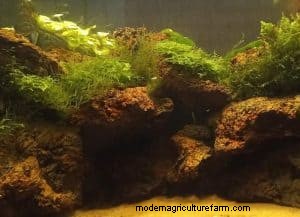
Besides, these rocks are available in various shapes, sizes, and colors, making them ideal for creating interesting aquascapes for anyone.
Another great thing about lava rocks is that they are generally inert. It means that they generally do not alter the water’s pH or hardness. This makes them safe for most freshwater tanks.
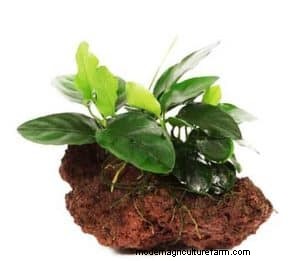
Given the uneven surface of lava rock, plants will attach to it with incredible ease. So, they can be used to anchor aquatic plants
In fact, I can tell you that if you later decide to remove the plant from the rock, it will be quite difficult to do so!
The crevices in lava rocks provide excellent hiding spots for small fish, snails, and invertebrates. It can reduce stress of your pets and improve their well-being.
Another benefit of using lava rocks is their lighter weight compared to other stones. Because lava rocks are porous, they are much less heavy compared to most other types of stone. It also makes them easier to handle and position in the tank.
The lighter weight helps reduce the risk of accidentally cracking or damaging the aquarium glass. So, you can add these rocks to your setup with less worry about causing harm to your tank while still enjoying their decorative and functional benefits.
Of course, if you plan to create large structures with lava rocks, it’s still a good idea to secure the entire setup with aquarium-safe sealants or adhesives. This will ensure that the rocks stay in place and prevent any potential issues with the stability of your aquarium decoration.
Unfortunately, lava rocks usually have sharp edges that could potentially injure some fish species (especially bottom-dwellers and those with delicate skin).
If you have an acrylic tank, you need to be very cautious when placing or moving lava rocks there. Acrylic is softer and more prone to scratching than glass.
Solution: To reduce this risk, consider smoothing down any particularly sharp areas.
The porous nature and uneven surface of lava rocks can cause debris and detritus to accumulate in the holes and crevices. Over time, all this waste can build up and cause water quality issues if not properly managed.
Solution: If possible, periodically take the lava rock out of the tank, rinse, and gently scrub it with a soft brush to dislodge any debris trapped in the pores.
Make sure that your tank has adequate filtration. It will help you remove suspended particles from the water column before they can settle on the lava rocks.
You can also add a clean-up crew, such as shrimp or snails. They will gladly clean up these rocks. I can say that my shrimp love lava rocks!
We all know that algae can grow anywhere and lava rocks will not be an exception. The problem here is the uneven surface of these rocks.
Frankly saying, it can be pretty difficult to clean them, especially, if you can’t easily remove them from the tank.
Solution: Fighting algae is something every aquarist deals with, and there isn’t a single solution that works for all types of algae. Each type has its own way of being managed, so I suggest reading my other articles about algae where I explain different methods to tackle them. Also, remember that algae-eating fish, snails, or shrimp can be great helpers in keeping algae in check.
Even though lava rocks are usually lighter than many other stones, they are still rocks! They can add a good amount of weight to your aquarium. So, if placed incorrectly, they might damage the aquarium glass.
Therefore, the weight of these rocks still needs to be carefully considered, especially if you are using a large amount or creating tall structures.
Solution: You can place a styrofoam sheet or cushioned aquarium mats at the bottom of the tank. This creates a level surface, ensuring the weight of the lava rocks is evenly distributed. It will help to protect the glass, or acrylic from potential damage.
 The very nature of how lava rocks are formed means that they contain lots of different minerals (such as potassium, magnesium, zinc, and iron). This is exactly what our plants need to thrive!
These minerals support plant development and help combat chlorosis, a common issue where plants develop yellowing leaves due to iron deficiency.
The highly porous surface of lava rock provides an ideal foundation for plants to grow and allows the roots of certain aquarium plants (such as Mosses, Java ferns, Anubias, Bolbitis, Buces, etc.) to anchor securely.
An interesting fact about iron is that it is a polyvalent element and can exist in two forms under normal conditions: ferrous (Fe²⁺) and ferric (Fe³⁺). For optimal plant growth, plants primarily require ferrous iron, as it is more readily absorbed. Red lava rocks are particularly rich in iron oxide, providing an abundant source of this essential nutrient.
Related articles:
 Whether you bought, received, or found lava rock (you are lucky!), don’t put it in your tank right away. It may have parasites and any unwanted chemicals or substances on its surface.
Therefore, we need to make sure that it is safe.
You can also perform a simple test by dropping some vinegar on the rock. If it doesn’t foam, it means the lava rock is inert and safe for your aquarium.
Note: Using bleach to clean lava rock is generally not recommended. The main problem is that it can potentially get into its porous structure and be difficult to completely rinse out.
Related articles:
Lava rocks are a versatile and beneficial addition to many tanks. They can provide both aesthetic and functional advantages.
These rocks will also have a positive effect on aquarium plants and are generally considered a good match for planted tanks.


