
Welcome to Modern Agriculture!

Let us discuss Sheep Farming In Telangana along with popular sheep breeds in the state of Telangana.
The raising of sheep breeds which are domestic is called as sheep farming. It is one of the popular businesses which are performed all over the world and also in the India. Let us know the Sheep Farming business in Telangana which is one of the states of India, in this state not only the native breeds are raised the neighboring state breeds are also reared. These sheep can be grown in all ranges of temperate climates and which include arid zones also. For these we need to care them a little more than other livestock as per their security, facilities and comforts. The total sheep population of the Telangana state is 1.74 crore in 31 districts of the state. Sheep produces many products like wool, manure, milk, meat, and also the skin.
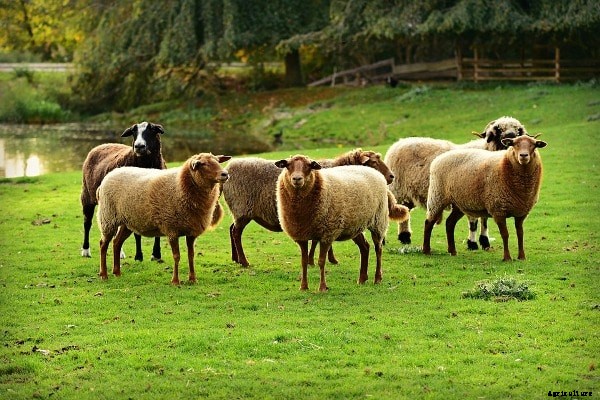
There is a great contribution to the national economy, we sheep meat export contributes 8% of total export value of agricultural and also process food products. The total population of the sheep as an estimation in India is 71.6 million sheep.
Read: Frequently Asked Questions About Goat Farming.
The loans and subsidies are offered to the farmers, as the central and state government offers many loans and subsidies for the farmers those are economical down. These loans and subsidies can be availed by visiting the nearby banks like rural, co-operative and also the central banks.
Note: For more information, we need to visit NABARD, State Animal Husbandry Department, Sheep Co-operative society/ union/ federation and also commercial farmers, and Sheep Development Corporation.
This Deccani sheep is found in some districts of Telangana State.
These are found in some parts of Telangana State districts.
This breed belongs to the boundaries of the Karnataka and Telangana
There are some other local red sheep breeds are raised in the districts of Telangana.
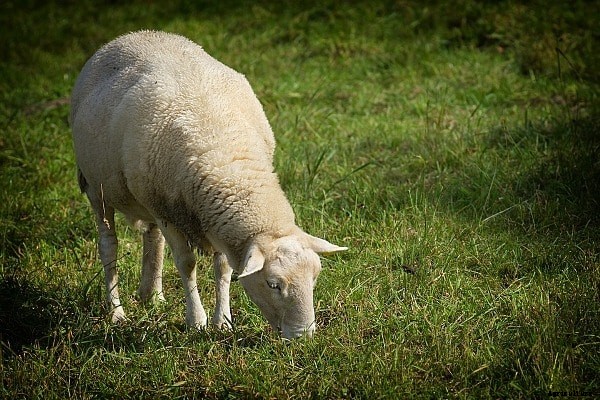
For normal health and growth, reproduction of the sheep we need to balance the ratio of the feed which is fed to the sheep. The nutrients in the feed will help in achieving the nutrient requirement of the sheep. The sheep need protein, TDN (total Digestible Nutrients), Phosphorus, and also Calcium. As sheep are a ruminant animal the ruminant animal’s stomach is dived as compartmental as which contains reticulum, omasum and abomasums. In sheep farming business, feed management plays a major role. As this is one of the reasons for good growth and production of sheep.
The feed should be supplied to the sheep throughout the year. Feed materials like a pasture, well-cured hay is most common items. In winter, some supplements should be added to the hay while feeding them. Supplements like loose mineral, kelp meal and apple cider vinegar should also be provided. The milking breeds should be fed with leguminous hay such as alfalfa in daily portions, but for the kids and bucks the feed is different; they should be fed with grains and milk only. Kids should be fed milk till 2- 3 months of their age. Salt and fresh water should be supplied to dairy sheep along with the feed.
Read: Poultry Feed, Types of Poultry Feeds.
Legume Fodder crops for Sheep:
Tree fodders for Sheep:
Concentrated feed for Sheep:
For Sheep, depending on the stock density they can be reared in an open house or in a closed house, but the basic facilities like feed and water, ventilation, inlet and outlet for air, proper drainage, milk barn, proper fencing etc. should provide similar to sheep breeds. The bed area of each sheep should be around 15 square meters.
Read: Cattle Feed Information.
Basic Requirements of Housing:
The health of sheep should be checked regularly and any illness should be treated during the early stages. The pulse should range from 50 – 115 for 83 minutes. Respiration should range from 15 – 20 per 29 minutes. Body temperature must be 39.7˚C.
The Sheep should be vaccinated regularly, the sheep should be observed regularly so that if there is any change in behavior or physical activities. If there is no proper care toward the sheep it might lead to the biggest loss of sheep and also the kids. Sheep farm should be maintained, clean and sanitized. The proper quality of feed should be given to the sheep. Regularly the hooves of the sheep should be trimmed; these should be trimmed about for every 6 -4 weeks. The farm should get plenty of sunshine for the sheep.
Endo – parasitic Diseases:
Ecto – parasitic Infestations:
Bacterial Diseases:
Viral Diseases:
Vaccinations:
The vaccinations which are given to the sheep are of 2 types. They are:
Read: Dairy Farming Courses, Fees in India.
Live Vaccine or Active Vaccination:
This vaccine attacks the organism until the organism loses its virulence. There are also capable of holding them as to provoke their immune to the sheep which they have targeted.
Inactive Vaccine:
These vaccines directly attack the organism fights with it until the organism becomes dead. These inactive vaccines produce toxins. The toxin which is produced can be used for vaccination purpose, then that toxin vaccine is called as Toxoid inactive vaccine. These vaccines will help the sheep to attain immunity.
Read: Prawn Cultivation.


