
Welcome to Modern Agriculture!

Domestic duck breeds are generally extremely hardy and don’t often get sick as long as they are fed a healthy diet, given plenty of room to exercise and access to fresh water daily, but there are some fairly common duck diseases that you should be aware of if you raise backyard ducks. Hopefully, you will never have to treat any of these illnesses, but it’s always best to be prepared.
COMMON DUCK DISEASES
Hardware Disease/Botulism/Aspergillosis
What do ducks eat? Just about anything. Ducks love to eat shiny things, including spare change, screws, bolts, wire, staples, or pieces of metal, which can lead to a duck disease called “hardware disease,” which isn’t really a duck disease at all but rather a type of poisoning. Signs of poisoning, whether it be from hardware disease, botulism, which is caused by bacteria found in stagnant water, or aspergillosis, which is caused by mold spores in wet feed or bedding, include lethargy, diarrhea, decreased appetite/weight, seizures, dehydration, vomiting, drooping wings, unsteadiness or difficulty walking. Toxins can work quickly, so while a visit to a vet is highly recommended in a suspected poisoning situation, feeding some molasses can help flush the toxin, as can charcoal pills, followed by lots of fresh, clean water, and of course removing the offending metal, dirty bedding or water or spoiled feed.
To prevent all kinds of poisoning, be sure your duck yard is free of debris, and standing water, and that your ducks have lots of healthy treats, good-quality feed, and clean, fresh,s can be susceptible to Bumblefoot, which water.
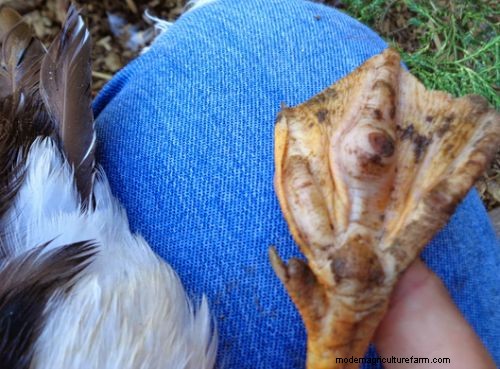
The heavier duck breeds, including Pekins and Appleyard, can be susceptible to bumblefoot, which is basically a staphylococcus infection caused by a cut, hard landing, or splinter. It manifests itself as a black scab on the bottom of the foot. Often catching it early enough means it can be treated using Vetericyn or an herbal salve to draw out the infection, but more advanced cases often require surgery to cut out the kernel of infection with a scalpel and then keeping the foot clean and dry until a new scab forms.
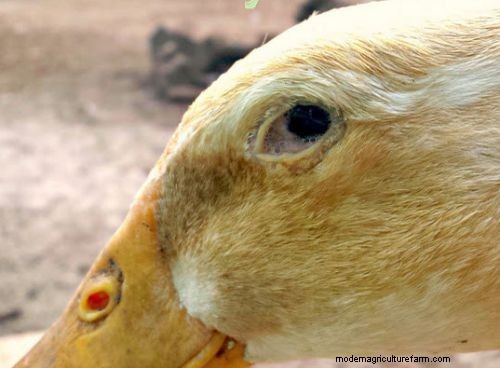
Since ducks will eat practically anything they can get hold of, they sometimes suffer impacted crop if they ingest long pieces of string, twine, plastic, or even rubber bands. A crop should be empty in the morning since ducks digest everything they eat overnight, so if you suspect impacted crop, gently massage the area, then offer grit, some olive oil, and plenty of water. Be sure to keep the area your ducks roam free of any potentially dangerous materials, and if you feed your ducks cut grass or weeds, be sure to cut them into fairly short lengths.
 Ducks not allowed regular access to water in which to swim, or ducks in generally poor health or kept in unsanitary conditions can suffer wet feather, a condition where their preen gland, which they use to keep their feathers well-oiled and waterproofed, stops working. This leads to the duck not being able to stay dry in the rain or water, and risking the chance of drowning or getting chilled. If your duck seems to not be waterproof anymore, give her a bath in Dawn detergent, then rinse her well and blow dry her. This will remove any dirt and old oil and give her a chance to start over. Only give her a tub of water to drink out of and splash water over herself for a few days and then allow her pool access again to see if she has regained her waterproofing. Severe cases often require the duck to go through a molt and grow in all new feathers before she is waterproof again.


