
Welcome to Modern Agriculture!

With over 10 years of lawn and landscaping experience under his belt, Larry is a mean, green, gardening machine! Larry aims to share his vast knowledge in the field of gardening and create a one-stop shop for all gardening information and needs.
Latest posts by Larry Meyers (see all)
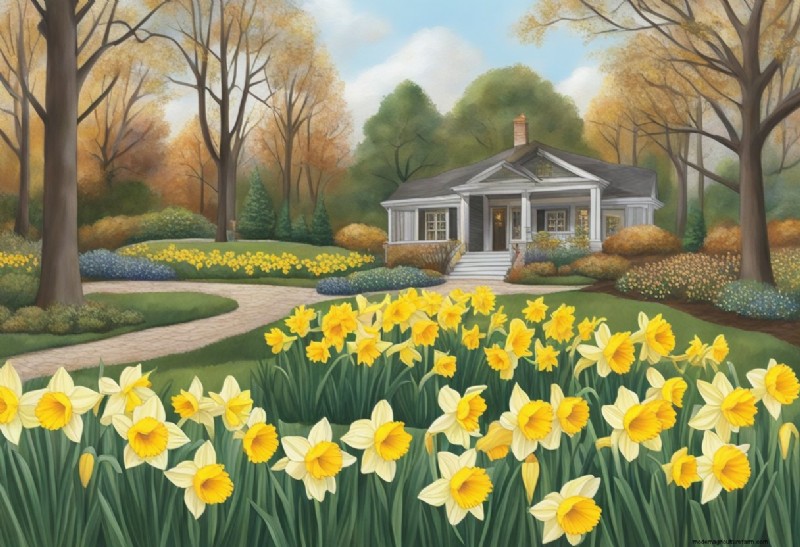
Daffodils, with their cheerful, trumpet-shaped blooms, are a favorite among Georgian gardeners. They are remarkably resilient and can brighten up any garden. The key to a flourishing daffodil display lies in knowing the perfect time to plant them.
I usually scout the garden after the first light rain, because moist soil makes the bulbs settle more evenly and reduces transplant shock.
💥 Quick Answer
For Georgia, plant your daffodil bulbs four weeks before the first frost date, which ranges from late September to early December depending on your hardiness zone.
When I plant my daffodil bulbs, I start by ensuring the soil temperature is consistently below 60°F. This helps the bulbs establish a root system before winter sets in. Georgia falls into several USDA hardiness zones, so the exact planting dates can vary a bit.
For instance, in Zone 6, late October to early November works best; while in Zone 8, try from late August to early September. I also like to check a local weather station for the predicted first frost to fine‑tune the timing.
Adding a personal touch to my gardening, I always look for those moments when gardening feels more like an art. The sight of these yellow gems peeking through early spring soil is a delightful reward for a bit of autumnal labor.
So grab your trowel, plant those bulbs at a depth of 4-6 inches, and let nature take its course. 🌷 I mark each planting spot with a small wooden stake so I can track bloom performance year after year.
Growing daffodils in Georgia requires understanding the specific soil and climate needs, choosing the right planting time, and using proper techniques. Let’s dive into the key aspects for successful cultivation. I keep a notebook of each variety I plant, noting bloom date and vigor for future reference.
The soil in Georgia varies, so improving it with organic matter such as compost is essential. Daffodils thrive in well-drained soil with a slightly acidic to neutral pH level. Georgia’s soil can often benefit from adding compost to enhance drainage and fertility.
I test the pH with a simple kit and aim for a range between 6.0 and 7.0 before planting.
💥 Well-drained soil is crucial to prevent daffodil bulbs from rotting.
The climate in Georgia ranges from USDA hardiness zones 6 through 9. Understanding your specific zone helps determine the best practices for planting. I also monitor average winter lows; if temperatures dip below 20°F, I add a light mulch to protect the bulbs.
Timing is everything when it comes to planting daffodils. The best time to plant daffodil bulbs in Georgia depends on the region:
Planting in fall allows the bulbs to establish roots before the first frost and bloom beautifully in spring. I like to set a reminder on my phone for the last frost date each year so I never miss the window.
Proper planting techniques ensure healthy growth and vibrant blooms. Dig holes about 6 to 8 inches deep and space each bulb 4 to 6 inches apart. Use a garden trowel or bulb planter for consistent depths.
After placing the bulb, I gently firm the soil to eliminate air pockets that could dry out the roots.
💥 Plant bulbs pointed side up and root side down.
Consider mulching after planting to retain moisture and protect the bulbs from extreme weather conditions. Water the bulbs generously after planting and maintain regular watering during dry periods to support growth.
Fertilize once a year with a balanced fertilizer to encourage strong blooms. I usually apply a thin layer of shredded pine bark mulch about 2 inches thick.
To enjoy a vibrant daffodil display, it’s important to focus on proper watering, fertilizing, pest defense, and post-bloom care. Here’s how to keep your daffodils thriving. I schedule a mid‑season check‑in in April to assess leaf health and adjust watering if needed.
Daffodils prefer moist soil, especially during their growing season. I water them immediately after planting and ensure consistent moisture until spring rains come. I also add a drip‑irrigation line for uniform delivery during dry spells.
🚰 Water Requirements:
Daffodils need about an inch of water per week. Rainfall often suffices, but during dry periods, I use supplemental watering.
For fertilization, I avoid high-nitrogen formulas to prevent excessive foliage growth. Instead, I top-dress with a 5-10-10 fertilizer when the leaf tips emerge and again with a 0-10-10 or 0-0-50 during blooming. I spread the fertilizer in a thin ring around each bulb to avoid root burn.
Common pests can harm daffodils if not managed properly. I use a few key strategies to keep them safe. Early in the season I scout for signs of damage and apply neem oil if aphids appear.
🐛 Common Pests:
Narcissus bulb fly and aphids are pesky. Narcissus bulb fly larvae can destroy the bulb, so I inspect bulbs regularly and use nematodes as a natural predator.
⚠️ Disease Control:
Basal rot and viruses like mosaic virus can cause issues. I avoid planting in poorly-drained soil to prevent rot and practice crop rotation to avoid viruses.
After the enchanting blooms fade in mid-to-late spring, maintenance is key to ensuring a healthy blooming cycle for the following year. I keep the foliage standing until it yellows naturally, then let it decompose.
☀️ Clean-Up:
I let the foliage die back naturally, as it provides nutrients back to the bulbs. Cutting back immediately post-bloom can reduce the next year’s flowers.
Propagation and Naturalization:
I divide clumps every 3-5 years to prevent overcrowding. This involves digging up bulbs right after the foliage has died, separating them, and replanting.
Using these methods ensures my daffodils remain healthy and continue to be a delightful part of my garden each year. 🌸 I also record the division dates in my garden log so I know when each group was refreshed.
Even seasoned gardeners can slip up when handling daffodils, but a few simple checks keep problems at bay.
Bulbs planted deeper than 8 inches often struggle to break through the soil, while those shallower than 4 inches may dry out. I measure depth with a garden ruler and aim for the sweet spot of 5‑6 inches.
If you’re unsure, mark the desired depth on your trowel handle as a visual cue.
Water‑logged beds invite basal rot, a common culprit in Georgia’s humid climate. Before planting, I dig a small test hole and fill it with water; if it doesn’t drain within 30 minutes, I amend the area with sand or coarse compost.
Adding a 2‑inch layer of gravel at the bottom of raised beds also improves drainage.
Mulch protects bulbs from temperature swings and weeds, yet many gardeners forget it. I spread a 2‑inch layer of shredded bark right after planting, which also helps retain moisture. Re‑apply mulch each fall to maintain the protective barrier.
Keeping a month‑by‑month checklist makes daffodil care feel effortless and ensures you never miss a critical task.
Prepare the bed by testing pH and incorporating 2‑3 inches of compost. Plant bulbs four weeks before the first frost, then water thoroughly. I also apply a light frost‑protective mulch once the soil temperature drops below 50°F.
During the cold months, monitor the mulch layer to ensure it stays intact; add more if it thins out. I avoid walking on the beds to prevent bulb disturbance. If a hard freeze is forecast, I cover the area with a breathable fabric for added insulation.
As shoots emerge, stop watering once the soil stays consistently moist from natural rain. Apply a 5‑10‑10 fertilizer when leaves reach 6 inches tall, then again at first bloom. After flowering, let foliage die back naturally before any clean‑up.


