Seeing slug and snail damage in your garden? Here are tips on how to identify, control, and get rid of slugs and snails in the garden.
What Are Slugs and Snails?
Slugs and snails are very damaging garden pests that can be found throughout most of the world, most often in temperate, humid climates. Your garden is likely to have more slugs during a particularly rainy season.
Slugs and snails are not insects; they are soft-bodied mollusks. Slugs and snails are members of the phylum Mollusca, along with the giant squid, the periwinkle, and the steamer clam. Unlike seagoing mollusks, these landlubbers are equipped with a single lung. The main difference between slugs and snails is that the latter have an obvious shell, which is primarily made up of calcium carbonate.
Slugs and snails are hermaphroditic, with each individual having both male and female reproductive organs. As you would expect, their love life is complex. The common gray garden slug dances an elaborate, hour-long nuptial waltz before mating, while other species perform acrobatic movements while hanging suspended from threads of slime.
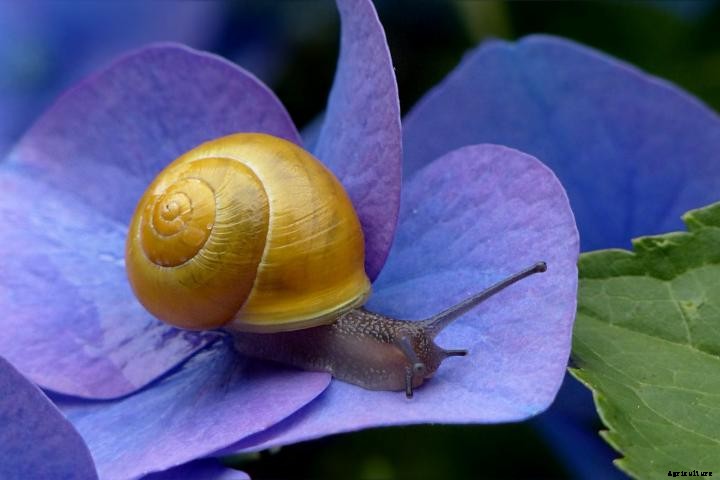
Identification
Identifying Slugs and Snails
- Most garden slugs and snails are gray, dull-orange, or dark brown and 1 to 3 inches long. They will hide in dark, damp places during the day.
- Many people are prompted to ask, "Where do slugs come from?" This is because they are hard to spot in the soil due to their dark color, but also because they only feed at night and hide throughout the day. If you realize you have slug and snail damage but can't find the culprits, you're not alone.
- Slugs and snails will leave a slimy secretion where they have been, so even if you can't spot them, you'll know they are there. Look for slime both on plants and surrounding soil. It is easiest to see the trails of slime first thing in the morning.
- You can monitor slug and snail activity in your garden by digging holes that are four inches wide and six inches deep. Cover these holes with a board, and then check for slugs after three days. If you see many of them, these might be the sneaky pests that are eating your plants!
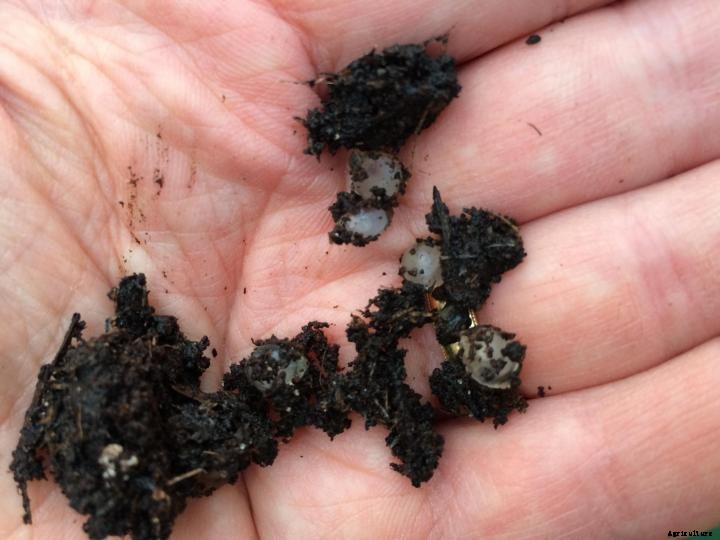
- Slugs and snails lay their eggs in moist soil or compost. Their populations can grow rapidly in cool and moist conditions.
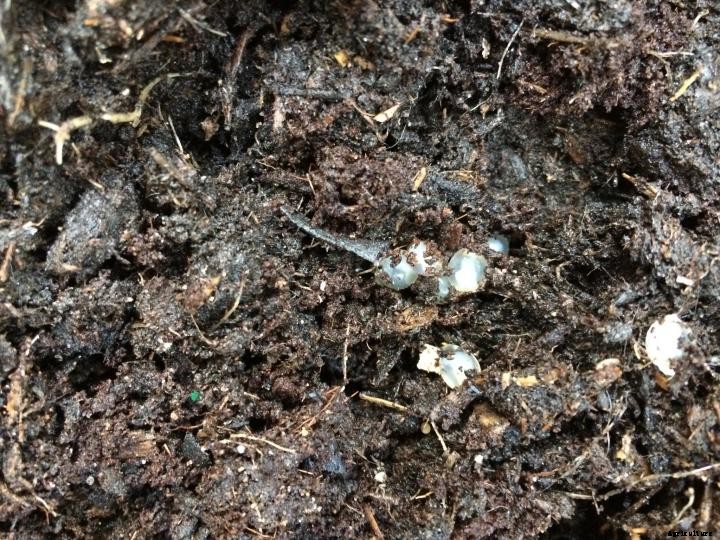
Slug Damage
What do slugs eat? They will feed on almost anything in the garden—look for holes and ragged edges on leaves and stems. The holes should have irregular shapes due to their file-like mouthparts. Small seedlings can be consumed entirely.
Slugs can digest tissues from most plants, but you might find them especially liking your beans, lettuce, cabbage, and tomatoes.
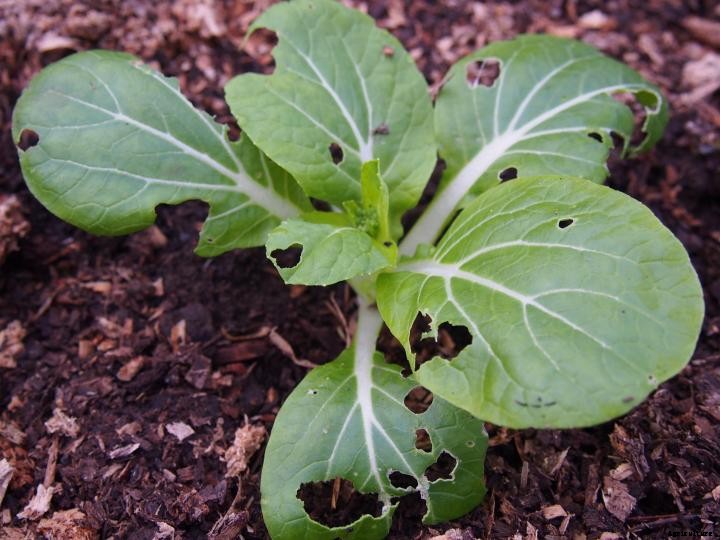
Control and Prevention
How to Get Rid of Slugs and Snails
- You can create the perfect slug and snail trap by laying boards or pieces of cardboard on the bare soil around your plantings. Each morning, turn the boards over and scrape the hiding pests into large plastic containers. Cover and place in freezer for three hours. When frozen stiff, dump them on your compost pile.
- Place shallow dishes of beer around the garden to lure the slugs or snails to a drunken death. Or mix water with molasses, cornmeal, flour, and baking yeast to replace the beer. These are both great baits that can help control your garden slug and snail population.
- Some slugs and snails are a bit beer-resistant and might crawl out of the dish. If you find this happening, try creating a beer trap that they can't escape from: Cut the spout end off a plastic beverage bottle just where it reaches the fattest diameter. Now, turn the pour-spout around so that it’s pointing inside the bottle and fasten it with staples or duct tape. Pour a little beer into the bottle (add extra yeast, if desired) and lay it on its side in the garden.
- If necessary, get out and handpick the little rascals—a task best undertaken in the evening twilight or in the early light of dawn, before they have sought shelter from the heat of the day.
- Some gardeners claim that circling plants with powdered materials such as wood ash (which is also a good source of potassium for your plants), diatomaceous earth, coffee grounds, pine needles, coarse sand, or crushed eggshells can prevent slugs and snails. Unforunately, these common household tricks are not proven to be effective.
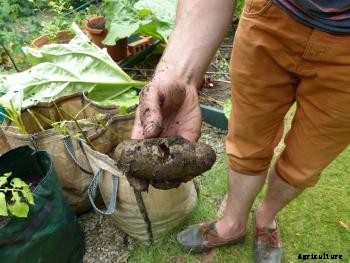
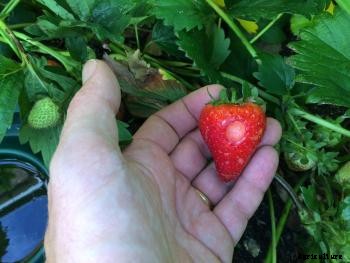
Photo Credits: GrowVeg.com. Prevent slug damage like this with the above tips for getting rid of slugs.
- Alcohol kills these pests by acting as a surfactant, or wetting agent, that can penetrate an insect’s waxy coat of armor and kill on contact with the body. Isopropanol (rubbing alcohol) works fine and is easy to find, but be sure it doesn’t have additives. Ethanol (grain alcohol) seems to work best. Alcohol usually comes in 70 percent strength in stores (or 95 percent strength purchased commercially). To make an insecticidal spray, mix equal parts 70 percent alcohol and water (or, if using 95 percent alcohol, mix 1 part alcohol to 1 ½ parts water).
- A spray of cold coffee can control small slugs, but it must completely drench them to be effective.
- Some plants have been shown to do well despite being around slugs and snails. If you tend to see these pests and are having trouble getting rid of them, try planting astilbe, phlox, or mint to reduce damage.
- Check out this video about controlling slugs and snails in the garden and this blog with more tips on how to naturally get rid of slugs.
- Try this old-fashioned advice from The 1963 Old Farmer's Almanac: A mulch of oak leaves is useful against slugs. To control slugs, our grandparents strewed leaves of lettuce, spinach, cabbage, or slices of raw potato in the garden. The night feeders collected beneath these materials, and the next morning they were gathered and eliminated. Frogs and toads are good consumers of slugs. Old timers, living by their wits, learned to make use of simple materials for insect control. They found that slugs do not like alkaline ground. Slaked lime, wood ashes, slag, sand, and cinders were useful against slugs.
How to Prevent Slugs and Snails
- It is helpful to rake your garden in early spring in order to clean up some of the moist debris that slugs and snails love, as well as to rake away any soil-borne eggs. Large wood chips also provide hiding areas for slugs, so try not to use them.
- Only water your garden when necessary so as to minimize the damp places in which slugs and snails congregate.
- Slugs and snails have many natural predators. If you have chickens or ducks, they will help by eating these pests and their eggs. Also, be sure to encourage the populations of snakes, turtles, frogs, toads,and ground beetles in your garden. Firefly larvae are also natural predators, so find out how to attract fireflies to your garden. The same goes for songbirds, so check out our tips on creating a bird-friendly habitat.
- Slugs and snails experience a small shock when exposed to copper, which will make them turn back. Try making a perimeter around your plants with copper tape.
- Companion planting is a great way to prevent pests. In order to keep slugs and snails away from more valuable plants, place plants that they love near your more-valuable plants as a trap, and then destroy the infested plants. Good traps for slugs include chervil, marigold, and thyme.
Check out this video to learn more about how to prevent slugs and snails in your garden.


