
Welcome to Modern Agriculture!

Introduction to Organic French beans Farming
French bean is one of the most significant leguminous vegetables in India. French bean is also known as kidney bean or common bean. It is grown widely because of its short duration and nutritive values. It is a good source of calcium, protein, iron, phosphorus, carotene, thiamine, riboflavin, and vitamin C. In India, French bean is grown for tender vegetables, shelled dry beans, and green beans.
French beans are very tasty and also nutritious being leguminous. Their mature seeds and tender beans both are used as a vegetable. French bean is a short duration crop mostly grown in Kharif. But if irrigation facilities are properly available, it can be grown in Rabi and summer seasons as well.
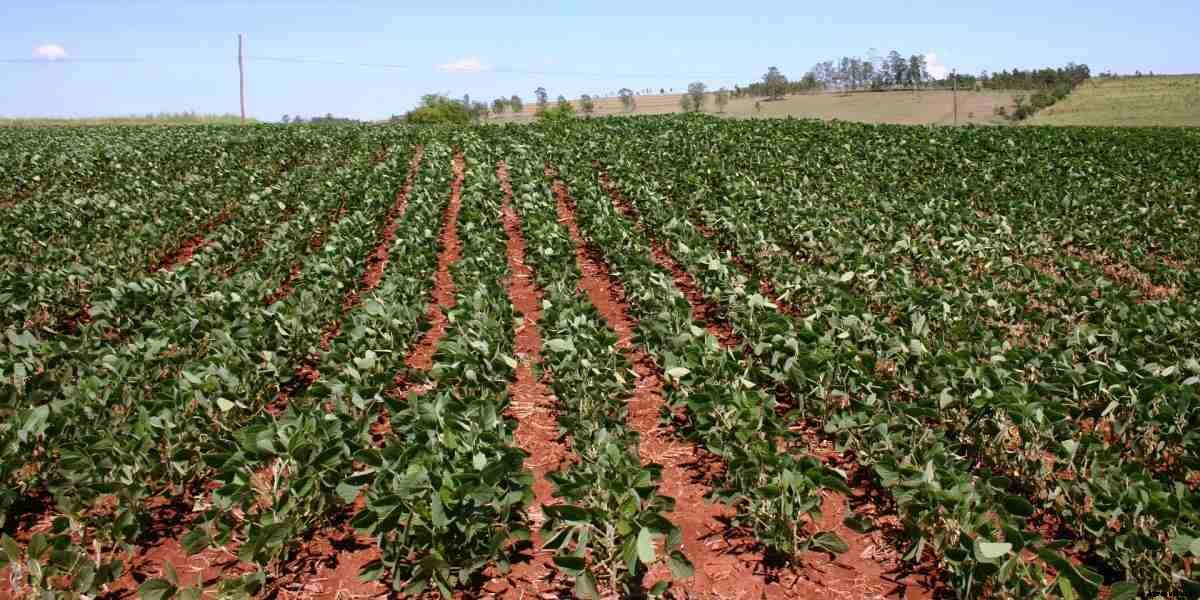
The French bean varieties are classified into two groups. Bush or dwarf types and Pole or climbing types. The below varieties found suitable for the northern region.
Dwarf types– Pant Anupama, Contender, Pusa Parwati, and Arka Komal.
Climbing types– RCMFB-l Kentucky Wonder.
Seed selection is a significant step in organic French beans production. French bean seeds should be carefully selected from farmers’ fields which is raised organically or from certified organic farms. In the absence of organically produced seeds, you can use the seeds (those are not treated with chemicals) from local high yielding varieties. Choice locally demands and disease-resistant varieties. There are both long and short duration varieties. The usually grown varieties are Arka Komal, YCD 1, Ooty 1, Indam 2, Premier Arka Anoop, and Arka Subidha, etc
Sandy to heavy clay soils with a pH value range from 5.5 to 6 with more than 1% of organic carbon is best suited for beans cultivation. It is mandatory to conduct a soil test once a year to check the levels of pH, organic carbon, macronutrients (NPK), micronutrients, and microbial load in the field. If the organic carbon content is less than 1%, apply 25 to 30 tons/ha of FYM (farmyard Manure) to the main field and plough the field 2 to 3 times to mix the manure thoroughly. The suitable buffer zone must be provided between non-organic fields and certified organic fields at a distance of around 7 meters from non-organic fields to prevent drift of prohibited materials on to certified organic fields.
Nearly 50 to 75 kg/ hectare of seed required for dwarf bean, whereas for pole type the seed rate is around 25 kg/ hectare. Seed rate changes with seed size. A seed rate of bold seed will changes with a test weight of 350 to 450 g, needed 120 to 140 kg seeds/ hectare while in small-seeded varieties it varies from 80 to 100 kg/hectare. The seed rate differs in intercropping with row properties. Seeds are usually sown in rows 30 cm apart. The plant to plant spacing is 12 to 15 cm and 8 to 10 cm is the optimum depth of sowing. An increase in plant density increases pod yield. For gaining good yield, the plant population should be 2.5 to 3.0 lakh plants/hectare. Wider spacing of 45 cm X 15 cm is suggested for organic cultivation for better ventilation and to minimize the rapid spread of foliar disease.
French bean can be sown twice in the period of one year, in January-February and July-September in the plains and March to June in the hills. It is grown throughout the year in 3 season’s summer –February/March, Kharif – June/July, and Rabi – October/November. Sowing of the unirrigated crop is done by drill around 45 cm distance. The irrigated crop is taken on ridges and furrows at a distance of 60 cm and seeds are dibbled on both sides of ridges at 20 to 30 cm spacing. The seed rate for drilling is 80 to 90 kg/ha and dibbling 40 to 50 kg.
French bean even though a leguminous crop, but it is poor in its capability of atmospheric nitrogen fixation, so it needs more nutrients in comparison compared to other leguminous vegetables. A well develops French bean crop removes 40 kg P, 130 kg N, and 160 kg K per hectare from the soil. Nitrogen is mainly required because it imparts energetic vegetative growth and dark green colour to plants and produces early growth. Though higher doses of nitrogen harmed nodulation and nitrogen fixation.
The crop gives the best response to phosphorus application as it stimulates early root development and growth, boosts fruiting and seed production, and hastens maturity. Likewise, potassic fertilizer being a catalyst for various reactions improves water holding capacity of plant tissue stimulates enzyme activity, quality of the product, and increases the nitrogen-fixing ability of the plants. For an average fertile soil, 25 to 30 tons of farmyard manure (FYM) /hectare must be applied at the time of preparation of land. For a good yield 80 to 60 kg P2O5, 120 kg N, and 50 kg K2O per hectare are suggested. Full doses of P and K and half of the nitrogen should be placed in bands 7 to 8 cm away from the seed, at the time of planting and the remaining nitrogen is top-dressed during the flowering time. Fertilizer placement studies using radioactive 32P levelled fertilizer in French bean have shown that deeper placement at around 5cm depths results in the maximum utilization of phosphorus. French bean gives the best response to foliar application of micronutrients, mainly Mo, Mn, B, CU, Zn, and Mg each applied at the rate of 0.1% is found to promote quality and yield of pods.


